
Smalls Cat Food Review 2026
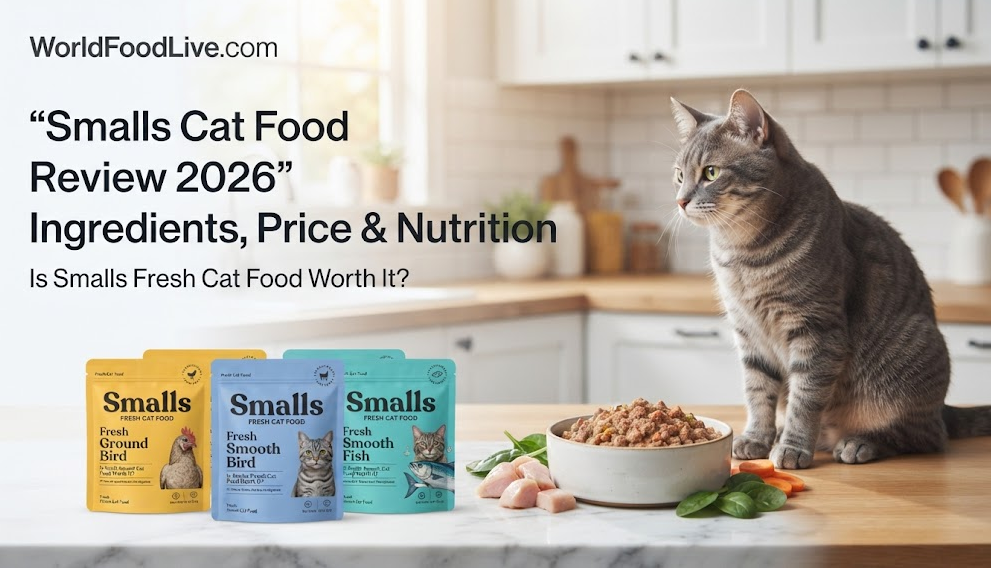
If you are looking for fresh cat food made with recognizable ingredients, high animal-protein, and convenient home delivery, Smalls Cat Food is a brand worth researching. Smalls focuses specifically on feline nutrition and offers gently cooked fresh food, freeze-dried food, treats, and broth toppers through its direct-to-consumer service.
But is Smalls actually a good cat food? Is Smalls worth the price? What ingredients are used? How does Smalls compare with regular wet or dry cat food? And is it a good choice for picky cats?
This complete Smalls Cat Food review for 2026 explores the ingredients, recipes, nutrition, feeding options, cost, storage, benefits, potential drawbacks, recall history, and the most important things to consider before switching your cat’s diet.
What Is Smalls Cat Food?
Smalls is a U.S.-focused cat food company that specializes in fresh and freeze-dried food designed specifically for cats. https://www.worldfoodlive.com
The brand was founded in 2017 and originally began as a small-batch fresh cat food concept before expanding into commercial production and nationwide delivery. Current Smalls fresh food is gently cooked in USDA-certified facilities in the United States and frozen after cooking to help maintain freshness without relying on preservatives.
Smalls currently offers several types of food and complementary products, including:
- Fresh cat food
- Freeze-dried food
- Cat treats
- Broths and toppers
- Cat care and lifestyle products
The fresh food lineup includes recipes based on proteins such as chicken, turkey, beef, pork, salmon, and cod. The company states that its fresh meals contain at least 80% animal protein.
Is Smalls Cat Food Good for Cats?
Smalls cat food can be a nutritious option for cats when the particular recipe is appropriate for the individual cat and is fed according to its directions.
One of the most important things to check with any cat food is not simply whether the ingredient list looks appealing. The nutritional adequacy statement matters because it indicates whether the food is formulated to provide complete and balanced nutrition for the relevant life stage. AAFCO explains that “complete” means the required nutrients are present, while “balanced” refers to those nutrients being supplied in appropriate proportions.
Smalls states that its fresh recipes are certified complete and balanced for every life stage and are formulated with veterinary nutritionists.
The recipes also provide animal-based protein and nutrients such as taurine, vitamins, minerals, and essential fatty acids. Depending on the recipe, ingredients can include chicken, chicken liver, turkey, turkey liver, salmon, cod, beef, pork, green vegetables, fish oils, and supplemental vitamins and minerals.
Smalls Cat Food Ingredients
One of the biggest reasons cat owners investigate Smalls is the ingredient list.
For example, Smalls Fresh Ground Bird currently lists chicken and chicken liver among its primary ingredients, followed by green beans, water, dried yeast, tricalcium phosphate, kale, magnesium proteinate, potassium chloride, choline chloride, dandelion greens, kelp, taurine, minerals, vitamins, and other nutritional ingredients.
The formula provides a substantial amount of moisture because it is a fresh food. Smalls lists Fresh Ground Bird at approximately 73% maximum moisture, with 13% minimum crude protein and 8.5% minimum crude fat on an as-fed basis.
Other recipes use different primary proteins.
Examples include:
- Fresh Ground Bird: chicken and chicken liver
- Fresh Pulled Bird: chicken
- Fresh Ground Other Bird: turkey and turkey liver
- Fresh Pulled Other Bird: turkey
- Fresh Smooth Fish: salmon and cod
- Fresh Ground Cow: beef and beef liver
- Fresh Smooth Pig: pork and pork liver
- Fresh Bird & Fish Dish: chicken, chicken liver, and salmon
Smalls Fresh Cat Food

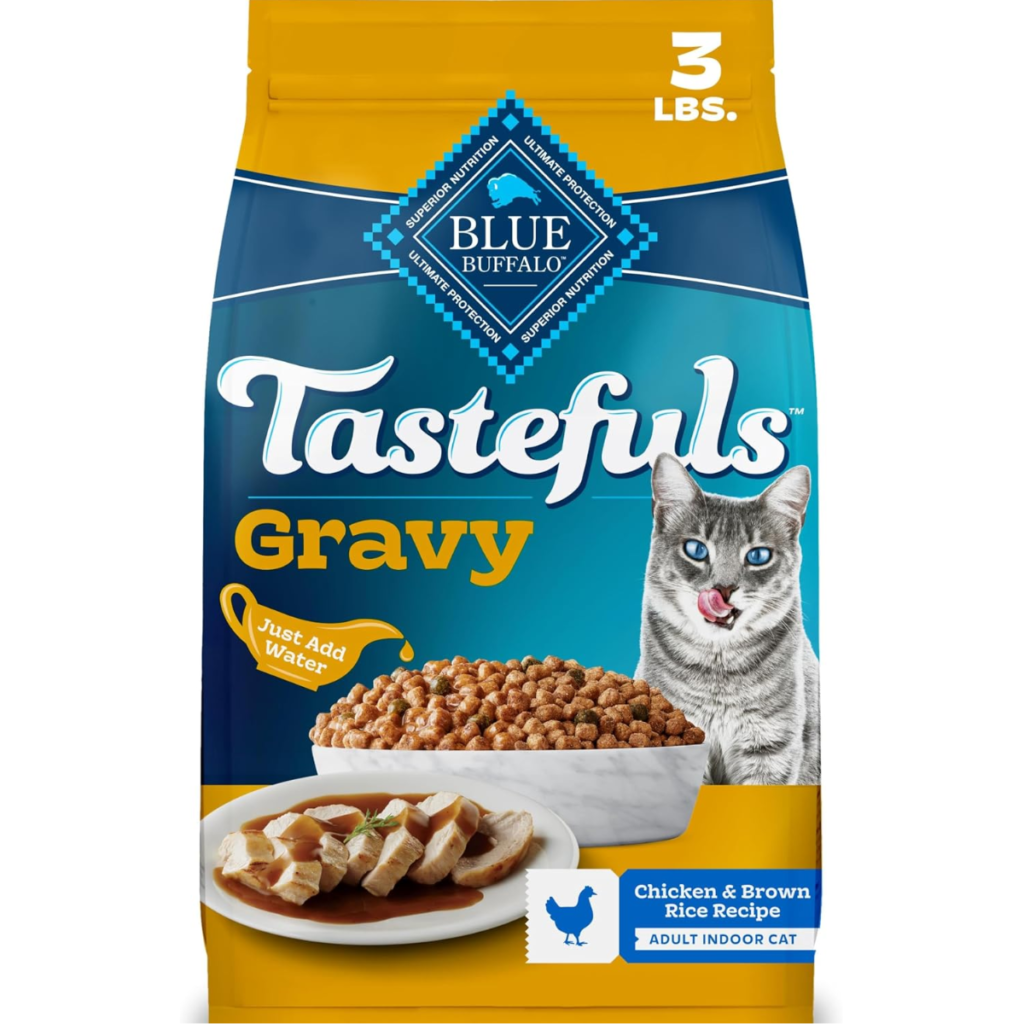
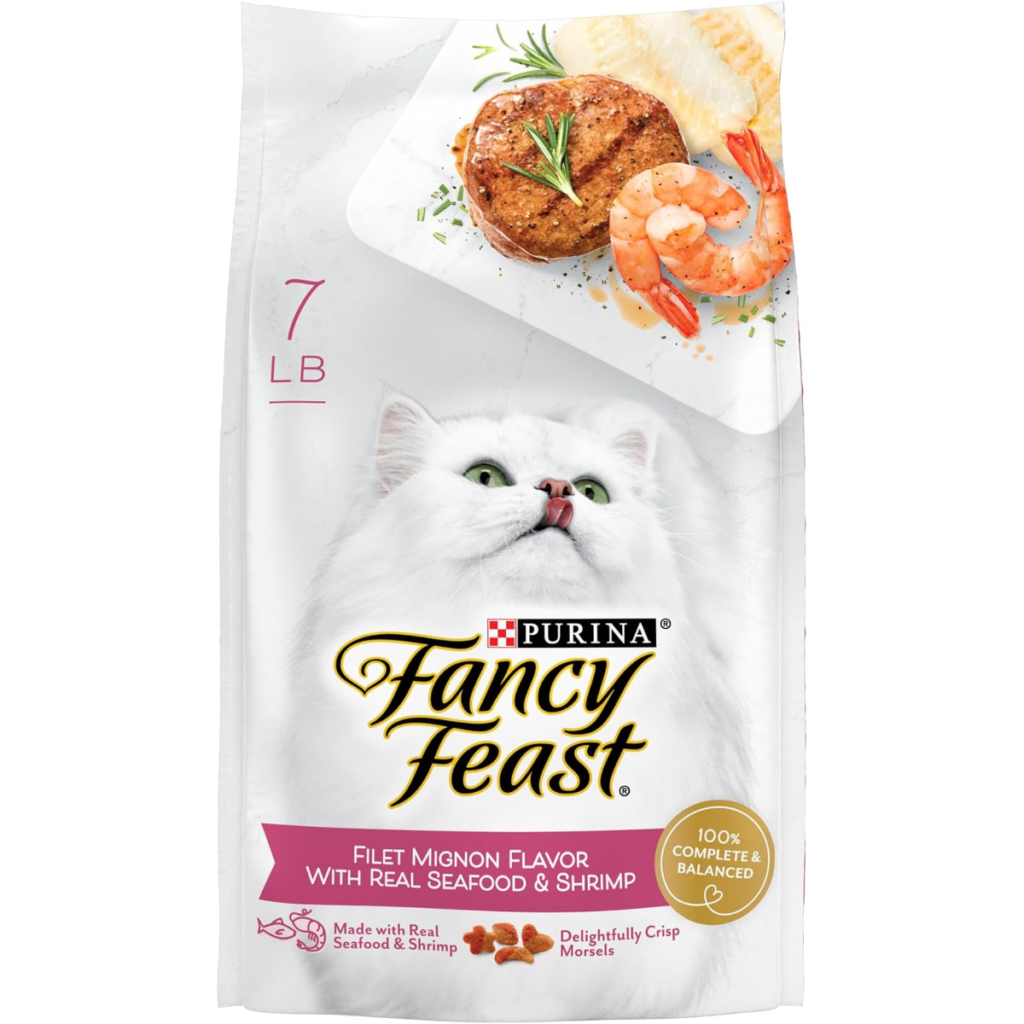
Dry Cat Food
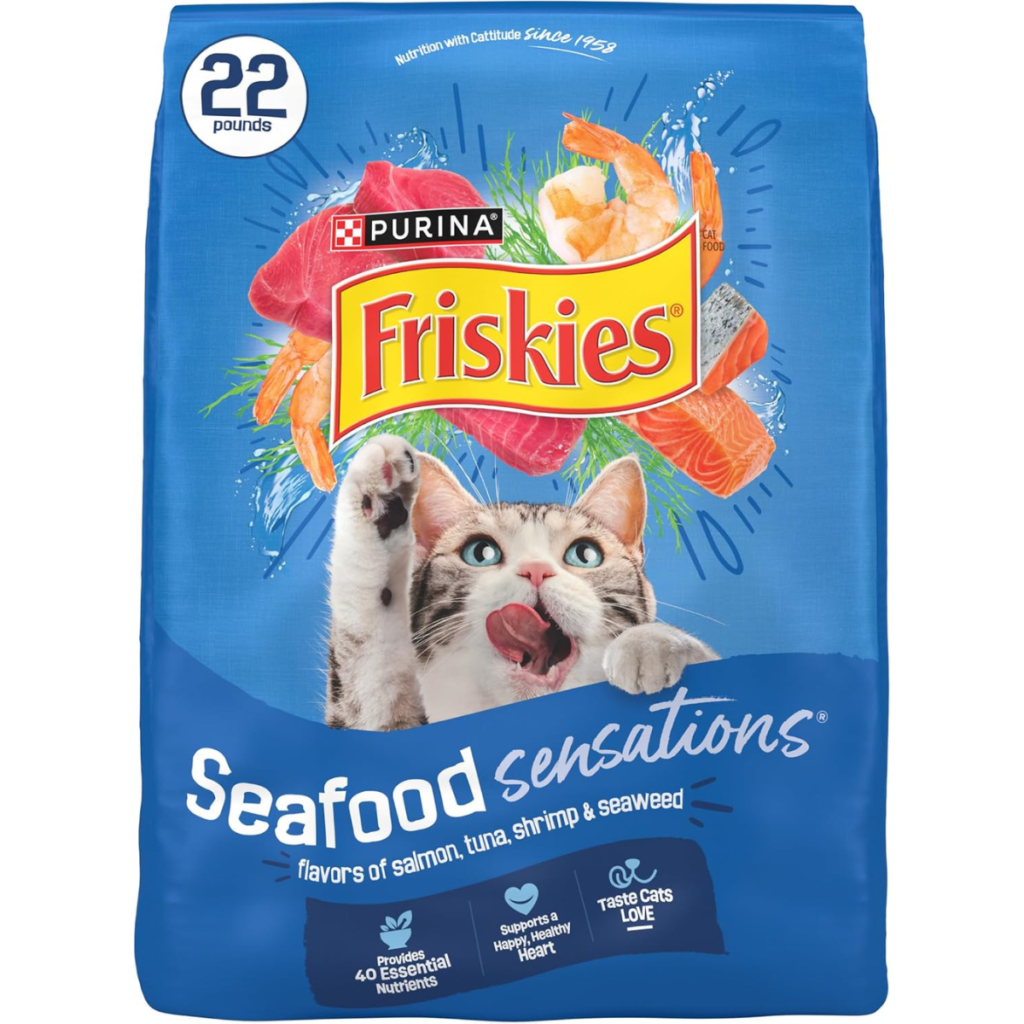
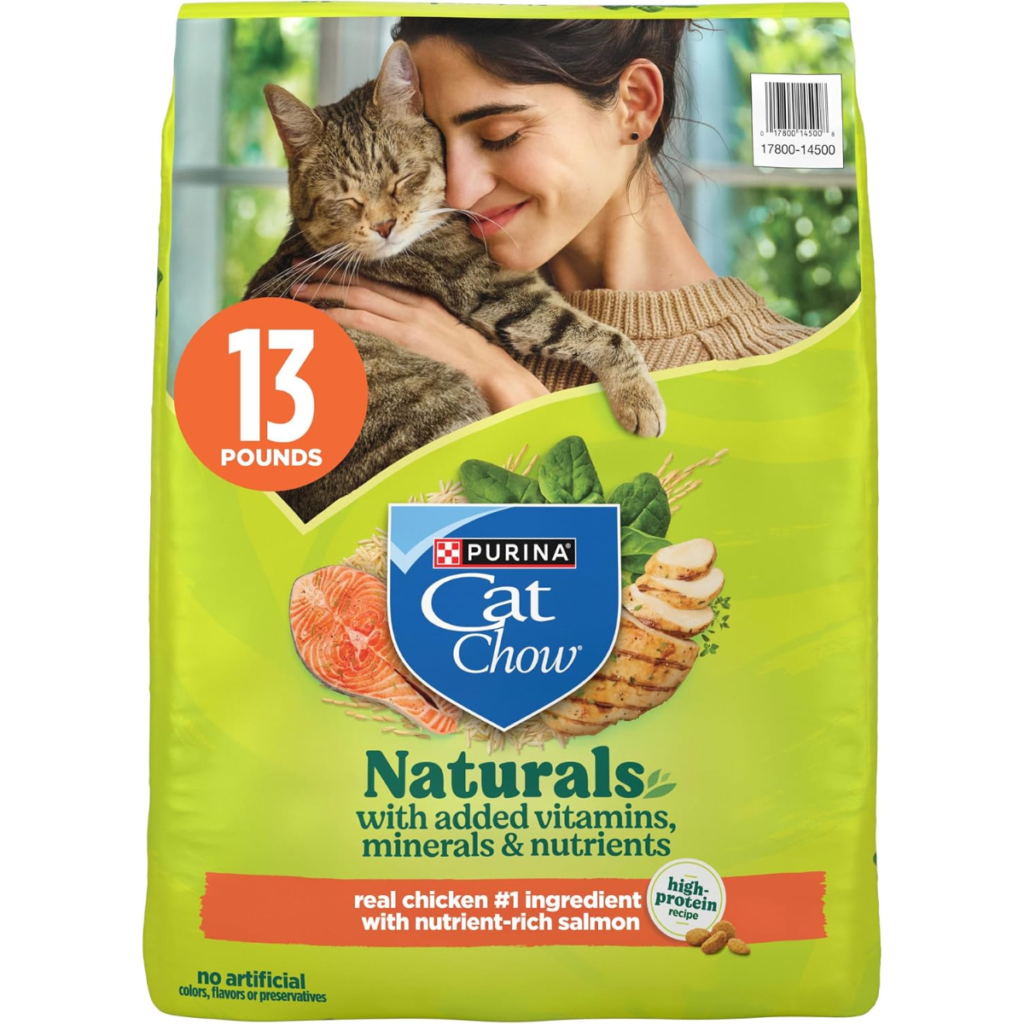
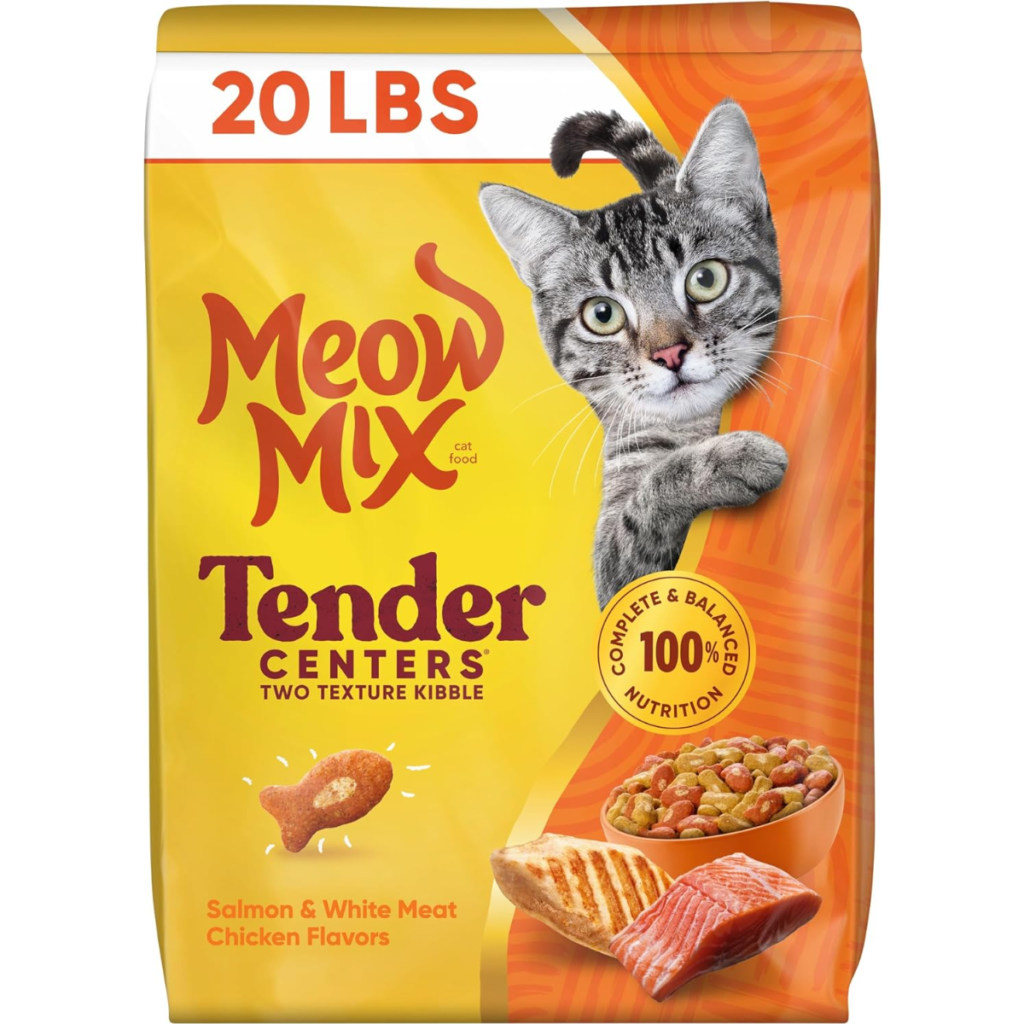
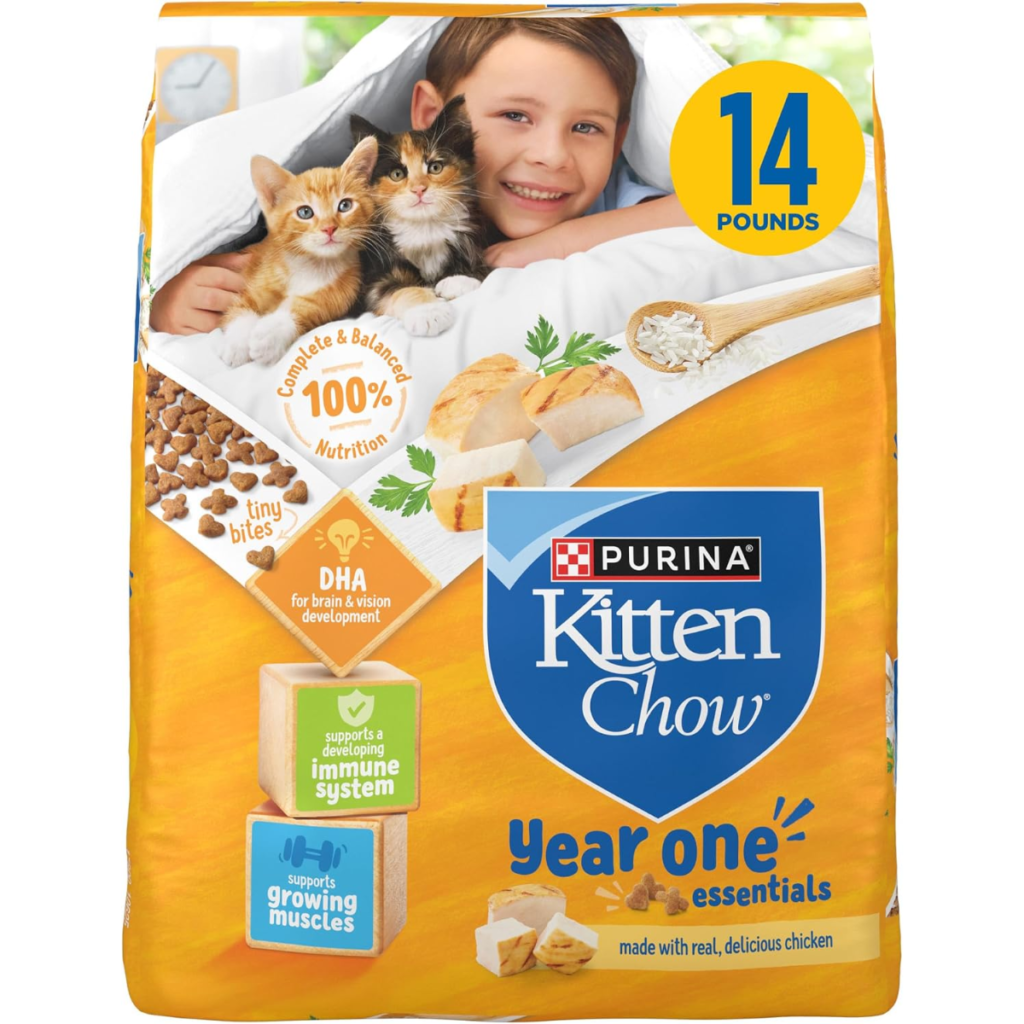
Canned Wet Cat Food
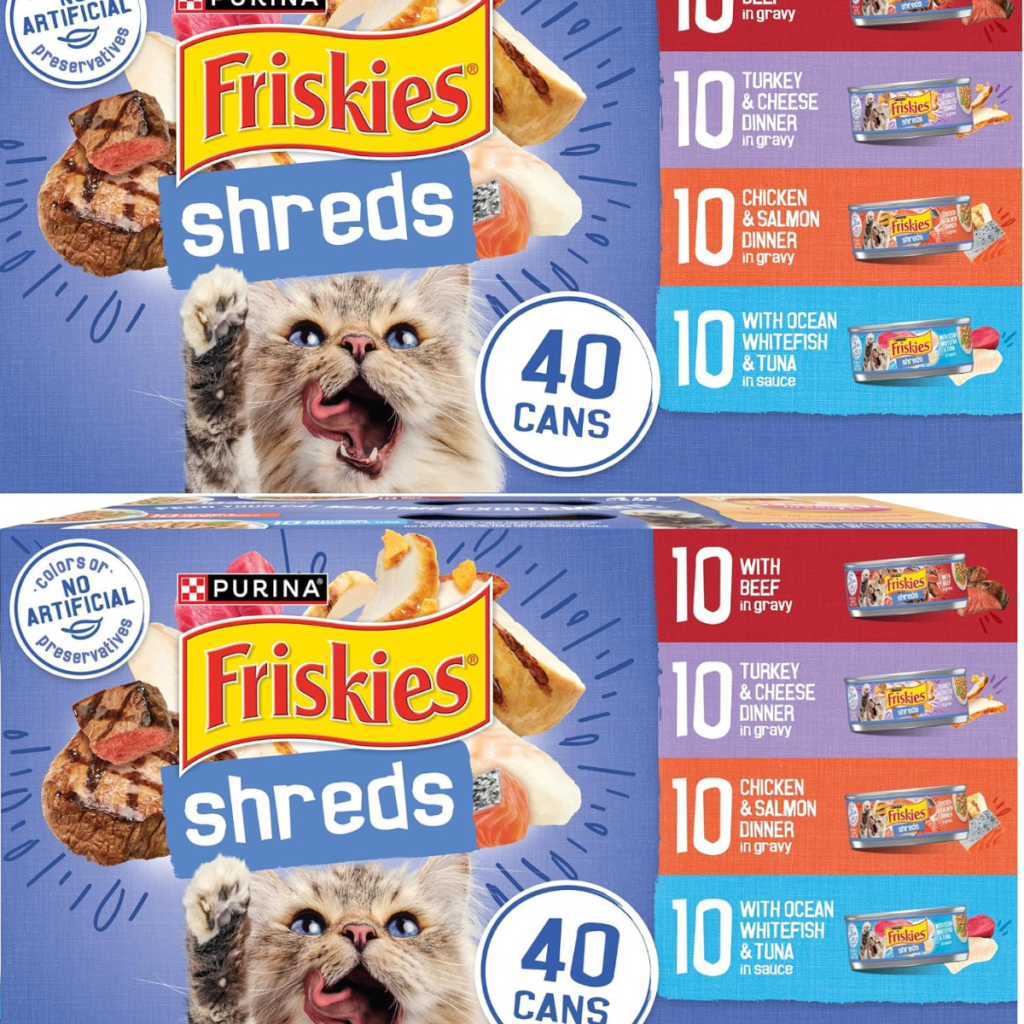

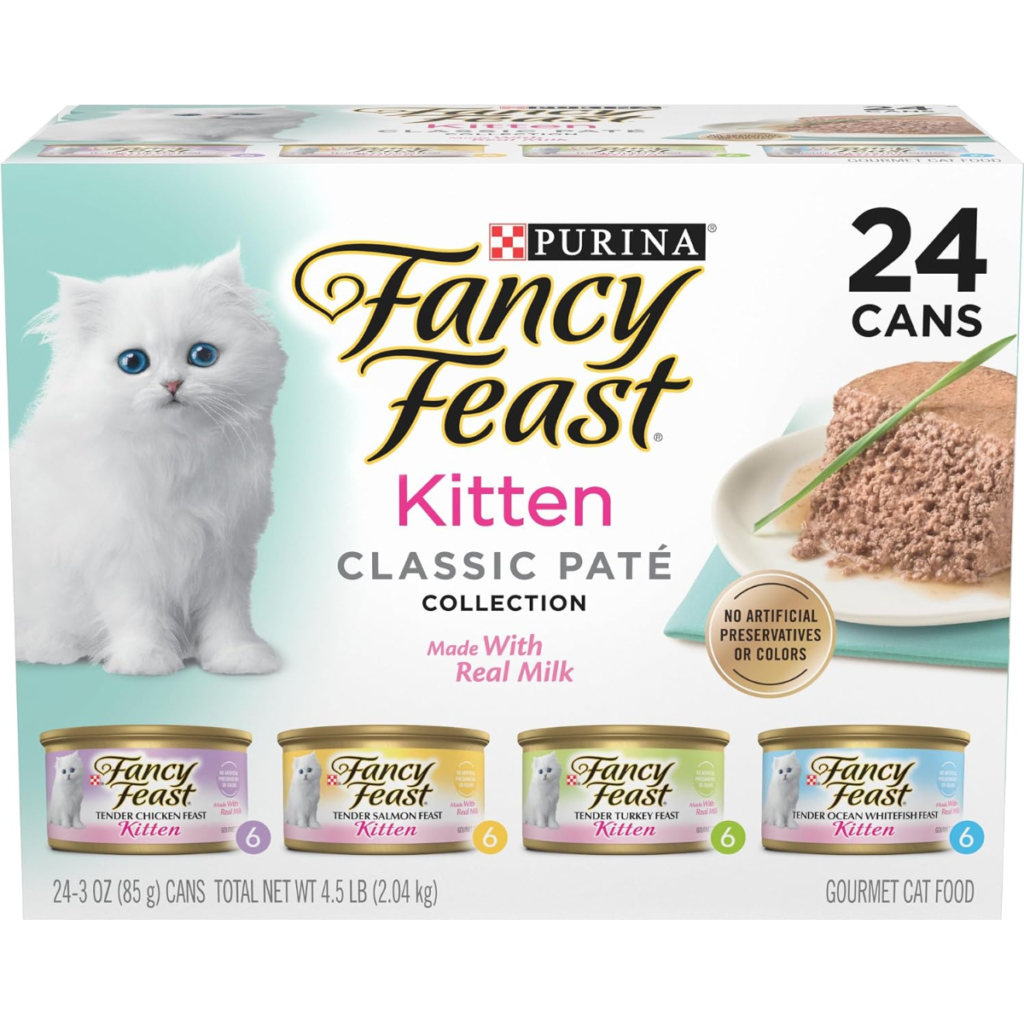
Smalls Fresh Cat Food Recipes
Smalls offers several fresh protein options, allowing cat owners to provide variety while keeping the basic feeding format consistent.
1. Fresh Ground Bird
The Fresh Ground Bird recipe is centered on chicken and chicken liver. It also contains green beans, kale, dandelion greens, cod liver oil, taurine, and a range of vitamins and minerals. Smalls lists approximately 200 calories per 5-ounce portion for this recipe.
Its ground texture may appeal to cats that prefer a softer meal but do not necessarily enjoy a completely smooth pâté.
2. Fresh Smooth Bird
Fresh Smooth Bird uses chicken and is designed around a smoother texture.
The recipe provides moisture along with animal protein and essential nutrients, making it an option for cats that prefer a softer food texture.
3. Fresh Pulled Bird
Fresh Pulled Bird is another chicken-based option with a pulled texture.
According to Smalls’ published ingredient information, this recipe provides approximately 200 calories per 5-ounce package and contains 23% minimum crude protein and 7% minimum crude fat on an as-fed basis.
4. Fresh Other Bird
Turkey is the primary protein in Smalls’ Other Bird recipes.
Fresh Ground Other Bird contains turkey and turkey liver, along with vegetables, taurine, vitamins, minerals, and other nutritional ingredients.
This can be useful for households that want to rotate between poultry proteins.
5. Fresh Smooth Fish
Fresh Smooth Fish combines salmon and cod.
Smalls lists approximately 200 calories per 5.5-ounce package, with salmon, cod, green beans, pumpkin, sunflower oil, cod liver oil, taurine, and other nutritional ingredients.
The fish-based recipe also provides omega fatty acids from its fish ingredients and oils.
6. Fresh Ground Cow
Fresh Ground Cow uses beef and beef liver as its primary animal ingredients and includes green vegetables such as green beans and spinach.
Smalls lists approximately 200 calories per 4.1-ounce package for this recipe.
7. Fresh Smooth Pig
The Smooth Pig recipe uses pork and pork liver as its primary animal ingredients.
The recipe also includes kale, sunflower oil, cod liver oil, taurine, vitamins, and minerals. Smalls lists approximately 200 calories per 5.5-ounce package.
8. Fresh Bird & Fish Dish
This recipe combines chicken, chicken liver, and salmon.
It also includes green beans, kale, sunflower oil, taurine, vitamins, and minerals. Smalls lists approximately 200 calories per 5-ounce package.
Smalls Cat Food High Protein
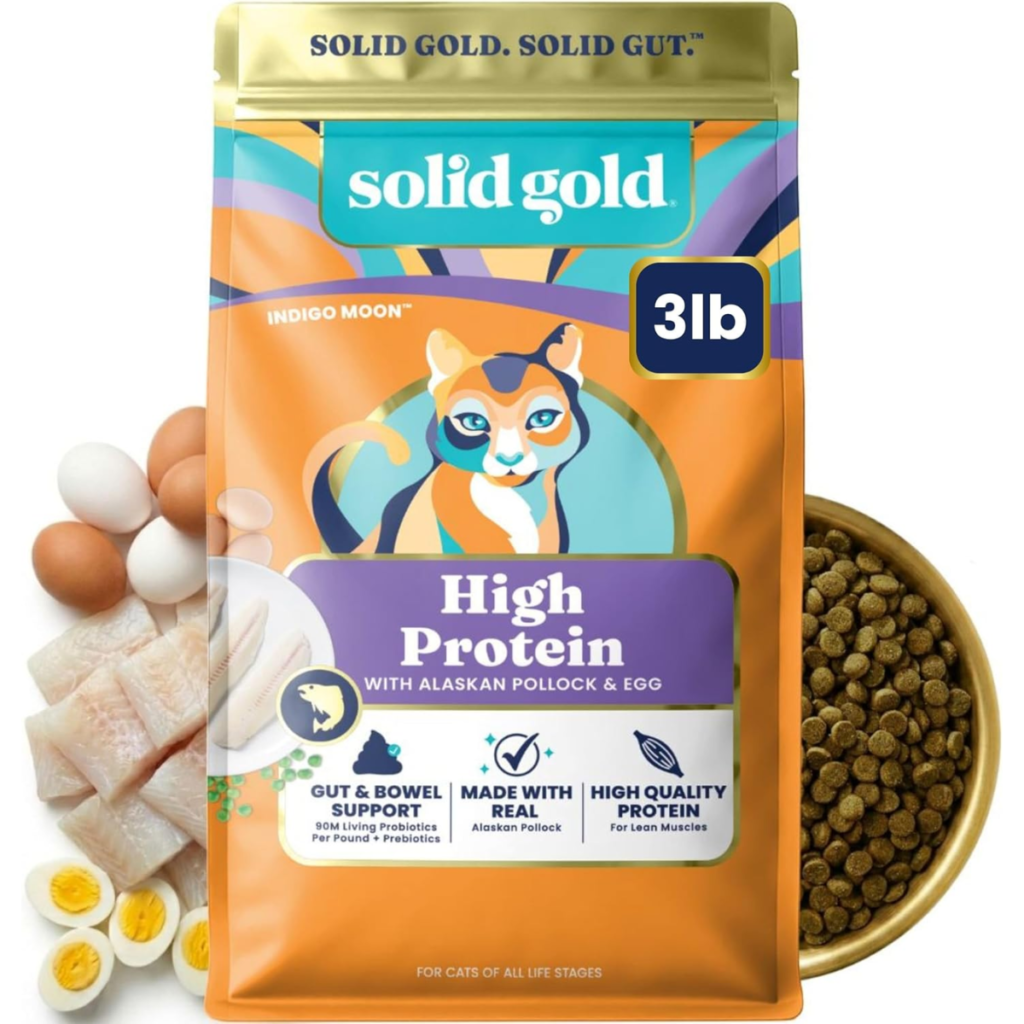
Is Smalls Cat Food High in Moisture?
Yes.
Smalls fresh food contains a high percentage of moisture because it is a fresh, wet-style food.
For example, Smalls lists maximum moisture levels around 70–76% for several of its fresh recipes.
High-moisture foods can be particularly useful for cats because cats naturally have a relatively low thirst drive compared with many other animals.
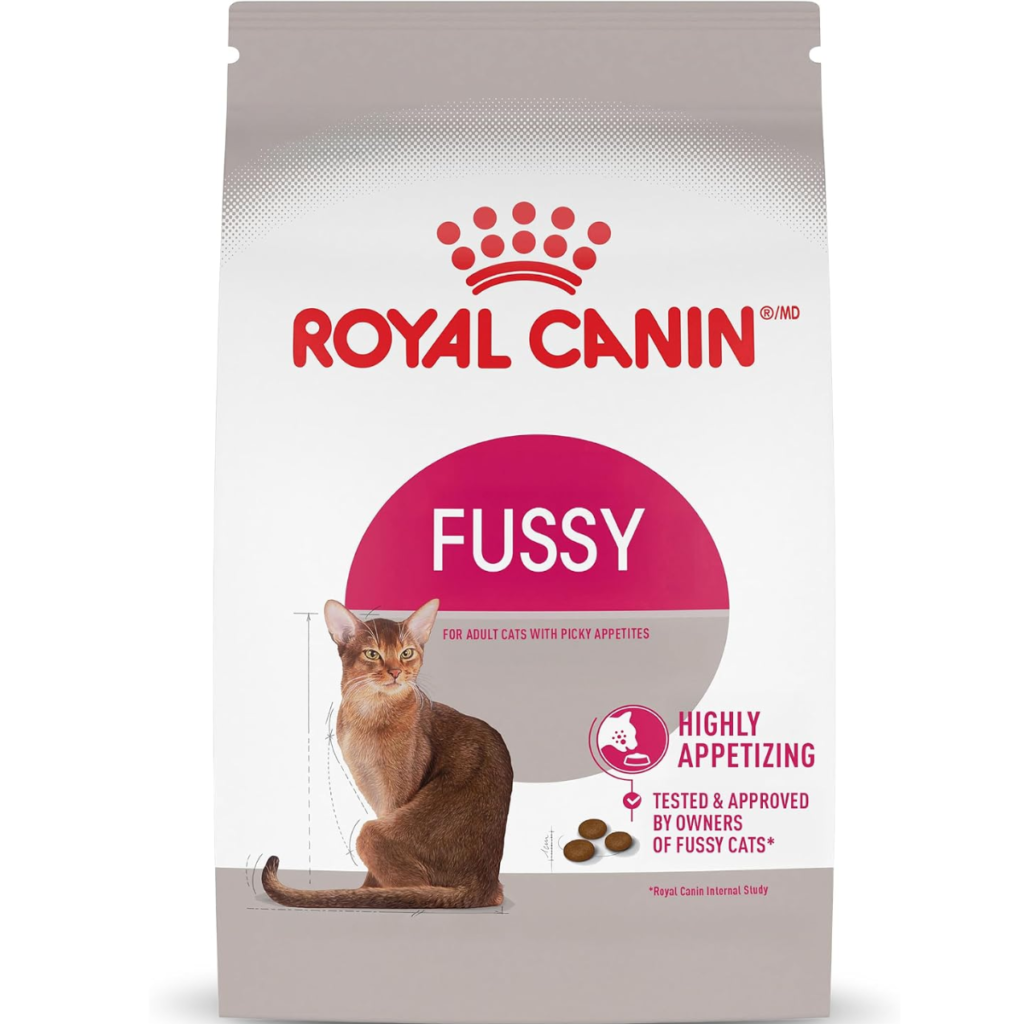
Smalls Cat Food for Picky Eaters

Smalls Cat Food for Kittens


Smalls Cat Food for Senior Cats


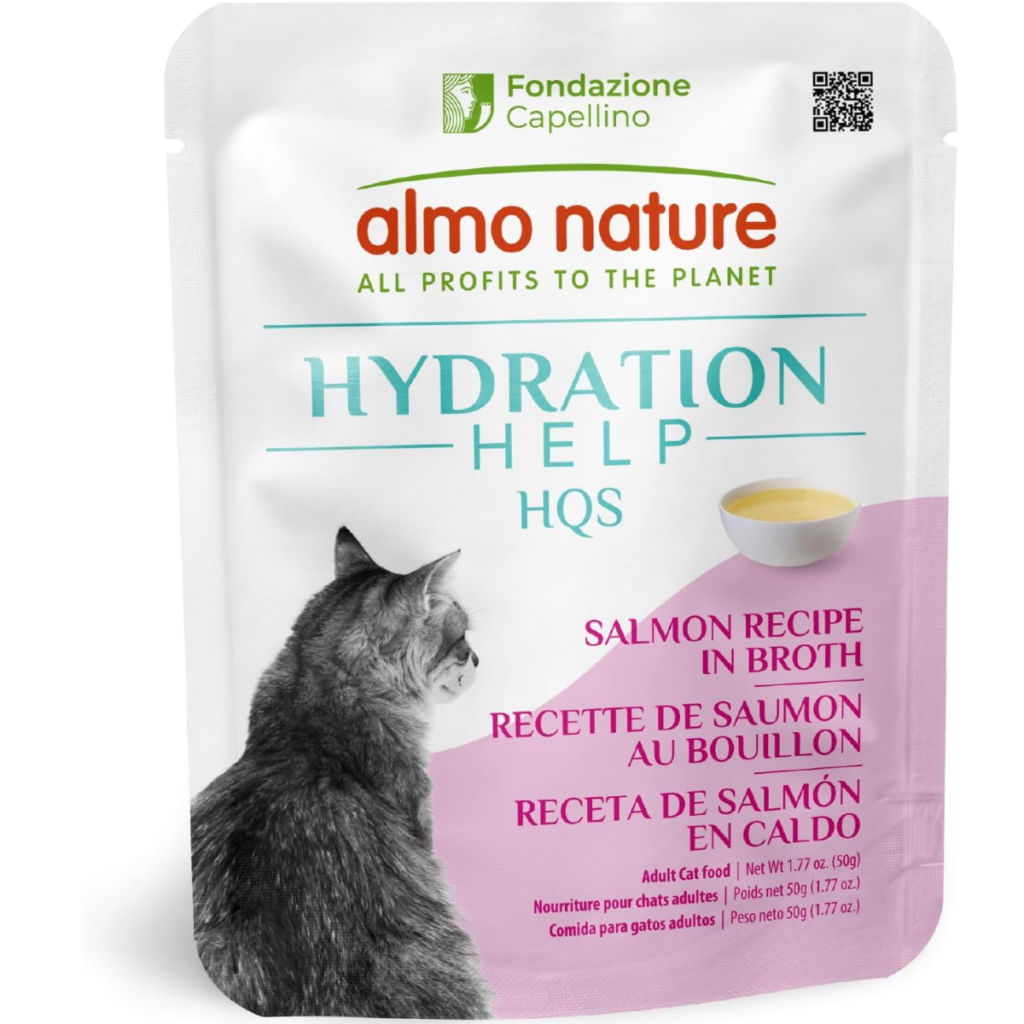
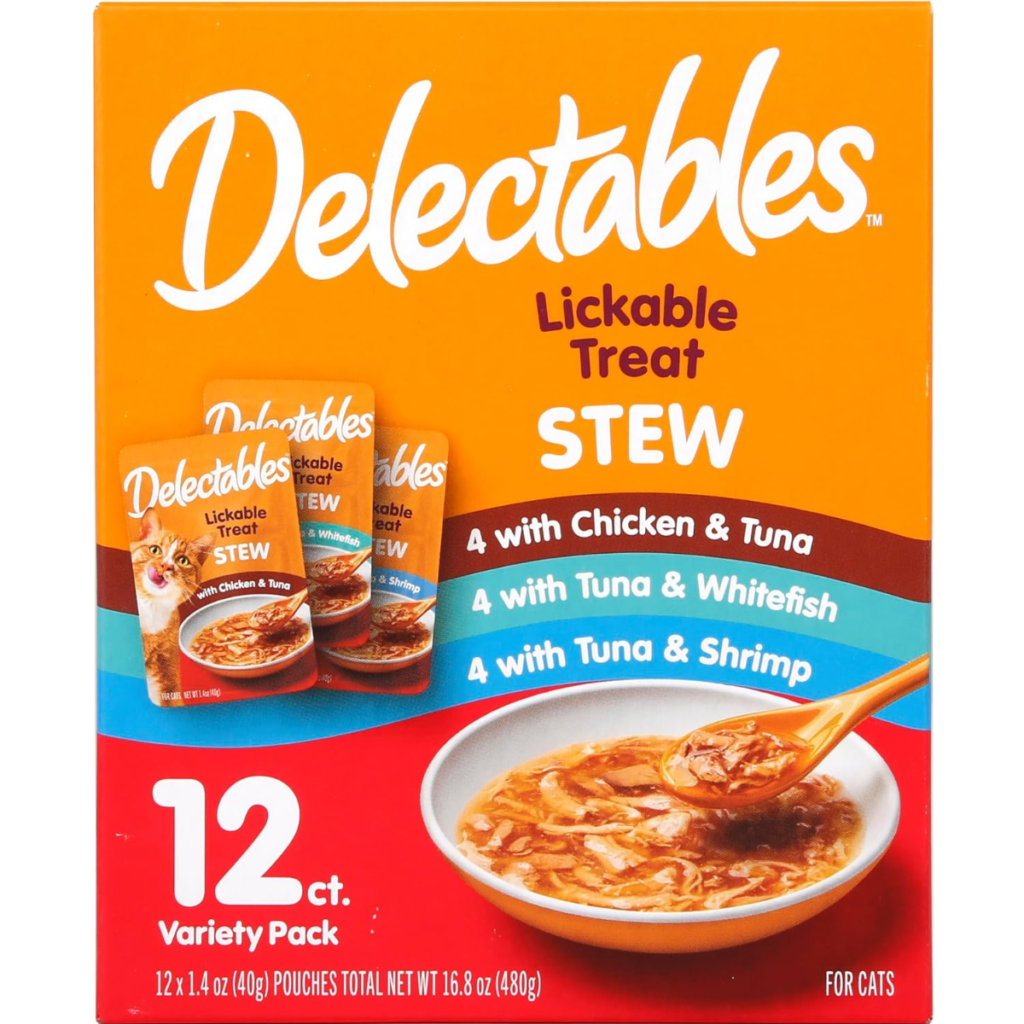
Smalls Cat Food and Hydration


How to Transition Your Cat to Smalls
Do not assume your cat will immediately accept a completely new diet.
Smalls recommends beginning with a familiar protein and introducing a small amount of Smalls alongside the cat’s existing food. The company also suggests introducing new recipes one at a time.
A gradual transition can be:
Days 1–2
Offer a small amount of Smalls alongside the current food.
Days 3–4
Increase the Smalls portion if your cat is eating normally.
Following days
Continue gradually increasing Smalls while decreasing the previous food.
Smalls currently recommends reducing the old food gradually over approximately 3–4 days once the cat is consistently eating the new recipe, although individual cats may require more time.
How Long Does Smalls Cat Food Last?
Smalls fresh food is perishable, so storage is an important consideration.
According to Smalls’ current guidance:
- Freezer: approximately 12–18 months depending on the protein
- Refrigerator after thawing: up to 5 days
- Recommended thawing: in the refrigerator at or below 40°F
- Freeze-dried food: pantry storage until the package best-by date
Smalls specifically recommends keeping fresh packets frozen until they are ready to be served.
Smalls Cat Food Pros
High animal-protein focus
Smalls says its fresh recipes contain at least 80% animal protein, with recipes built around proteins such as chicken, turkey, beef, pork, salmon, and cod.
High moisture
Fresh recipes provide substantially more moisture than dry kibble.
Multiple textures
Ground, smooth, and pulled options give owners more flexibility when dealing with texture-sensitive cats.
Multiple protein options
The variety of animal proteins can make it easier to rotate flavors or find a recipe a particular cat enjoys.
Fresh delivery
Food is delivered directly to the customer’s home and frozen to maintain freshness.
No artificial preservatives in fresh food
Smalls says its fresh recipes contain no artificial flavors or preservatives.
Complete and balanced nutrition
Smalls states that its fresh recipes are complete and balanced for every life stage.
Smalls Cat Food Cons
Higher price
Fresh food costs more than many conventional cat food options.
Requires freezer space
A subscription shipment can require significant freezer capacity.
More preparation
Unlike kibble, fresh food needs to be thawed before serving.
Perishable after thawing
Once thawed, the food has a limited refrigerated shelf life.
Subscription model
Smalls is primarily structured around recurring orders rather than traditional one-off grocery-store purchasing. Cats.com’s 2026 review notes that customers can modify or cancel their subscription, but the ordering process differs from buying standard pet food from a retailer.
Individual cats may still reject it
Even premium ingredients cannot guarantee that every cat will enjoy a particular recipe.
Frequently Asked Questions
Smalls fresh food is formulated as complete and balanced food according to the company, with high animal-protein and substantial moisture. The suitability of a particular recipe depends on the individual cat's life stage, health, calorie needs, and preferences.
Smalls describes the meat used in its fresh meals as human-grade and says its fresh food is produced in USDA-certified facilities.
The term "human-grade" should not be used as a substitute for evaluating nutritional adequacy. AAFCO's nutritional adequacy statement remains an important part of evaluating complete cat food.
Smalls' main fresh-food lineup is not conventional dry kibble. The company also offers freeze-dried Puffs for cats that prefer a dry-food-like texture.
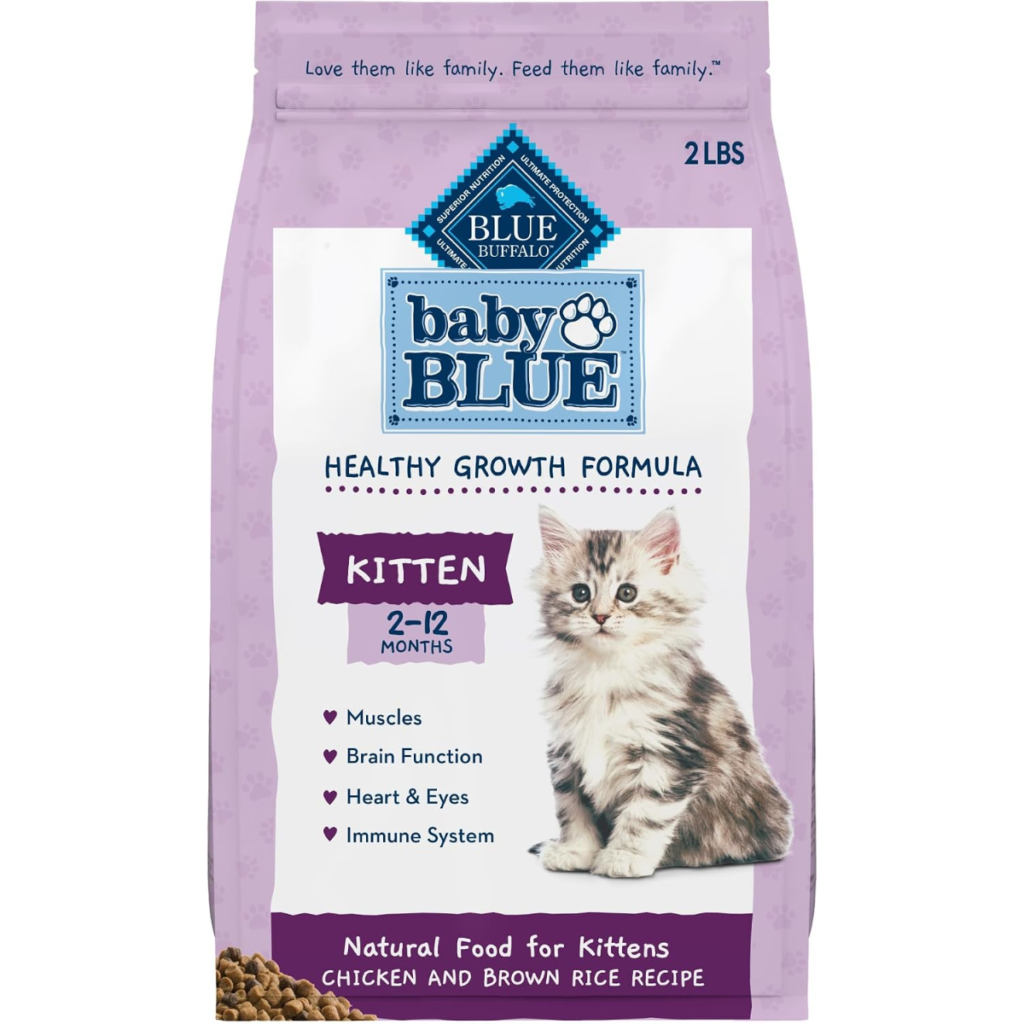
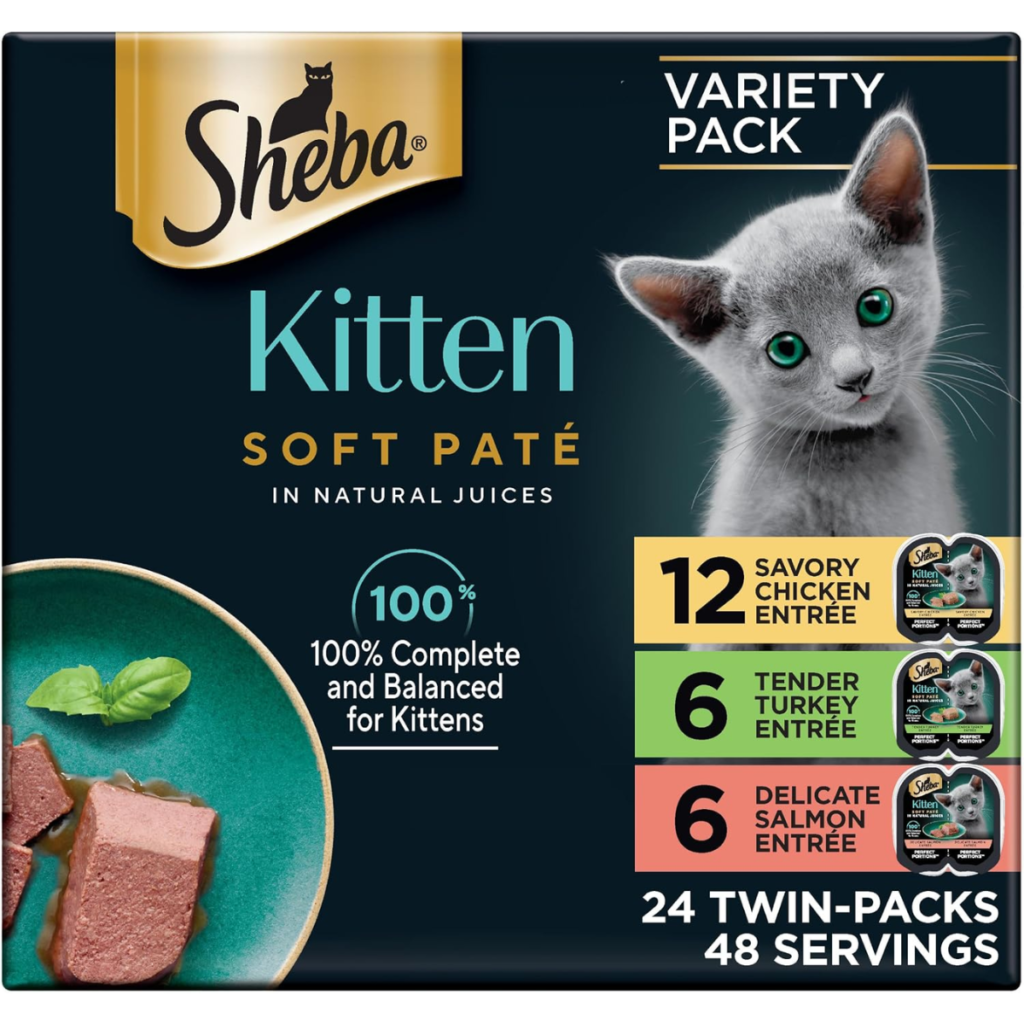
Smalls states that its fresh food is complete and balanced for every life stage. However, kitten owners should verify the current nutritional adequacy statement on the specific product and discuss special nutritional needs with their veterinarian.
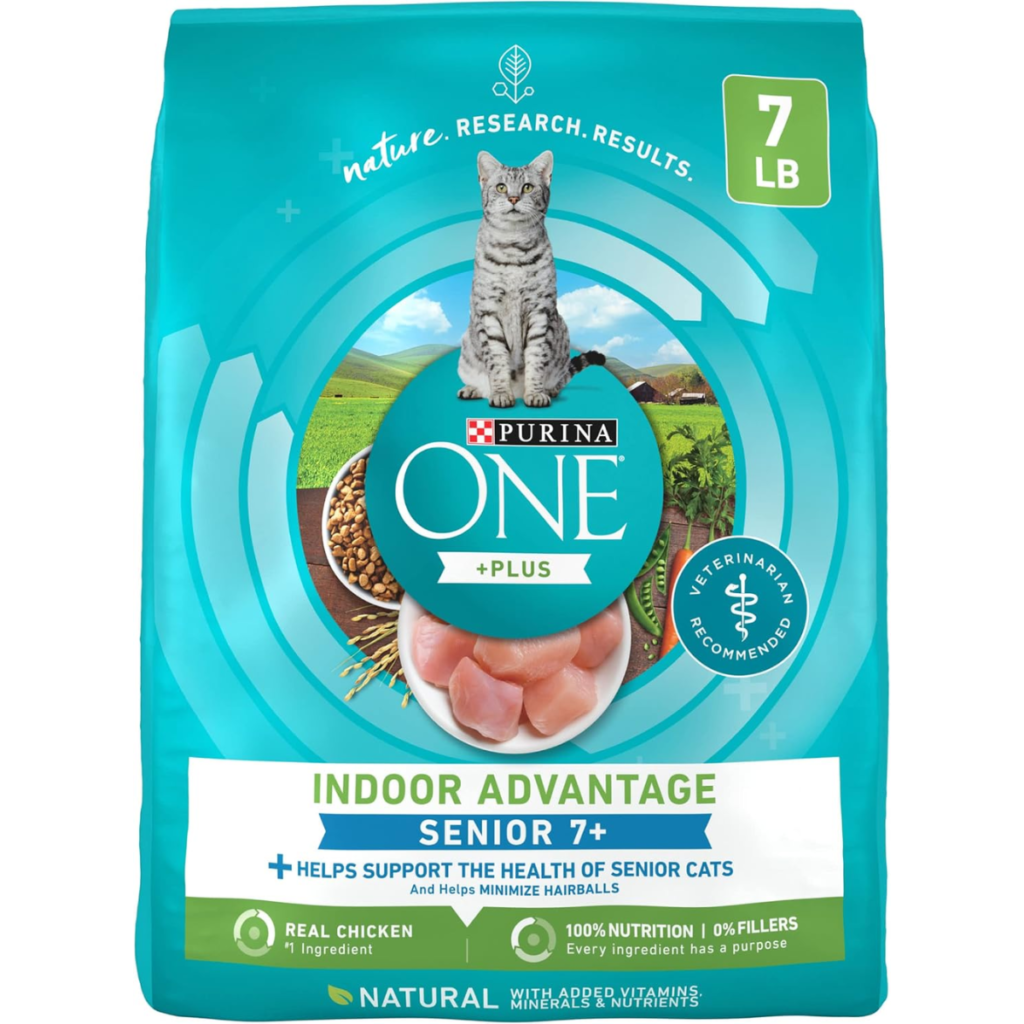
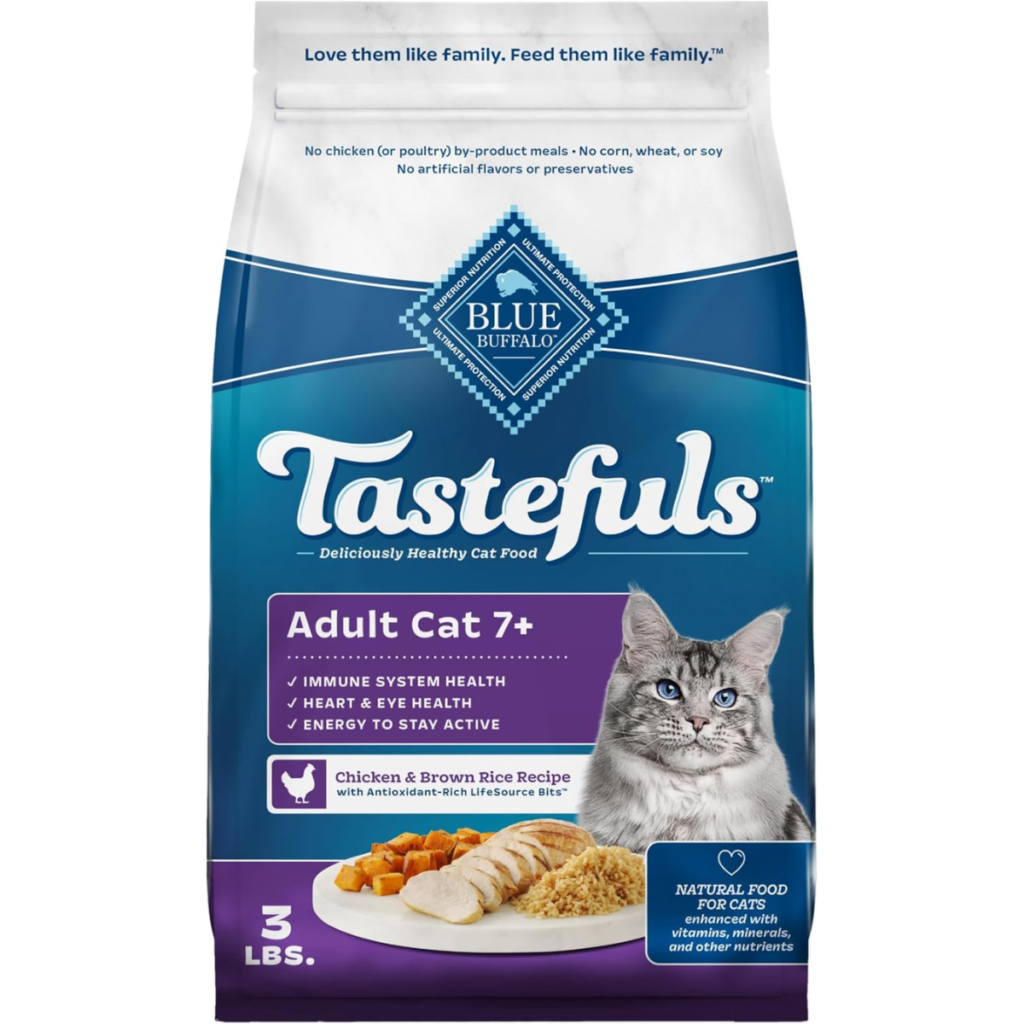
Some senior cats may enjoy the soft texture and high moisture of fresh food. However, senior cats with kidney, thyroid, urinary, digestive, or other medical conditions may need a specific veterinary diet.
Start with your cat rather than choosing a recipe simply because its ingredient list sounds appealing.
Consider:
Age: Choose food appropriate for your cat's life stage.
Protein preference: Chicken, turkey, fish, beef, and pork provide different flavor profiles.
Texture: Some cats prefer smooth food, while others prefer ground or pulled textures.
Calorie needs: Feeding amounts should be based on your cat's size, age, activity, body condition, and other factors.
Medical needs: Cats with diagnosed conditions may need veterinary nutritional guidance.
Budget: Calculate the estimated daily and monthly cost before committing to a fresh-food subscription.
Storage: Make sure your freezer has enough room for your shipment.
Acceptance: Start slowly and give your cat time to become familiar with the new food.
Smalls has built its reputation around a simple idea: provide cats with fresh, meat-focused food rather than relying entirely on conventional shelf-stable formats.
Its current fresh-food lineup emphasizes animal proteins such as chicken, turkey, beef, pork, salmon, and cod, while recipes include vitamins, minerals, taurine, oils, and other nutrients needed to create complete meals. Smalls says its fresh foods are complete and balanced for every life stage and made in U.S. USDA-certified facilities.
The biggest advantages are the high moisture, animal-protein emphasis, recipe variety, and convenient delivery. The biggest considerations are price, freezer space, thawing, refrigeration, and subscription management.
Ultimately, the best cat food is not necessarily the most expensive or trendiest option. It should provide appropriate nutrition, fit your cat’s life stage and health requirements, and be something your cat will reliably eat.