
Dog Food for Picky Eaters
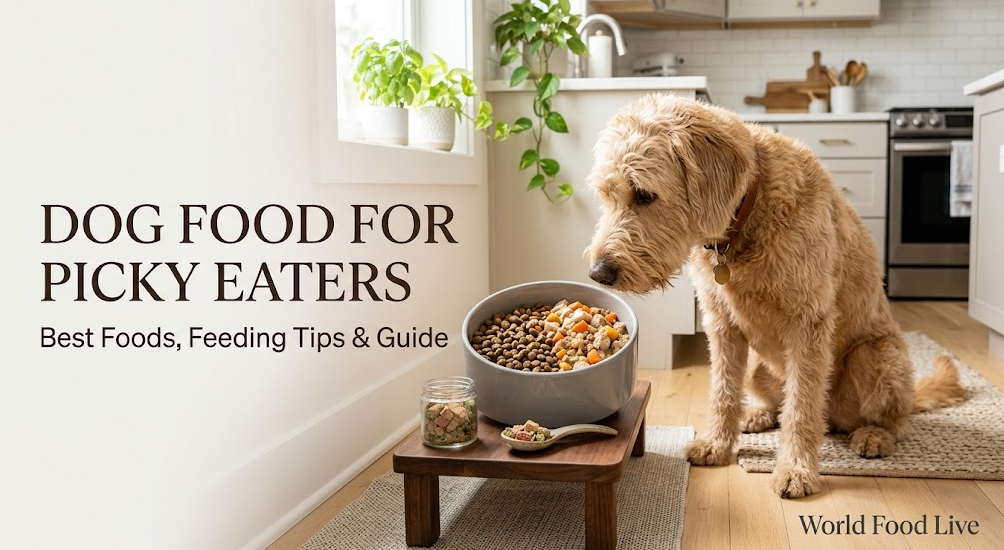
Dog Food for a Picky Eater can be frustrating. You may put a fresh bowl down only to watch your dog sniff it, walk away, and wait for something better. Some dogs prefer wet food, while others respond to fresh meals, stronger aromas, different textures, or a small amount of food topper mixed with their regular diet.
The important thing is that picky eating is not always simply a matter of taste. A sudden change in appetite can sometimes be related to dental problems, digestive discomfort, stress, illness, or another health issue. Veterinary guidance recommends considering medical causes before assuming that a dog is simply being fussy.
In this guide, we explain how to choose dog food for picky eaters, which food types may be more appealing, how to use toppers, how to transition foods, and what to do when your dog refuses to eat.
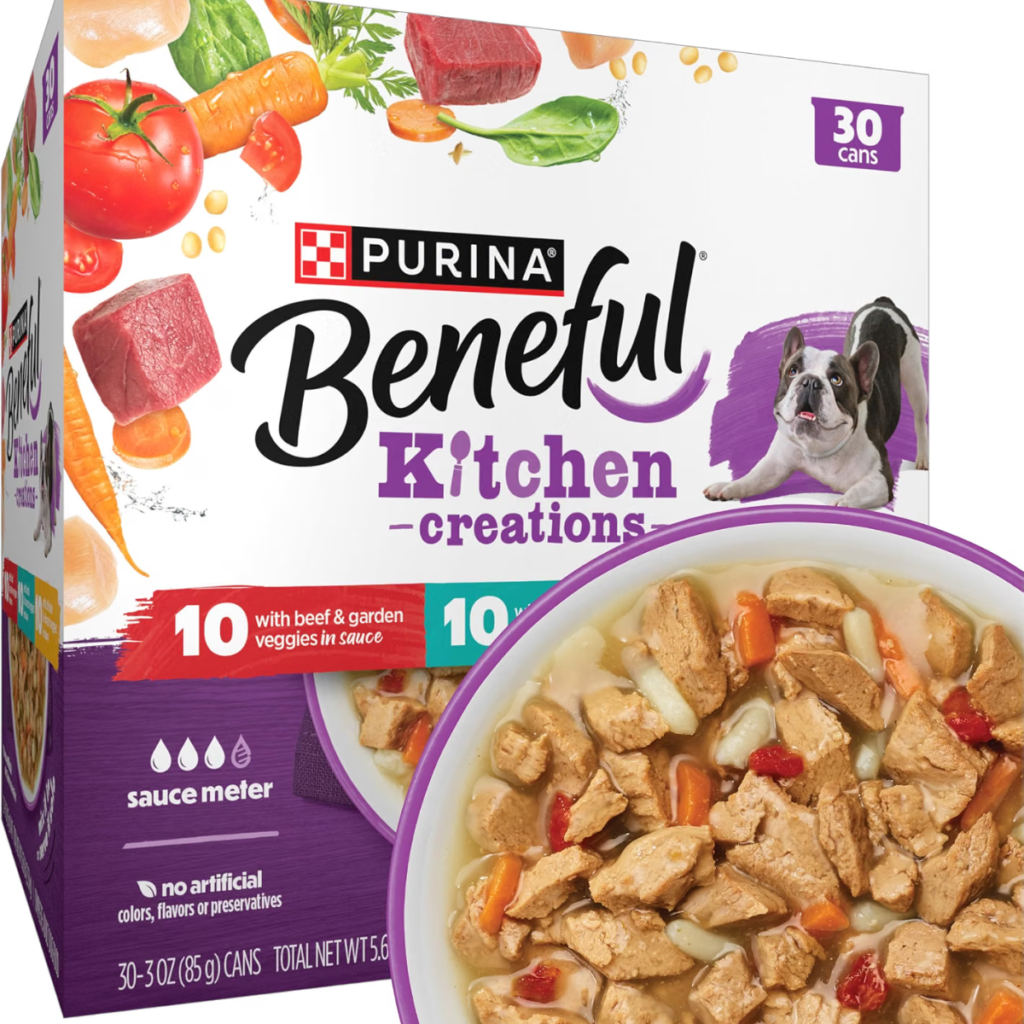
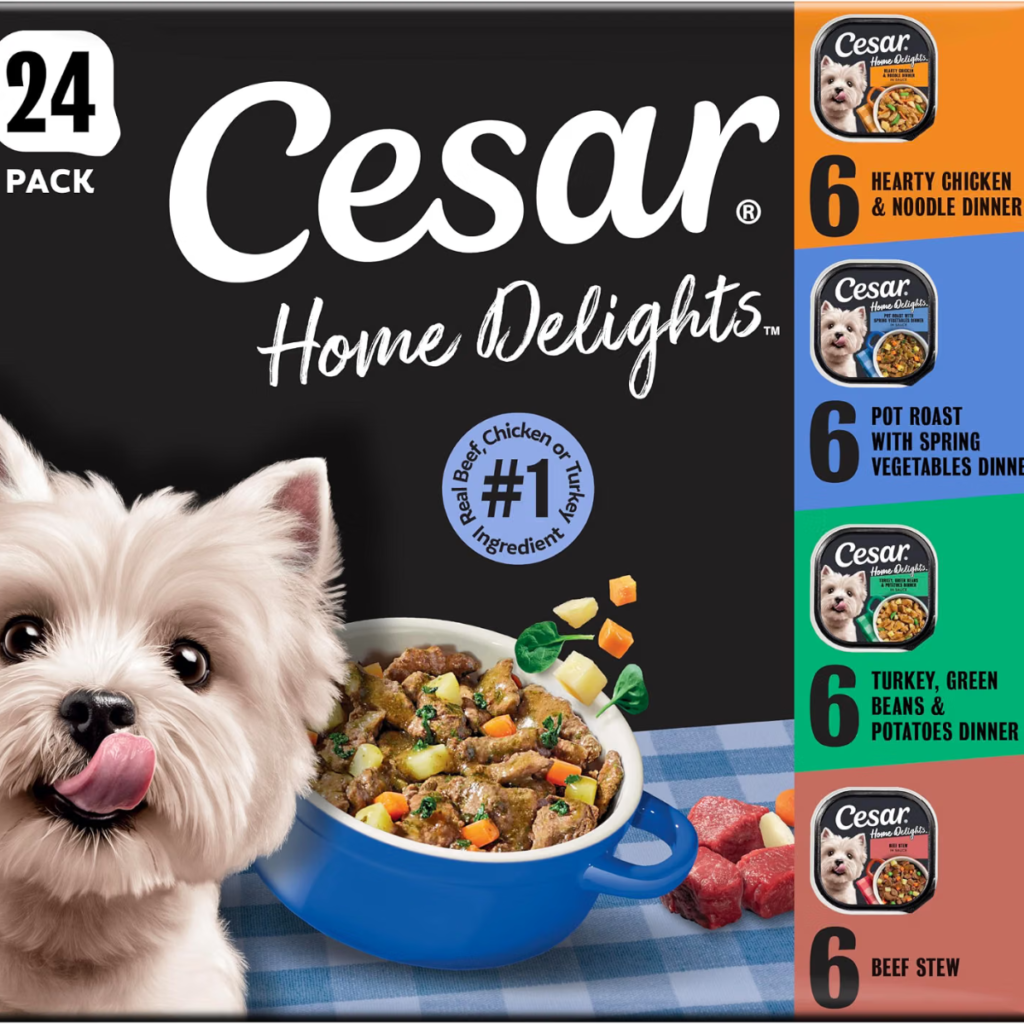
Best Wet Dog Food for Picky Eaters
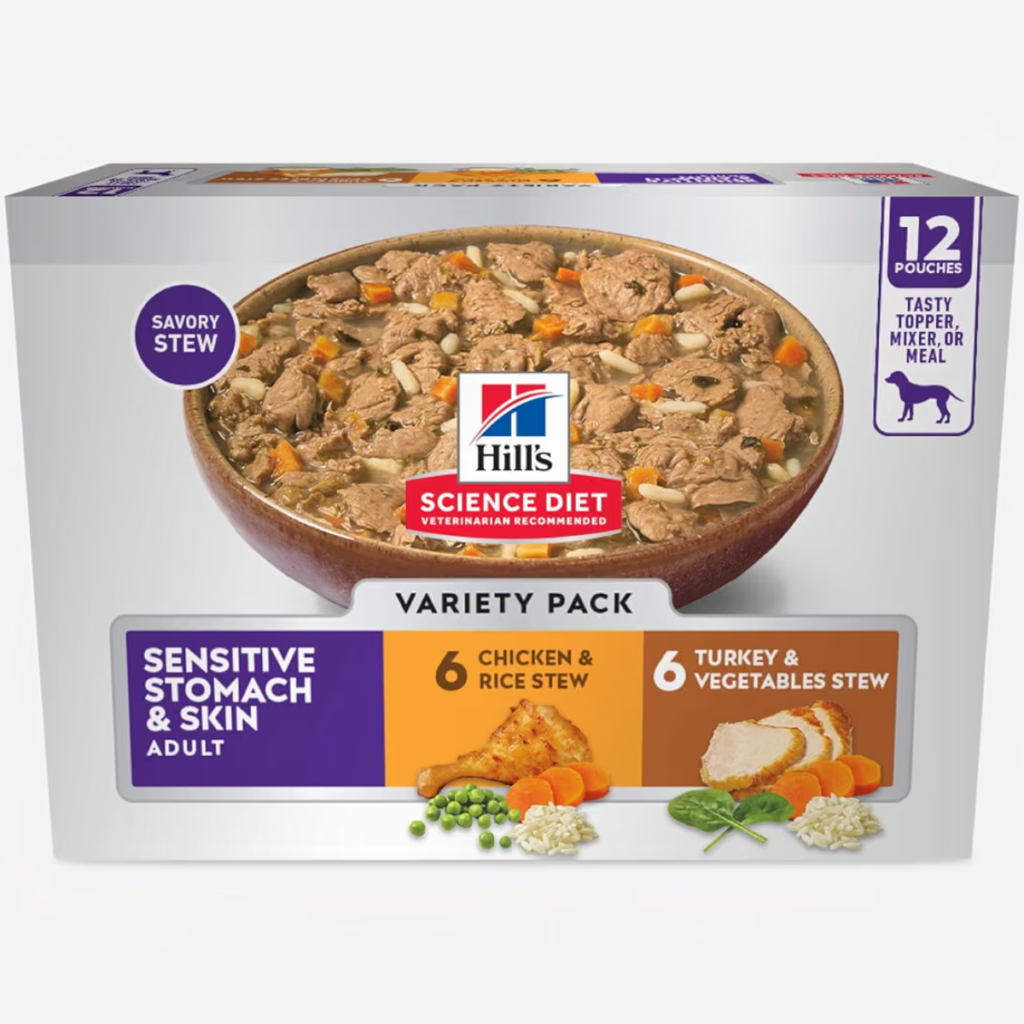
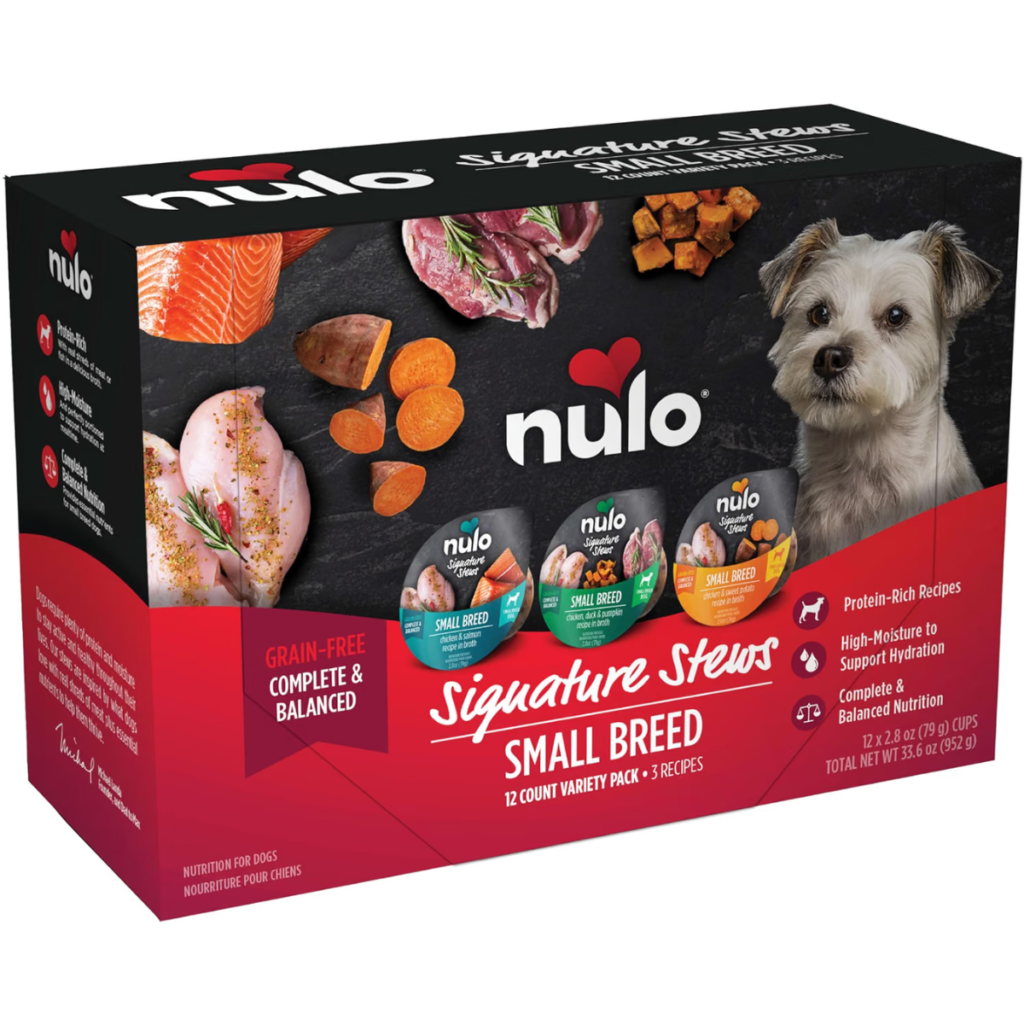
Why Is My Dog a Picky Eater?

Dogs can become selective about food for many different reasons. Some have always been particular about what they eat, while others suddenly become reluctant to finish meals.
Common reasons include:
1. Your Dog Has Learned to Wait for Something Better
Dogs can quickly learn that refusing their regular meal sometimes results in treats, table scraps, hand-fed chicken, or another favorite food.
2. The Food Is Not Very Appealing
Dogs experience food differently from people. Aroma, flavor, moisture and texture all influence palatability.
Veterinary nutrition guidance notes that food texture and moisture can affect how appealing a diet is, and dogs may have individual preferences for particular foods.
3. Too Many Treats
If your dog receives several treats throughout the day, those calories can reduce hunger at regular mealtimes.
4. Free-Feeding
Leaving food available all day may work for some dogs, but it can make meals less structured for others.
5. Food Texture
Some dogs strongly prefer soft food, while others enjoy crunchy kibble.
6. Dental or Other Health Problems
Dental disease can make eating uncomfortable, and some problems occur below the gumline where owners cannot easily see them. VCA specifically recommends considering medical causes before labeling a dog as simply picky.
Best Fresh Dog Food for Picky Eaters

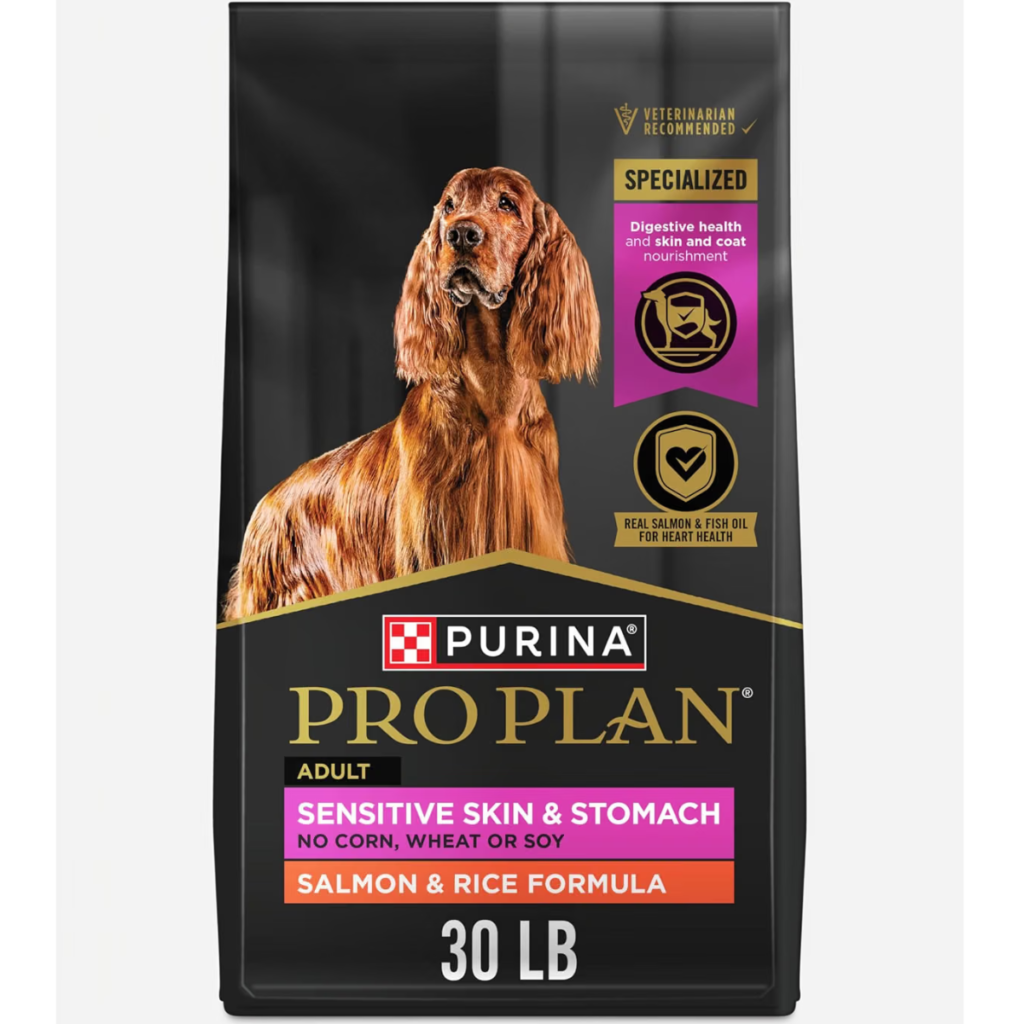

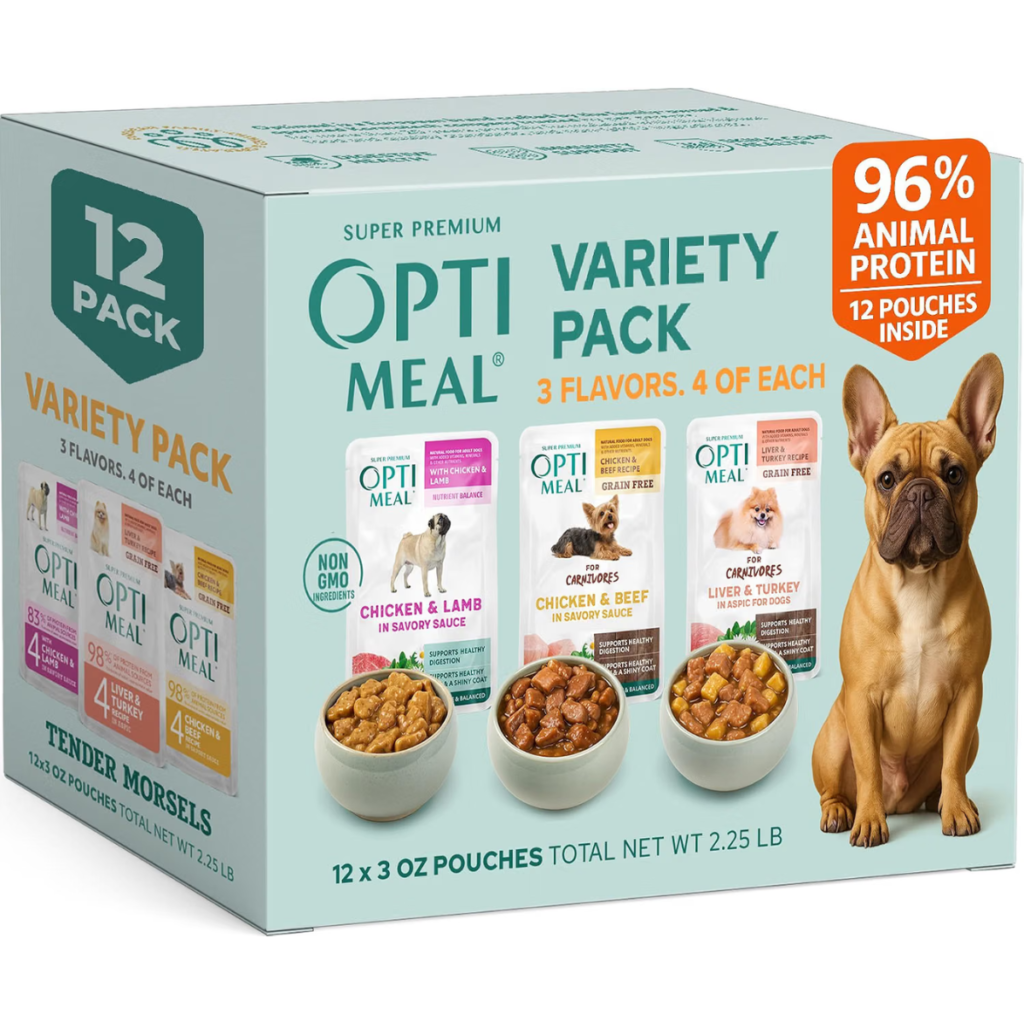
When Should You Worry About a Picky Dog?
This is one of the most important parts of dealing with a fussy eater.
Contact your veterinarian if your dog’s appetite changes significantly, particularly when the change is accompanied by symptoms such as:
- Vomiting
- Diarrhea
- Lethargy
- Weight loss
- Pain
- Excessive drooling
- Difficulty chewing
- Difficulty swallowing
- Changes in drinking or urination
- A sudden refusal to eat
- Other unusual behavior
Puppies, senior dogs, and dogs with known medical conditions may require more prompt veterinary attention.
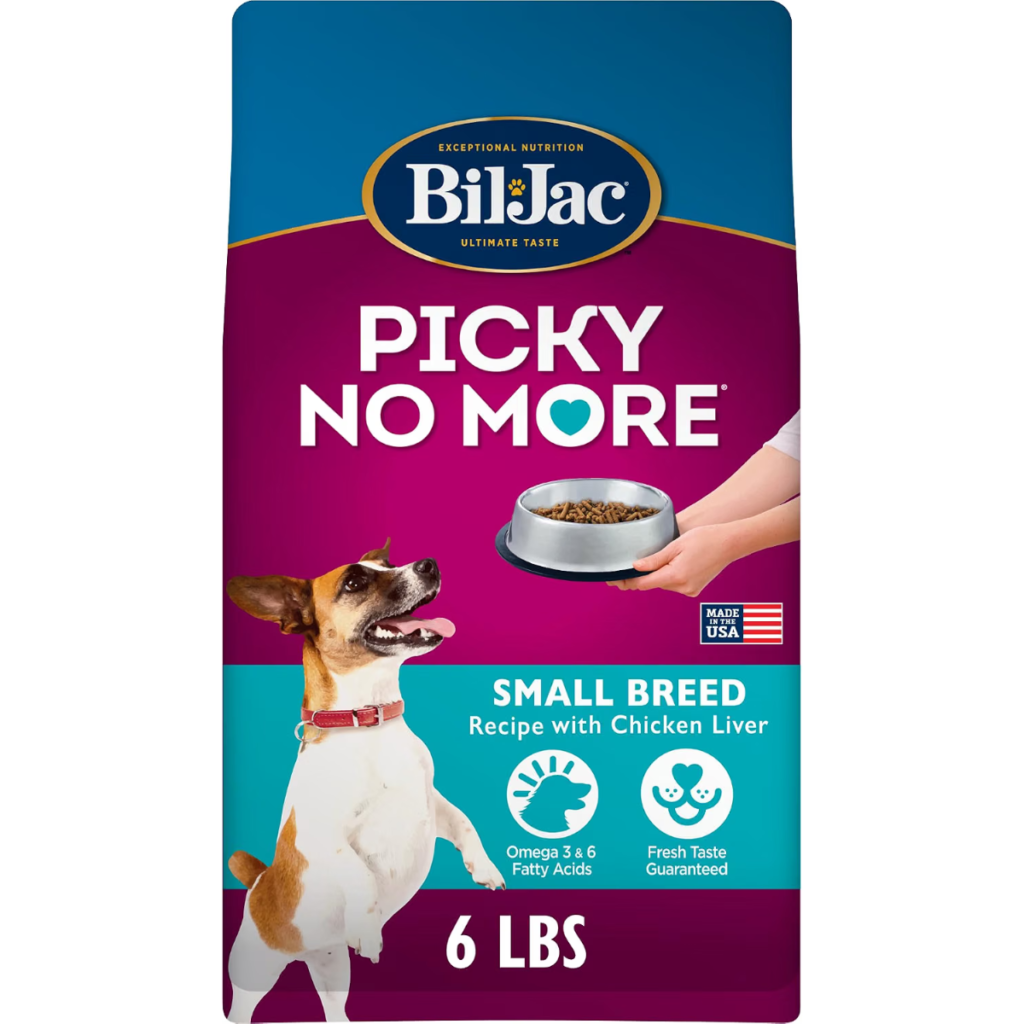
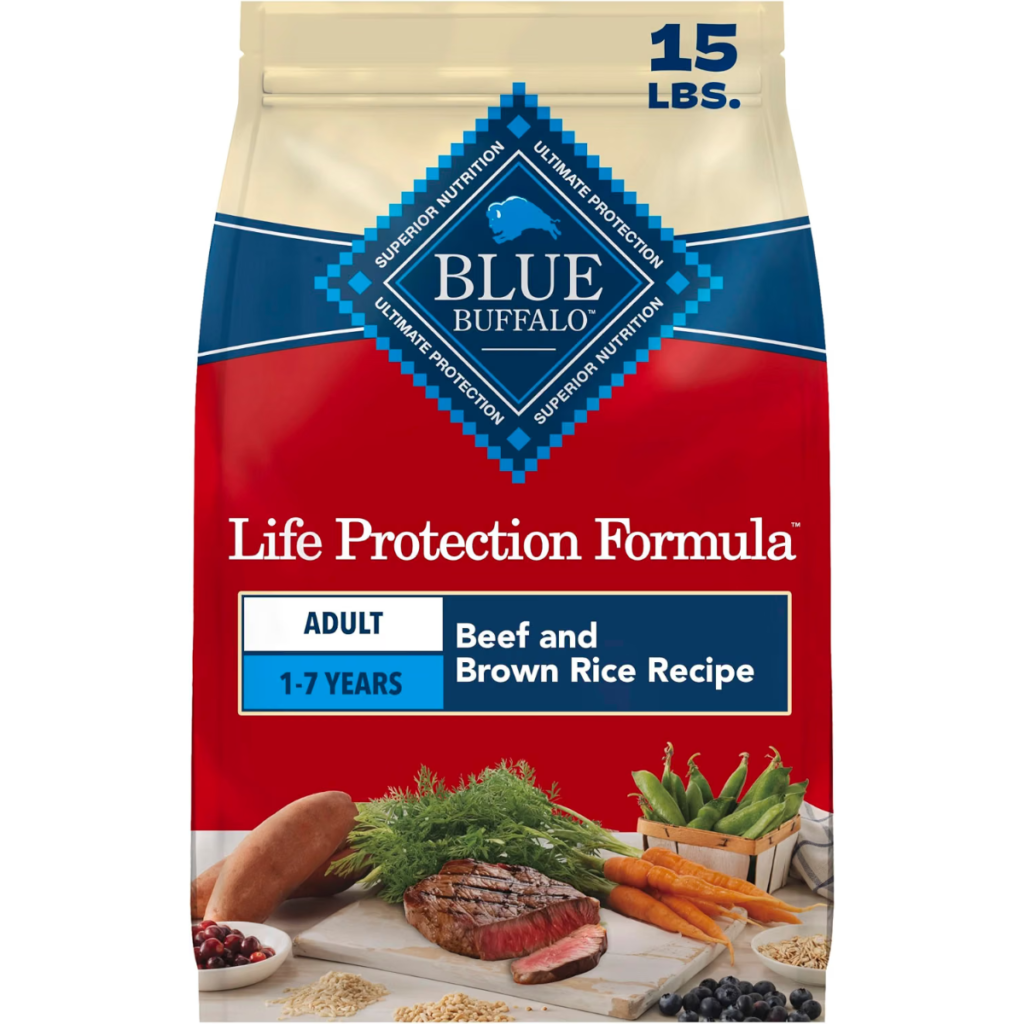
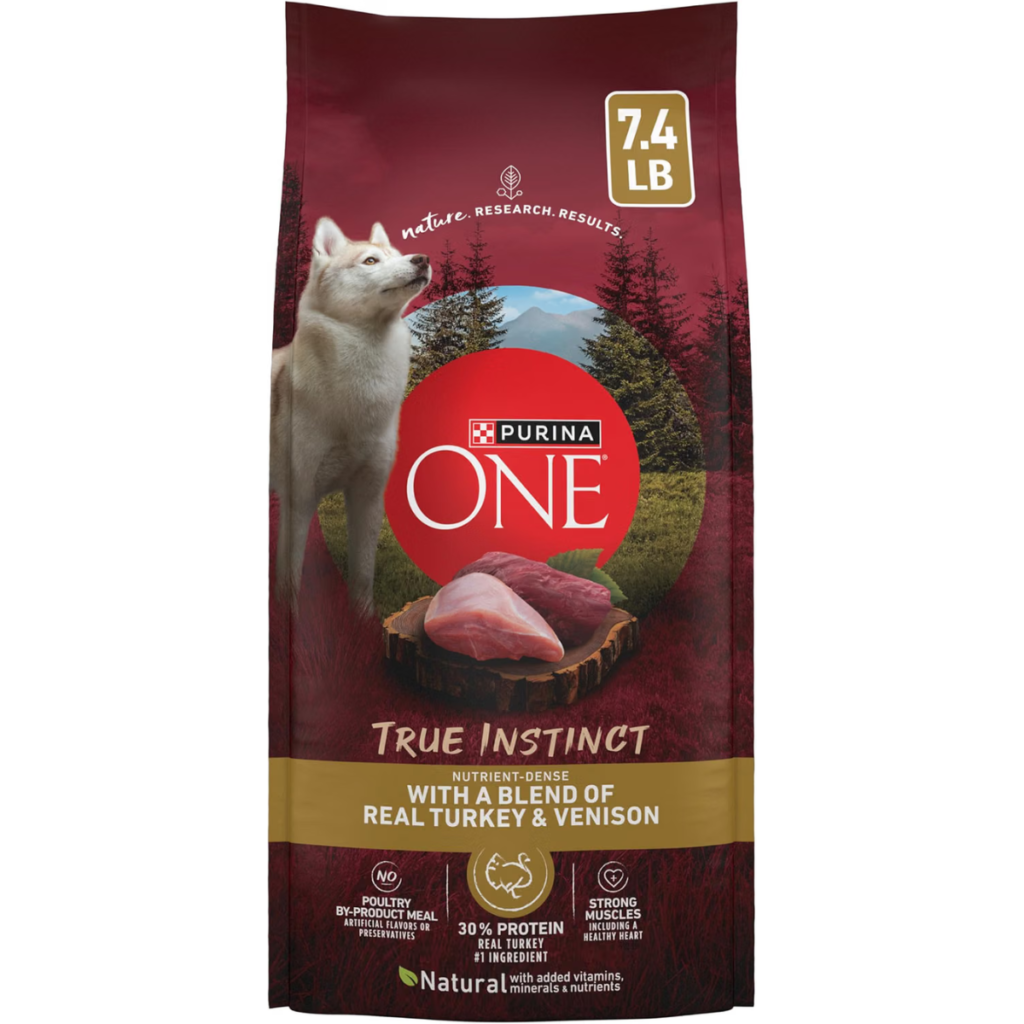
Best Dry Dog Food for Picky Eaters

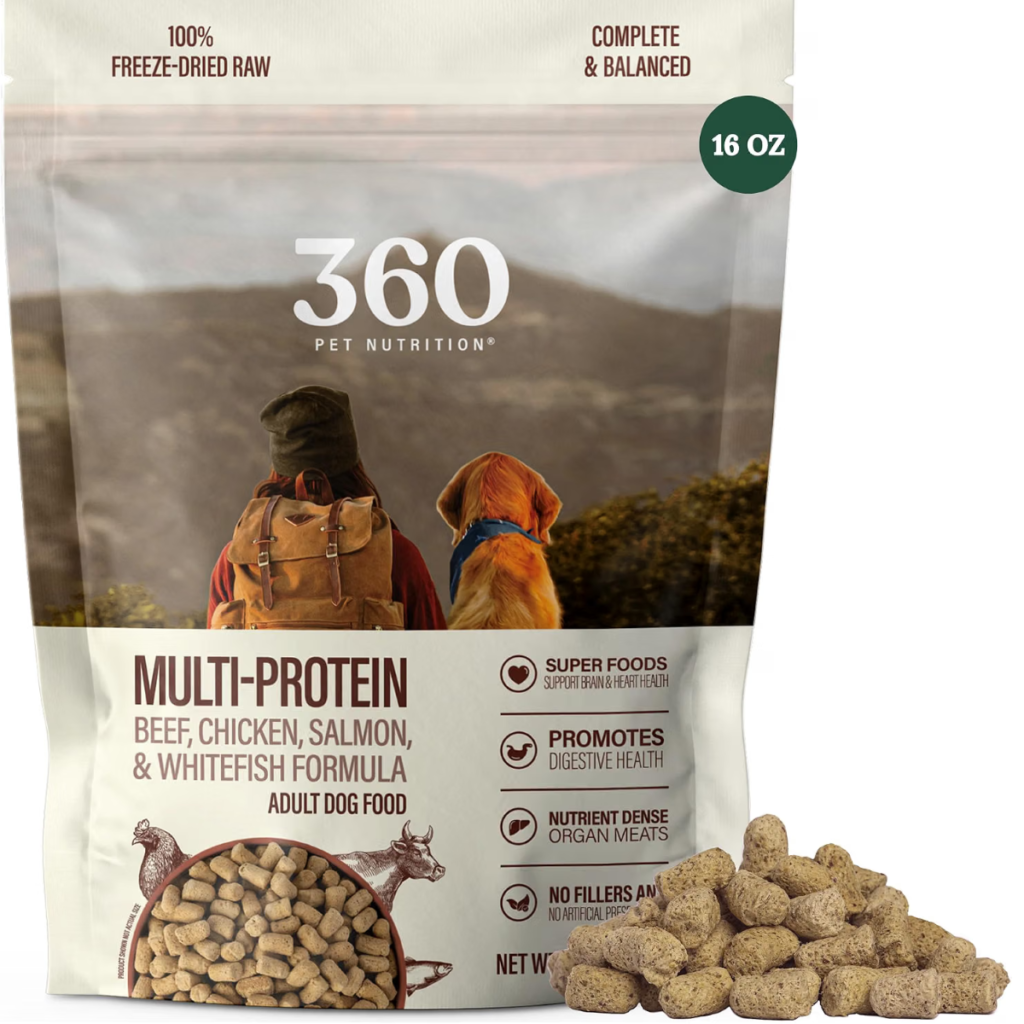
Best Freeze-Dried Dog Food for Picky Eaters
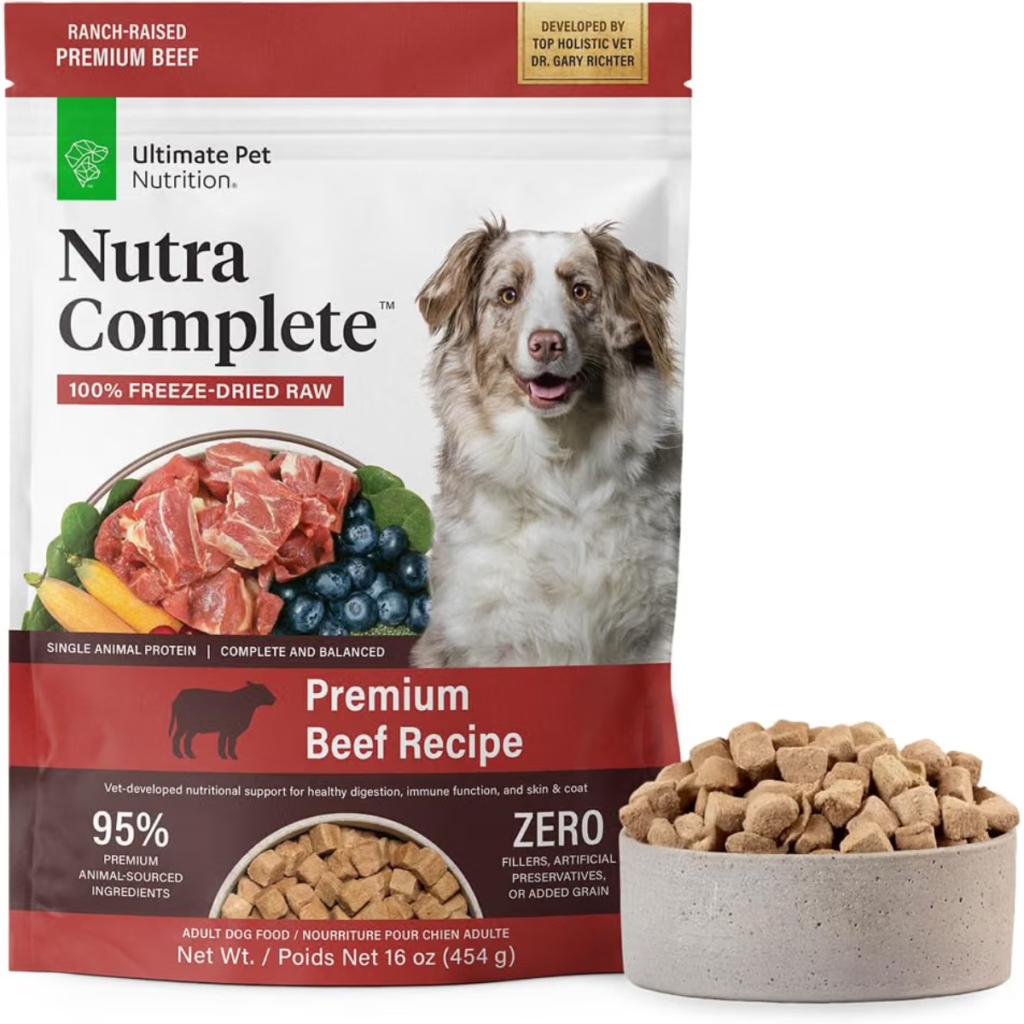

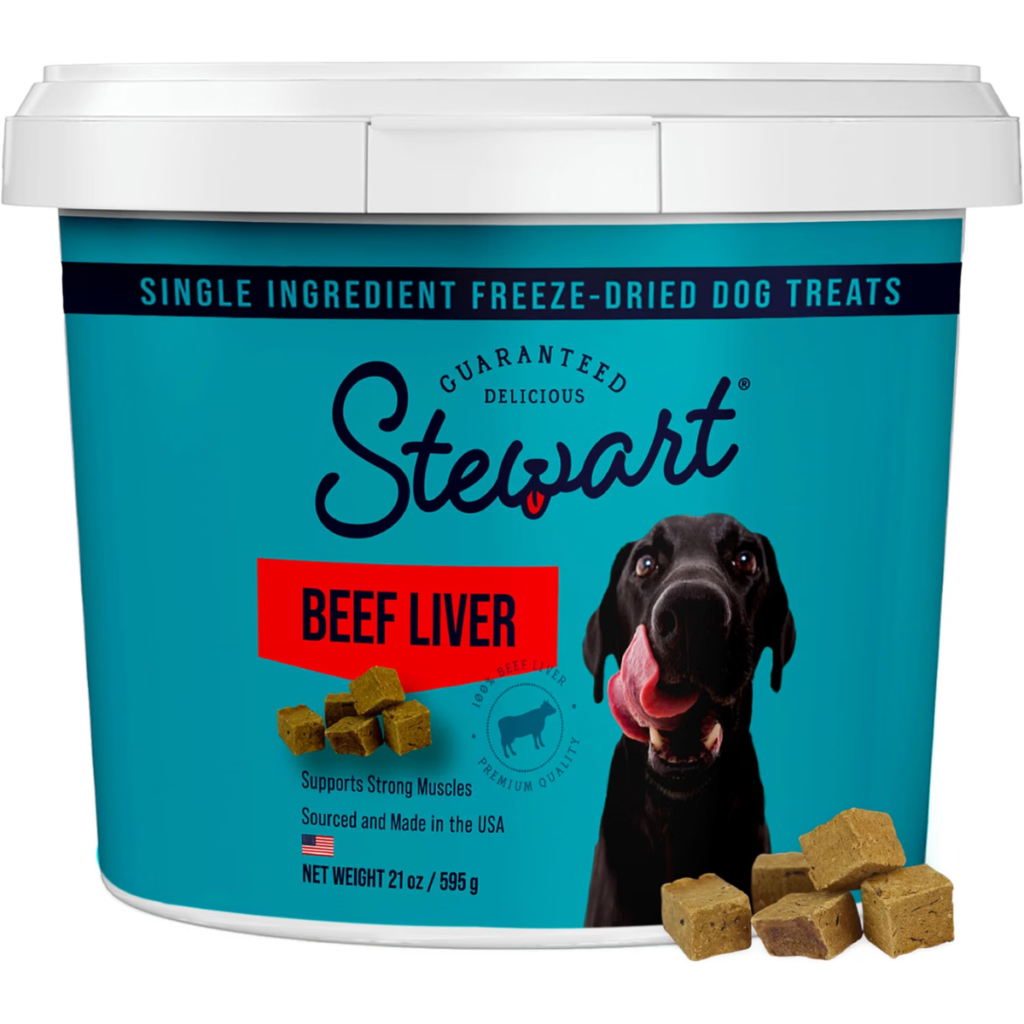
How to Get a Picky Dog to Eat
Changing food every few days is usually not the best strategy.
Step 1: Rule Out Health Problems
Before treating your dog as a picky eater, consider whether the appetite change is new.
If your dog has suddenly stopped eating or has other symptoms, speak with your veterinarian.
Step 2: Create a Consistent Meal Schedule
Feed meals at approximately the same times each day.
Step 3: Reduce Unnecessary Treats
Keep treats controlled and include their calories in your dog’s daily intake.
Step 4: Make the Food More Appealing
Depending on the food, you can try:
- Adding a little warm water
- Rehydrating freeze-dried food according to package directions
- Mixing in an appropriate topper
- Serving wet food alongside or instead of dry food
- Trying a different texture
Step 5: Give Changes Time
Dogs can need time to adjust to a new food.
Step 6: Monitor Your Dog
Pay attention to:
- Appetite
- Stool quality
- Body weight
- Energy
- Vomiting
- Diarrhea
- Skin changes
- Overall behavior
How to Switch a Picky Dog to New Food
A gradual transition is generally easier. https://www.worldfoodlive.com
Days 1–2: Mostly current food with a small amount of new food.
Days 3–4: Increase the new food while reducing the old food.
Days 5–6: Make the new food the larger portion.
Day 7: Move to the new food if your dog is tolerating the transition well.
How to Choose the Best Dog Food for Your Picky Eater

When comparing products, use this simple checklist:
Palatability
Does your dog prefer wet, dry, fresh, freeze-dried or another texture?
Nutrition
Is the food complete and balanced for your dog’s life stage?
Calories
Does the calorie content fit your dog’s size and activity level?
Protein
Does your dog tolerate and enjoy the selected protein source?
Digestibility
Does your dog maintain normal stool and comfortable digestion?
Convenience
Can you store, serve and measure the food correctly?
Manufacturer Transparency
Can the company provide useful information about formulation and quality control?
Budget
Can you consistently afford the food rather than switching repeatedly because of cost?
FAQ About Dog Food for Picky Eaters
There is no single food that every picky dog will prefer. Wet, fresh, freeze-dried, air-dried and dry foods can all work depending on the individual dog. Start with a nutritionally complete food appropriate for your dog's life stage and consider aroma, moisture and texture when evaluating palatability.
Wet food can be more appealing to some dogs because of its moisture, aroma and texture. However, it is not automatically nutritionally better than dry food.
Try establishing a consistent meal schedule, reducing unnecessary treats, checking that the food is fresh, and considering whether your dog prefers a different kibble size or texture.
Yes, puppies can be selective, but appetite changes in young puppies deserve particular attention because they are still growing.
There is no need to change food simply because a dog occasionally seems bored with a meal. Frequent changes can make it harder to identify what works and may contribute to digestive upset.
The most reliable choices are high-aroma, real-meat foods: freeze-dried raw meals, gently cooked fresh meals, or a real-meat topper added to the current bowl. Get Joy's Freeze Dried Raw Meals and Fresh Meals are designed for exactly this, with real whole-food ingredients and Belly Biotics™ built in to support gut health.
A sudden change is different from lifelong pickiness and deserves attention. It can be caused by dental pain, nausea, stress, a recent food change, or an underlying illness. Because loss of appetite is an early sign of many health issues, contact your veterinarian if a significant appetite change lasts more than 12 to 24 hours, and sooner for puppies, seniors, or dogs with known conditions.