
Best Puppy Food for Healthy Growth and Development
Every puppy deserves the best possible start in life, and proper nutrition plays the biggest role in supporting healthy growth, brain development, strong bones, and a healthy immune system. During the first year of life, puppies grow rapidly and require significantly more protein, healthy fats, vitamins, minerals, and calories than adult dogs. Choosing the best puppy food for healthy growth ensures your furry companion receives complete and balanced nutrition during this critical stage.
With hundreds of puppy food brands available in the USA, selecting the right one can feel overwhelming. Some formulas are designed for small breeds, while others support the unique developmental needs of large-breed puppies. High-quality puppy food should contain real animal protein, essential DHA for brain and eye development, calcium and phosphorus for healthy bones, and easily digestible ingredients that promote optimal digestive health.
This comprehensive guide explains everything you need to know about choosing the best puppy food, including important ingredients to look for, foods to avoid, feeding recommendations, and expert tips for raising a healthy puppy. Whether you have a Labrador Retriever, Golden Retriever, German Shepherd, French Bulldog, Beagle, or a mixed-breed puppy, you’ll discover how to make an informed nutritional decision that supports lifelong health.
What Nutrients Do Puppies Need for Healthy Growth?
Growing puppies require a carefully balanced combination of nutrients to support every stage of development. Understanding these essential nutrients helps pet owners choose a formula that delivers complete nutrition rather than focusing on a single ingredient.
High-Quality Protein
Protein provides the building blocks for muscle development, tissue repair, healthy skin, and a shiny coat. Look for foods with real chicken, turkey, beef, lamb, salmon, or other named animal proteins as primary ingredients.
Healthy Fats
Healthy fats provide concentrated energy while supporting healthy skin, coat quality, and nutrient absorption. Omega-3 and omega-6 fatty acids contribute to brain development and immune health.
DHA
Docosahexaenoic Acid (DHA) is especially important for puppies. This omega-3 fatty acid supports healthy brain development, learning ability, memory, and vision during early growth.
Calcium and Phosphorus
Balanced calcium and phosphorus levels promote strong bones and teeth. Large-breed puppies especially benefit from carefully controlled mineral levels that support steady skeletal growth.
Vitamins and Minerals
Essential vitamins including Vitamins A, D, E, B-complex vitamins, zinc, selenium, iron, and copper support immune function, metabolism, healthy skin, and overall development.
Fiber and Digestive Support
Digestible carbohydrates, natural fiber sources, probiotics, and prebiotics help maintain healthy digestion, improve nutrient absorption, and support a balanced gut microbiome.
Antioxidants
Natural antioxidants help strengthen the immune system and protect developing cells from oxidative stress, supporting overall health during puppyhood.
How to Choose the Best Puppy Food (Complete Buyer's Guide)
Choosing the best puppy food for healthy growth involves more than selecting the most popular brand or the most expensive formula. Every puppy has unique nutritional needs based on breed, size, activity level, and age. A well-balanced diet provides the nutrients needed to support strong bones, healthy muscles, brain development, and a robust immune system. Understanding how to evaluate puppy food labels and ingredients can help you make a confident, informed decision.
Choose a Puppy Food Formulated for Growth
Always select a food specifically labeled for puppies or for “growth” or “all life stages.” Puppy formulas are designed to provide the higher protein, fat, vitamins, and minerals that growing dogs require. Adult dog food does not always contain enough nutrients to support healthy puppy development, especially during the first year of life.
Large-breed puppies should eat food specially formulated for large breeds. These diets provide carefully balanced calcium and phosphorus levels that support controlled bone growth and help reduce the risk of developmental orthopedic problems.
Look for High-Quality Animal Protein
Protein is one of the most important nutrients for growing puppies. The first ingredient should ideally be a named animal protein such as:
- Chicken
- Turkey
- Beef
- Lamb
- Salmon
- Duck
- Whitefish
High-quality protein helps build lean muscle, repair tissues, support healthy organs, and maintain an active lifestyle. Avoid foods that rely heavily on unnamed meat by-products or fillers instead of clearly identified protein sources.
Check for DHA to Support Brain Development
DHA (Docosahexaenoic Acid) is an omega-3 fatty acid that plays a critical role in brain and eye development. Puppies receiving adequate DHA may benefit from healthy cognitive development and vision.
Many premium puppy foods obtain DHA from:
- Fish oil
- Salmon oil
- Marine algae
This nutrient is especially valuable during the first several months of life when the brain is developing rapidly.
Choose Foods with Healthy Fats
Healthy fats provide energy and help puppies absorb essential vitamins. They also support healthy skin and a shiny coat.
Look for ingredients such as:
- Chicken fat
- Salmon oil
- Fish oil
- Flaxseed
- Sunflower oil
Balanced omega-3 and omega-6 fatty acids contribute to healthy skin, coat condition, immune health, and overall development.
Look for Easily Digestible Ingredients
Young puppies have sensitive digestive systems. Easily digestible ingredients help maximize nutrient absorption and reduce digestive upset.
Good carbohydrate sources include:
- Brown rice
- Oatmeal
- Barley
- Sweet potatoes
- Pumpkin
Many quality puppy foods also include probiotics and prebiotics to support healthy digestion and maintain beneficial gut bacteria.
Vitamins and Minerals Support Overall Health
A complete puppy diet should include essential vitamins and minerals that help maintain healthy growth, immunity, metabolism, and organ function.
Important nutrients include:
- Vitamin A
- Vitamin D
- Vitamin E
- B Vitamins
- Zinc
- Iron
- Selenium
- Copper
These nutrients work together to support healthy skin, strong immunity, energy production, and proper development.
Read the Ingredient List Carefully
Understanding the ingredient list can help you identify higher-quality puppy foods.
Look for foods that contain:
- Named meat ingredients first
- Whole grains or nutritious vegetables
- Natural preservatives
- Healthy fats
- Fruits and vegetables
- Added vitamins and minerals
Avoid choosing food based solely on attractive packaging or marketing claims.
Verify the Nutritional Adequacy Statement
One of the most important things to check is the nutritional adequacy statement on the package. It should indicate that the food is complete and balanced for growth or complete and balanced for growth including large-size dogs when appropriate.
Dry Puppy Food vs. Wet Puppy Food
Dry Puppy Food
Dry kibble is the most common choice because it is convenient, affordable, and easy to store. It also encourages chewing and can help reduce plaque buildup on teeth. High-quality kibble is available for puppies of all breeds and sizes.
Wet Puppy Food
Wet food contains more moisture, making it appealing for picky eaters or puppies transitioning from nursing. It is often easier to chew and may be helpful for very young puppies.
Mixed Feeding
Many pet owners combine dry and wet food to provide variety, increase moisture intake, and improve palatability. If mixing foods, ensure the total daily calories remain appropriate for your puppy’s age and size.
Grain-Free vs. Grain-Inclusive Puppy Food
Grain-inclusive puppy foods typically contain ingredients such as brown rice, oats, or barley, which provide digestible carbohydrates, fiber, and additional nutrients. Most healthy puppies can digest these grains without issue.
Grain-free diets replace grains with ingredients like peas, lentils, or potatoes. While these formulas are appropriate for some dogs with specific dietary needs, grain-free food is not automatically healthier for every puppy. Unless recommended by your veterinarian, there is generally no need to avoid grains.
Ingredients to Look For
Choose puppy food that contains:
- Real meat as the first ingredient
- DHA from fish oil or salmon oil
- Omega-3 and Omega-6 fatty acids
- Probiotics
- Prebiotics
- Natural antioxidants
- Whole grains or nutritious vegetables
- Fruits such as blueberries or cranberries
- Balanced vitamins and minerals
These ingredients help support healthy growth, digestion, immune function, skin, coat, and overall wellness.
Ingredients to Avoid
While reading labels, be cautious of products that rely heavily on low-quality ingredients.
Avoid foods with:
- Excessive artificial colors
- Artificial preservatives
- Artificial flavors
- Large amounts of added sugar
- Poor-quality fillers used in place of nutritious ingredients
Selecting a formula with wholesome, recognizable ingredients helps provide balanced nutrition throughout puppyhood.
Consider Your Puppy's Breed Size
Breed size significantly influences nutritional needs.
Small-Breed Puppies
Small breeds have faster metabolisms and require calorie-dense food with smaller kibble pieces that are easier to chew.
Medium-Breed Puppies
Medium breeds benefit from balanced nutrition that supports steady growth and healthy muscle development.
Large-Breed Puppies
Large breeds need controlled growth formulas with carefully balanced minerals to support healthy joints and bones while preventing overly rapid growth.
Common Mistakes Puppy Owners Should Avoid
Many new pet owners unintentionally make feeding mistakes that can affect healthy development.
Common mistakes include:
- Feeding adult dog food too early
- Overfeeding treats
- Changing foods too frequently
- Ignoring portion recommendations
- Choosing food based only on price
- Offering excessive table scraps
- Not providing fresh drinking water
- Switching diets without a gradual transition
Avoiding these habits helps maintain healthy digestion and supports consistent growth throughout puppyhood.
Top 15 Best Puppy Food Brands for Healthy Growth (2026 Reviews)
Choosing the best puppy food means selecting a nutritionally complete diet that supports healthy growth, brain development, digestion, and a strong immune system. The brands below are widely recognized for using high-quality ingredients and offering formulas tailored to different puppy sizes and needs. Always transition to a new food gradually over 7–10 days, and consult your veterinarian if your puppy has specific health concerns or dietary sensitivities.
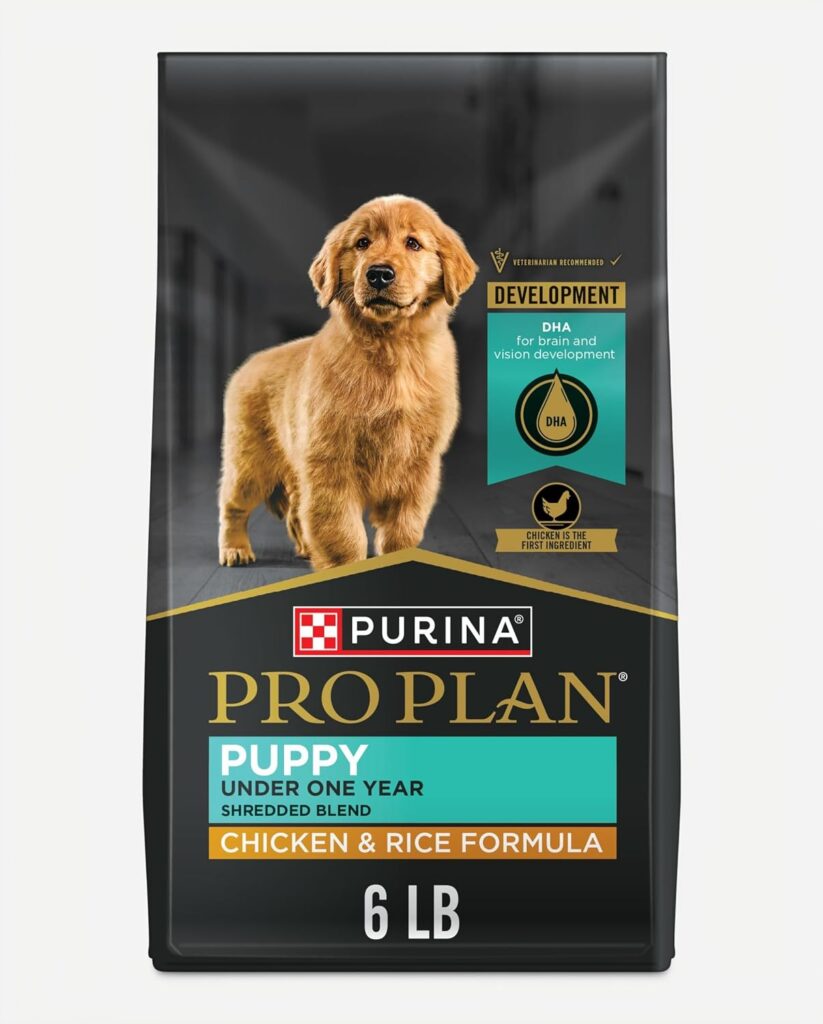
1. Purina Pro Plan Puppy Chicken & Rice Formula
Purina Pro Plan Puppy Chicken & Rice Formula is one of the most recommended puppy foods for balanced nutrition. It features real chicken as the first ingredient and includes DHA from fish oil to support healthy brain and vision development. The formula also contains antioxidants for immune support and live probiotics to promote digestive health. It is suitable for most breeds and provides complete and balanced nutrition for growing puppies.
Key Features
- Real chicken as the first ingredient
- DHA for brain and eye development
- Live probiotics for digestive health
- Antioxidants to support the immune system
- Highly digestible ingredients
Best For
- Small, medium, and large breed puppies
- First-time puppy owners
- Puppies with normal activity levels
Pros
- High-quality protein source
- Supports healthy growth and development
- Easy to digest
- Widely available
2. Royal Canin Puppy Dry Dog Food
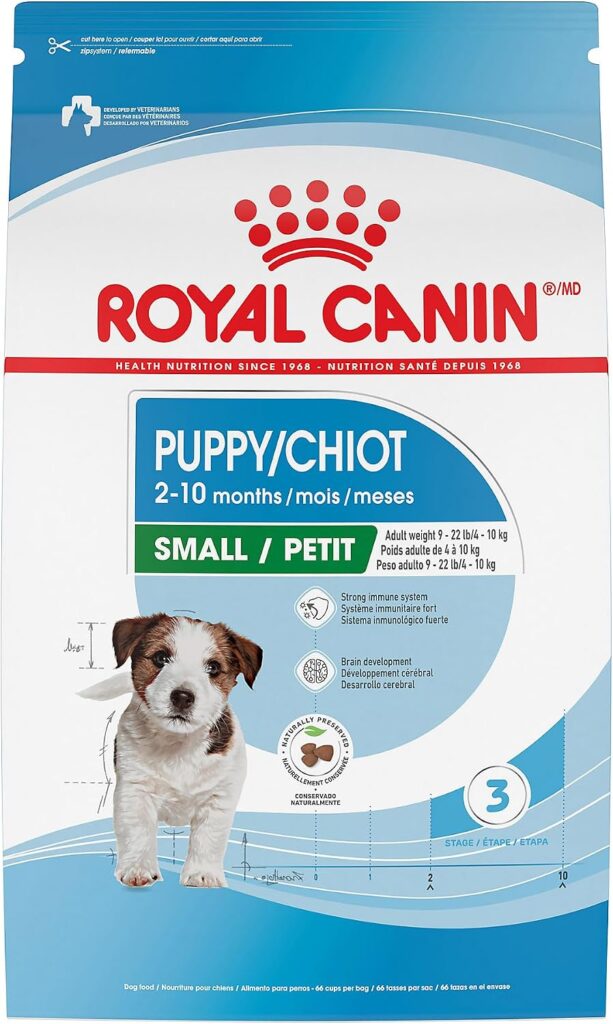
Royal Canin develops breed-specific and size-specific puppy diets designed to meet different growth needs. Its formulas include precise nutrient levels, highly digestible proteins, and prebiotics that support healthy digestion.
Key Features
- Breed-specific formulas available
- Supports digestive health
- Balanced vitamins and minerals
- DHA for healthy brain development
- Customized kibble size
Best For
- Breed-specific nutrition
- Small, medium, and large breeds
Pros
- Excellent digestive support
- Breed-focused nutrition
- Highly palatable
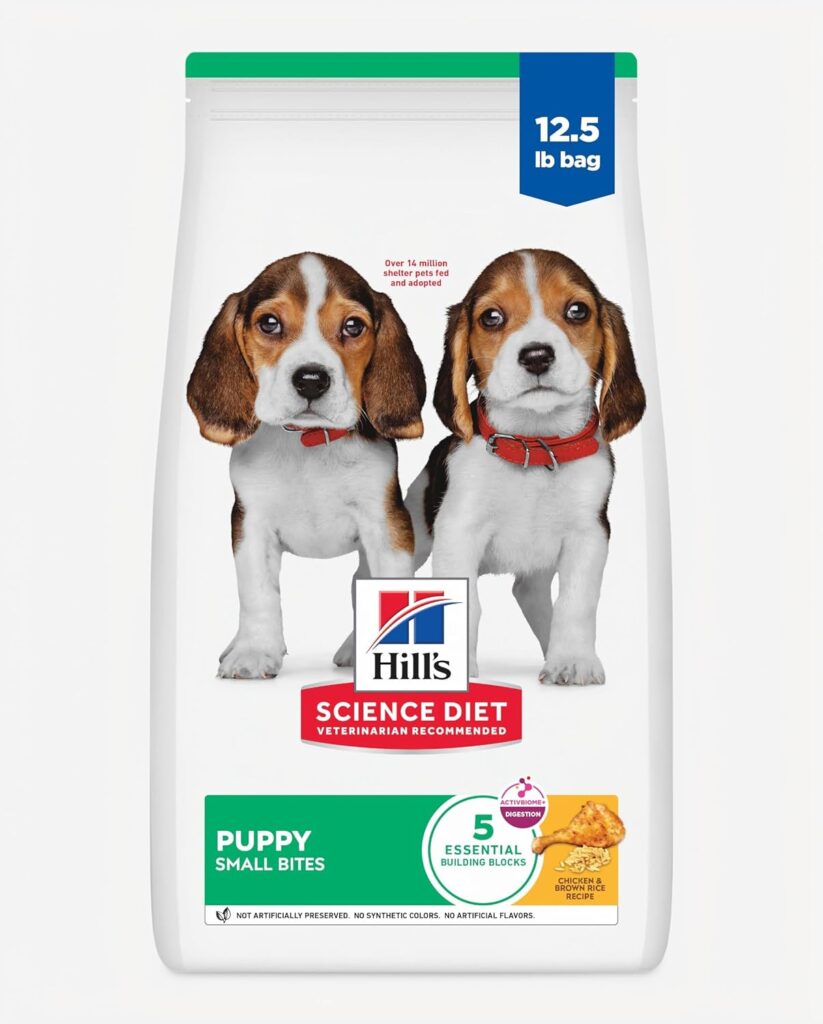
3. Hill's Science Diet Puppy
Hill’s Science Diet Puppy is formulated with high-quality ingredients and backed by nutritional research. It provides DHA from fish oil, high-quality protein for lean muscle growth, and balanced minerals to support healthy bones and teeth.
Key Features
- DHA from fish oil
- Balanced minerals
- High-quality protein
- Supports healthy immunity
Best For
- Puppies requiring veterinarian-recommended nutrition
- Healthy bone development
Pros
- Scientifically formulated
- Easy digestion
- Excellent nutrient balance
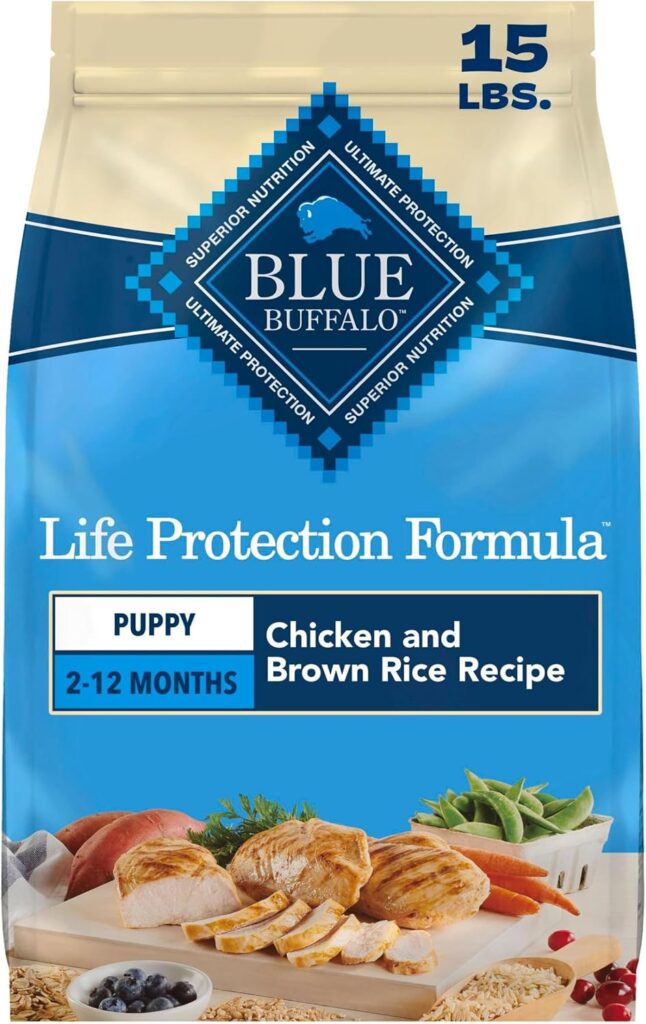
4. Blue Buffalo Life Protection Puppy
Blue Buffalo Life Protection Puppy contains real meat, wholesome whole grains, fruits, and vegetables. It also includes LifeSource Bits, a blend of antioxidants, vitamins, and minerals designed to support healthy growth and immune function.
Key Features
- Deboned chicken first ingredient
- DHA and ARA
- Antioxidant-rich formula
- No artificial flavors or preservatives
Pros
- Natural ingredients
- Supports brain development
- Healthy skin and coat
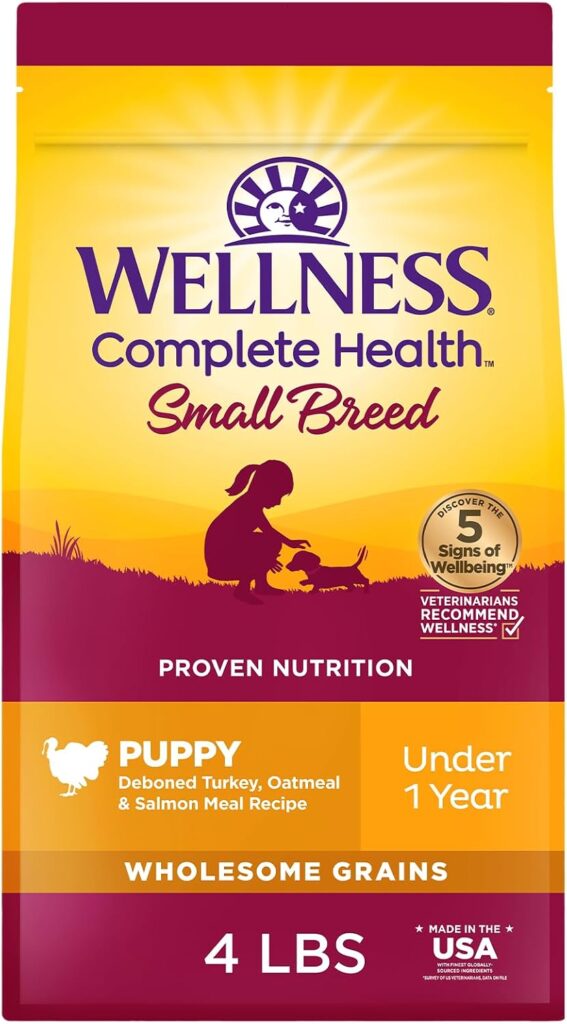
5. Wellness Complete Health Puppy
Wellness Complete Health Puppy provides balanced nutrition using premium proteins, whole grains, and natural ingredients. It includes omega fatty acids for healthy skin and coat and probiotics to support digestion.
Key Features
- High-quality protein
- Omega-3 fatty acids
- Probiotics
- Balanced nutrition
Best For
- Active puppies
- Puppies with sensitive digestion
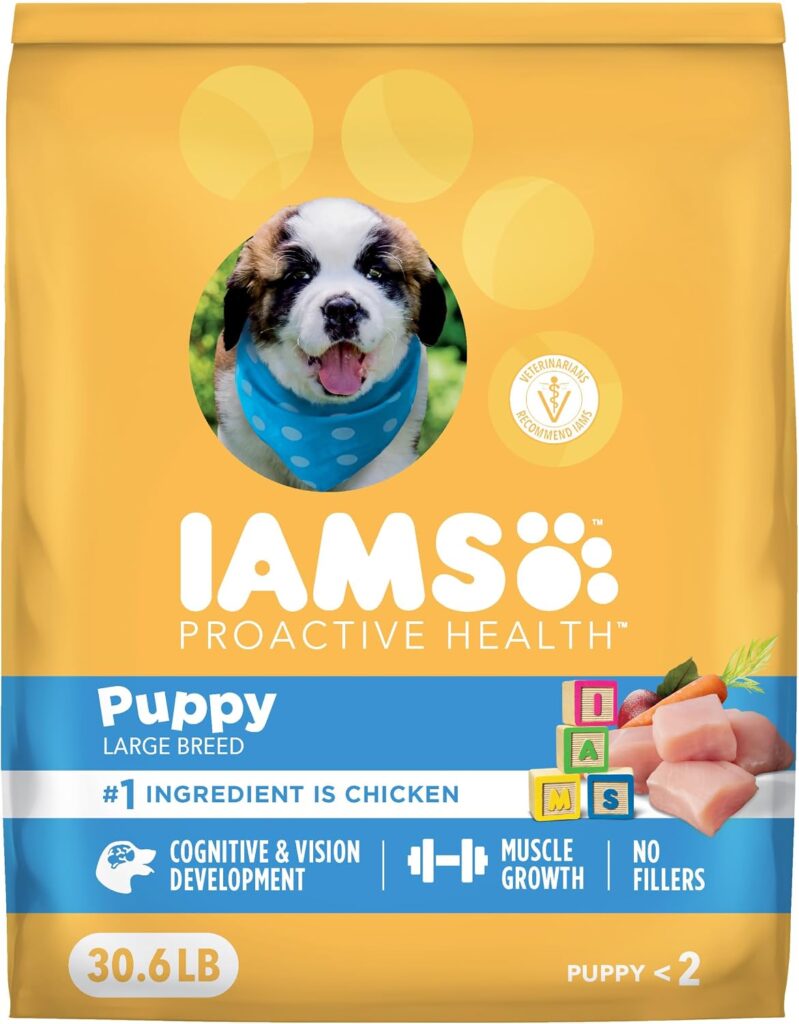
6. IAMS ProActive Health Smart Puppy
IAMS Smart Puppy offers affordable, complete nutrition with real chicken, DHA, antioxidants, and essential minerals. It is a popular choice for families seeking quality nutrition at a reasonable price.
Key Features
- Real chicken
- DHA
- Antioxidants
- Supports healthy growth
Pros
- Budget-friendly
- Trusted brand
- Balanced nutrition
7. Eukanuba Puppy Dry Dog Food
Eukanuba Puppy Formula supports muscle development, healthy brain function, and strong bones. It also contains prebiotics and natural fiber for digestive health.
Highlights
- High animal protein
- DHA
- Calcium support
- Digestive prebiotics

8. Orijen Puppy
Orijen Puppy features a protein-rich recipe using fresh and raw animal ingredients. It is ideal for owners looking for a biologically appropriate diet with multiple animal protein sources.
Best For
- High-protein diets
- Active puppies
Pros
- Premium ingredients
- Rich in animal protein
- No artificial preservatives
Cons
- Higher price point

9. ACANA Puppy Recipe
ACANA Puppy Recipe contains fresh poultry, eggs, and fish combined with fruits and vegetables to deliver balanced nutrition for growing puppies.
Highlights
- Fresh ingredients
- Protein-rich
- Supports healthy growth
- Grain-inclusive options available

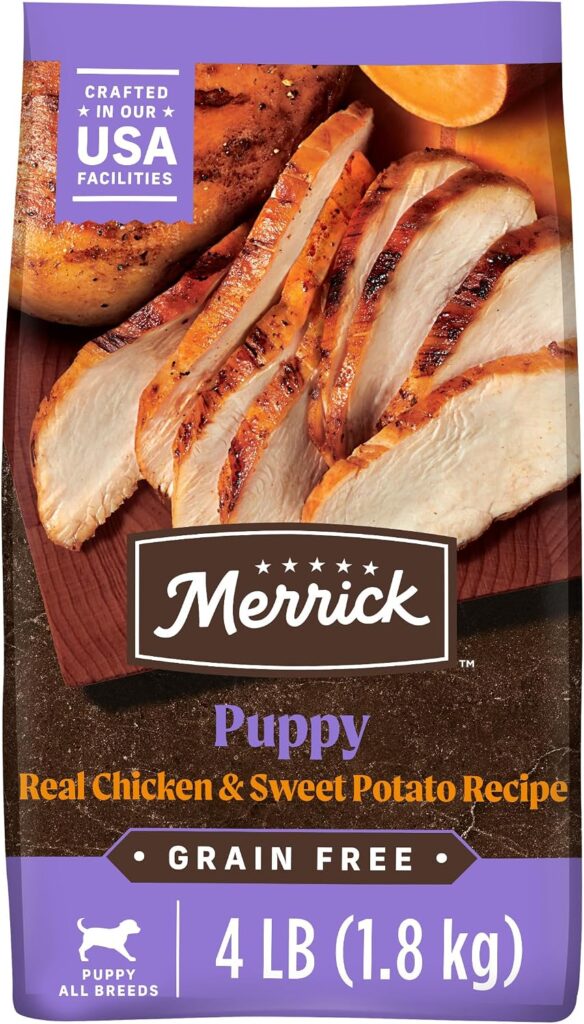
10. Merrick Healthy Grains Puppy Recipe
Merrick combines deboned chicken with wholesome grains and healthy fats to support muscle growth, brain development, and digestive health.
Key Benefits
- Real meat first
- DHA
- Healthy grains
- Omega fatty acids
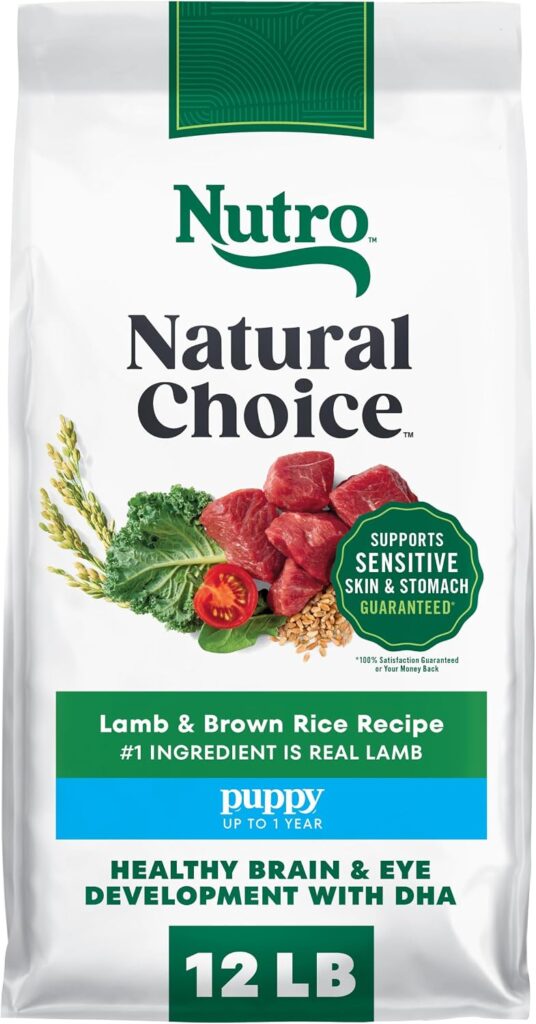
11. Nutro Natural Choice Puppy
Nutro focuses on simple recipes with real chicken and non-GMO ingredients. The formula supports healthy immunity, digestion, and muscle development.
Best For
- Owners seeking simple ingredient recipes
- Everyday nutrition
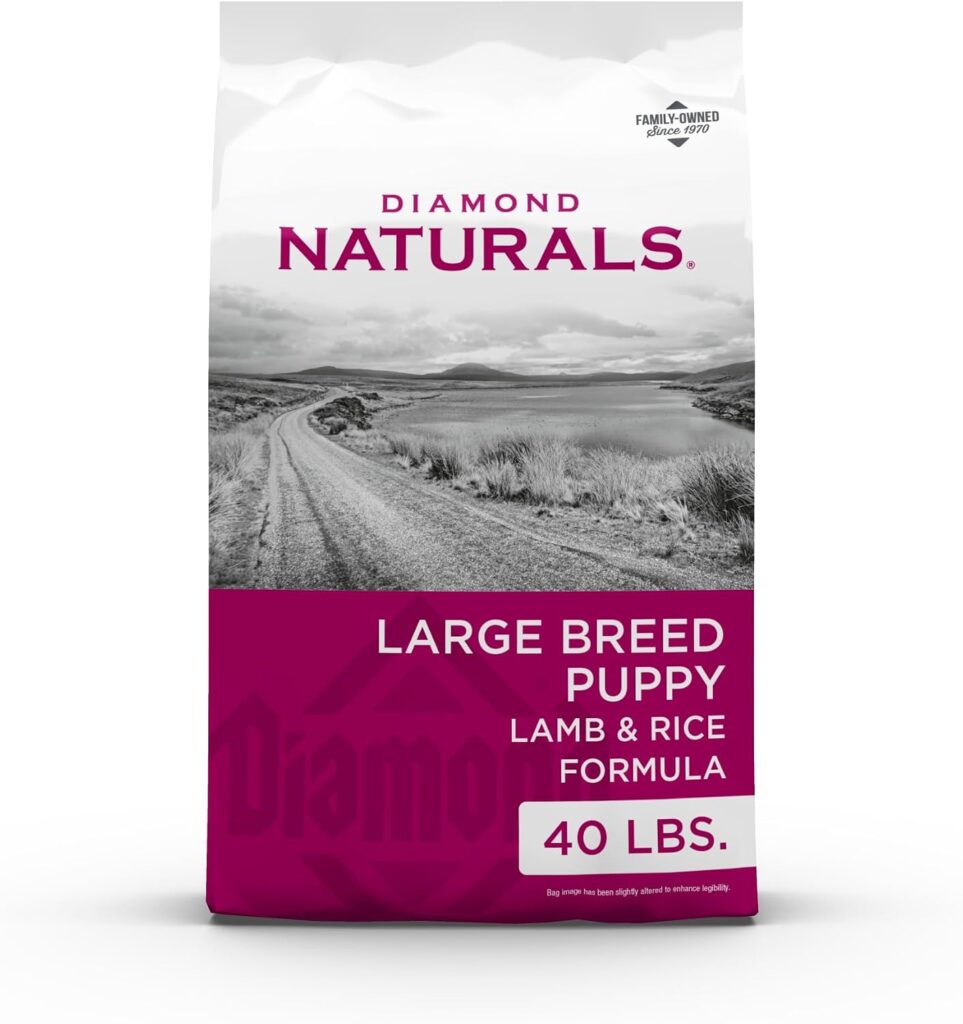
12. Diamond Naturals Puppy Formula
Diamond Naturals Puppy Formula includes real lamb or chicken, probiotics, superfoods, and antioxidants to promote healthy growth while remaining budget-friendly.
Pros
- Excellent value
- Digestive support
- Natural ingredients
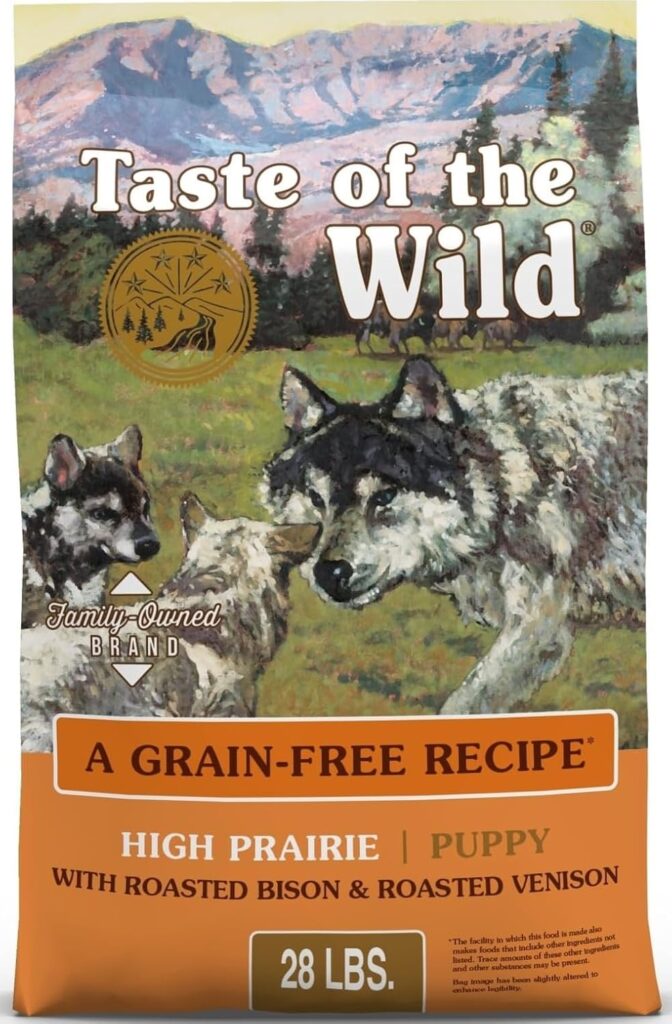
13. Taste of the Wild High Prairie Puppy
Taste of the Wild uses roasted bison, roasted venison, and other quality proteins in grain-free and grain-inclusive options. The recipe also includes probiotics for digestive support.
Best For
- Protein-focused nutrition
- Active puppies
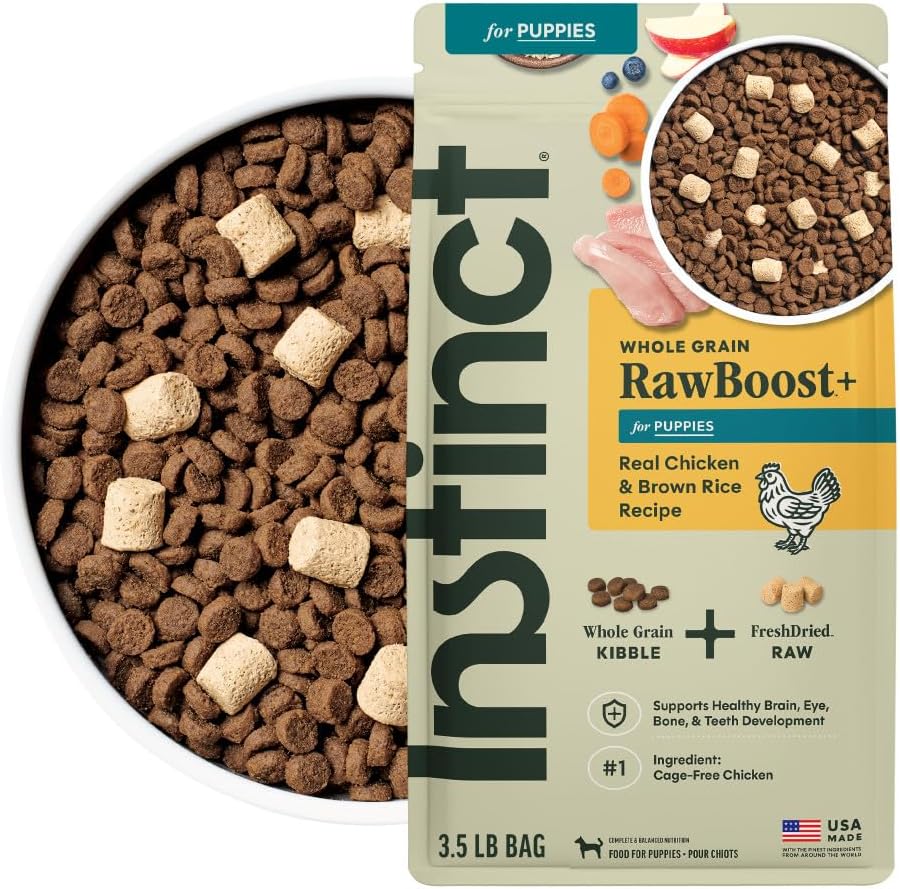
14. Instinct Raw Boost Puppy
Instinct Raw Boost combines premium kibble with freeze-dried raw pieces to increase protein variety and flavor.
Highlights
- Raw-coated nutrition
- High protein
- DHA
- Digestive support
15. Open Farm Puppy Recipe
Open Farm Puppy Recipe emphasizes responsibly sourced ingredients and complete nutrition. It includes premium animal protein, healthy fats, and nutrient-rich vegetables to support healthy development.
Key Features
- Responsibly sourced ingredients
- High-quality protein
- Omega fatty acids
- Balanced nutrition

Best Dog Food for Growth Quick Comparison Table
| Brand | Main Protein | DHA | Probiotics | Best For |
|---|---|---|---|---|
| Purina Pro Plan | Chicken | ✅ | ✅ | Overall nutrition |
| Royal Canin | Chicken | ✅ | ✅ | Breed-specific puppies |
| Hill’s Science Diet | Chicken | ✅ | No | Bone development |
| Blue Buffalo | Chicken | ✅ | No | Natural ingredients |
| Wellness Complete Health | Chicken | ✅ | ✅ | Digestive health |
| IAMS Smart Puppy | Chicken | ✅ | No | Budget-friendly |
| Eukanuba | Chicken | ✅ | ✅ | Muscle growth |
| Orijen | Multiple proteins | Naturally occurring | No | High-protein diet |
| ACANA | Poultry | Naturally occurring | No | Premium nutrition |
| Merrick | Chicken | ✅ | No | Healthy grains |
| Nutro | Chicken | ✅ | No | Simple ingredients |
| Diamond Naturals | Lamb/Chicken | ✅ | ✅ | Great value |
| Taste of the Wild | Bison/Venison | Naturally occurring | ✅ | Active puppies |
| Instinct Raw Boost | Chicken | ✅ | No | Raw-inspired nutrition |
| Open Farm | Chicken | ✅ | No | Responsibly sourced |
Complete Puppy Feeding Guide by Age (8 Weeks to 24 Months)
Feeding your puppy the right amount of food at the right age is just as important as choosing the best puppy food for healthy growth. Puppies grow rapidly during their first year, and their nutritional needs change as they develop. A consistent feeding schedule, proper portion sizes, and access to fresh water help support healthy muscles, strong bones, brain development, and overall well-being.
Puppy Feeding Schedule by Age
| Puppy Age | Meals Per Day | Feeding Recommendation |
|---|---|---|
| 8–12 Weeks | 4 Meals | Small, frequent meals to support rapid growth |
| 3–6 Months | 3 Meals | Gradually increase portion sizes while reducing meal frequency |
| 6–12 Months | 2 Meals | Most puppies transition to two meals per day |
| 12–24 Months* | 2 Meals | Transition to adult food when appropriate (*Large breeds may remain on puppy food longer.) |
Feeding Puppies 8 to 12 Weeks Old
At this age, puppies have recently been weaned and require nutrient-dense meals throughout the day. Their stomachs are small, so frequent feeding helps provide a steady source of energy.
Recommended Schedule
- Breakfast
- Midday meal
- Afternoon meal
- Evening meal
Nutrition Focus
- High-quality puppy food
- DHA for brain development
- Easily digestible ingredients
- Fresh drinking water available at all times
Avoid giving large portions in one meal, as this can upset your puppy’s digestive system.
Feeding Puppies 3 to 6 Months Old
During this stage, puppies become more active and continue developing muscle, bones, and organs. Three meals per day are generally sufficient.
Feeding Tips
- Feed at consistent times daily.
- Follow the feeding guide on the food package as a starting point.
- Adjust portions based on body condition and veterinary advice.
- Limit treats to no more than about 10% of daily calorie intake.
This is also an ideal time to begin training with small, healthy puppy treats.
Feeding Puppies 6 to 12 Months Old
Most puppies can transition to two meals per day during this stage, although giant breeds may benefit from individualized feeding plans recommended by a veterinarian.
Continue Providing
- Complete and balanced puppy food
- High-quality protein
- Healthy fats
- Balanced calcium and phosphorus
- Vitamins and minerals
Monitor your puppy’s weight regularly and adjust feeding if they are becoming overweight or underweight.
Feeding Puppies 12 to 24 Months
The timing for switching to adult dog food depends on your puppy’s expected adult size.
General Guidelines
Small Breeds
Usually transition around 9–12 months.
Medium Breeds
Often transition around 12 months.
Large Breeds
May remain on puppy food until 12–18 months.
Giant Breeds
May continue eating a large-breed puppy formula until 18–24 months.
Transition gradually over 7–10 days by mixing increasing amounts of the new food with the old food.
Signs Your Puppy Is Getting the Right Amount of Food
Healthy puppies generally:
- Maintain steady weight gain
- Have good energy levels
- Develop lean muscles
- Produce normal, well-formed stools
- Have a shiny coat
- Show enthusiasm for meals without excessive hunger
Signs of Overfeeding
Feeding too much can lead to unhealthy weight gain and place unnecessary stress on developing joints.
Common signs include:
- Rapid weight gain
- Difficulty feeling the ribs beneath a thin layer of fat
- Low activity levels
- Loose stools
- Frequent begging due to inconsistent feeding habits
If you notice these signs, review portion sizes and consult your veterinarian.
Signs of Underfeeding
Puppies that do not receive enough nutrition may experience slower growth and reduced energy.
Watch for:
- Visible ribs or spine
- Poor weight gain
- Low energy
- Dull coat
- Delayed growth
- Persistent hunger
Seek veterinary advice if these signs persist.
Fresh Water Is Essential
Clean, fresh water should always be available. Adequate hydration supports:
- Digestion
- Nutrient absorption
- Healthy body temperature
- Kidney function
- Overall health
Wash your puppy’s water bowl daily and refill it with fresh water.
Foods Puppies Should Never Eat
Some human foods are unsafe or toxic for dogs. https://www.worldfoodlive.com
Avoid giving your puppy:
- Chocolate
- Grapes and raisins
- Onions
- Garlic
- Macadamia nuts
- Xylitol (a sweetener found in some sugar-free products)
- Alcohol
- Caffeinated drinks
- Cooked bones
If you suspect your puppy has eaten a toxic food, contact your veterinarian or an animal poison hotline immediately.
Tips for Transitioning to a New Puppy Food
Changing foods too quickly may cause digestive upset.
A gradual transition over 7–10 days is recommended:
| Days | Old Food | New Food |
|---|---|---|
| 1–2 | 75% | 25% |
| 3–4 | 50% | 50% |
| 5–6 | 25% | 75% |
| 7–10 | 0% | 100% |
If your puppy develops persistent vomiting, diarrhea, or refuses to eat during the transition, consult your veterinarian.
Common Puppy Feeding Mistakes
Avoid these common errors:
- Feeding adult dog food too early
- Overfeeding treats
- Free-feeding without monitoring intake
- Switching foods abruptly
- Giving excessive table scraps
- Ignoring body condition changes
- Skipping meals regularly
- Not measuring food accurately
- Failing to provide fresh water