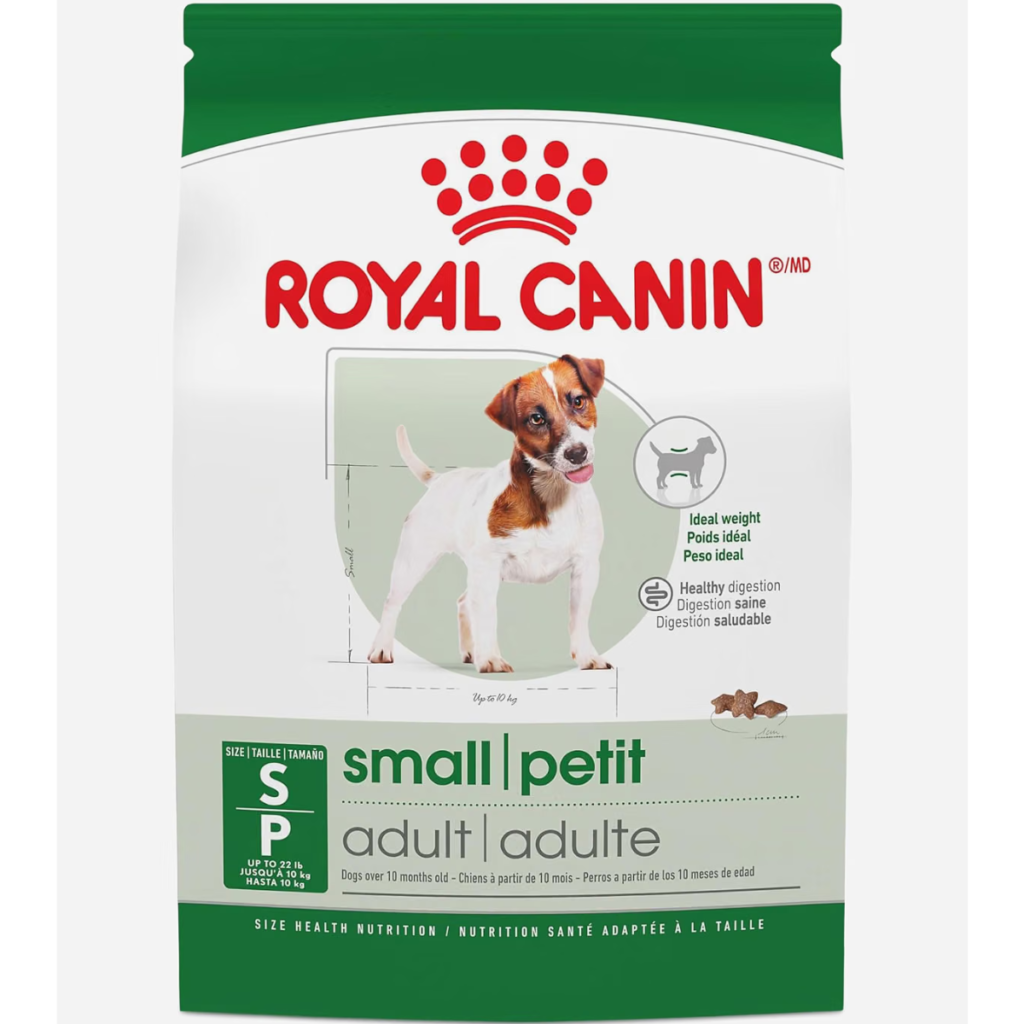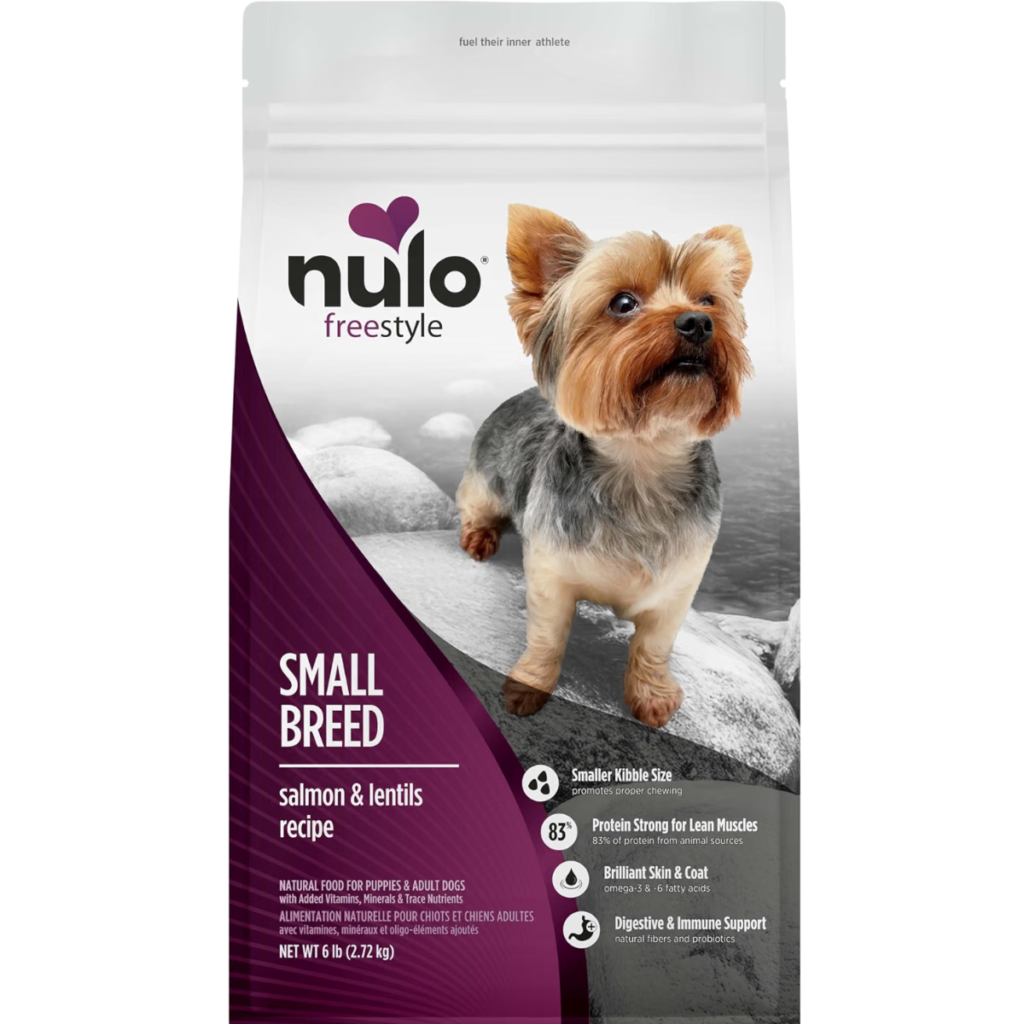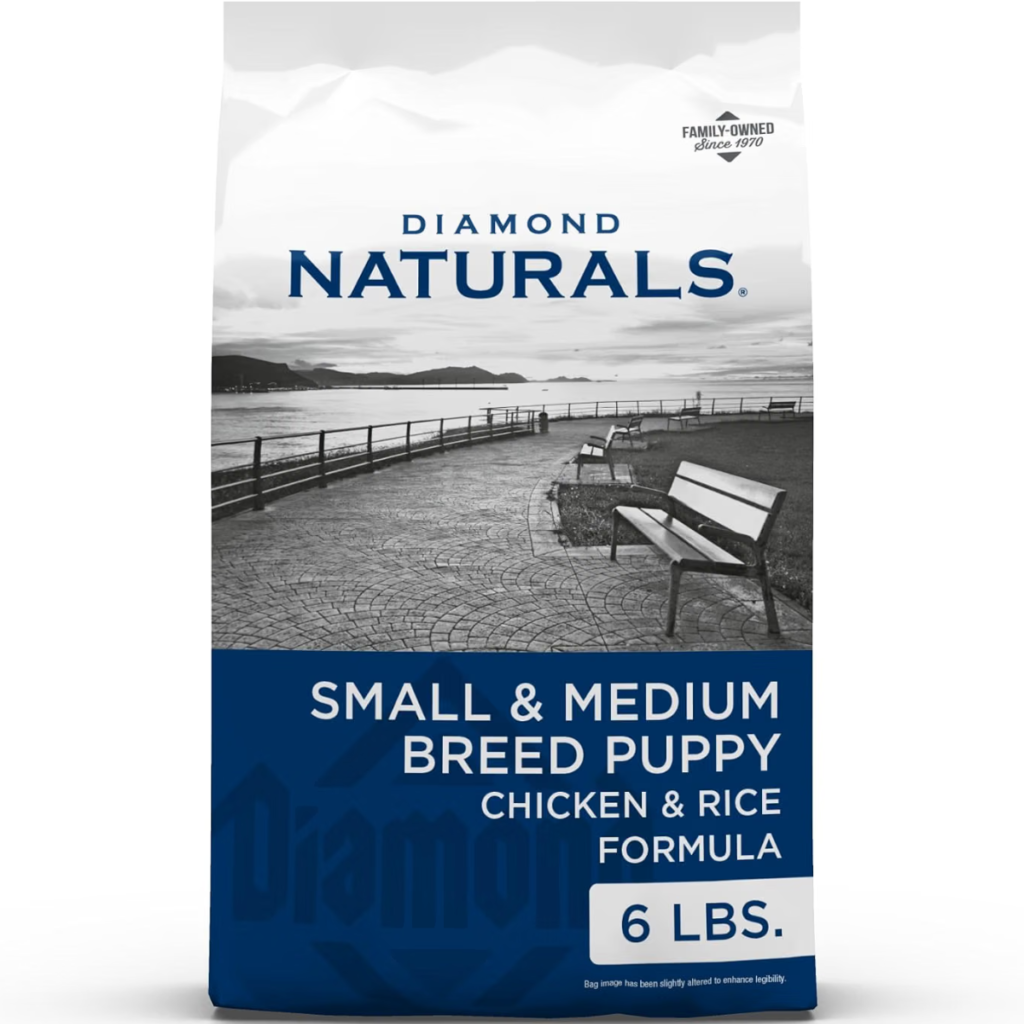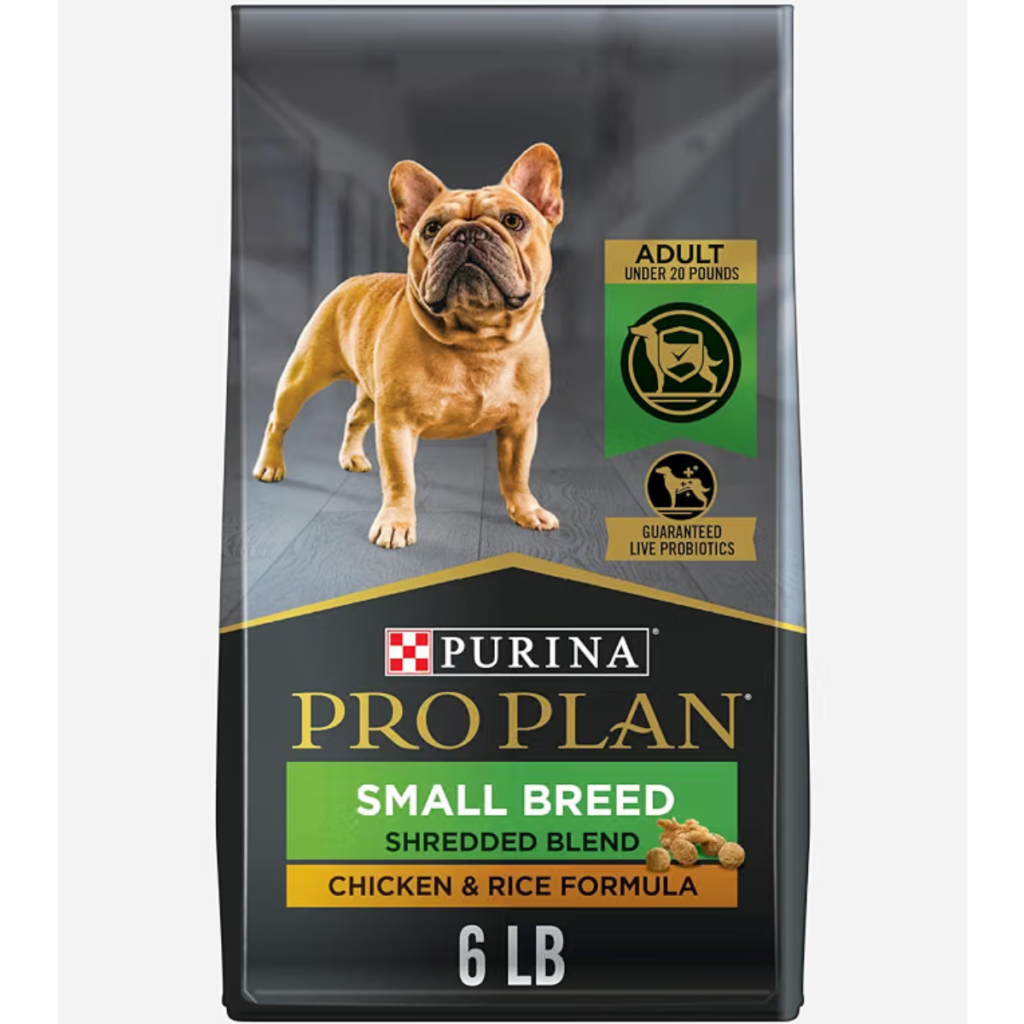

Best Dog Food for Small Dogs
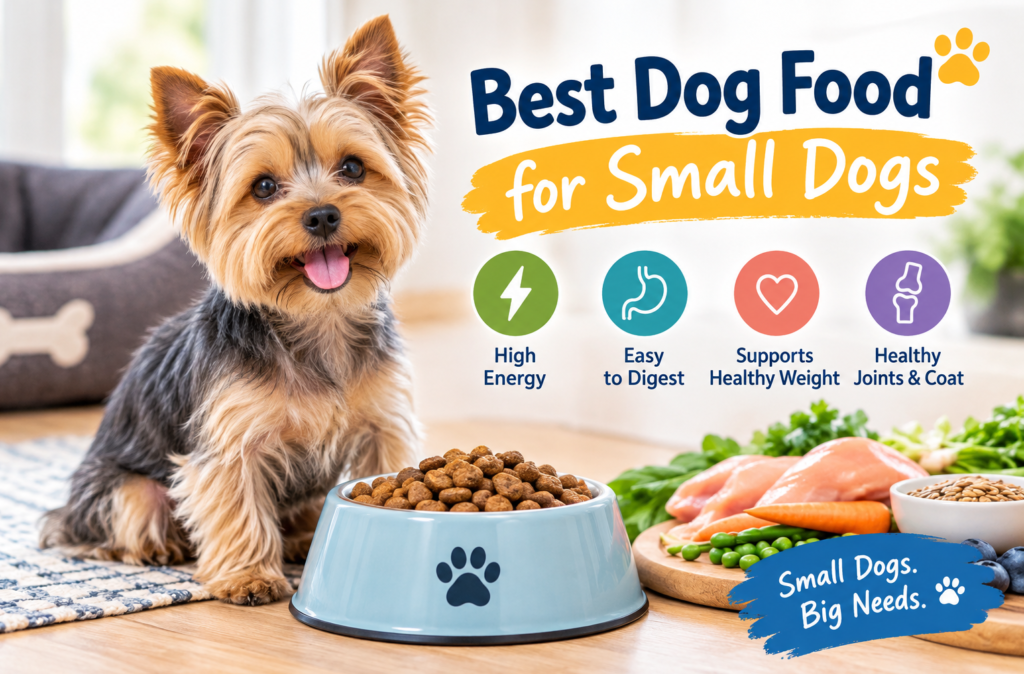
Best dog food for small dogs is about more than choosing a bag labeled “small breed.” Tiny dogs have different nutritional and feeding needs than large dogs, including smaller mouths, smaller stomachs, different calorie requirements, and a greater risk of gaining excess weight when portions are not carefully measured.
The right food should provide complete and balanced nutrition for your dog’s life stage while delivering appropriate calories in a portion your small dog can comfortably eat. Kibble size, protein quality, digestibility, fat levels, and your dog’s age, activity level, and individual health needs all deserve attention.
What Is the Best Dog Food for Small Dogs?
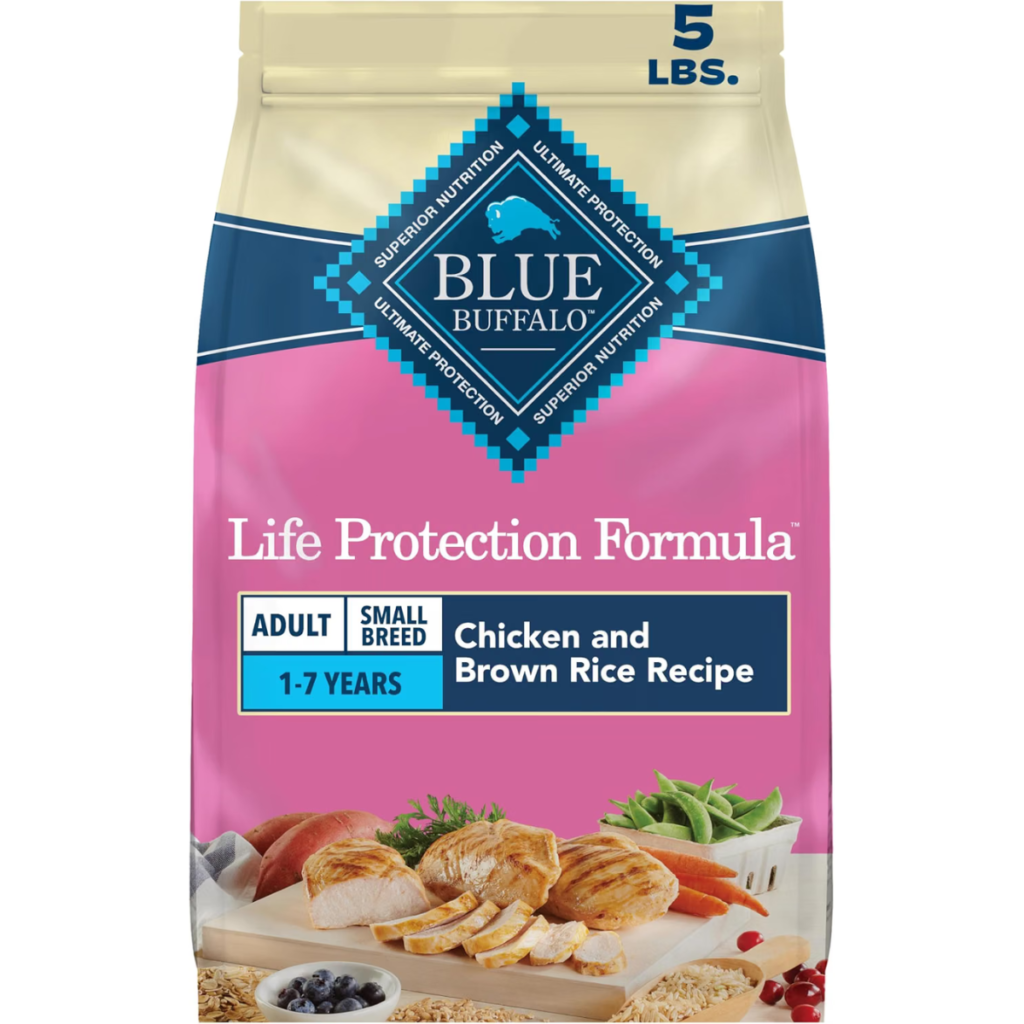
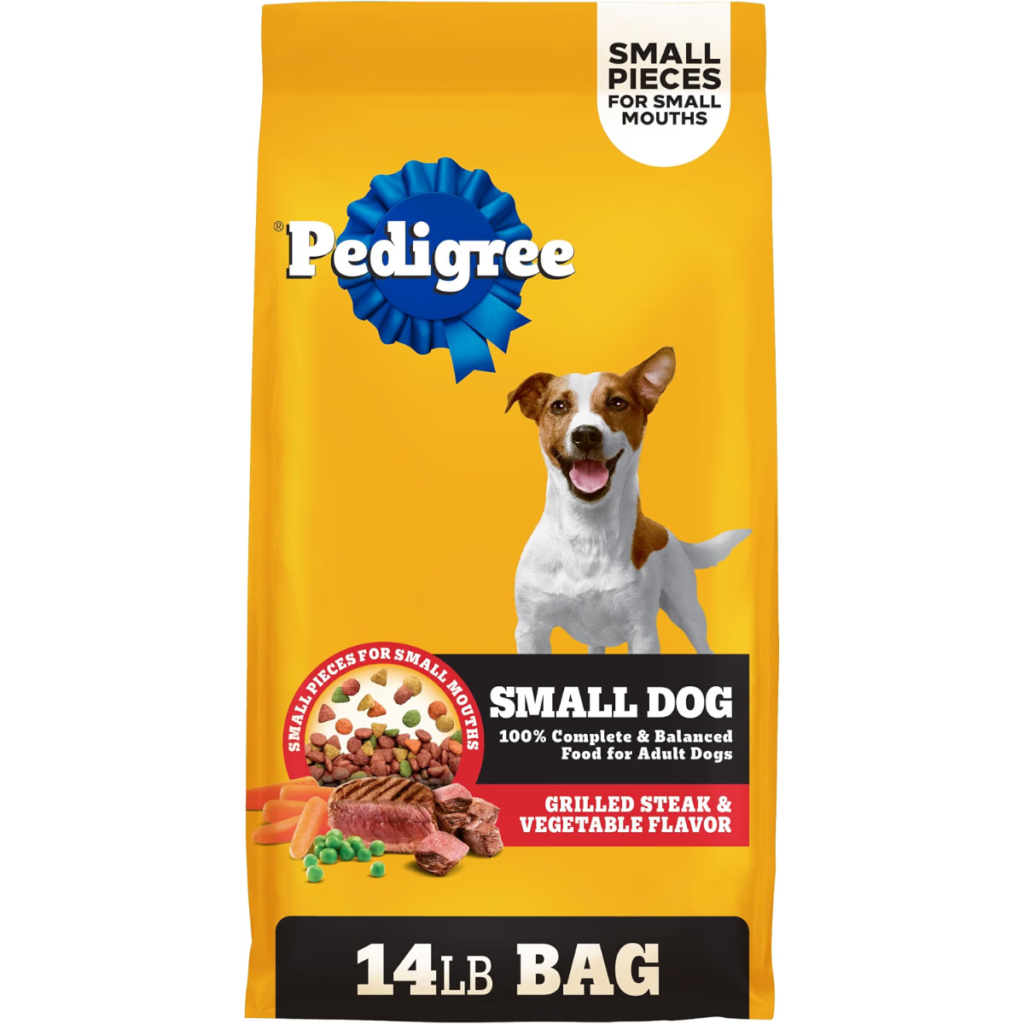
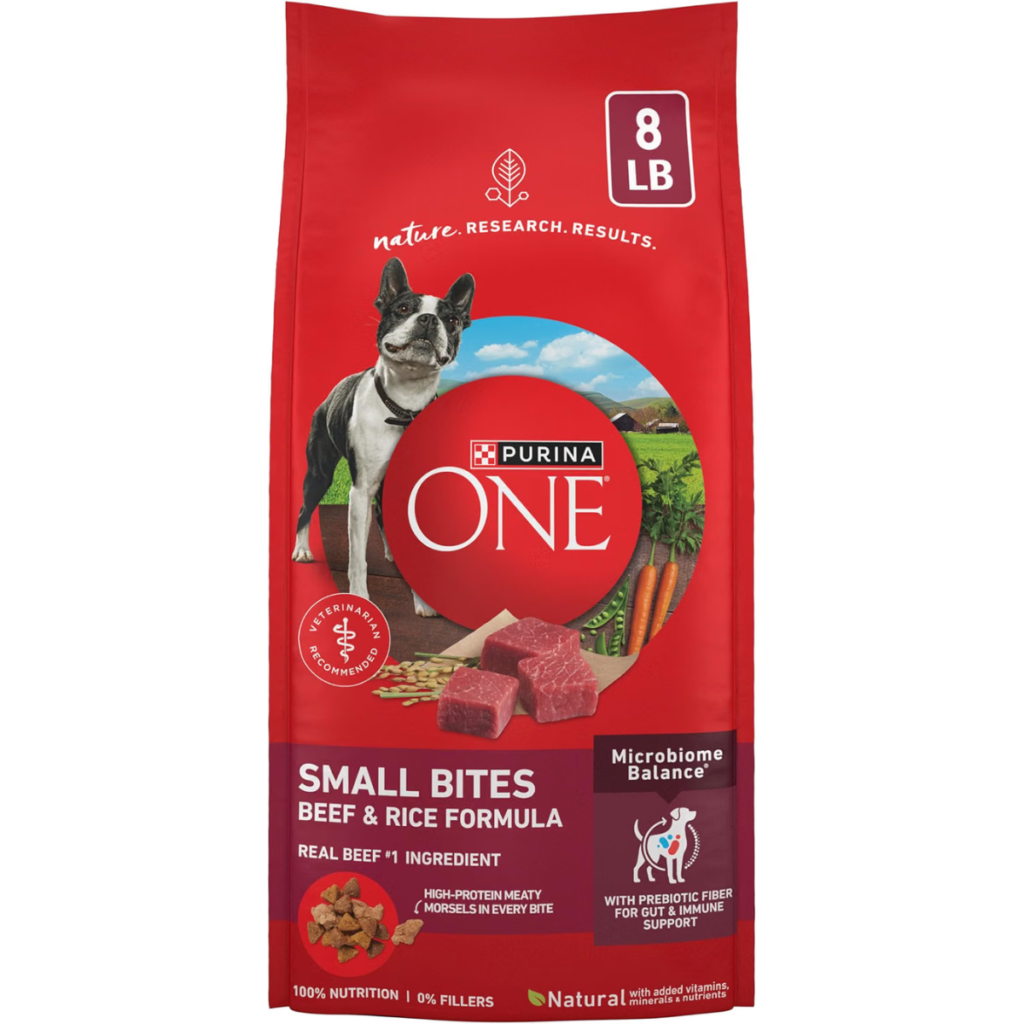
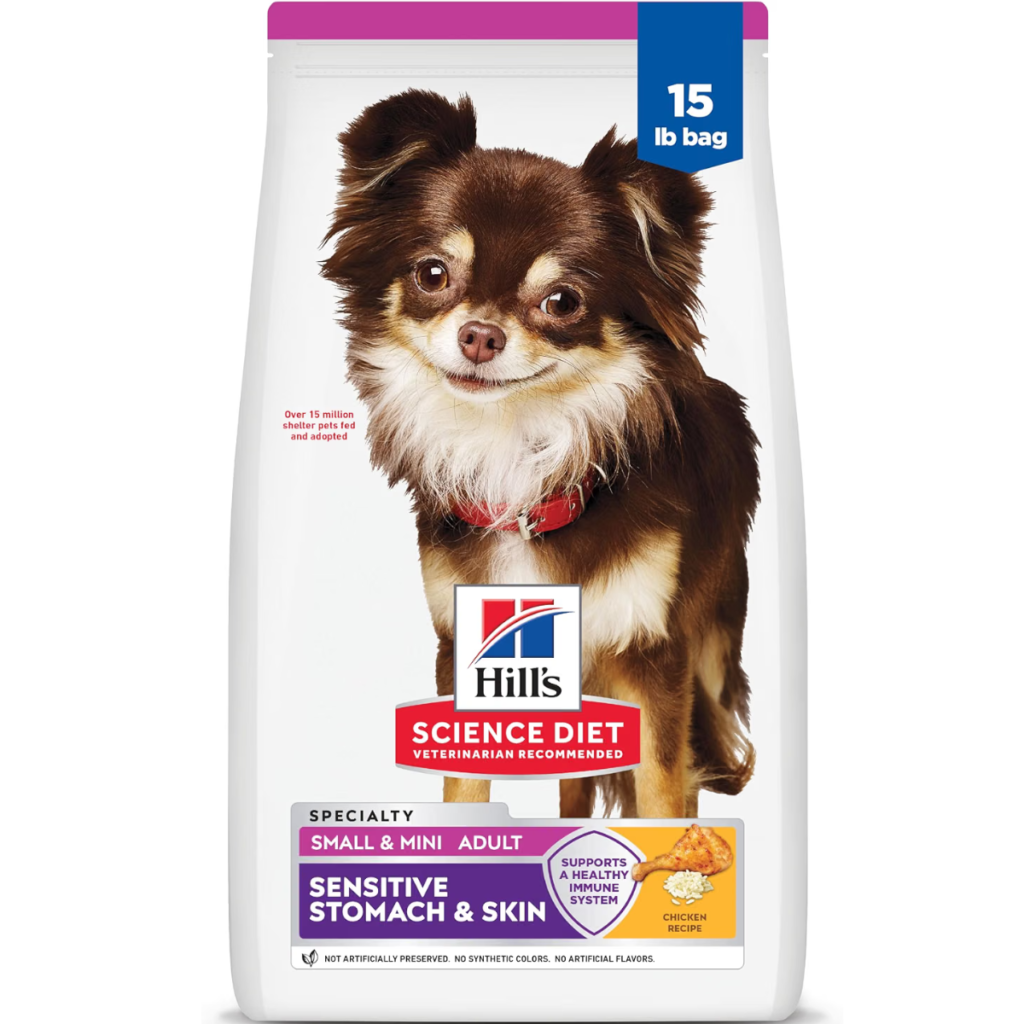
The best dog food for small dogs is a complete and balanced formula appropriate for the dog’s life stage, size, activity level, and individual needs. For many healthy small dogs, a small-breed formula can be a convenient choice because it is commonly designed around smaller kibble and more concentrated nutrition.
Look for:
- A complete and balanced nutritional adequacy statement
- A formula appropriate for your dog’s life stage
- A calorie level that fits your dog’s activity and body condition
- Appropriately sized kibble for dry food
- High-quality, digestible protein sources
- Healthy sources of fat
- Adequate vitamins and minerals
- Ingredients that agree with your dog’s digestive system
- A feeding guide that can be adjusted according to your dog’s weight and condition
AAFCO notes that “complete” means a food contains all required nutrients and “balanced” means those nutrients are present in appropriate ratios. The nutritional adequacy statement also identifies the life stage for which the food is intended.
Best Dog Food for Small Dogs at a Glance
Rather than assuming that one recipe is perfect for every small dog, consider the type of food that best matches your dog’s needs.
| Small Dog’s Need | What to Look For |
|---|---|
| Healthy adult | Small-breed adult complete food |
| Puppy | Small-breed puppy/growth formula |
| Senior | Appropriate adult-maintenance food with suitable calories and nutrients |
| Picky eater | Highly palatable dry, wet, or combination food |
| Sensitive stomach | Easily digestible formula with ingredients your dog tolerates |
| Weight management | Carefully portioned lower-calorie option when appropriate |
| Dental concerns | Appropriately sized dry kibble or veterinary dental diet when recommended |
| Poor appetite | Palatable wet or mixed feeding, with veterinary advice if persistent |
| Very active dog | Nutrient- and calorie-dense food matched to energy expenditure |
Small Dogs Can Gain Weight Easily
There is an important difference between needing more calories per pound and needing unlimited food.
A 10-pound dog only needs a relatively small amount of food each day. That means an extra handful of kibble, table scraps, or several high-calorie treats can represent a meaningful increase in daily calories.
What Should You Look for in the Best Small Breed Dog Food?
There is no single ingredient that automatically makes dog food “the best.” Instead, evaluate the entire formula.
1. Complete and Balanced Nutrition
Start with the nutritional adequacy statement.
For a food intended as your dog’s primary diet, look for a statement indicating that it is complete and balanced for the appropriate life stage.
This is more meaningful than relying only on front-of-bag phrases such as:
- Premium
- Natural
- Holistic
- High protein
- Superfood
- Human-grade
2. Appropriate Calorie Density
Small dogs have limited stomach capacity, so calorie density matters.
However, more calories are not automatically better. A highly active small dog may need more energy than a sedentary dog of the same weight, while an overweight dog may need carefully controlled calories.
Check the Calorie Content section on the label. AAFCO explains that calorie content is expressed in kilocalories per kilogram and also in a familiar unit such as a cup or can.
3. Quality Protein
Protein provides amino acids needed for maintaining muscle and supporting normal body functions.
Look for clearly identified animal and plant protein sources within a complete formula. Examples can include:
- Chicken
- Turkey
- Beef
- Lamb
- Salmon
- Fish
- Eggs
4. Healthy Fats
Small-dog foods may include sources such as fish oil, poultry fat, flaxseed, or other appropriate fat sources.
Omega-3 and omega-6 fatty acids are commonly included in dog foods to support normal skin and coat health, while some formulas include additional nutrients for other wellness goals.
5. Digestible Ingredients
Digestibility matters because small dogs eat relatively small portions.
If a food consistently causes loose stools, vomiting, excessive gas, or other digestive problems, it may not be the right formula for that individual dog.
6. Appropriate Kibble Size
For dry food, kibble size is especially important.
A large, hard piece can be difficult for a tiny dog to pick up and chew. Small-breed formulas often use smaller pieces designed for smaller mouths.
Best Dry Dog Food for Small Dogs
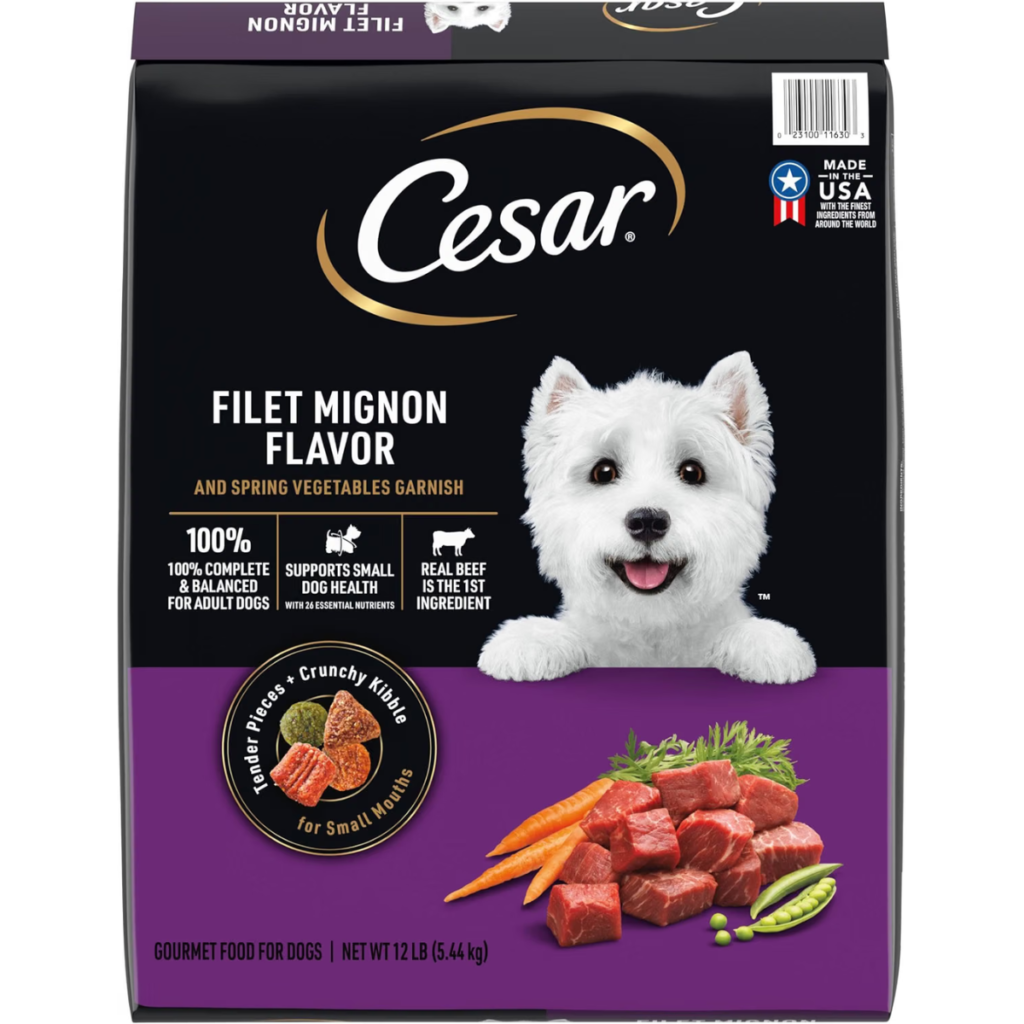
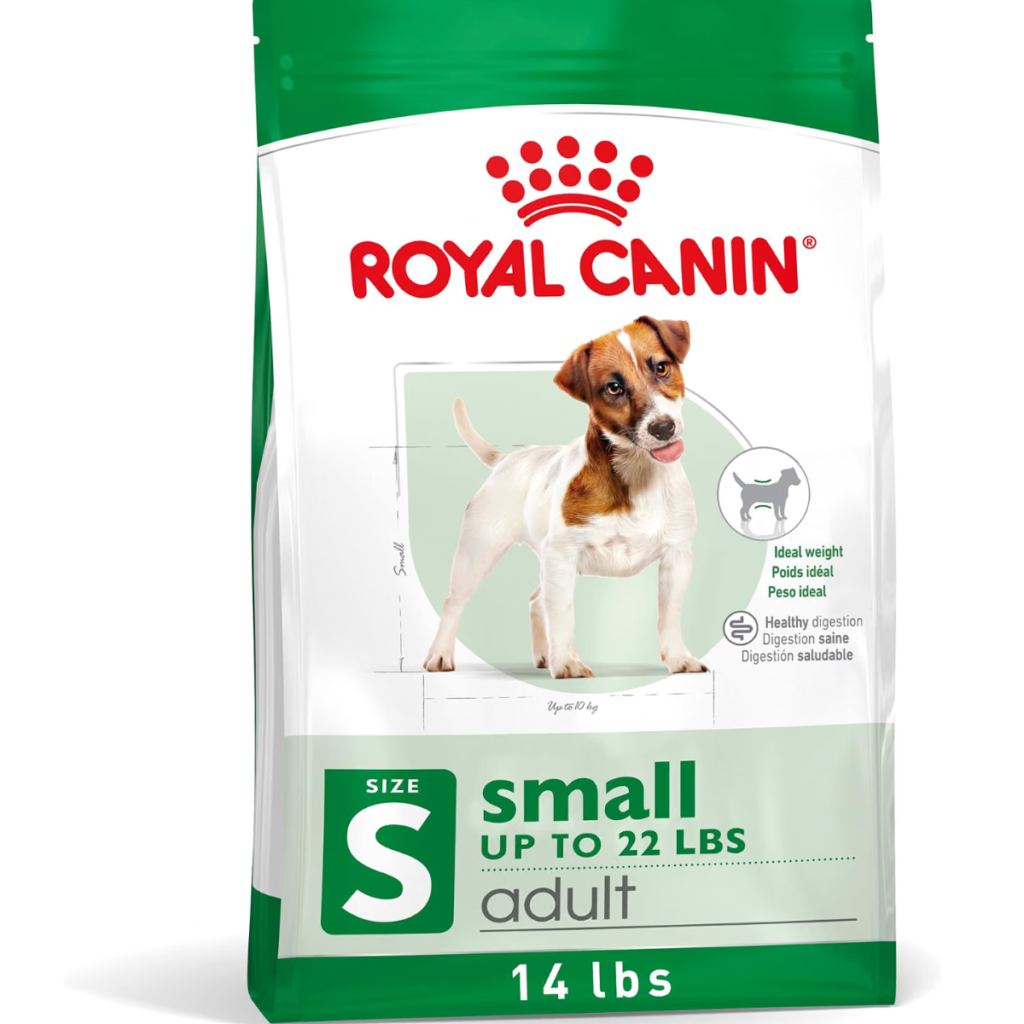
Dry dog food is popular because it is convenient, easy to measure, generally easy to store, and available in many small-breed formulas.
A good dry food for a small dog should provide:
- Appropriate calorie density
- Complete and balanced nutrition
- Small, manageable kibble
- Suitable protein and fat levels
- Ingredients your dog tolerates well
- A formula appropriate for the dog’s life stage
Dry food can also make portion measurement easier than some other feeding approaches because individual pieces can be measured by weight or volume.
Best Wet Dog Food for Small Dogs
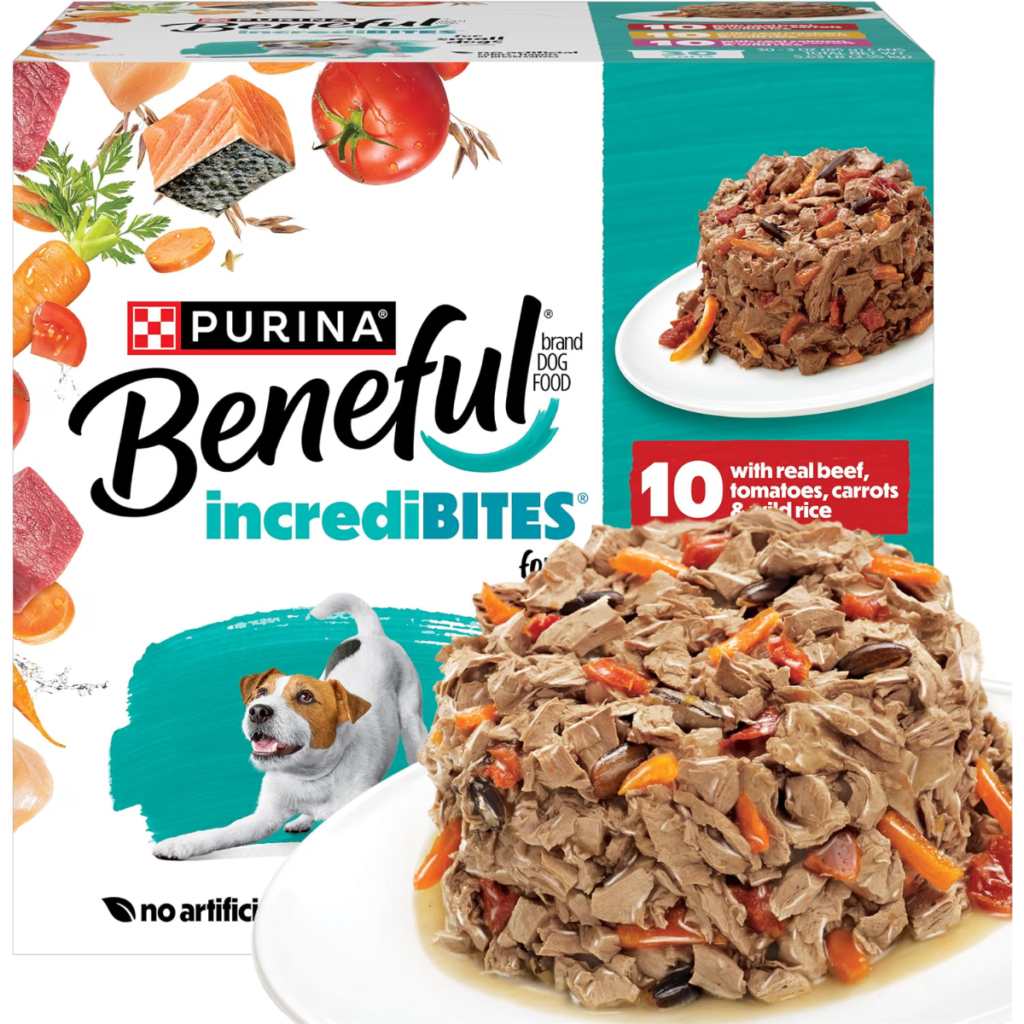
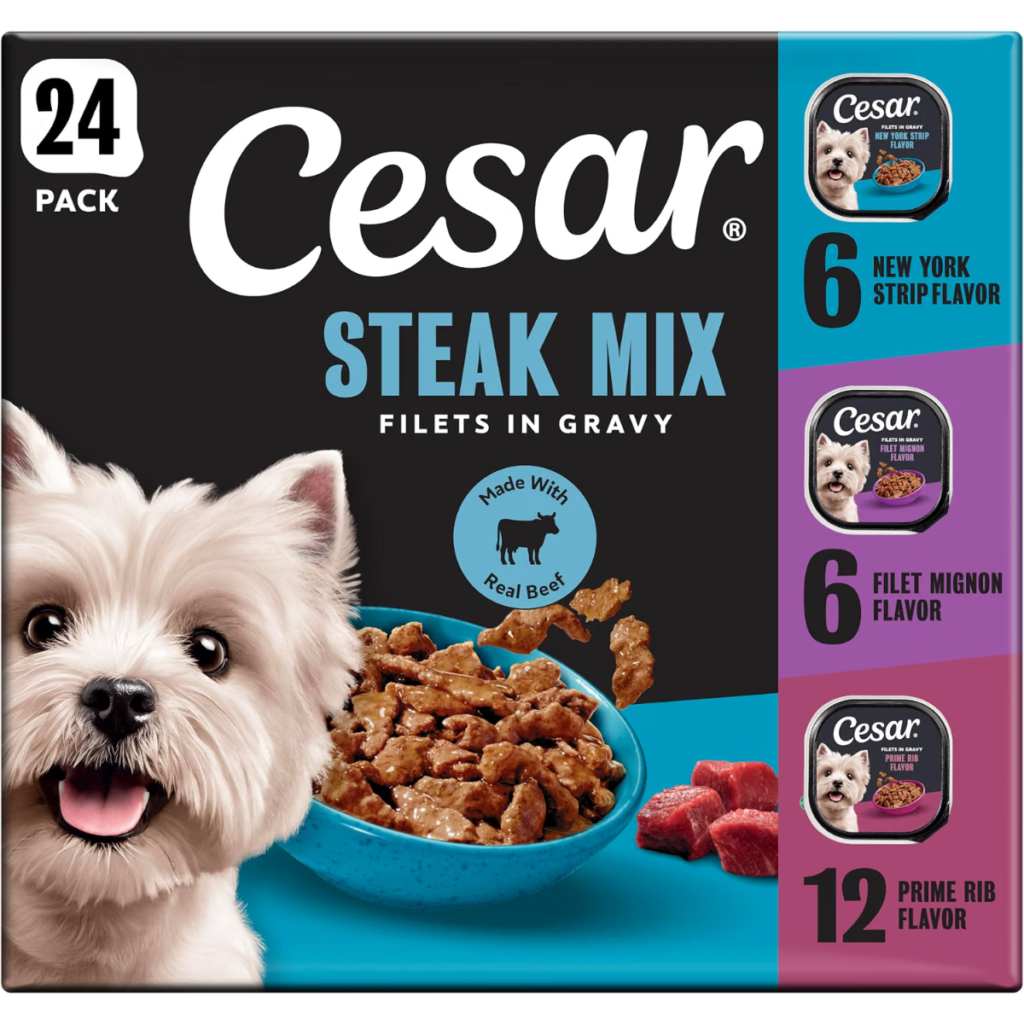
Wet dog food can be useful for small dogs that prefer softer textures or stronger aromas.
It may be particularly helpful for some:
- Picky eaters
- Older dogs
- Dogs with certain dental limitations
- Dogs that benefit from increased dietary moisture
Wet food can also be mixed with dry food as a topper or used as part of a combination-feeding plan.
If wet food is going to provide most or all of your dog’s diet, make sure the product is intended to provide complete and balanced nutrition rather than being labeled only for intermittent or supplemental feeding. AAFCO distinguishes complete foods from treats and supplemental products.
Best Small Breed Puppy Food

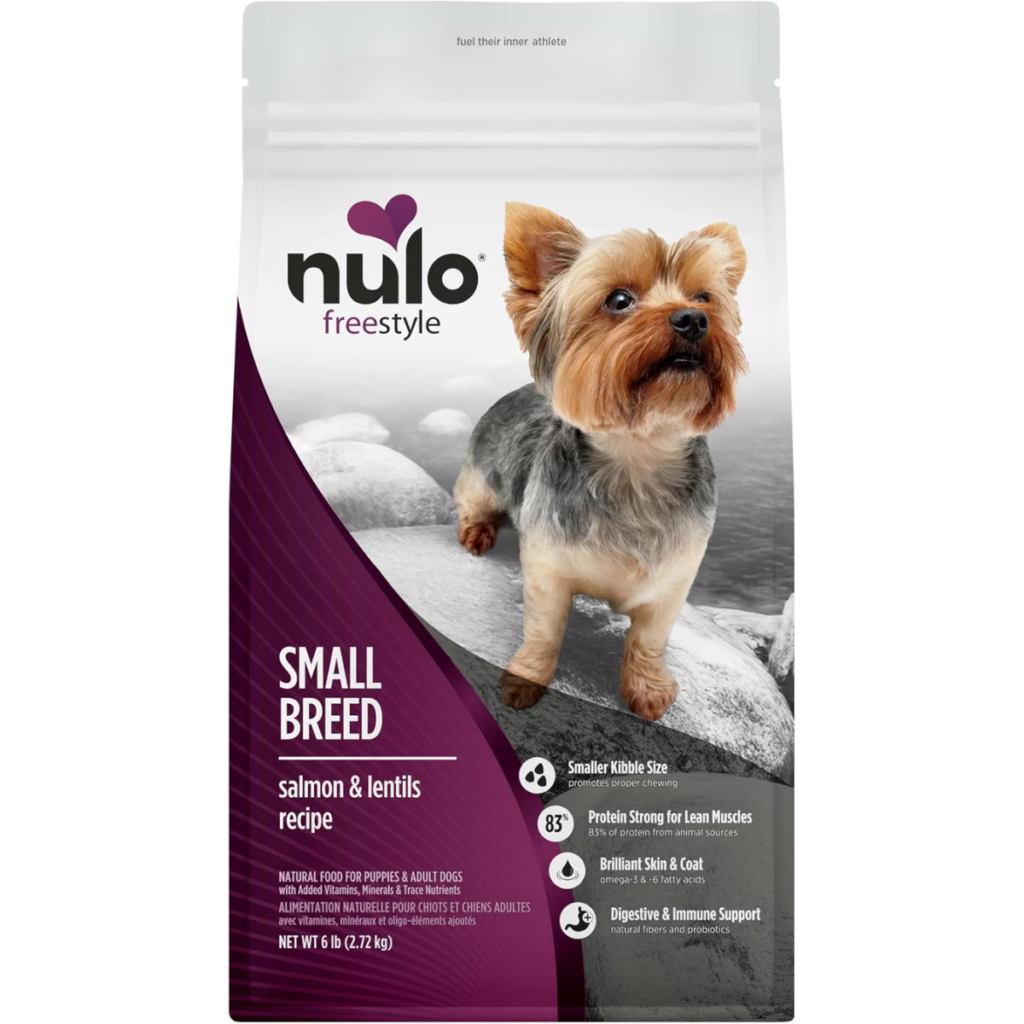
Small puppies have different nutritional requirements from adult dogs because they are growing rapidly.
A small-breed puppy food should be formulated for growth or an appropriate all-life-stages designation and should provide the nutrients required for development.
When choosing puppy food, consider:
- Growth-stage nutritional adequacy
- Appropriate calorie density
- Digestible protein
- Essential fats
- Appropriate calcium and phosphorus balance
- Small kibble that the puppy can manage
- Feeding directions based on the puppy’s current size and expected growth
Puppies should not automatically be placed on an adult maintenance formula simply because they are a small breed.
Best Dog Food for Senior Small Dogs
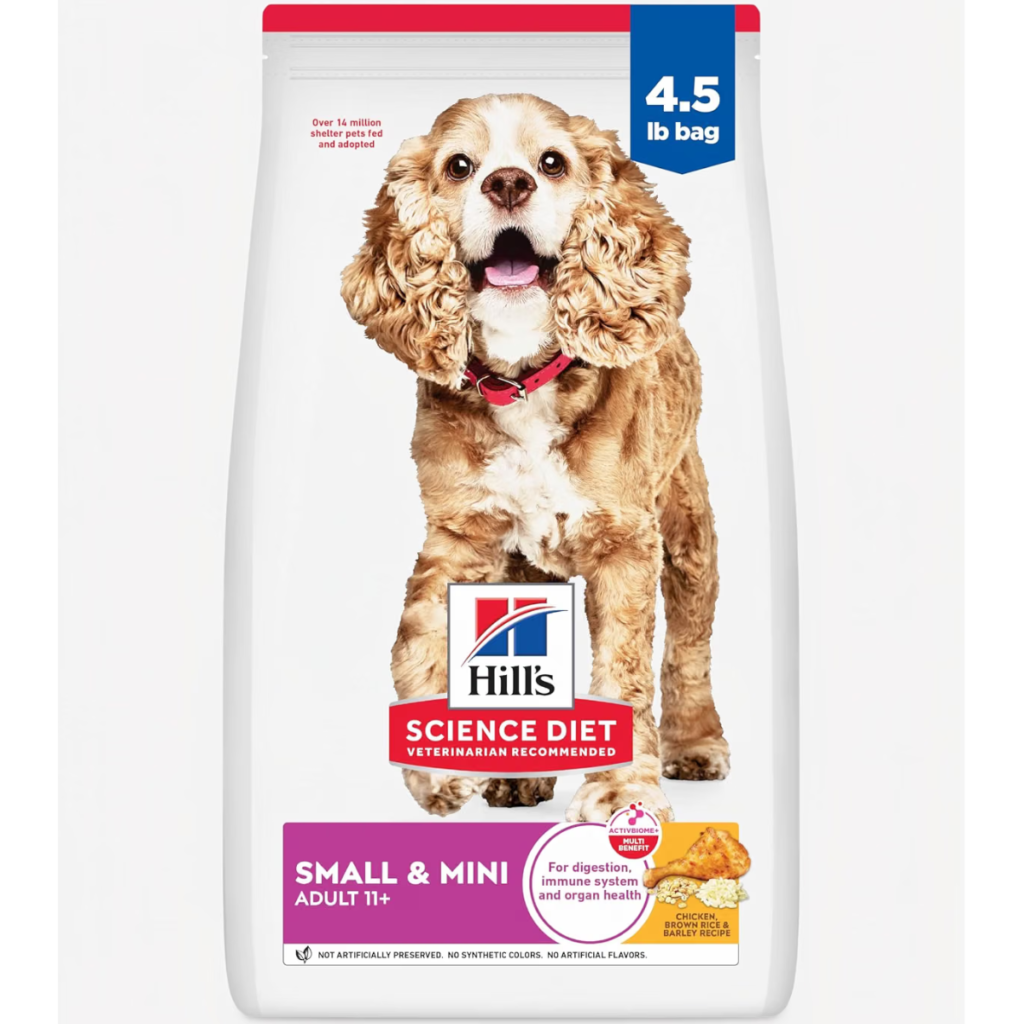
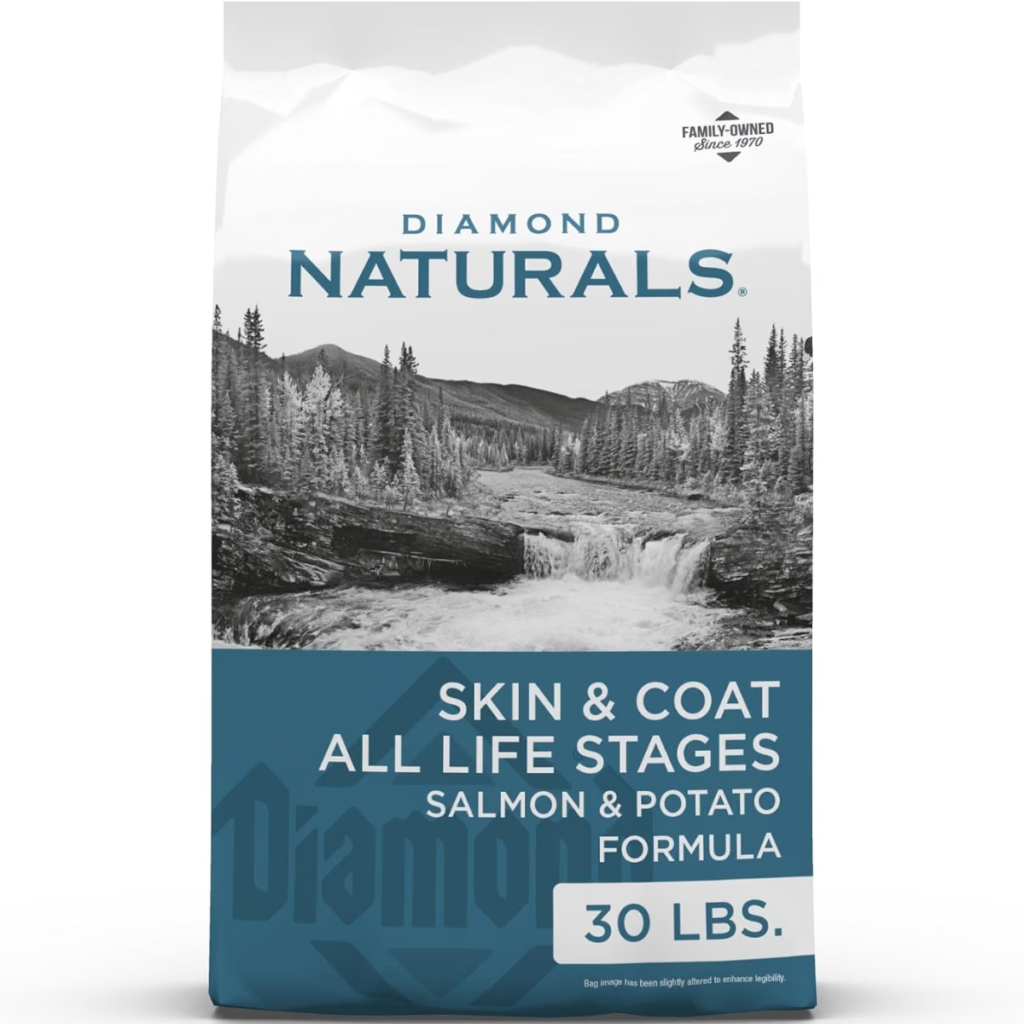
Small dogs often have long lifespans, so many owners eventually face the question of what to feed an aging companion.
There is an important labeling point here: AAFCO does not have a separate “senior” nutrient profile. Senior foods may still be formulated around adult maintenance or other recognized nutritional standards.
For an older small dog, consider:
- Body weight and body condition
- Activity level
- Digestive tolerance
- Dental health
- Muscle condition
- Joint health
- Any diagnosed medical conditions
An older dog that becomes less active may need fewer calories, but another senior dog may remain highly active.
Best Dog Food for Small Dogs With Sensitive Stomachs

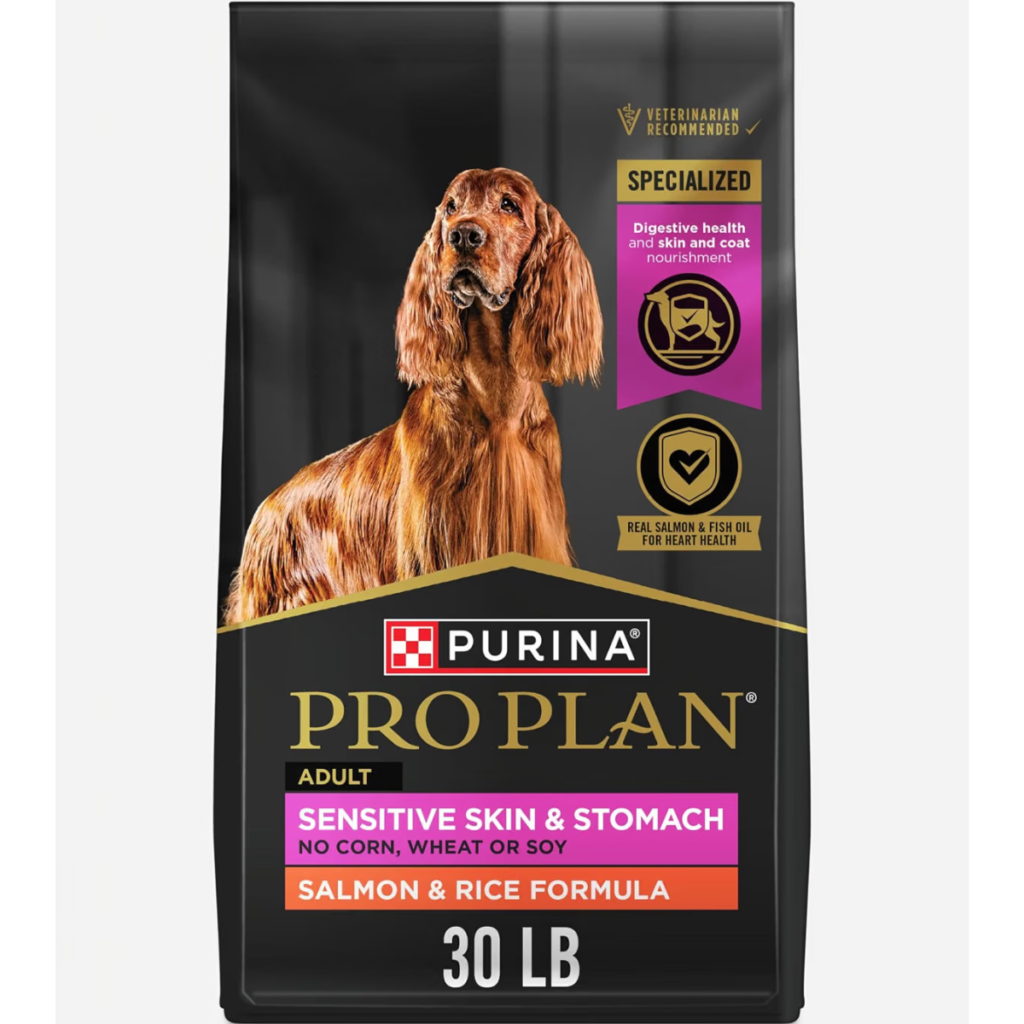
A sensitive stomach can make food selection more difficult.
Signs that may suggest your dog isn’t tolerating a food well can include:
- Repeated loose stools
- Vomiting
- Excessive gas
- Reduced appetite
- Changes in stool frequency
- Other recurring digestive problems
If your dog has occasional digestive upset, a gradual food transition and a simple, consistent diet may help.
Best Food for Picky Small Dogs
Small dogs are often described as picky eaters, but refusing food can have many causes.
Before continually changing foods, consider:
- Is the food fresh?
- Is the kibble too large?
- Are too many treats being offered?
- Has the dog’s appetite changed suddenly?
- Is there a dental problem?
- Is the feeding environment stressful?
- Is the dog receiving too much human food?
Wet food or a small amount of an appropriate topper may make meals more appealing for some dogs.
Small Kibble vs. Regular Kibble
Kibble size is one of the easiest differences to understand between small-breed and standard dog food.
A small dog may have difficulty comfortably chewing large pieces.
Appropriately sized kibble can make eating easier and may encourage some dogs to eat more comfortably.
However, don’t interpret kibble size as a guarantee against choking or dental disease. Dogs can still swallow food too quickly, and dental health requires proper veterinary care.
If your dog consistently struggles to chew, drops food, refuses hard food, has bad breath, or shows signs of mouth pain, schedule a veterinary dental evaluation.
How Much Food Should a Small Dog Eat?
There is no single daily amount that is correct for every small dog.
A 5-pound dog, 10-pound dog, and 20-pound dog can have very different calorie requirements. Two dogs of the same weight may also need different amounts because one is highly active while the other is sedentary.
Start with:
- Your dog’s current body weight.
- The calorie content of the food.
- The feeding guide on the package.
- Your dog’s activity level.
- Your dog’s body condition.
- Advice from your veterinarian when needed.
How Often Should You Feed a Small Dog?
Many adult small dogs do well with two meals per day.
Some dogs may benefit from smaller, more frequent meals depending on their individual needs, appetite, activity, or veterinary recommendations.
Puppies generally require more frequent feeding than adult dogs.
Instead of following a rigid feeding schedule for every small dog, use the food label and your veterinarian’s recommendations as the starting point.
Is Grain-Free Dog Food Better for Small Dogs?
Not automatically.
A grain-free label does not by itself mean a food is healthier or more nutritious for a small dog.
Dogs can digest properly cooked grains, and ingredients such as rice, oats, barley, and other grains can contribute carbohydrates, fiber, and nutrients.
If your dog has a diagnosed food sensitivity or your veterinarian has recommended a specific diet, follow that individualized advice.
Dry Food vs. Wet Food: Which Is Better?
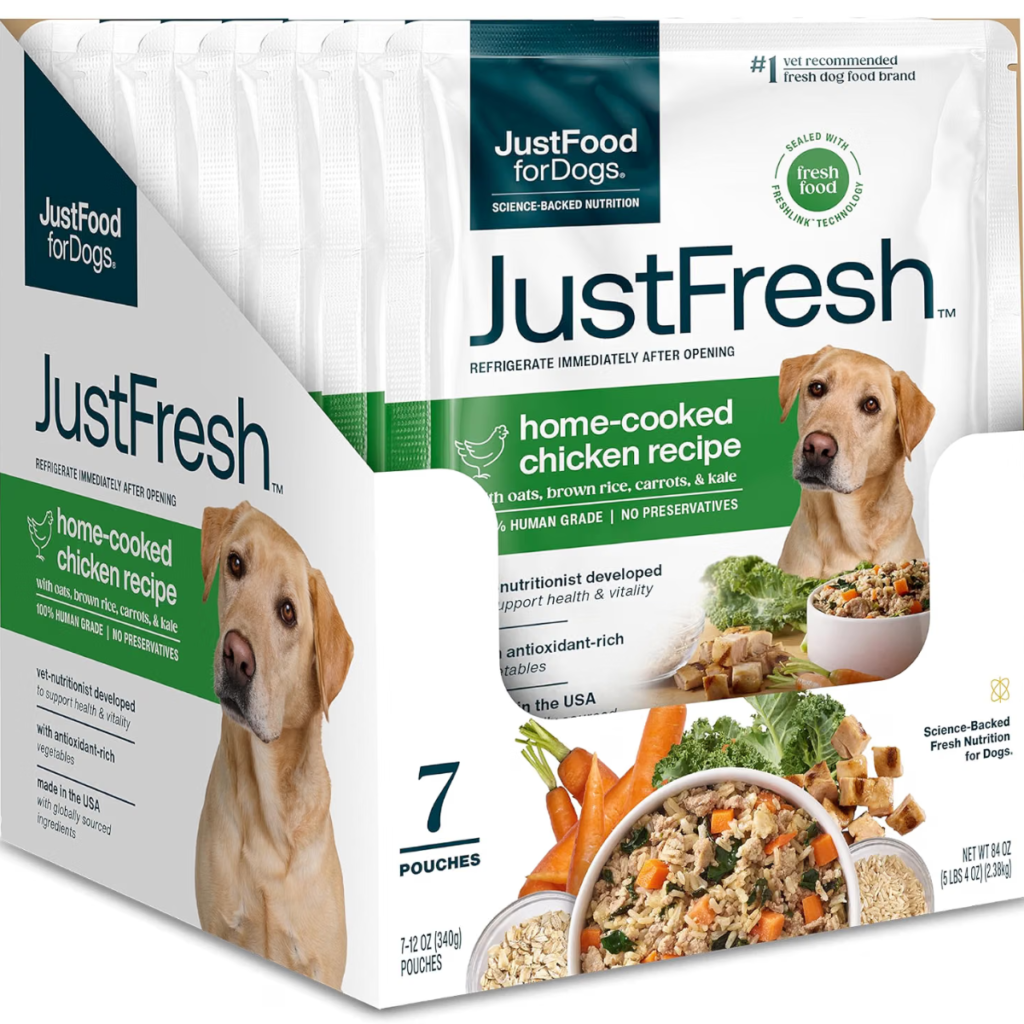

Neither is automatically the best choice for every small dog.
Dry food may be better when you want:
- Easy storage
- Simple portion measurement
- Convenient feeding
- Small-breed kibble options
- A lower-moisture diet
Wet food may be better when you want:
- A softer texture
- Stronger aroma and palatability
- Additional dietary moisture
- An option for dogs that struggle with hard food
How to Switch Your Small Dog to a New Food
Don’t make a sudden food change unless your veterinarian specifically instructs you to do so.
A gradual transition can help reduce digestive upset.
Days 1–2: Mostly Old Food
Begin with approximately 75% of the old food and 25% of the new food.
Days 3–4: Half and Half
Move toward a 50/50 mixture if your dog is tolerating the change.
Days 5–6: Mostly New Food
Use approximately 25% old food and 75% new food.
Days 7 and Beyond: New Food
If your dog is doing well, transition to the new food completely.
Common Feeding Mistakes Small Dog Owners Should Avoid
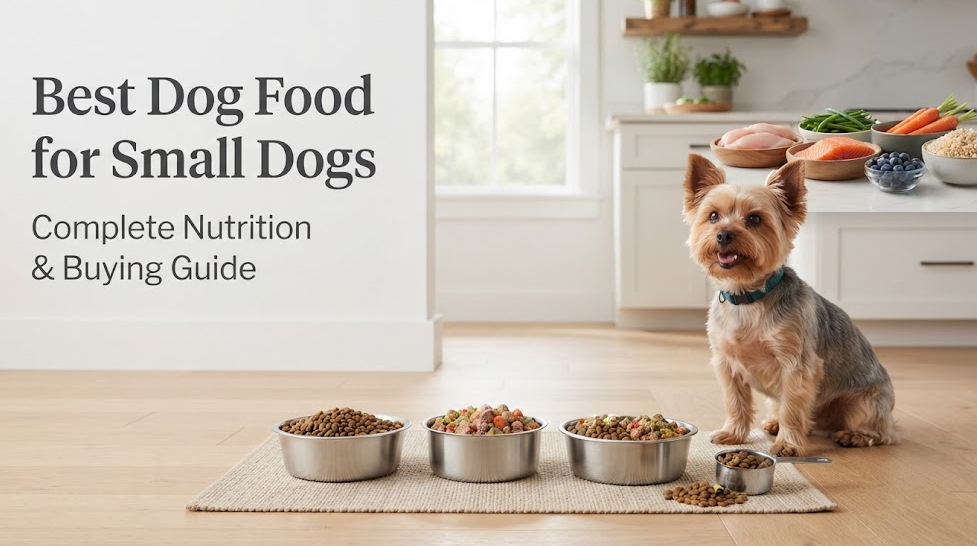
1. Overfeeding
A few extra treats may represent a large percentage of a small dog’s daily calories.
2. Ignoring Treat Calories
Treats should be considered part of the overall daily intake rather than “free calories.”
3. Choosing Food Only Because of Marketing
Words such as premium, natural, holistic, and superfood don’t replace nutritional adequacy and appropriate calorie information.
4. Using the Wrong Life-Stage Formula
A growing puppy and an adult maintenance dog do not have identical nutritional requirements.
5. Changing Food Too Frequently
Constantly changing food can make it difficult to determine which ingredients your dog tolerates.
6. Ignoring Dental Problems
Difficulty eating isn’t always a kibble-size issue. Dental disease can make chewing painful.
7. Measuring Food Inconsistently
A little extra food every day can gradually result in unwanted weight gain.
Signs Your Small Dog Is Doing Well on Its Food
A suitable diet should support overall health rather than producing one dramatic visible result.
Potential signs include:
- Stable, healthy body weight
- Good energy
- Normal appetite
- Well-formed stools
- Healthy-looking skin
- A healthy coat
- Normal muscle condition
- Comfortable eating
- Good overall activity
On the other hand, recurring digestive problems, unexplained weight changes, persistent itching, poor appetite, lethargy, or difficulty chewing deserve further investigation.
FAQ About Best Dog Food for Small Dogs
The best dog food is one that is complete and balanced for your dog's life stage, provides appropriate calories, is comfortable for your dog to eat, and supports healthy body weight and digestion. A small-breed formula can be a useful choice because it commonly considers smaller mouths and the nutritional needs of small dogs.
The best dry food should have complete and balanced nutrition, an appropriate calorie level, digestible ingredients, and kibble that your dog can comfortably chew.
Start with the feeding instructions on the specific food package and adjust according to your dog's body condition, activity, age, and veterinary advice. Food calorie density varies significantly between formulas.
Puppies generally need food formulated for growth or an appropriate all-life-stages diet rather than simply an adult-maintenance food. Check the nutritional adequacy statement before buying.
Every dog is an individual, and their ideal diet will depend on factors including their age and health. Small dogs should eat small-size kibble or wet food that’s formulated for their metabolic needs.
Dry food is a good choice for many small dogs. Dry food can help keep teeth clean while reducing plaque and tartar, and is convenient for pet parents.
Not necessarily. Unless your dog has a specific allergy to grains like rice or barley, whole grains provide excellent fiber and energy. Many veterinarians now recommend inclusive-grain diets for heart health, so it's always best to check with your vet before going grain-free.
While you can, it’s usually better to choose a formula specific to their current life stage and breed size. All-life-stages food must meet the high nutritional requirements of a growing puppy, which can often lead to excessive calorie intake and weight gain for an adult or senior small dog.
Final Thoughts
The Best dog food for small dogs is one that provides complete and balanced nutrition while matching your dog’s age, activity level, weight, and individual needs. Choose an appropriate calorie level, manageable kibble size, quality protein, and ingredients your dog tolerates well.
Whether you choose dry, wet, or a combination, focus on proper portions and monitor your dog’s weight, digestion, energy, and overall health. If your dog has allergies, ongoing digestive problems, or other health concerns, consult your veterinarian for personalized advice.
With the right food and consistent feeding routine, you can help your small dog stay healthy, active, and happy for years to come.