

Best Small Breed Puppy Food in 2026: Top Picks for Healthy Growth

Best Small Breed Puppy Food is an important part of raising a healthy dog. Puppies such as Chihuahuas, Yorkshire Terriers, Pomeranians, Maltese, Dachshunds, and Toy Poodles have small mouths and growing bodies that need balanced nutrition. Because some small puppies eat only a little at each meal, their food needs to provide essential nutrients and enough energy in manageable portions.
The best small breed puppy food is not necessarily the most expensive option. Look for a complete and balanced diet formulated for growth, choose a kibble size your puppy can comfortably eat, and follow feeding guidance based on your puppy’s age, weight, and expected adult size.
In this guide, we compare popular small-breed puppy food options, explain what nutrients growing dogs need, and share practical tips for feeding your puppy in the United States.
What Is the Best Small Breed Puppy Food?
The Best Small Breed Puppy Food Provides complete and balanced nutrition for healthy growth. Choose a formula designed for puppies that meets your dog’s nutritional needs and expected adult size.
Key factors to consider when choosing small breed puppy food:
Complete Nutrition: Supports healthy growth and development.
Small Kibble Size: Makes food easier for little mouths to pick up and chew.
Calorie Content: Provides enough energy without encouraging excessive weight gain.
Essential Nutrients: Protein, fats, vitamins, minerals, and fatty acids support development.
Quality Standards: Look for reliable manufacturing and quality-control practices.
Feeding Cost: Compare daily feeding costs and recommended portions.
Tip: Check the nutritional adequacy statement on the package. Small-breed adult dog food is not automatically suitable for puppies. Measure portions carefully and consult your veterinarian if you need help choosing the right formula.
7 Best Small Breed Puppy Foods Brands
1. Hill's Science Diet Puppy Small & Mini Dry Dog Food
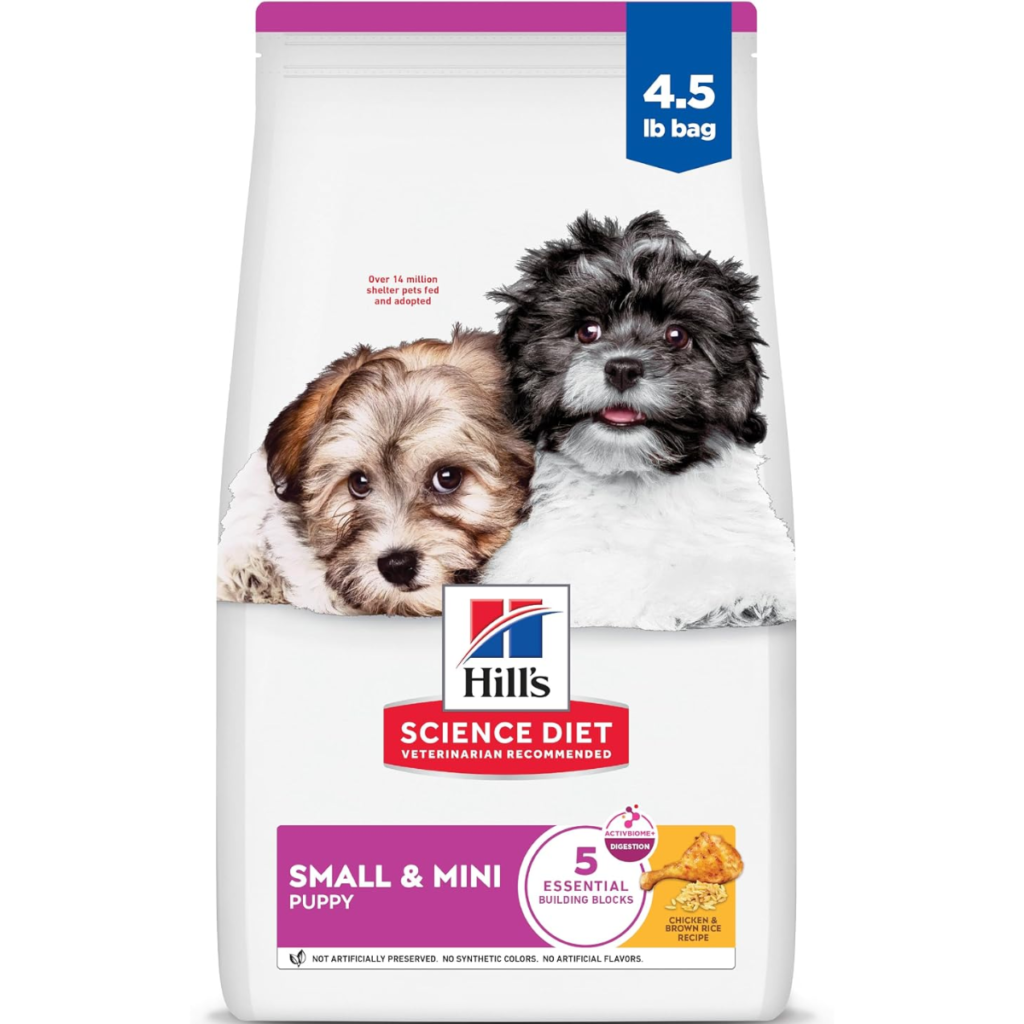
Hill’s Science Diet Puppy Small & Mini Chicken & Brown Rice Recipe is specially formulated to meet the nutritional needs of small-breed puppies. Made with high-quality protein and natural ingredients, it supports muscle development and healthy growth. DHA from fish oil helps promote brain and eye development, while balanced minerals support strong bones and teeth. An antioxidant blend helps support the developing immune system, and prebiotic fibers promote digestive health and a balanced gut microbiome. This nutritious dry food helps small and mini puppies get a healthy start in life.
Benefits & Key Points
Healthy Growth: Supports small-breed puppy development.
Strong Bones & Teeth: Balanced minerals support bone health.
Brain & Eye Health: DHA supports healthy development.
Muscle Development: High-quality protein builds strong muscles.
Digestive Health: Prebiotic fibers support gut balance.
Immune Support: Antioxidants help support natural defenses.
2. Royal Canin Size Health Nutrition Small Puppy Dry Dog Food
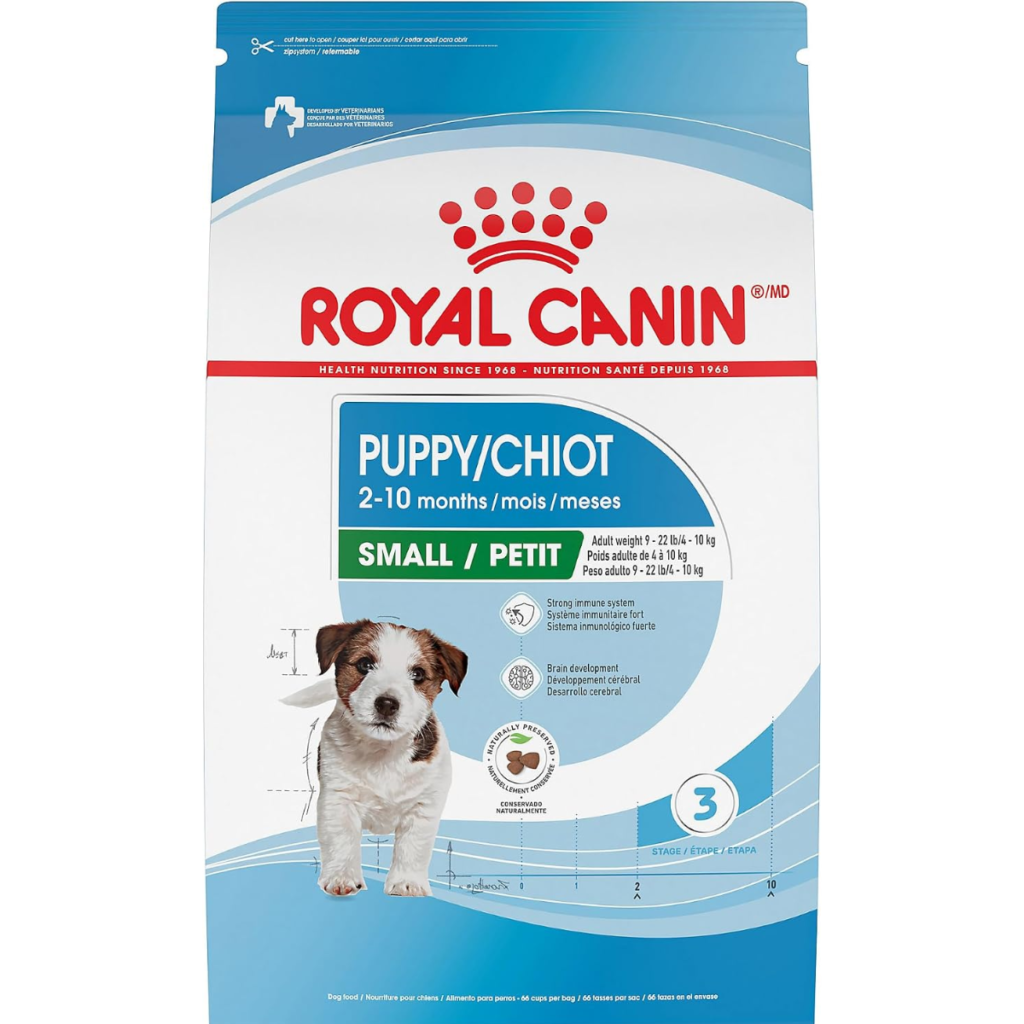
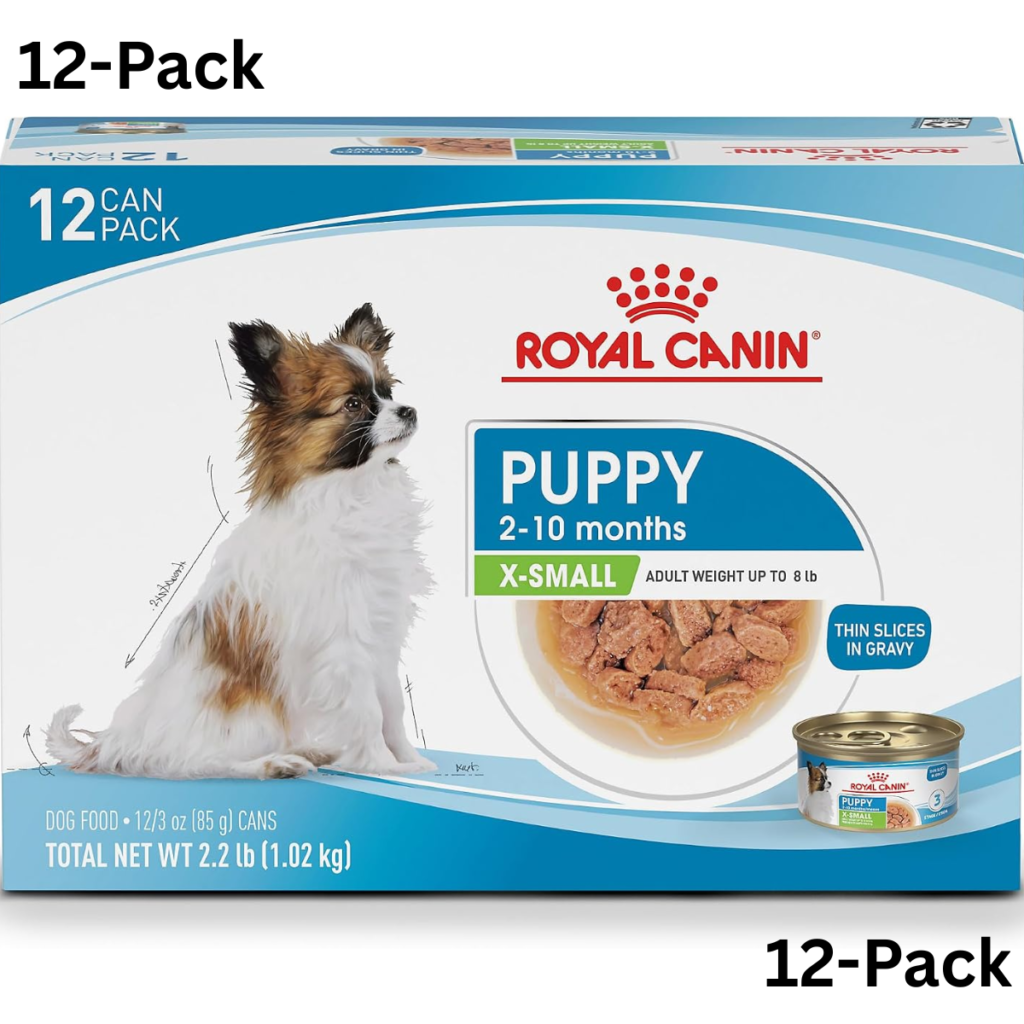
Royal Canin Small Puppy Dry Dog Food is formulated for puppies aged 2–10 months expected to weigh 9–22 pounds as adults. Its nutrient-rich recipe helps meet the energy demands of growing small-breed puppies. DHA and omega-3 fatty acids support brain development, while vitamins C and E help support the developing immune system. Prebiotics and highly digestible proteins promote digestive health, and the crunchy kibble provides a convenient everyday meal. For added variety, pet parents can mix it with Royal Canin Small Puppy Thin Slices in Gravy wet food.
Benefits & Key Points
Age-Specific Formula: Designed for puppies aged 2–10 months.
Brain Development: DHA and omega-3s support growing brains.
Energy Support: Helps meet small puppies’ growth needs.
Immune Health: Vitamins C and E support immunity.
Digestive Balance: Prebiotics promote healthy digestion.
Flexible Feeding: Can be combined with matching wet food.
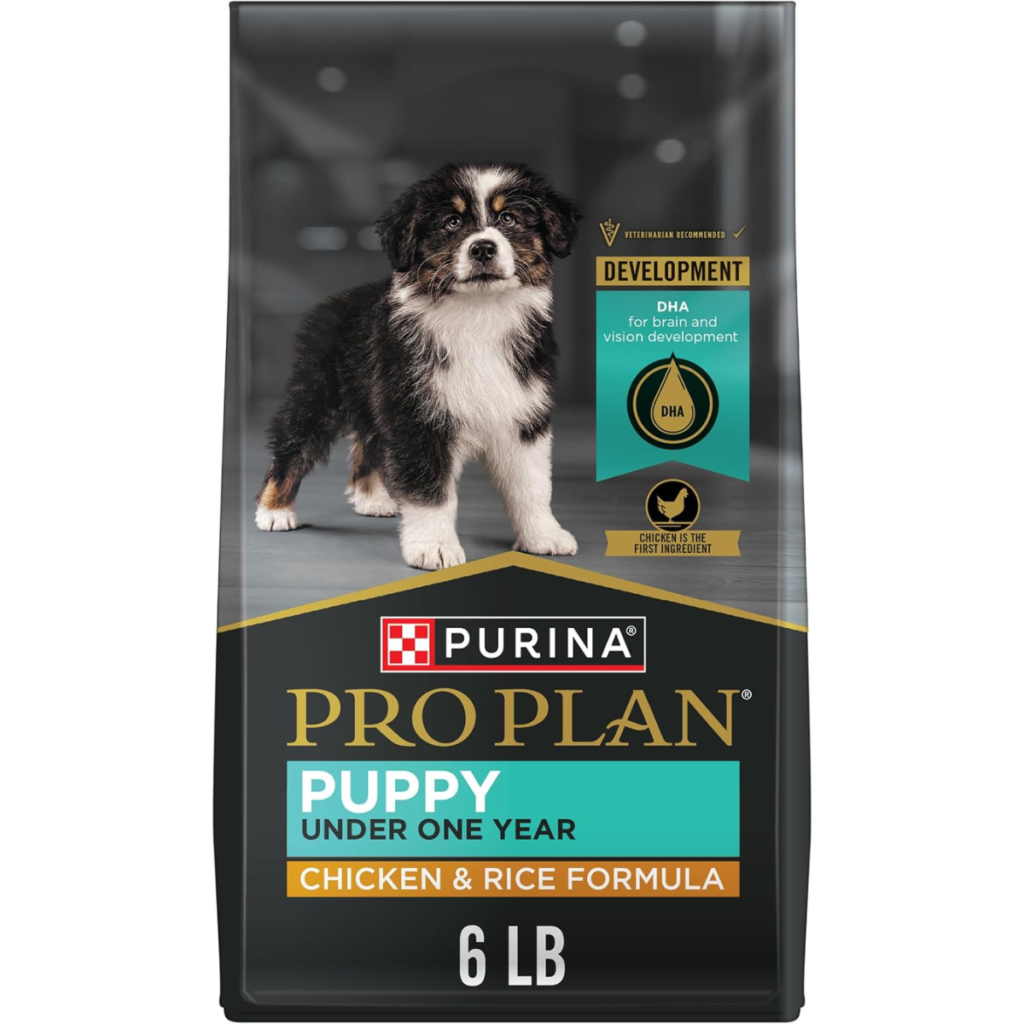
3. Purina Pro Plan Puppy Formula Dry Dog Food

Purina Pro Plan Puppy Shredded Blend Chicken and Rice Formula is designed for puppies under one year old, combining traditional crunchy kibble with tender shredded pieces for a more varied texture. Real chicken is the first ingredient, providing protein for growing muscles, while rice supplies carbohydrates for energy. DHA from fish oil supports brain and vision development, and live probiotics help maintain digestive and immune health. Calcium, phosphorus, and other essential minerals contribute to strong bones and teeth. With no artificial colors or flavors, this formula offers complete and balanced nutrition during a puppy’s important early growth stages.
Benefits & Key Points
Real Chicken: Provides protein for growing muscles.
Dual Texture: Crunchy kibble and tender shredded pieces.
Brain Development: DHA supports brain and vision health.
Digestive Support: Live probiotics help maintain gut health.
Strong Bones & Teeth: Calcium and phosphorus support development.
Daily Nutrition: Complete and balanced for growing puppies.
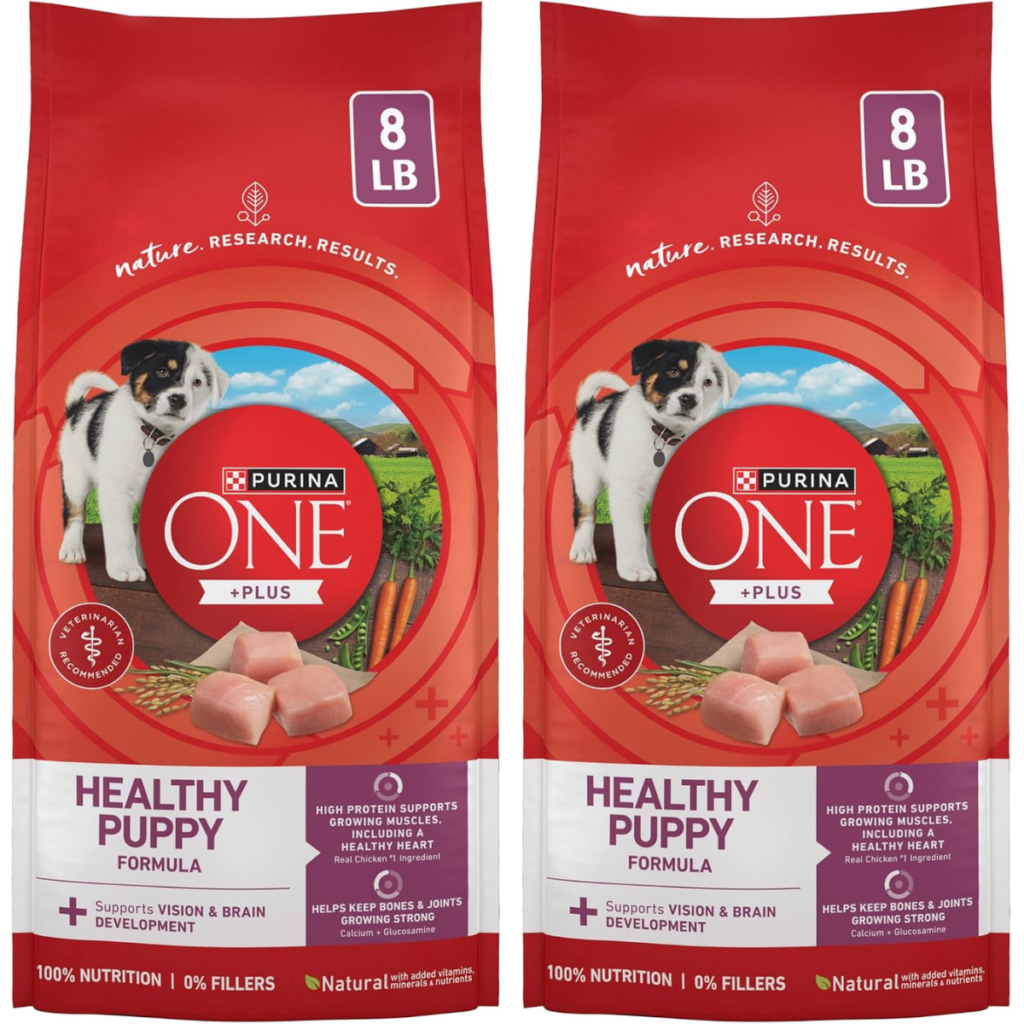
4. Purina ONE Plus Healthy Puppy Dry Food
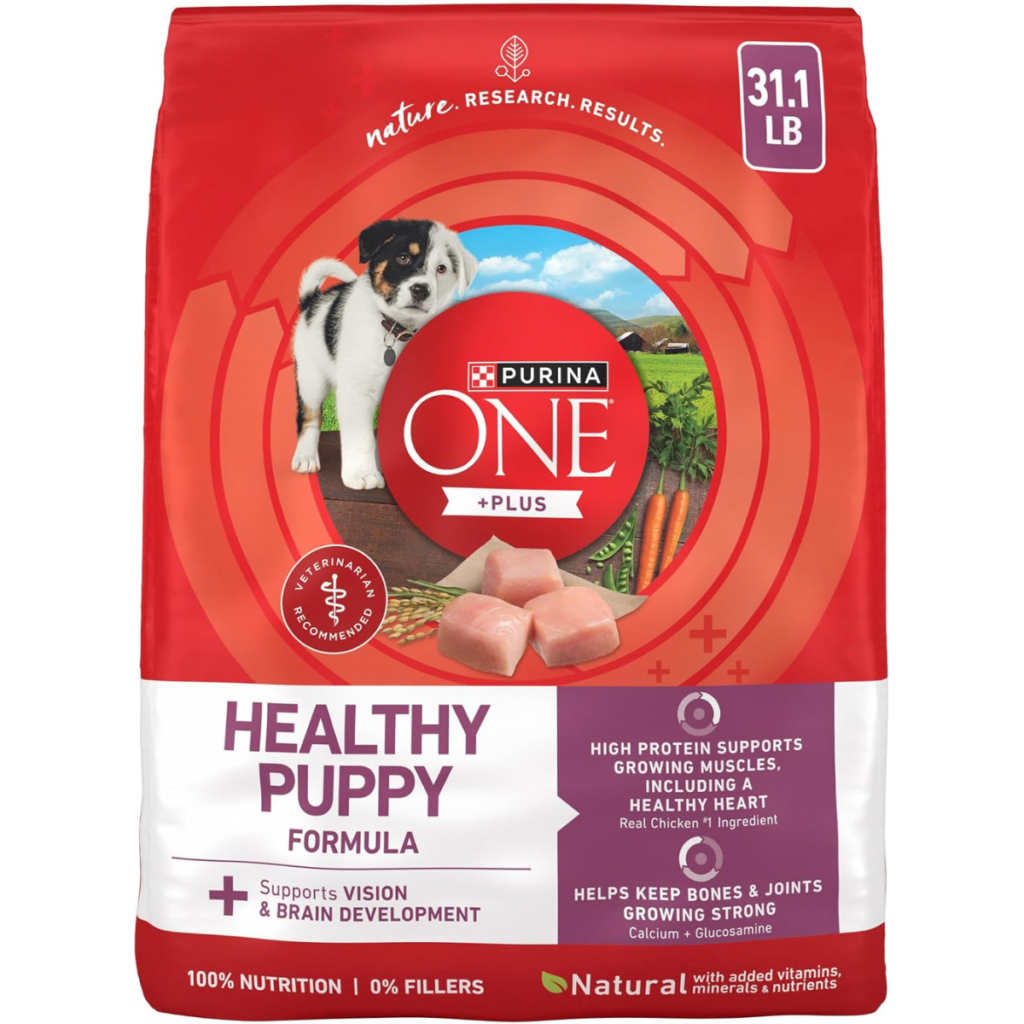
Purina ONE Plus Healthy Puppy Formula is a chicken-based dry food formulated to provide complete nutrition for growing puppies of all breeds. Real chicken is the first ingredient, supplying protein for muscle development and a healthy heart. DHA supports developing brain and vision, while four sources of antioxidants help maintain immune health. Natural glucosamine sources support joint health, and omega-6 fatty acids help nourish the skin and coat. Crunchy kibble and tender meaty morsels offer varied textures, while calcium helps support strong teeth and healthy gums. The recipe contains no artificial flavors or preservatives.
Benefits & Key Points
Chicken Protein: Supports growing muscles and heart health.
Brain & Vision: DHA supports healthy development.
Immune Support: Four antioxidant sources help maintain immunity.
Joint Health: Natural glucosamine sources support joints.
Healthy Coat: Omega-6 fatty acids nourish skin and fur.
Strong Teeth: Calcium supports teeth and healthy gums.
5. IAMS Proactive Health Small Breed Dry Dog Food
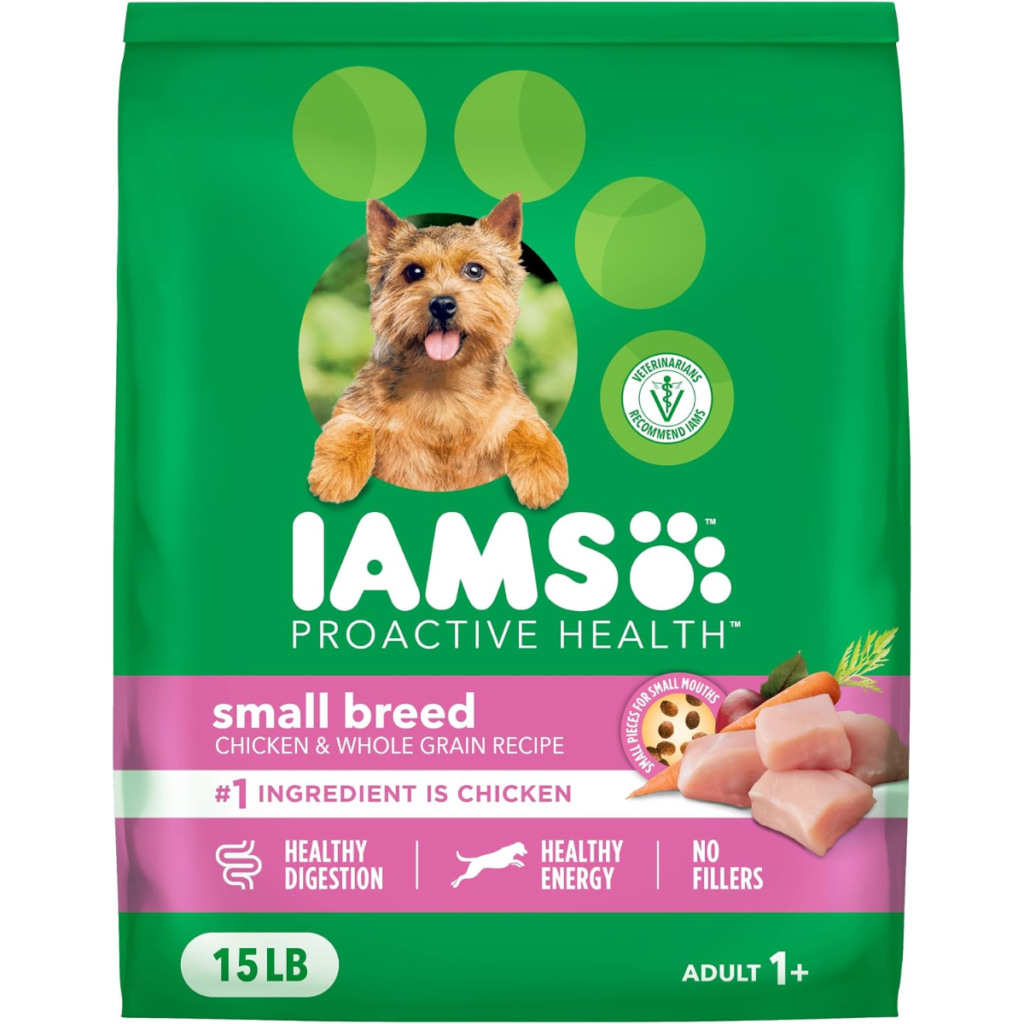
IAMS Proactive Health Small Breed Adult Dry Dog Food is formulated for adult small-breed dogs, with small kibble pieces suited to their smaller mouths. Real chicken is the first ingredient, providing protein for maintaining muscle strength. Wholesome grains supply energy for daily activities, while a blend of natural fiber and prebiotics supports digestion and nutrient absorption. The crunchy texture helps clean teeth during chewing, and antioxidants support immune health. Omega-6 fatty acids help nourish the skin and maintain a shiny coat. This chicken and whole grain recipe provides complete, balanced nutrition for everyday feeding.
Benefits & Key Points
Real Chicken: Provides protein for muscle maintenance.
Small Kibble: Suits small mouths and easier chewing.
Digestive Health: Fiber and prebiotics support digestion.
Daily Energy: Whole grains provide energy for activity.
Healthy Skin & Coat: Omega-6 supports skin and coat condition.
Immune Support: Antioxidants help maintain natural defenses.
6. Blue Buffalo Life Protection Small Breed Dry Dog Food
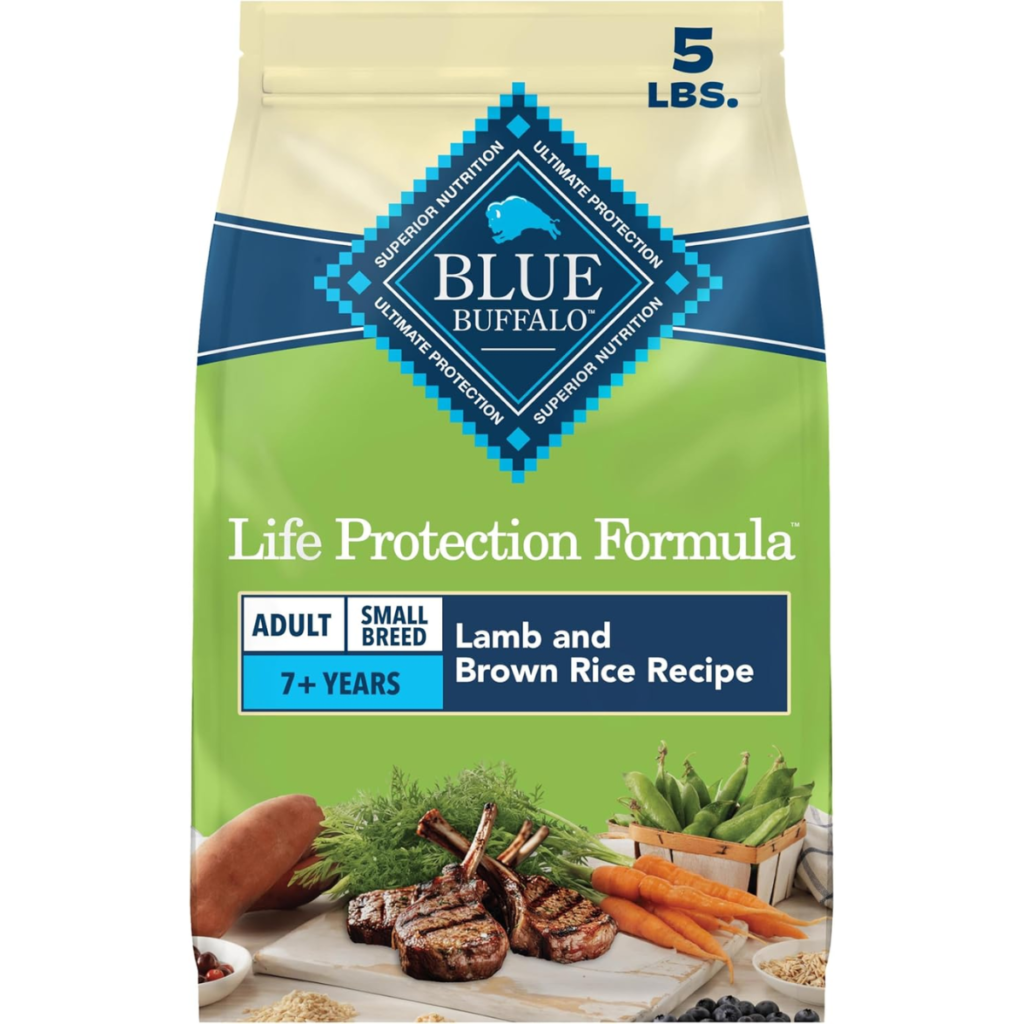
Blue Buffalo Life Protection Formula Small Breed Dry Dog Food features real deboned lamb as its first ingredient to help maintain strong muscles in adult small-breed dogs. Made with brown rice, barley, and oatmeal, this recipe provides carbohydrates for daily energy and fiber to support healthy digestion. Natural prebiotic fiber helps maintain regular stool quality, while antioxidant-rich LifeSource Bits provide vitamins and minerals to support immune health. The formula also contains omega fatty acids for skin and coat health. It is made without corn, wheat, soy, artificial flavors, or preservatives and provides complete, balanced nutrition for adult dogs.
Benefits & Key Points
Real Lamb: Supports strong muscles.
Small-Breed Nutrition: Meets daily energy needs.
Digestive Health: Prebiotic fiber supports digestion.
Immune Support: Antioxidants, vitamins, and minerals.
Skin & Coat: Omega fatty acids promote a healthy coat.
No Artificial Additives: No artificial flavors or preservatives.
7. Wellness Complete Health Small Breed Puppy
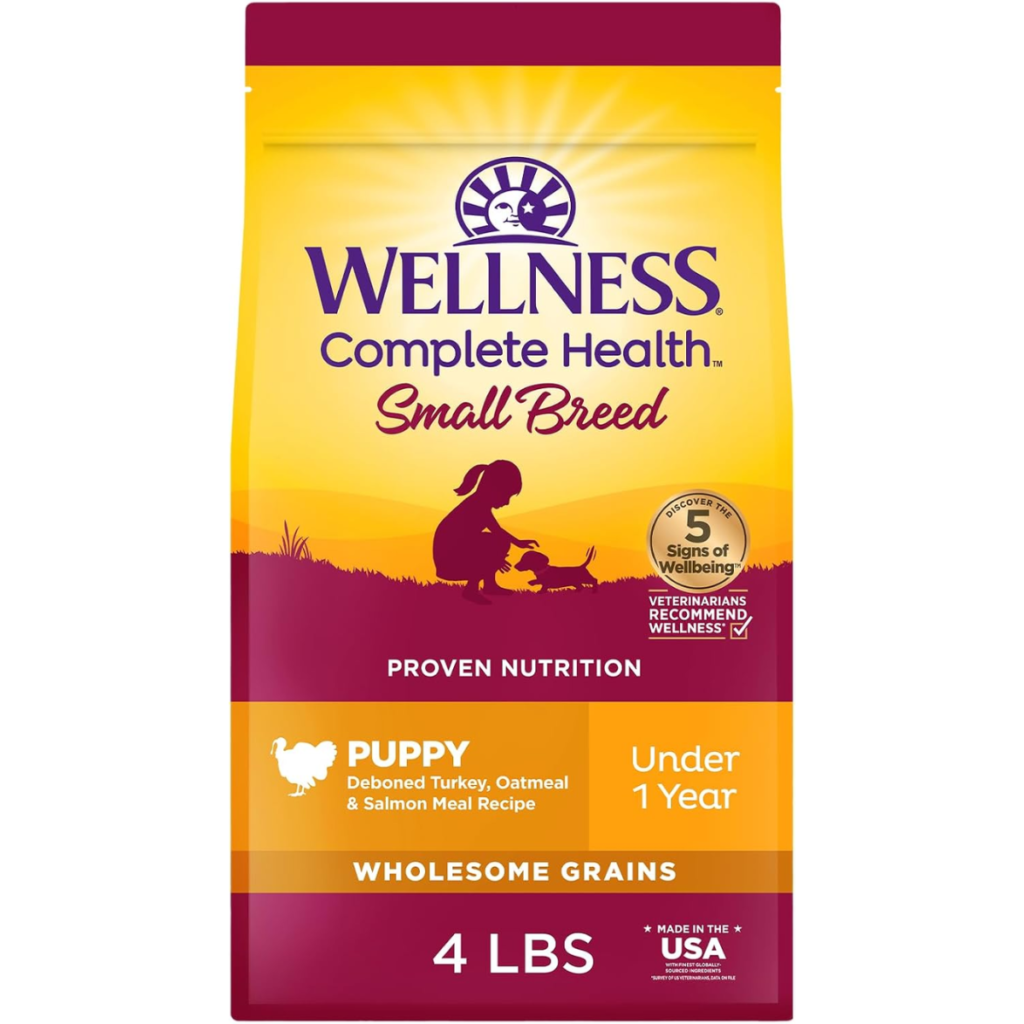
Wellness Complete Health Small Breed Puppy Food combines turkey, oatmeal, and salmon to provide protein and nutrients for growing puppies. Its crunchy kibble supports daily feeding, while probiotics promote digestive health. Antioxidants help support the immune system, and omega fatty acids nourish healthy skin and a shiny coat. Made with wholesome grains and carefully selected ingredients, this recipe contains no corn, wheat, soy, artificial colors, or preservatives. It is made in the USA with globally sourced ingredients.
Benefits & Key PointsTurkey & Salmon: Provide protein for growth.
Small-Breed Formula: Supports growing puppies’ nutritional needs.
Digestive Health: Probiotics support healthy digestion.
Immune Support: Antioxidants help maintain immune health.
Skin & Coat: Omega fatty acids nourish skin and coat.
No Artificial Additives: Free from artificial colors and preservatives.
Why Do Small Breed Puppies Need Special Food?
Small-breed puppies are not simply large-breed puppies in smaller bodies. Their size, energy needs, mouths, and feeding routines can make some foods more practical than others.
1. Higher Energy Needs Relative to Body Weight
Small dogs can require more calories per pound of body weight than larger dogs. Some small puppies also have limited stomach capacity, so they may need appropriately portioned meals offered more frequently.
2. Smaller Kibble Can Be Easier to Eat
Large pieces of kibble may be difficult for a tiny puppy to pick up and chew comfortably. A small-breed puppy formula may have pieces designed for smaller mouths.
3. Growth Requires Balanced Nutrients
Puppies need protein, fat, essential fatty acids, vitamins, and minerals to support normal development. A complete puppy diet is formulated to supply these nutrients in suitable proportions.
4. Tiny Puppies Need Careful Feeding Routines
Very young toy-breed puppies can be vulnerable to low blood sugar, particularly if they miss meals or are unwell. Follow a feeding schedule suited to your puppy’s age and size.
What Nutrients Should Small Breed Puppy Food Contain?
A balanced small-breed puppy diet should provide all the nutrients required for growth. Rather than selecting a food based on one nutrient, consider the overall nutritional profile.
Protein for Muscle and Tissue Development
Protein supplies amino acids that help build and maintain muscles and other tissues. Growing puppies need adequate protein, but the highest protein percentage does not automatically identify the best food.
Fat for Energy
Dietary fat provides concentrated energy and essential fatty acids. Small puppies need enough calories to support growth and daily activity, but excess energy can lead to unwanted weight gain.
DHA and Essential Fatty Acids
DHA is an omega-3 fatty acid associated with normal brain and eye development. Some puppy foods identify DHA or fish oil on their labels.
Calcium and Phosphorus for Bone Development
Calcium and phosphorus are essential for bones and teeth. The balance and amount of these minerals matter during growth.
Vitamins and Trace Minerals
Puppies need vitamins and minerals for normal metabolism, immune function, and development. A complete and balanced diet is designed to supply these nutrients in appropriate amounts.
Digestible Ingredients and Fiber
Digestibility and appropriate fiber can help support normal digestion. Different puppy foods use different sources of protein, carbohydrates, and fiber.
How to Choose the Best Small Breed Puppy Food
Before purchasing a bag of food, follow these steps to narrow down your options.
Step 1: Read the Nutritional Adequacy Statement
Check the package for a statement explaining whether the food is complete and balanced for growth or all life stages. A food intended only for adult maintenance may not provide the appropriate nutrient balance for a growing puppy.
AAFCO provides helpful information about pet-food labels and choosing appropriate diets:
Step 2: Consider Your Puppy’s Expected Adult Size
A Chihuahua and a Miniature Poodle may have different feeding needs from a puppy expected to grow into a much larger dog. If you have a mixed-breed puppy and are unsure of its likely adult size, ask your veterinarian for guidance.
Step 3: Check Kibble Size and Calorie Content
Your puppy should be able to eat the food comfortably. Review the calorie information and serving guidance so you can provide an appropriate amount.
Step 4: Evaluate the Manufacturer
Look for information about the manufacturer’s nutritional expertise, quality-control processes, research, and ability to answer questions about its products.
Step 5: Compare the Daily Cost
A larger bag is not always the best value if the food is unsuitable or your puppy cannot eat it comfortably. Compare the cost of the amount your puppy needs each day.
Step 6: Ask Your Veterinarian About Special Needs
If your puppy has persistent digestive problems, suspected allergies, poor growth, or another health concern, seek veterinary advice before switching between multiple foods.
Small Breed Puppy Feeding Schedule
The following is a general starting point, not a rule for every dog.
| Age | General Feeding Pattern |
|---|---|
| Around 6–12 weeks | Often four meals per day |
| Around 3–6 months | Often three meals per day |
| Around 6–12 months | Many puppies can move toward two meals per day |
| After maturity | Many dogs continue eating two meals daily |
Very young toy-breed puppies may need more frequent meals. Ask your veterinarian for a schedule suited to your puppy’s size and age, especially if your puppy is underweight, has a poor appetite, or has had low blood sugar.
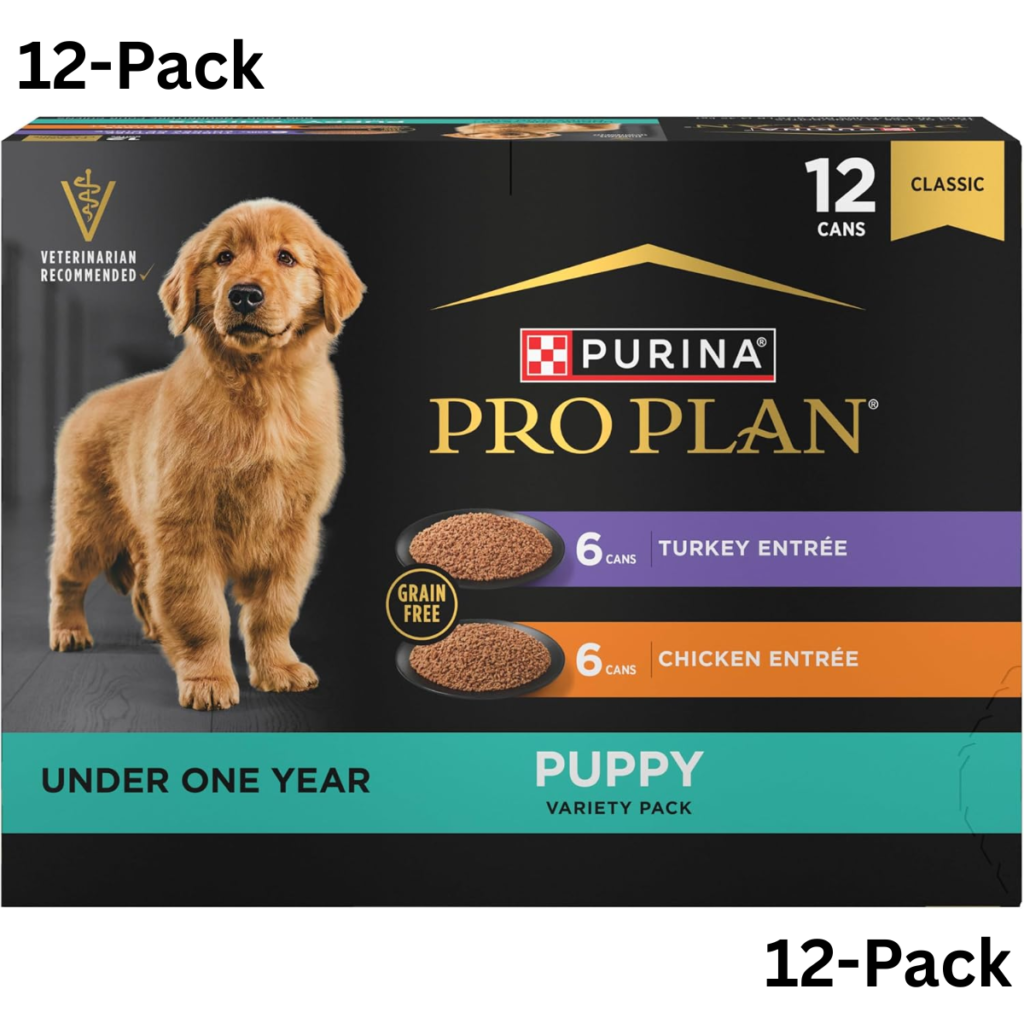
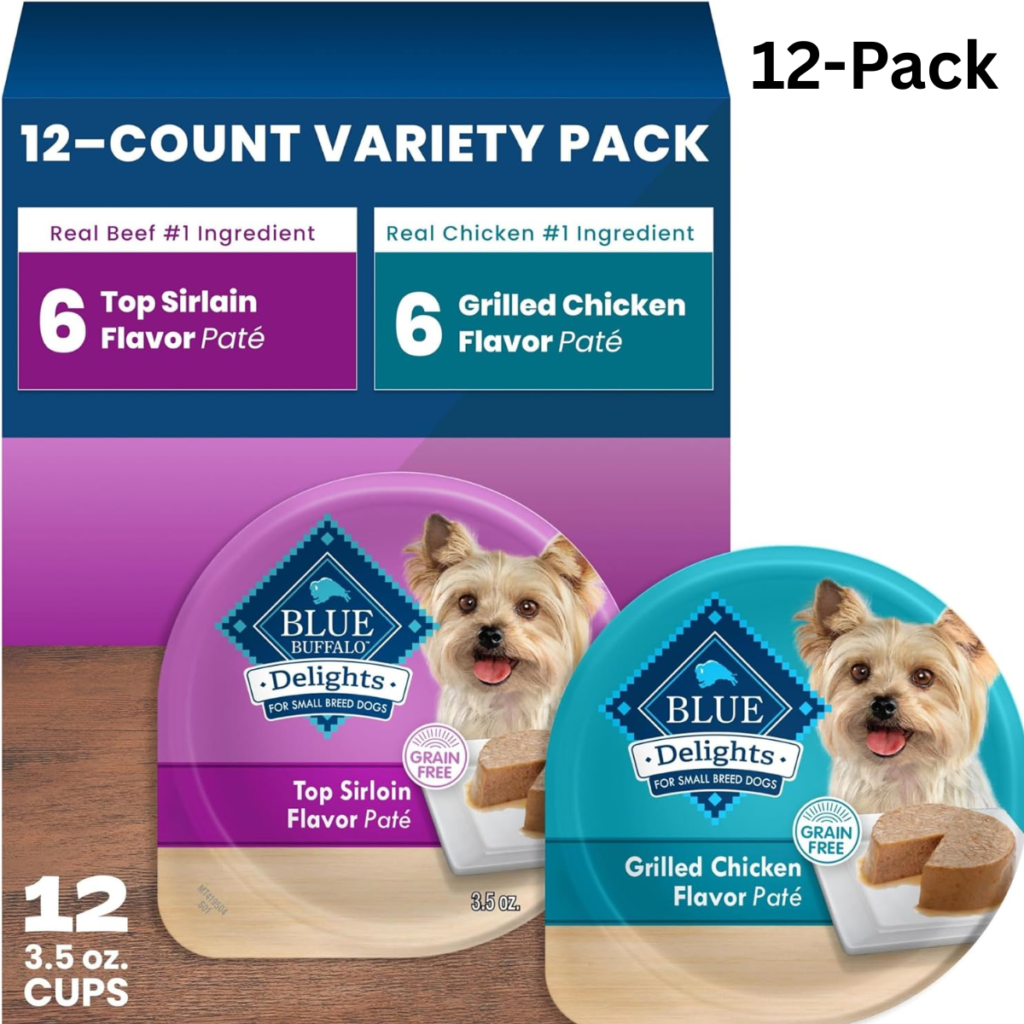
Wet Food for Small Breed Puppies
Dry Food for Small Breed Puppies
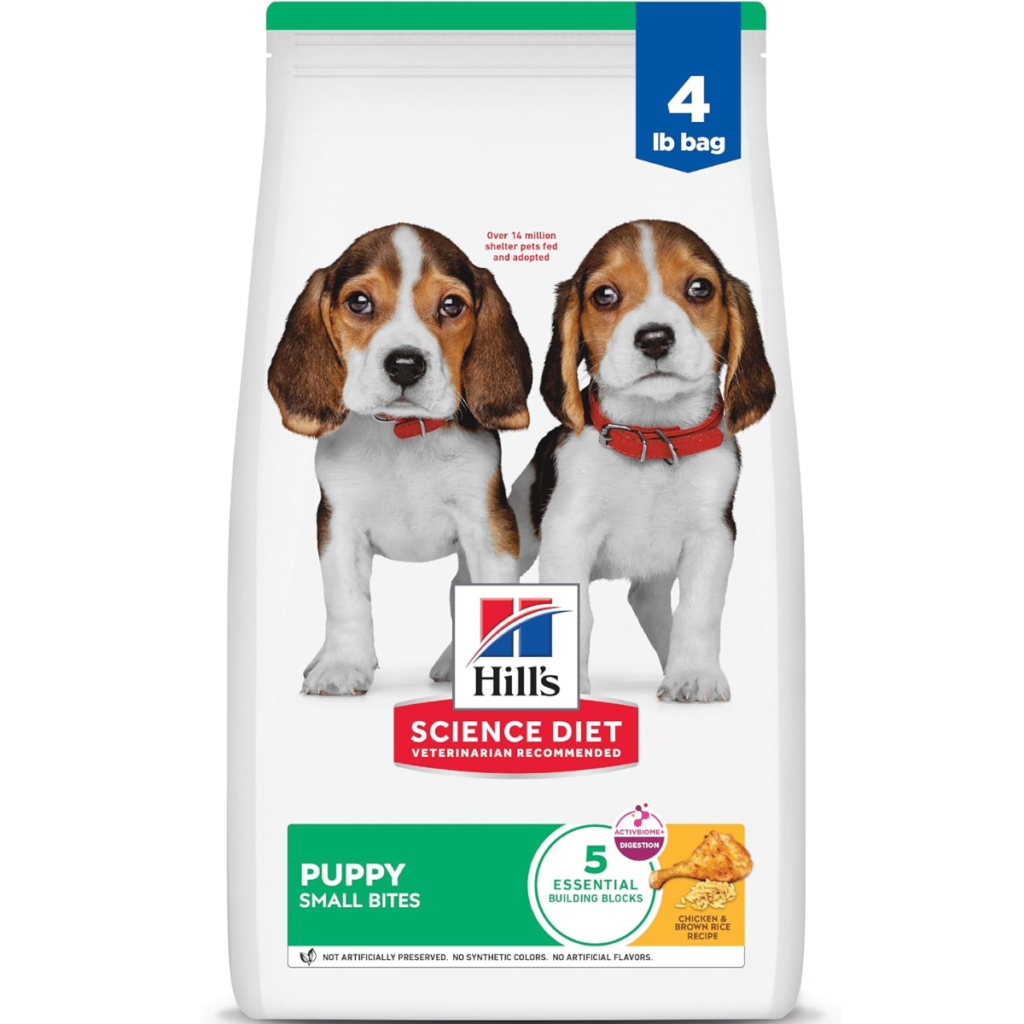
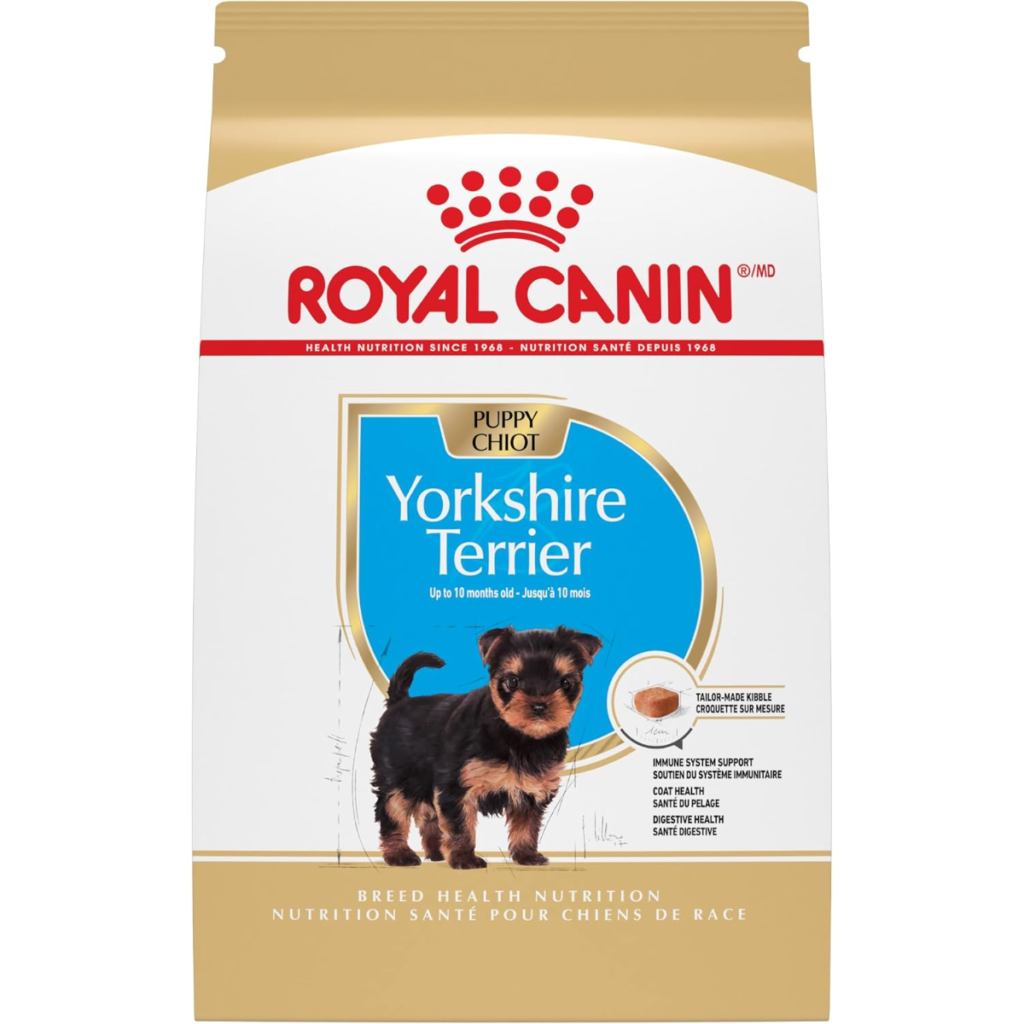
Featured Small Breed Dog Food Products
1. High-Protein Small Breed Puppy Food
Supports healthy growth, muscle development, and cognitive function.
- Real Meat, DHA, and Calcium: Formulated with real meat, DHA, and calcium to fuel early development.
- Recommended Pick: A great example is the Hill’s Science Diet Puppy Small Bites.
2. Grain-Free Small Breed Adult Dog Food
Ideal for dogs with grain sensitivities.
- Quality Proteins and Probiotics: Rich in quality proteins, omega fatty acids, and probiotics for digestion.
- Recommended Pick: For grain-conscious pet parents, try the Redbarn Air-Dried Small-Breed Chicken and Blueberry Recipe.
3. Small Breed Weight Management Formula
Helps support a healthy weight by providing controlled calories.
- L-Carnitine and Fiber: Contains L-carnitine for fat metabolism and fiber for fullness.
- Recommended Pick: Check out the Hill’s Science Diet Adult Light Small Bites Chicken Meal and Barley.
Benefits of Using Small Breed Dog Food
Using the best dog food for small-breed puppies can offer several key benefits for your pup:
- Higher Energy Support: Small dogs burn calories faster, so small-breed dog food is packed with more nutrients and calories to keep them active throughout the day.
- Smaller Kibble Size: The kibble is designed for small mouths, making it easier to chew and digest.
- Supports Better Dental Health: Specially formulated small-breed dry dog food can help reduce plaque and tartar.
- Supports Skin and Coat Health: Many options include Omega fatty acids that help maintain shiny coats and healthy skin. https://www.worldfoodlive.com
How to Transition Your Small Breed Puppy to a New Food?
Switching foods too fast is one of the most common mistakes pet parents make. Use this small breed puppy feeding guide to transition gradually over 7 days:
| Day | Old Food % | New Food % | What to Watch For |
|---|---|---|---|
| 1-2 | 75% | 25% | Loose stool, mild refusal to eat |
| 3-4 | 50% | 50% | Gas, appetite changes |
| 5-6 | 25% | 75% | Improved stool consistency |
| 7+ | 0% | 100% | Normal energy and appetite |
If your puppy shows ongoing vomiting or diarrhea past day 3, pause the transition and check in with your vet.
When to Switch from Puppy Food to Adult Food?
| Breed Size | Adult Weight | Best Time to Switch to Adult Food |
|---|---|---|
| Small | Under 20 lbs | 9-12 months |
| Medium | 20–50 lbs | 12-14 months |
| Large | 50–90 lbs | 15-18 months |
| Giant | 90+ lbs | 18-24 months |
Small breed puppies mature the fastest, so they’re usually ready for adult food well before their larger counterparts. Your vet can confirm the right time based on your puppy’s individual growth.
Common Feeding Mistakes to Avoid
Proper feeding helps small-breed puppies grow and stay healthy. Avoid these common mistakes:
Feeding Adult Dog Food Too Early: Choose food formulated for puppy growth.
Overfeeding: Measure portions to prevent excess weight gain.
Feeding Too Infrequently: Very young toy-breed puppies may need frequent meals.
Adding Unnecessary Supplements: Consult your veterinarian before adding vitamins or minerals.
Changing Food Suddenly: Transition gradually to reduce digestive upset.
Giving Too Many Treats: Keep treats within 10% of daily calories.
Ignoring Food Labels: Check that the formula is complete and balanced for growth.
Overlooking Symptoms: Seek veterinary advice for persistent vomiting, diarrhea, weakness, or refusal to eat.
Tip: Follow appropriate feeding guidelines, provide fresh water, and monitor your puppy’s growth. Contact your veterinarian if you have concerns about feeding or health.
Frequently Asked Questions
There is no single best food for every small-breed puppy. Hill’s Science Diet Puppy Small Paws, Royal Canin Small Puppy, and Purina Pro Plan Small Breed Puppy are options to compare. Choose the exact formula based on its nutritional adequacy statement, your puppy’s age, and veterinary guidance where needed.
A small-breed formula can be useful because it may offer appropriately sized kibble and calorie density suited to smaller dogs. However, the most important requirement is a complete and balanced diet formulated for growth. A product marketed for small adult dogs is not automatically suitable for puppies.
Many young puppies eat three or four meals daily, with meal frequency gradually decreasing as they mature. Very small toy-breed puppies may need more frequent meals. Ask your veterinarian for a schedule that suits your puppy’s age, size, and health.
A complete and balanced puppy food may be appropriate if it suits your dog’s needs and the kibble is manageable to eat. A small-breed formula can offer practical benefits, but check the life-stage statement and feeding instructions before choosing a product.
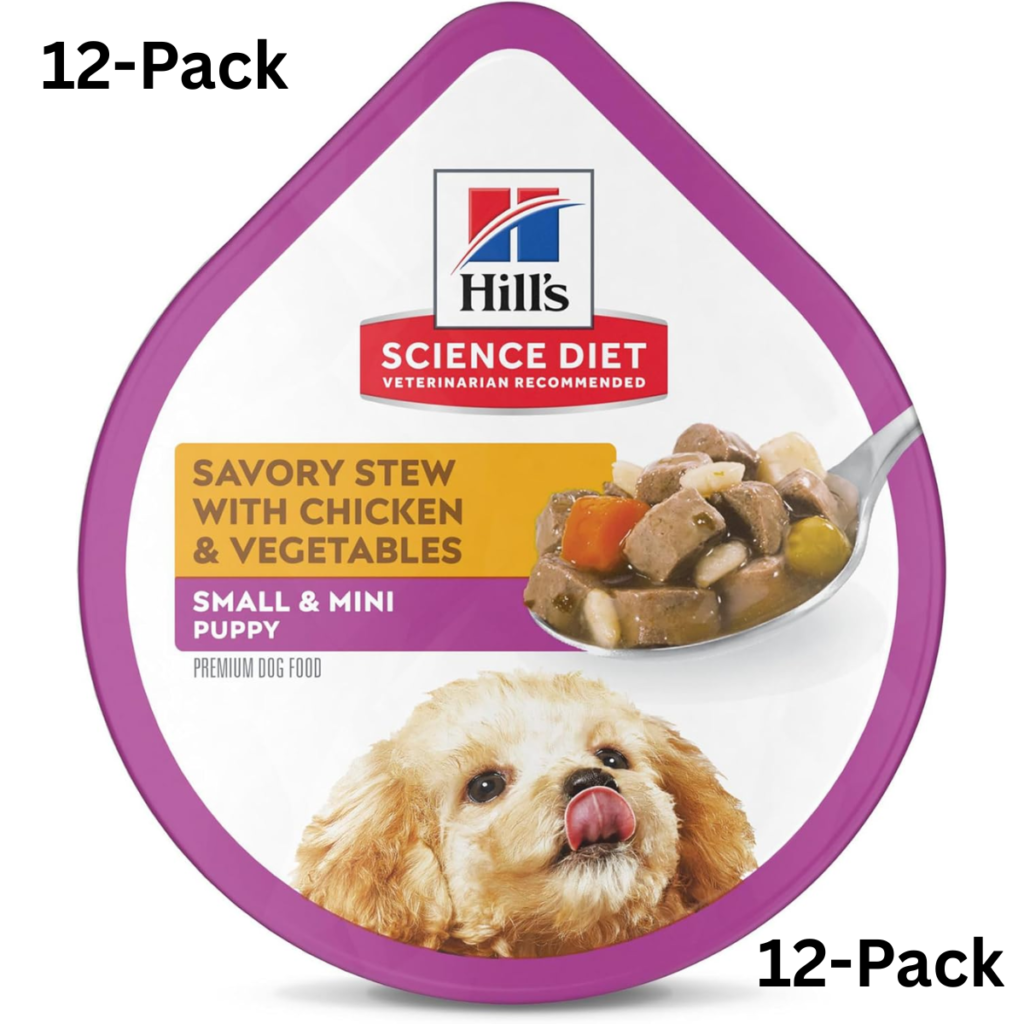
Neither is automatically better for every puppy. Both can provide suitable nutrition when the specific food is complete and balanced for growth. Dry food is convenient to measure, while wet food offers a softer texture and higher moisture content.
They generally should not rely on adult maintenance food while they are still growing. Choose a food formulated for growth or all life stages until your veterinarian advises that your puppy is ready to transition.
Small-breed dog food is made with the needs of smaller dogs in mind, including their higher energy needs and smaller mouths These formulas may have more calories per serving, smaller kibble, and nutrients that support energy, digestion, dental health, and overall well-being.
Final Thoughts
The Best Small Breed Puppy Food is one that provides complete and balanced nutrition for growth, suits your puppy’s size and age, and can be fed consistently in appropriate portions. Small kibble, suitable calorie content, and a practical feeding routine can make mealtimes easier, but the nutritional adequacy statement remains an essential starting point.
Compare established formulas, read current package labels, measure meals, and monitor your puppy’s growth. If your puppy has persistent digestive symptoms, poor appetite, or unusual weakness, seek veterinary advice instead of relying on a food change alone.
At WorldFoodLive.com, our goal is to help pet parents make informed decisions with practical dog-food comparisons and straightforward nutrition guides.