

Hypoallergenic Cat Food: Best Cats Food Allergies
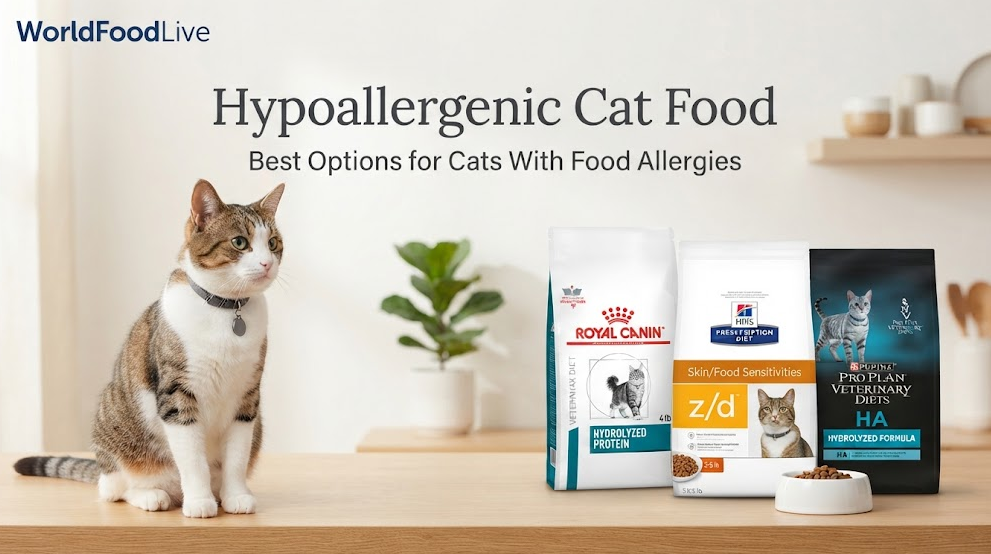
Hypoallergenic Cat Food can be difficult when your cat is constantly scratching, licking its skin, vomiting, or having digestive problems. Many cat food packages use terms such as “sensitive,” “limited ingredient,” or “hypoallergenic,” but these terms do not all mean the same thing.
If your veterinarian suspects a food allergy, the goal is not simply to buy a food with fewer ingredients. The important step is identifying which food ingredients may be causing the reaction and selecting a diet that helps avoid those triggers.
A proper elimination diet is also very different from simply switching between several grocery-store cat foods. During a diagnostic food trial, cats generally need to eat the selected diet exclusively for several weeks, with no unapproved treats, table food, or flavored medications.
What Is Hypoallergenic Cat Food?
Hypoallergenic cat food is generally designed to reduce the likelihood of triggering an adverse reaction to food.
In cats, the term can refer to different approaches, including:
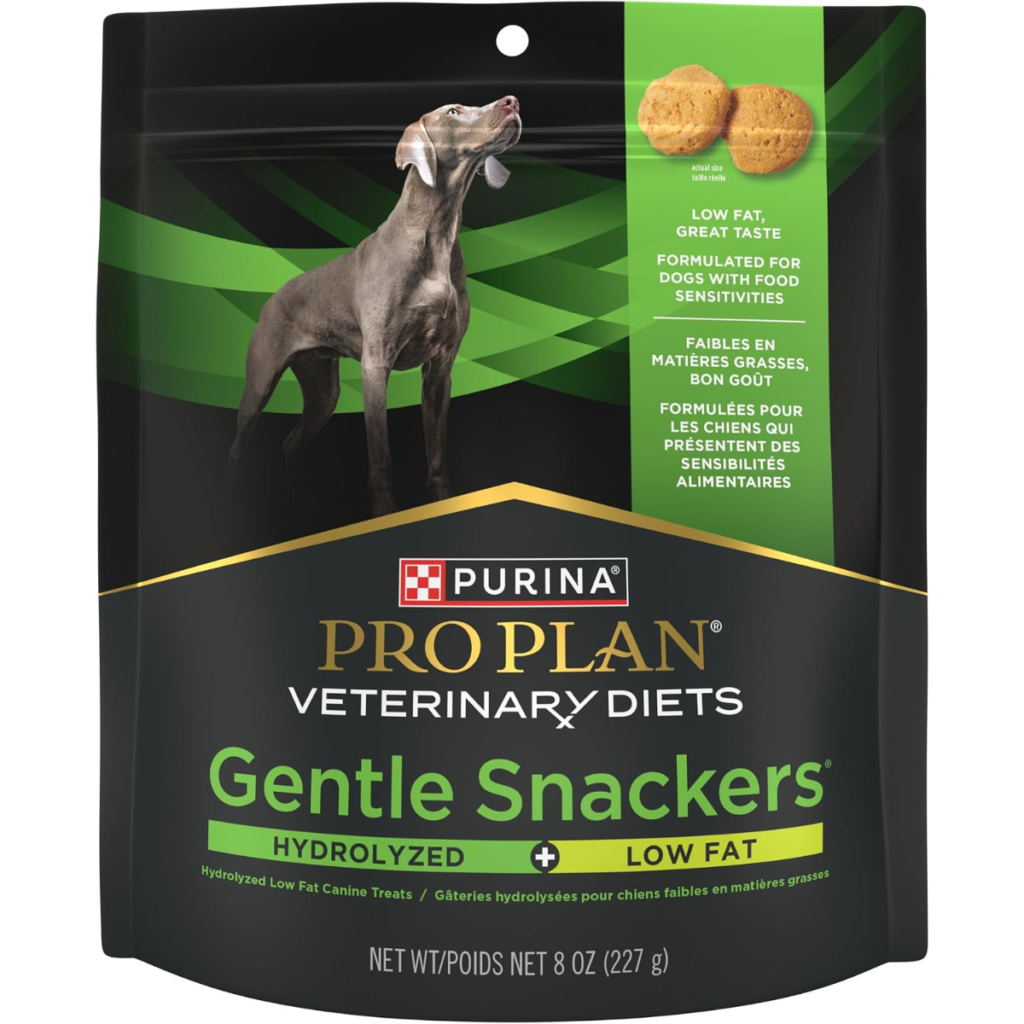
- Hydrolyzed protein diets
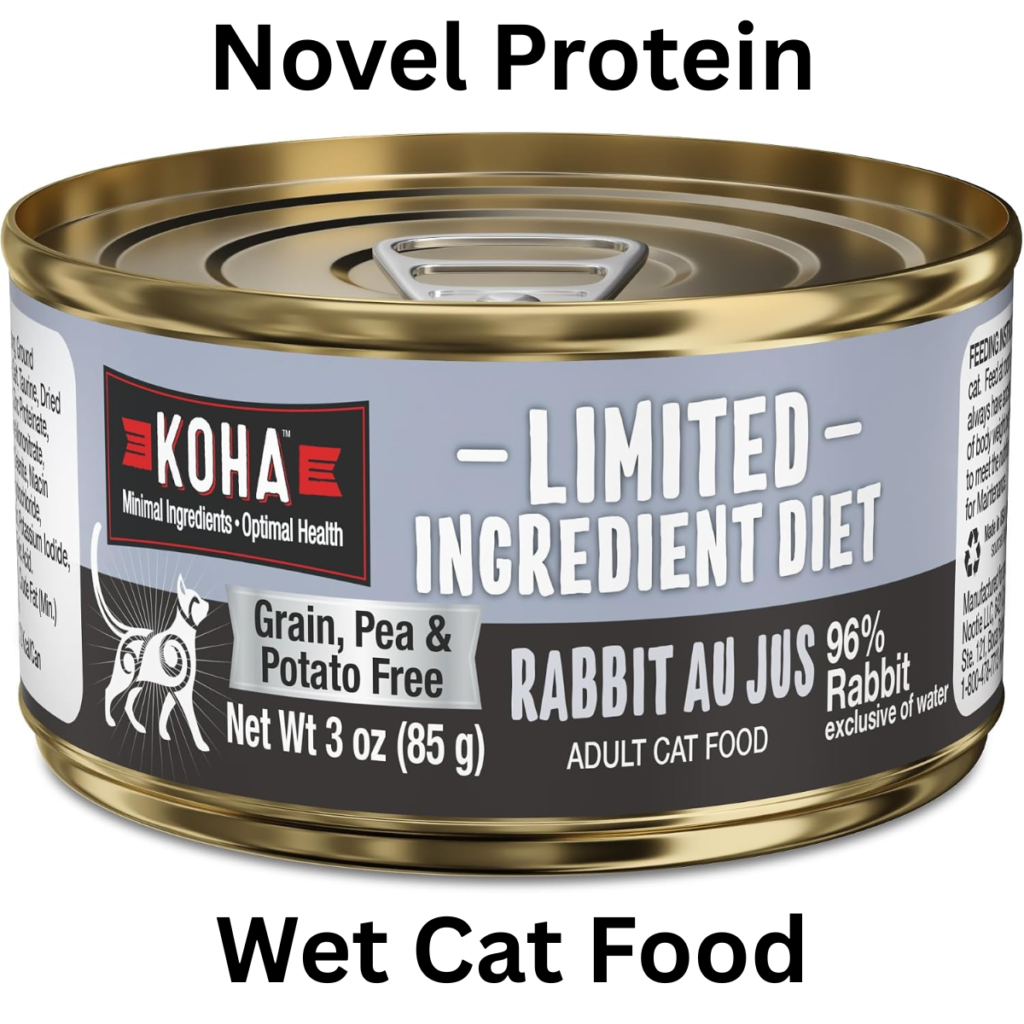
- Novel protein diets
- Limited-ingredient diets
- Certain veterinary therapeutic diets
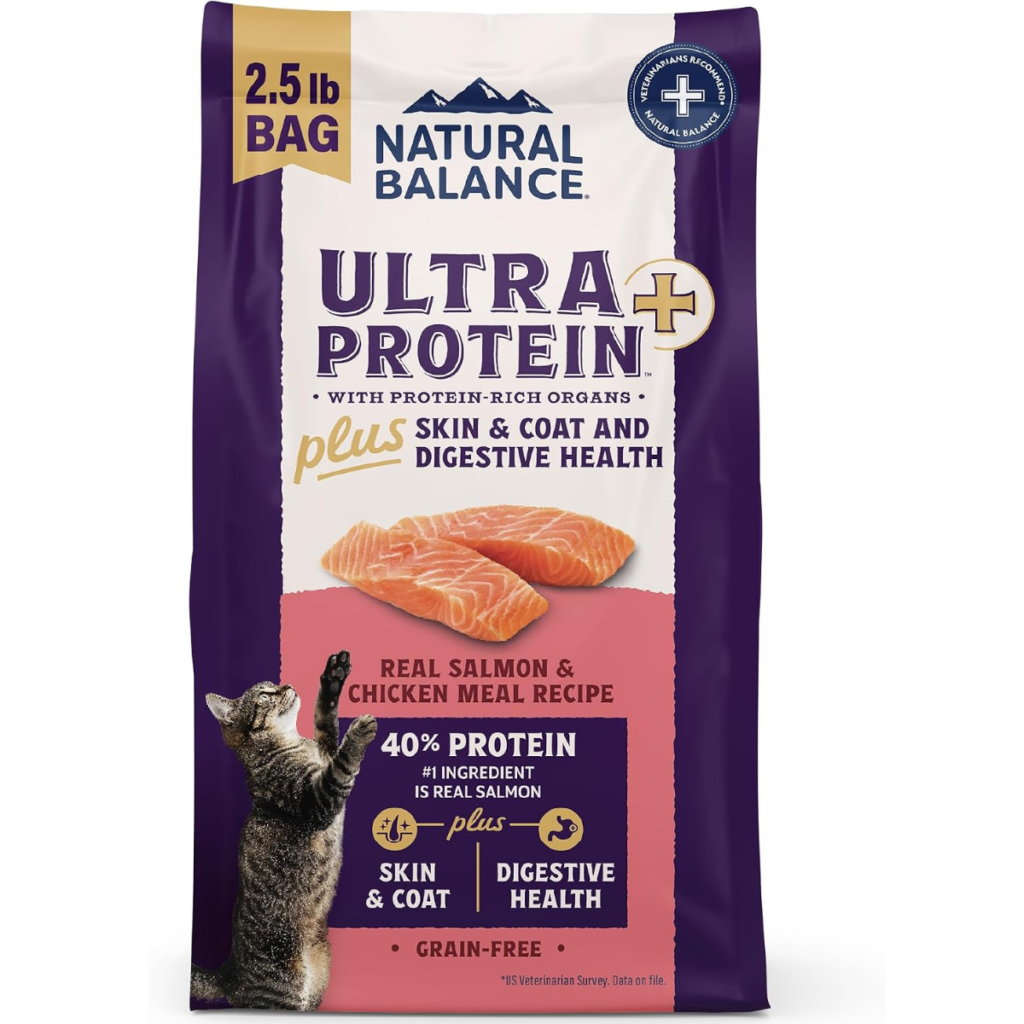
- Carefully selected single-protein foods
The word hypoallergenic should not be interpreted as meaning that a food can never cause a reaction.
A cat can potentially react to many different food ingredients. A protein that is considered “novel” for one cat may be a familiar ingredient for another. https://www.worldfoodlive.com
What Are the Signs of Food Allergies in Cats?
Food allergies can cause primarily skin-related symptoms, digestive symptoms, or a combination of both.
Possible signs include:
- Persistent itching
- Excessive licking
- Overgrooming
- Hair loss
- Red or irritated skin
- Recurrent skin lesions
- Itchy ears
- Vomiting
- Diarrhea
- Increased bowel movements
- Digestive discomfort
- Scooting or irritation around the rear
One of the challenges is that these symptoms can occur with many different conditions.
What Ingredients Cause Cat Food Allergies?
Food allergies are generally associated with proteins.
Commonly reported food allergens in cats include:
- Beef
- Fish
- Chicken
- Dairy
- Lamb
- Egg
- Other animal proteins
A cat can potentially react to an ingredient that is not on a common-allergen list, however.
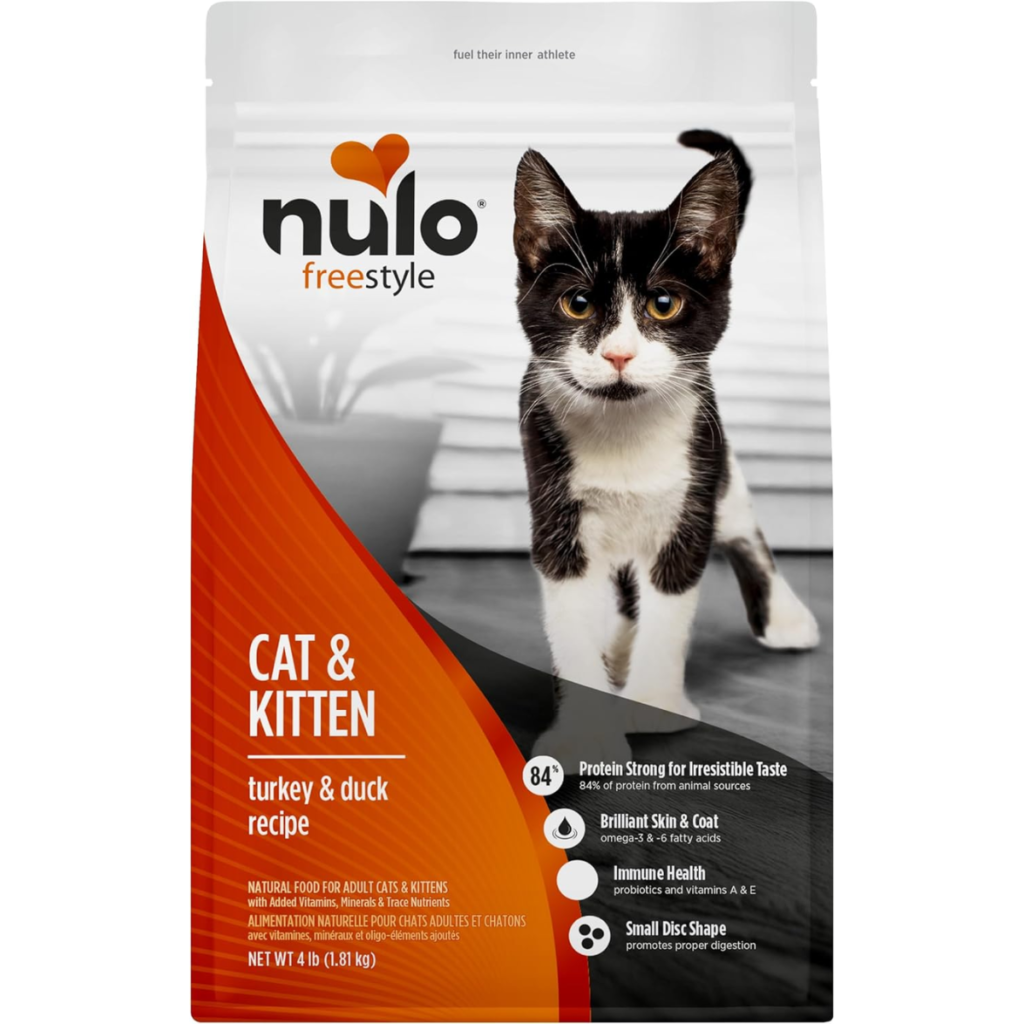
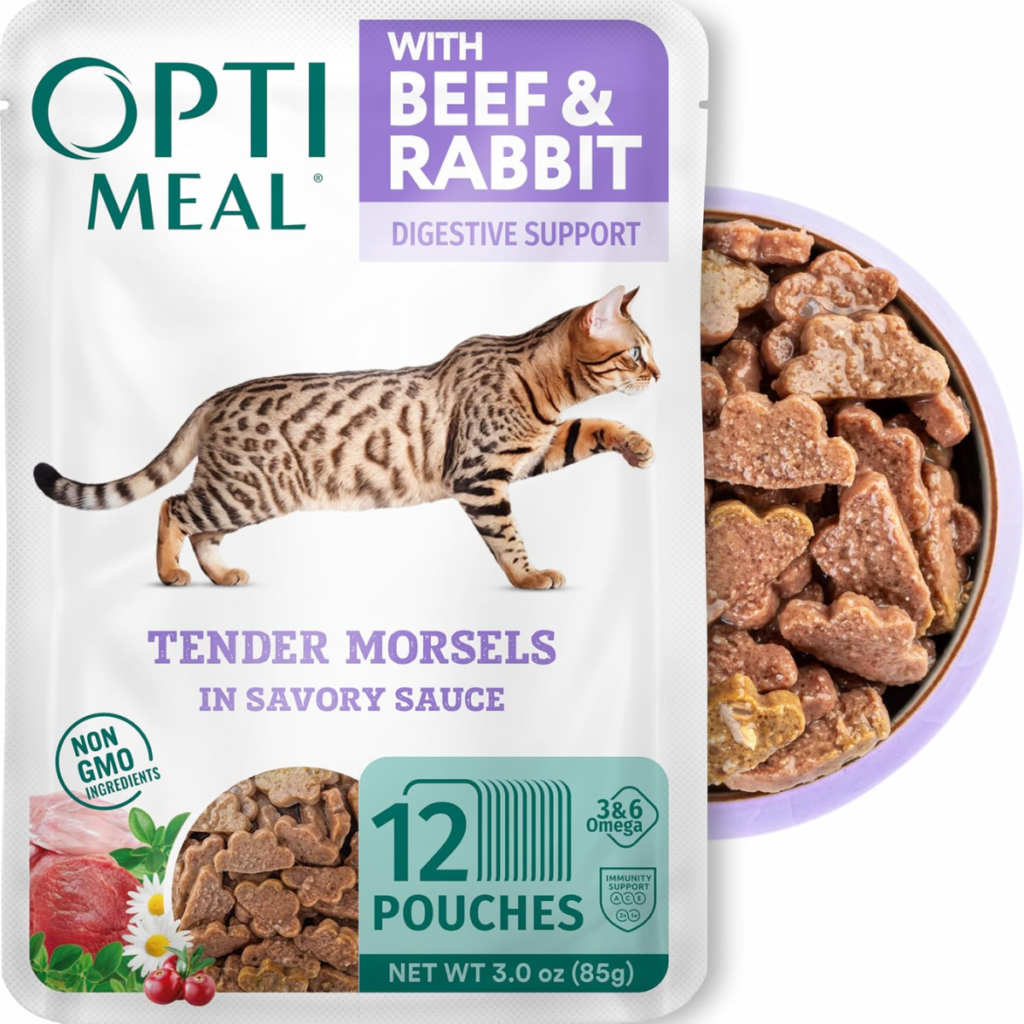
What Is a Novel Protein Cat Food?


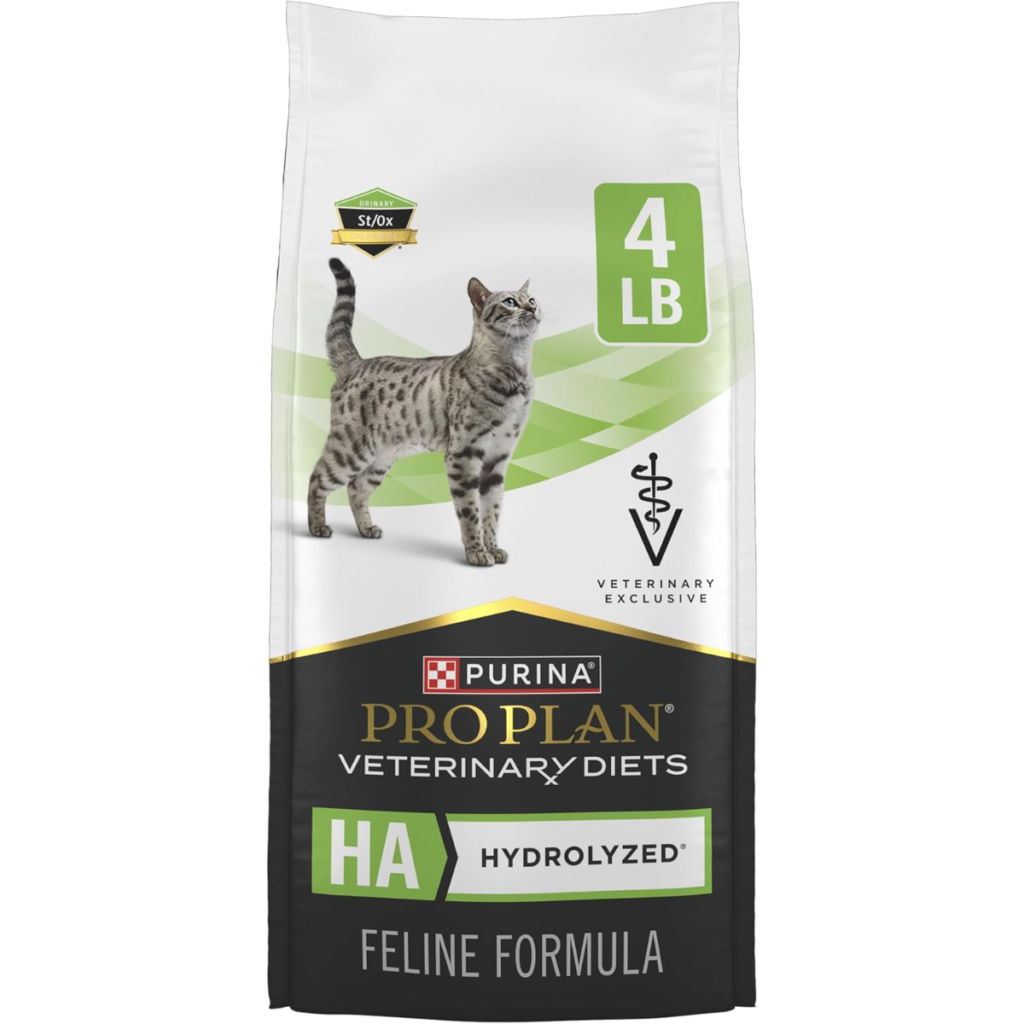
What Is Hydrolyzed Protein Cat Food?

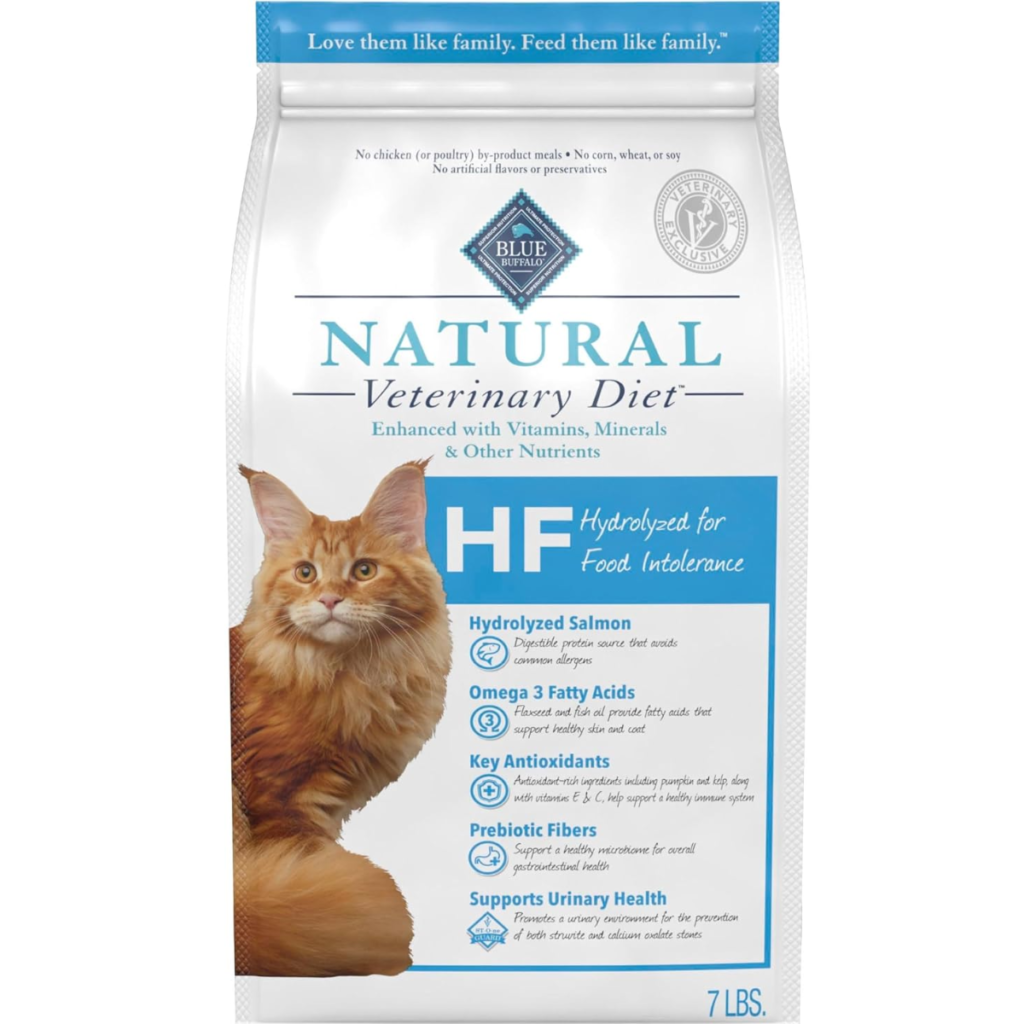

Best Hypoallergenic Cat Food
1. Veterinary Hydrolyzed Protein Cat Food
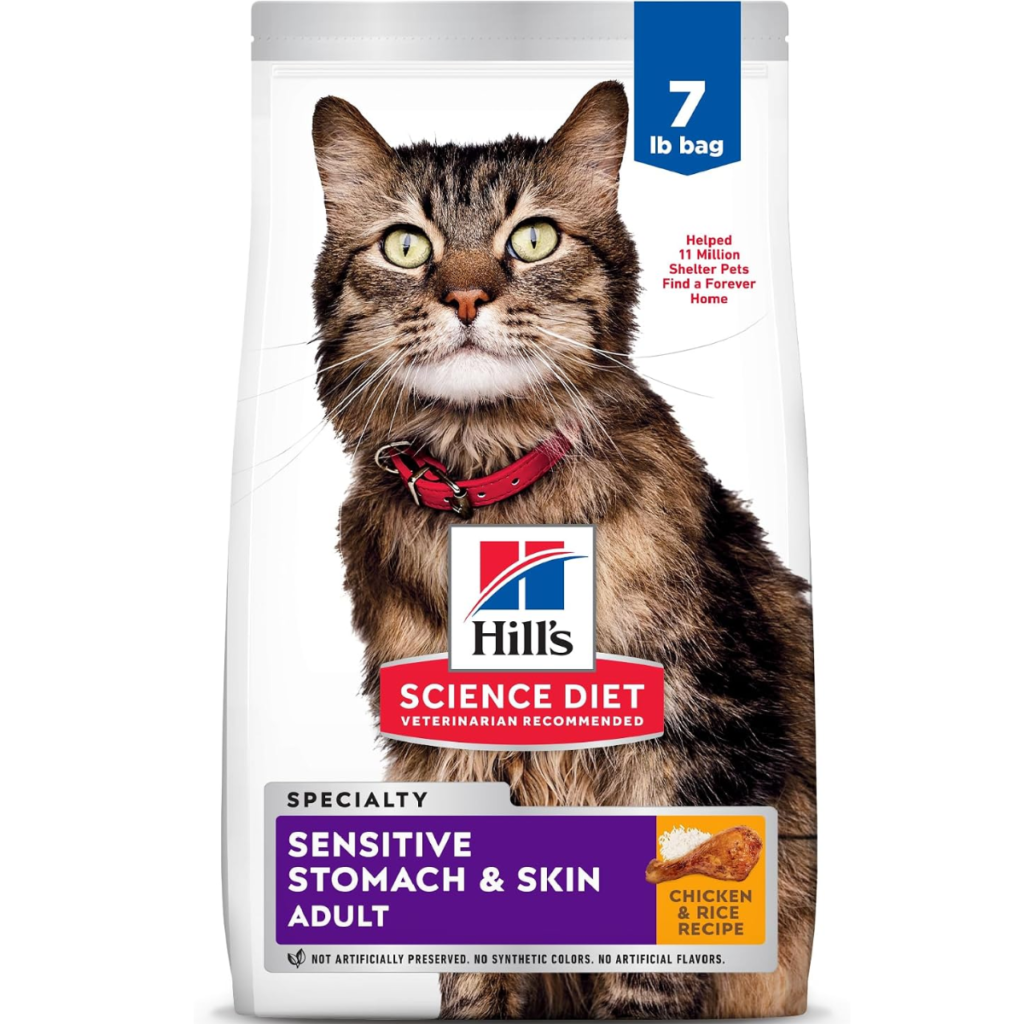
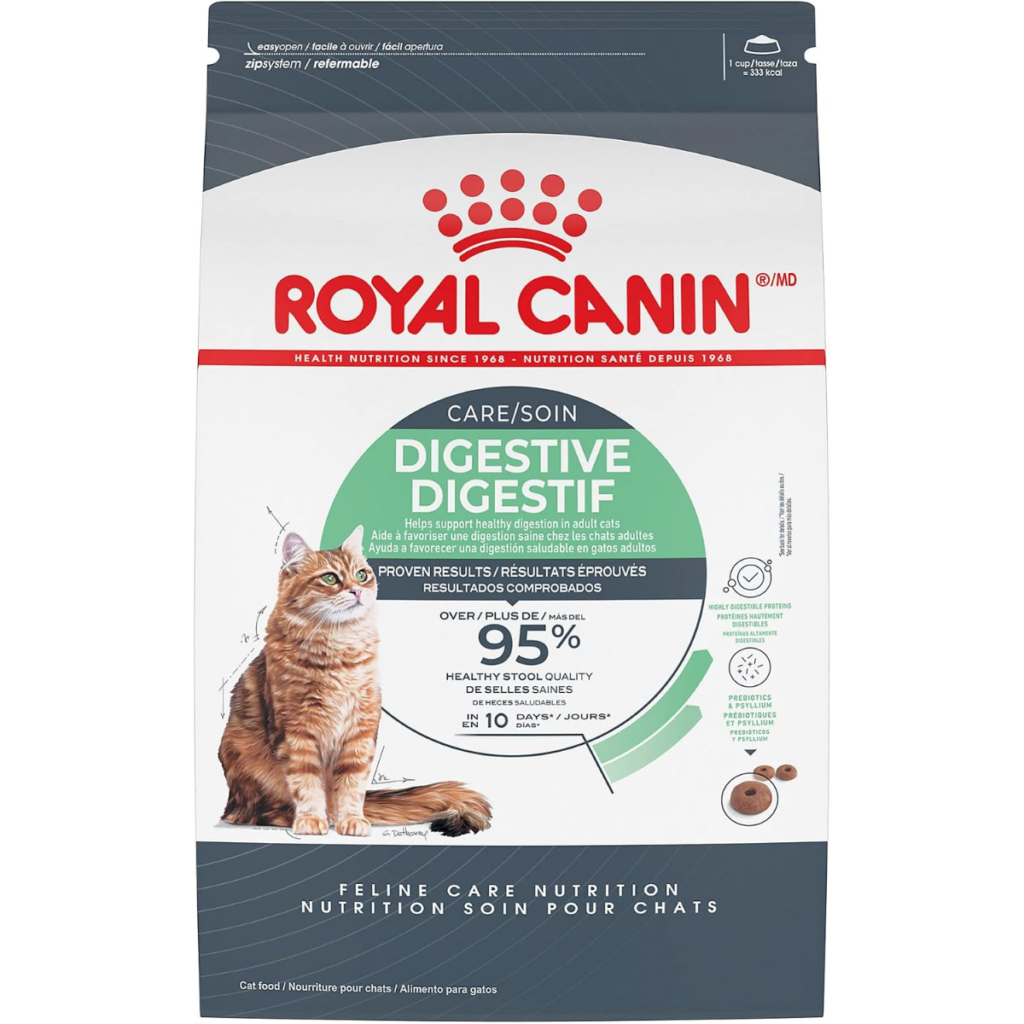
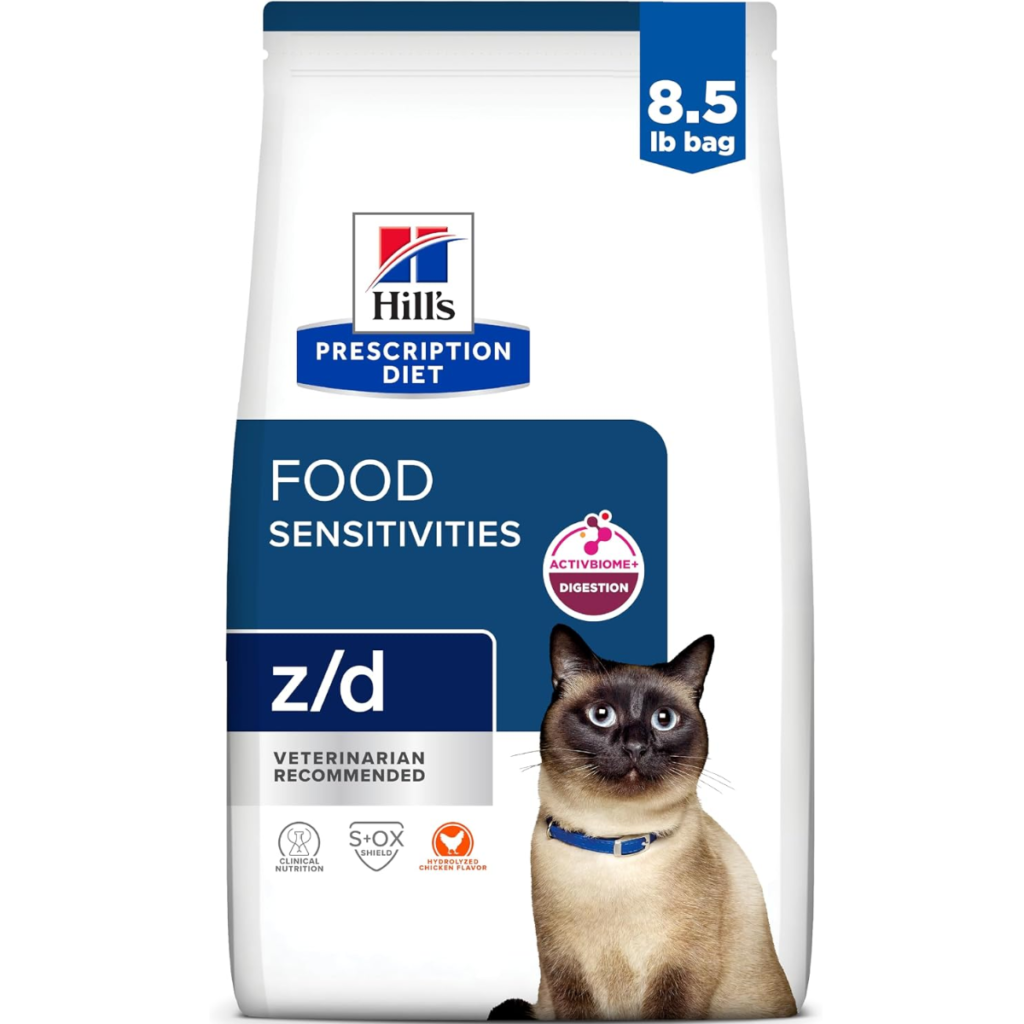
2. Veterinary Novel Protein Cat Food
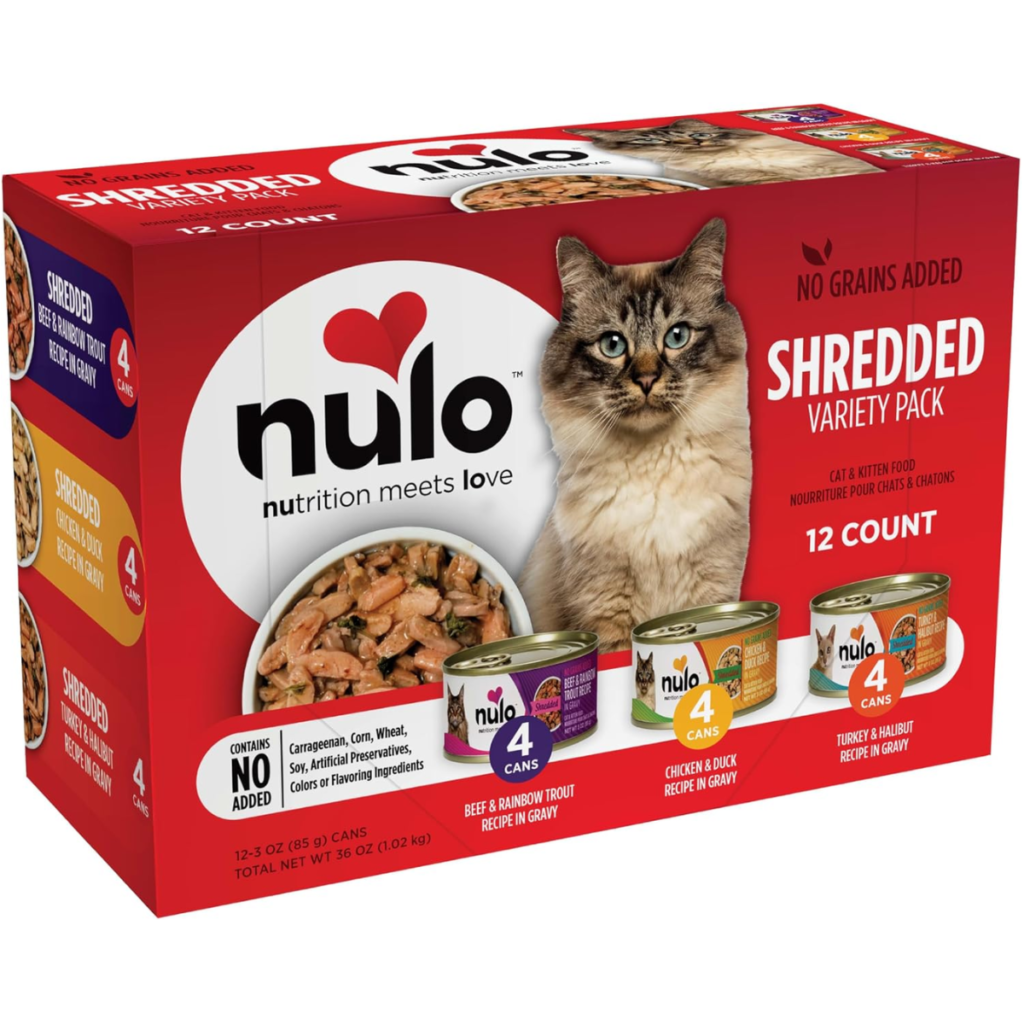

3. Limited-Ingredient Cat Food
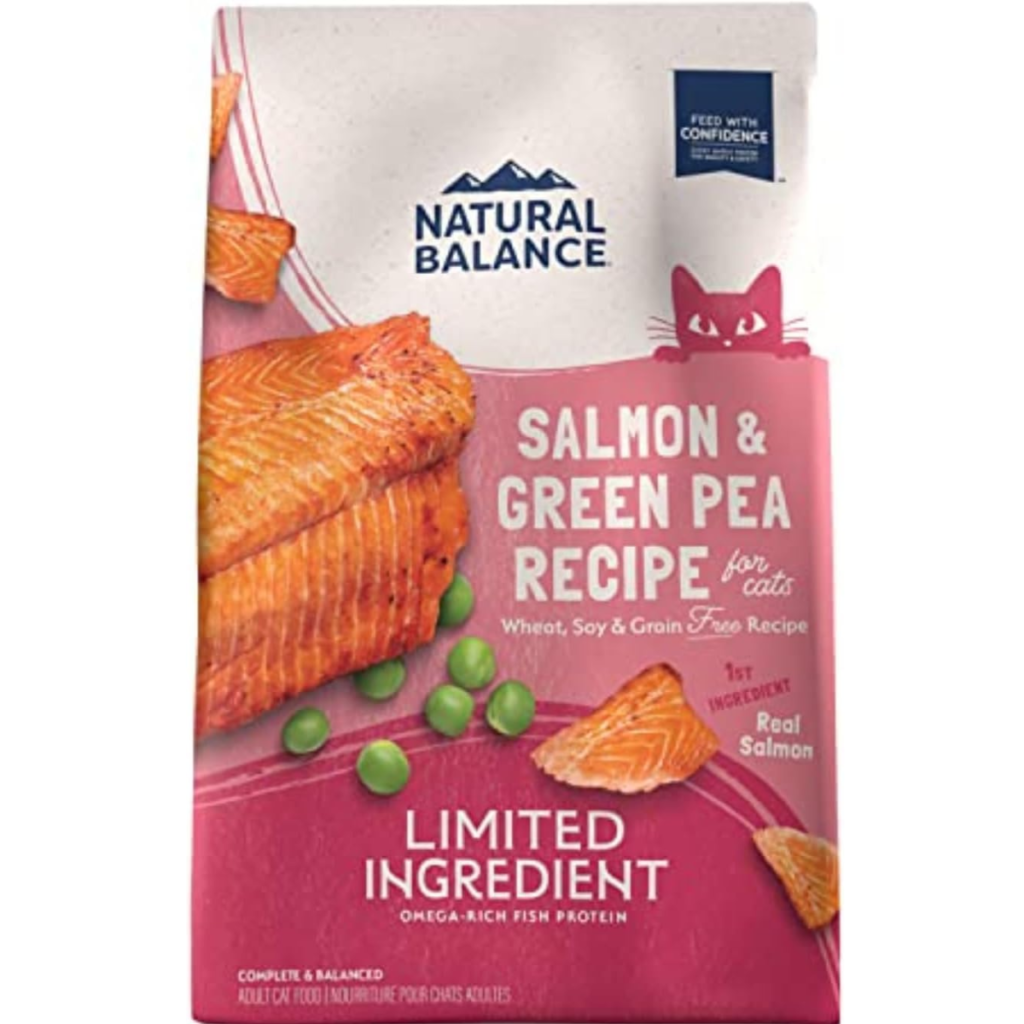
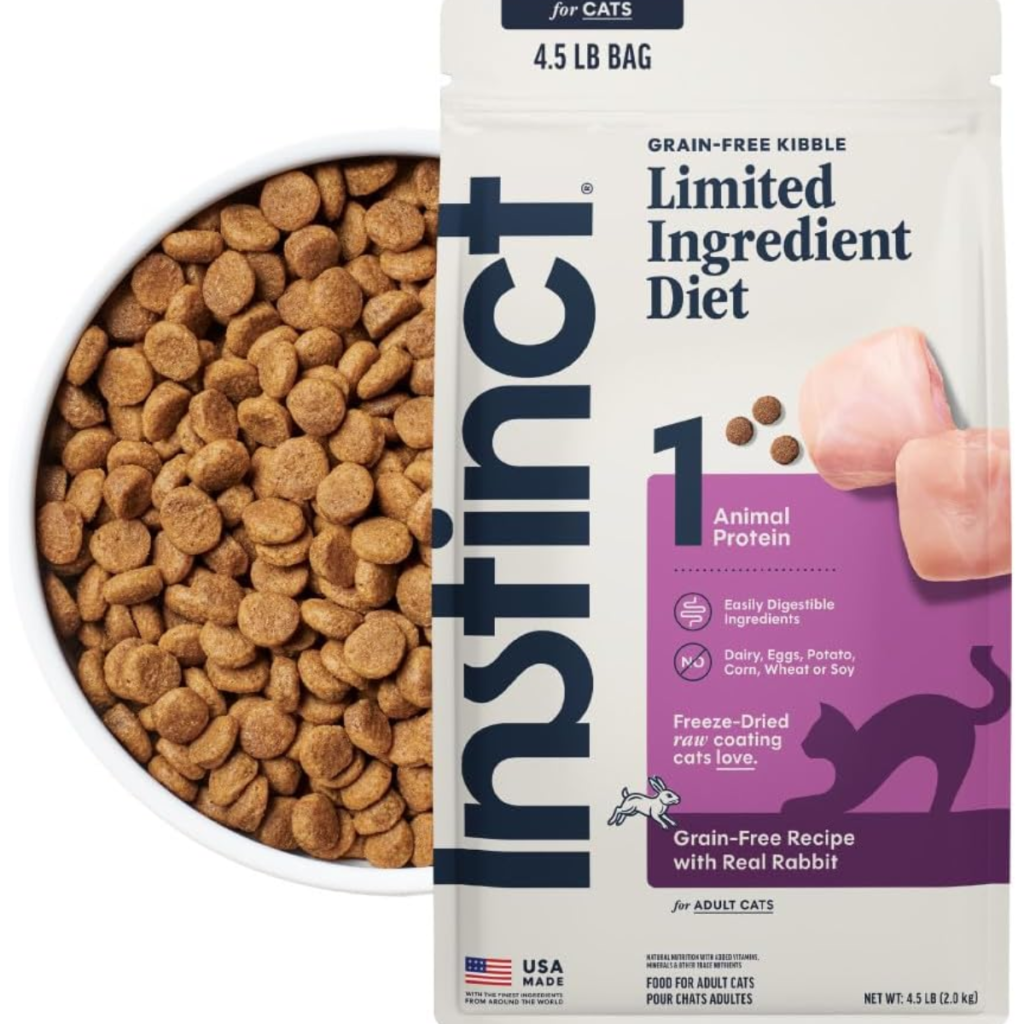
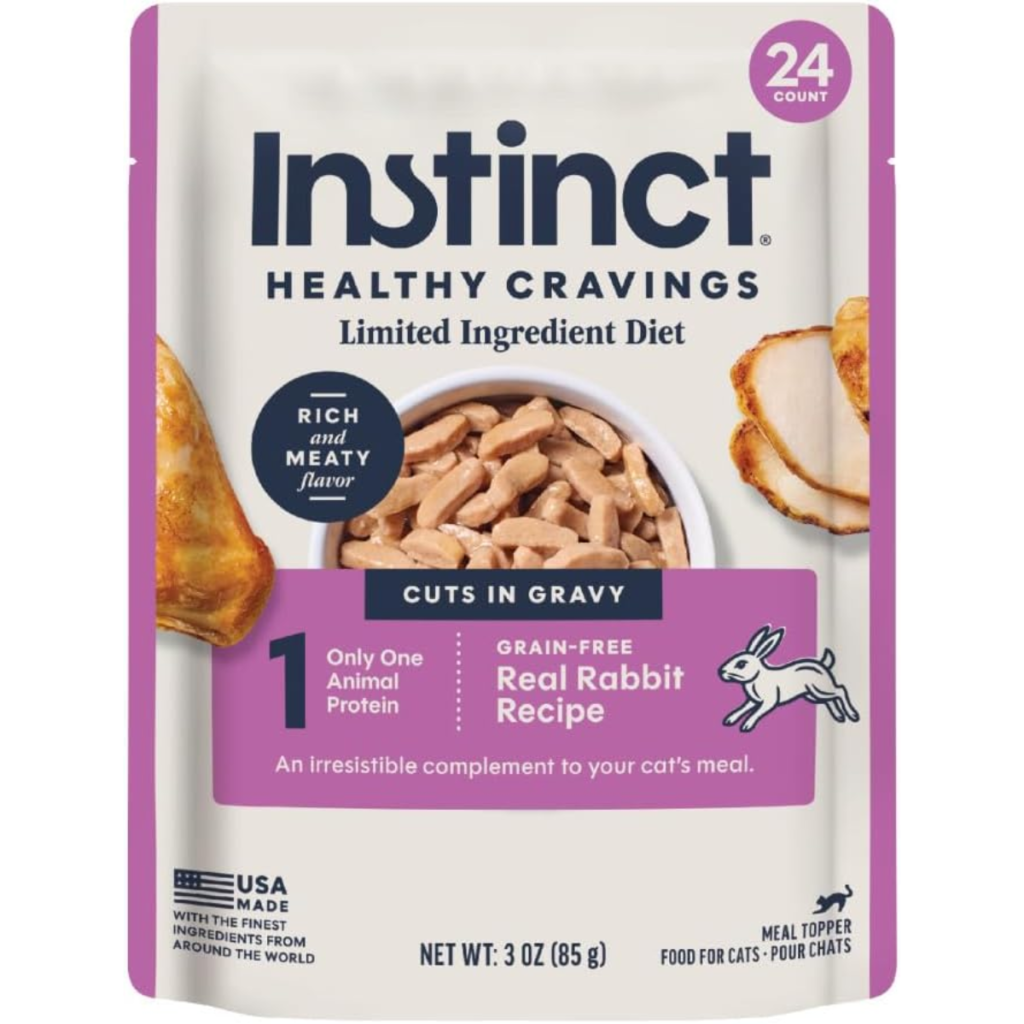

4. Single-Protein Cat Food
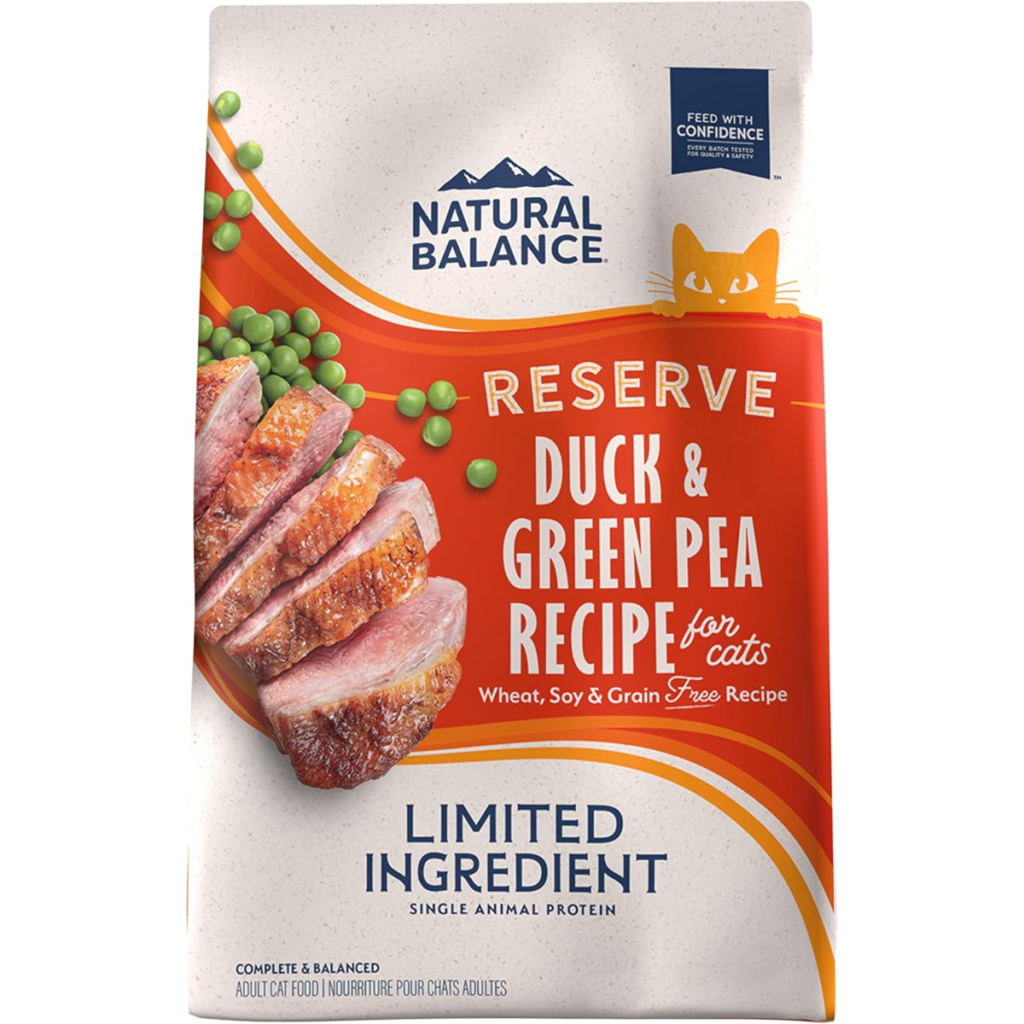
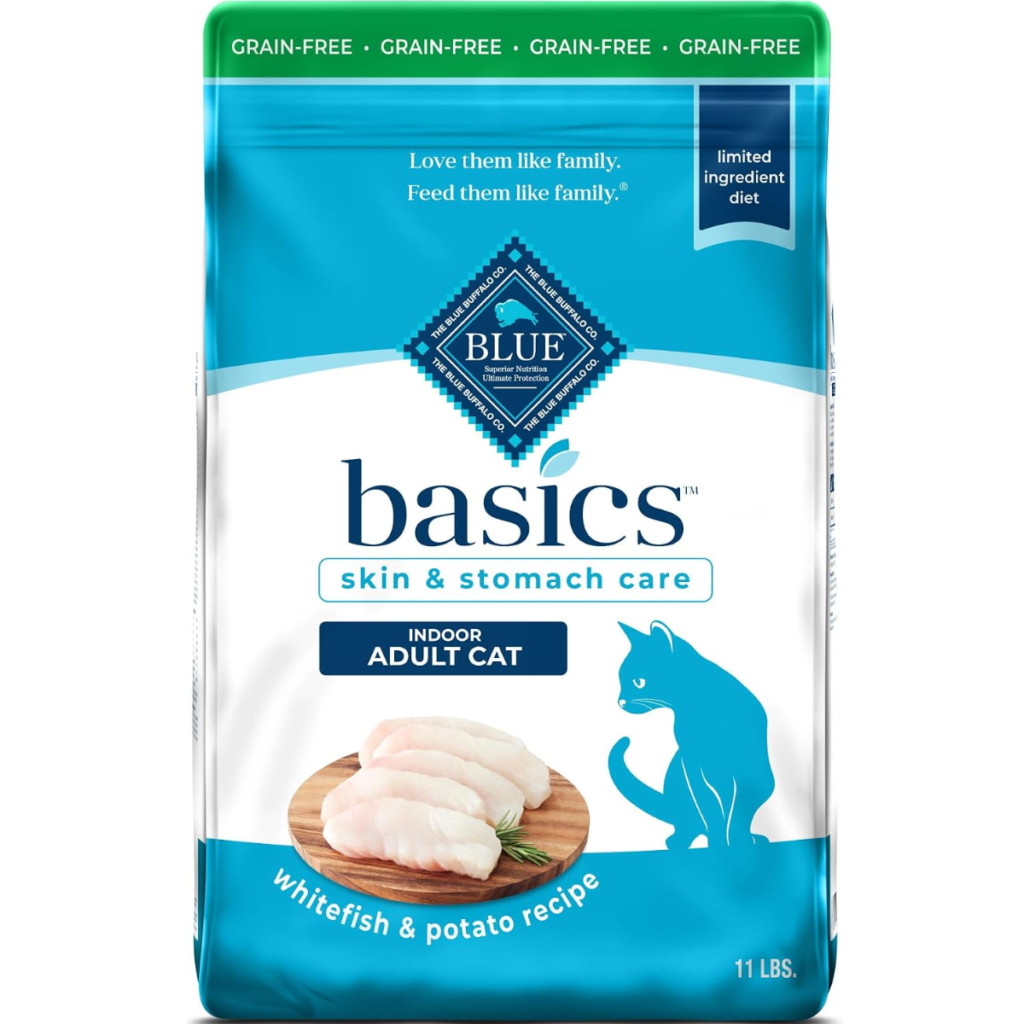
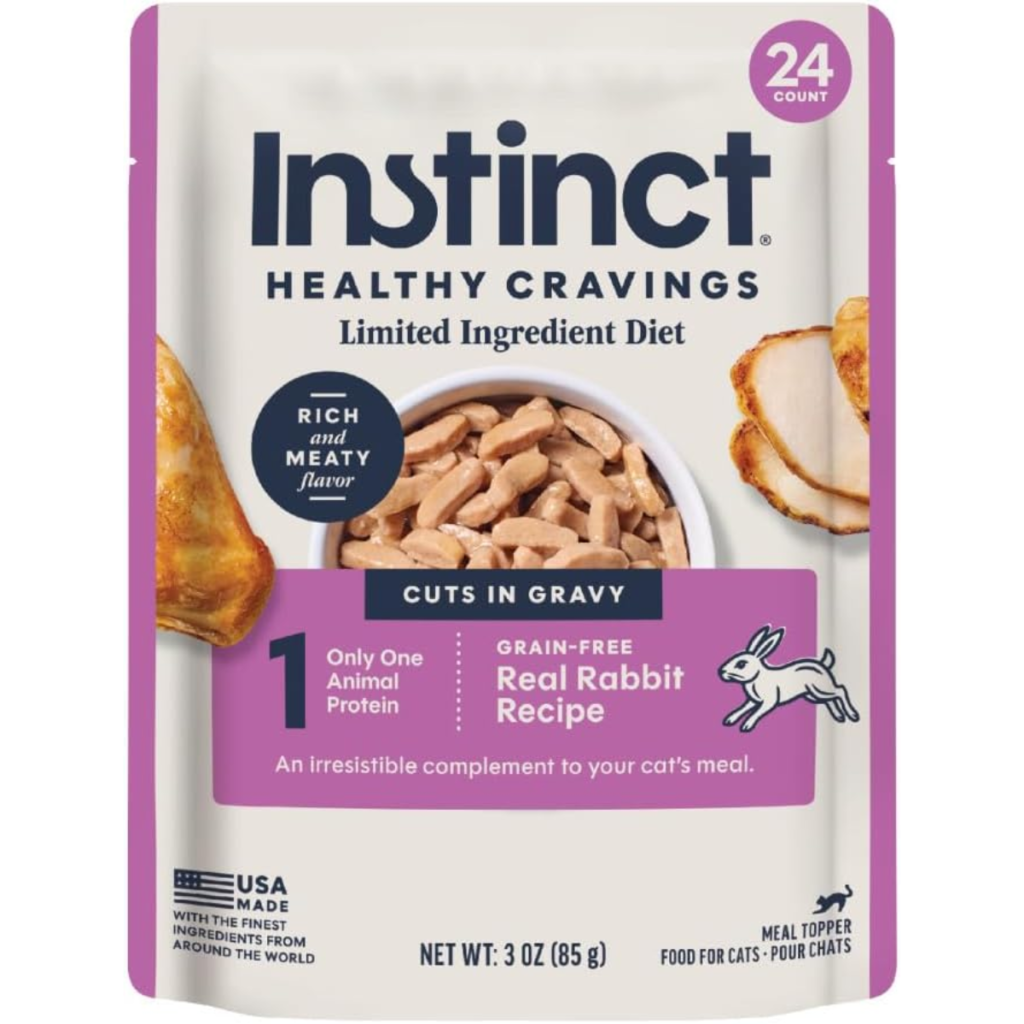
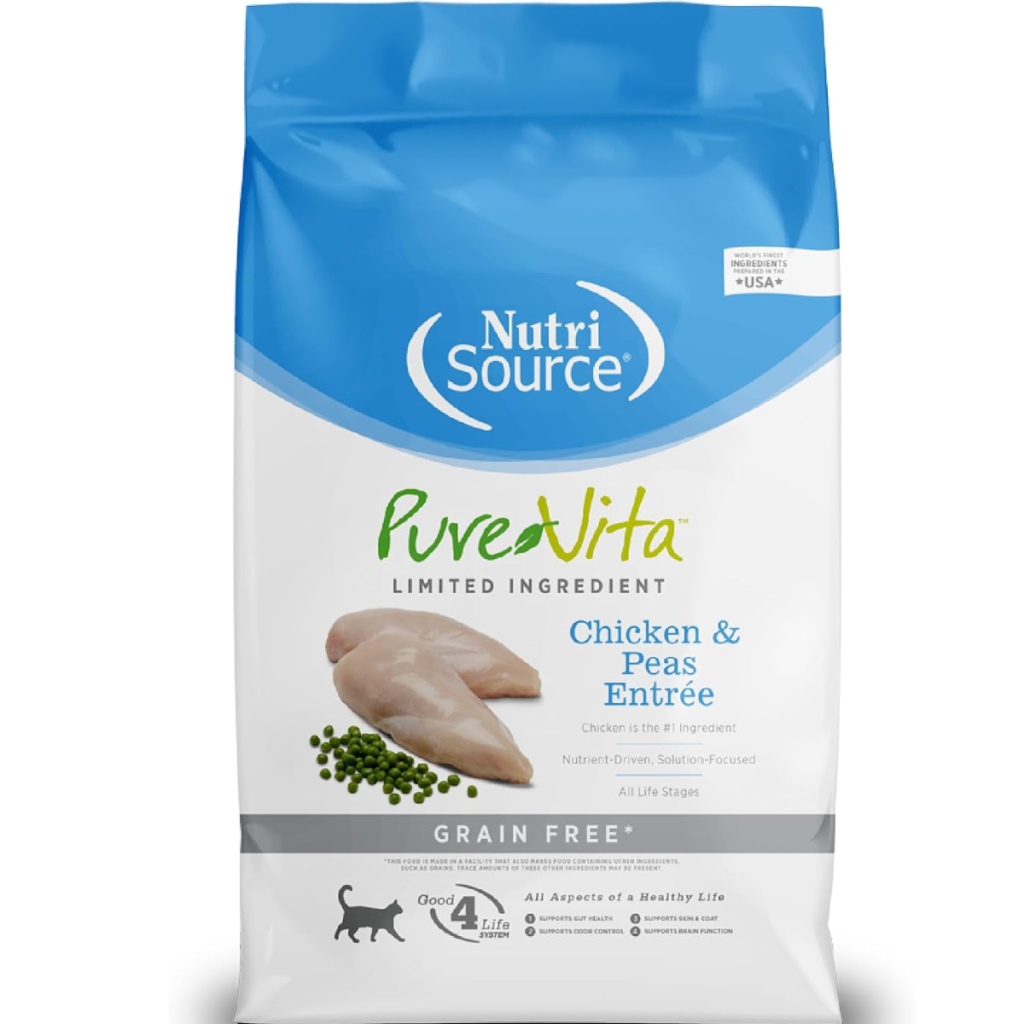
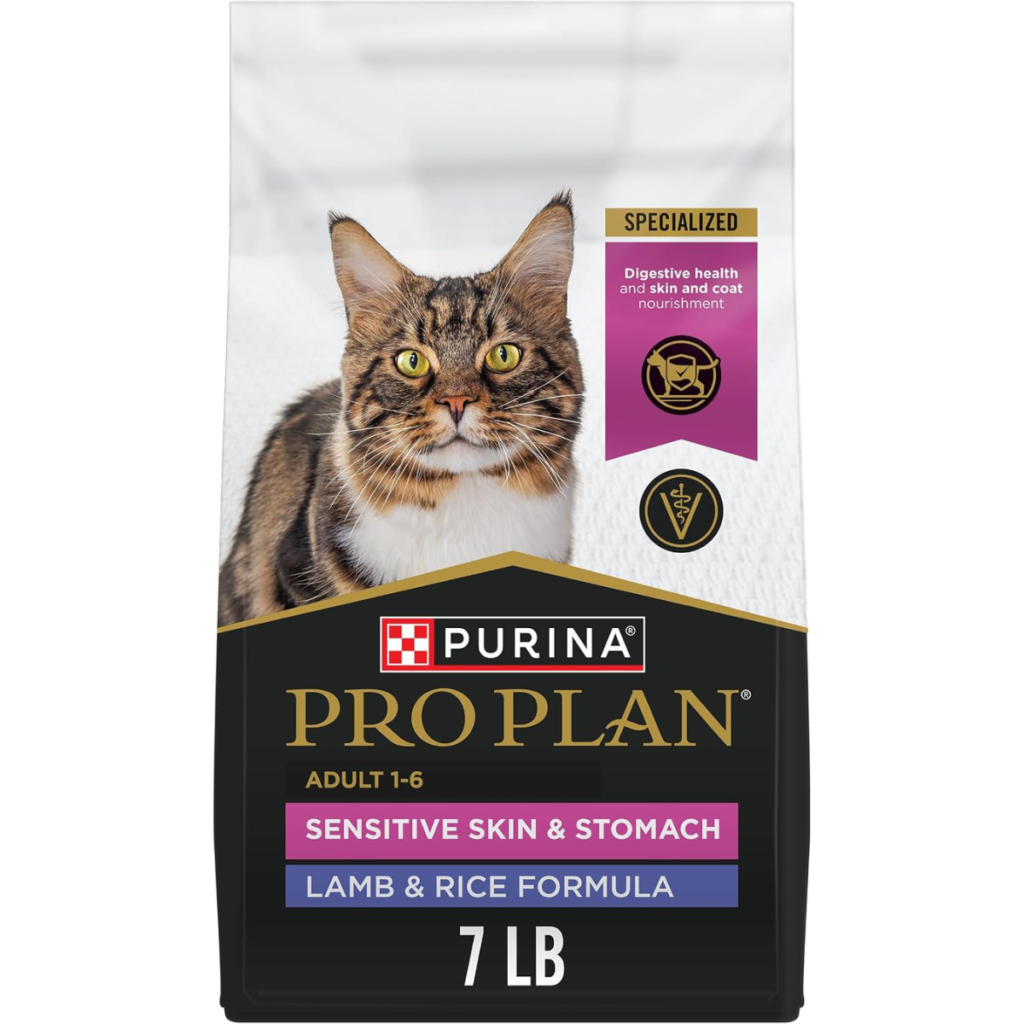
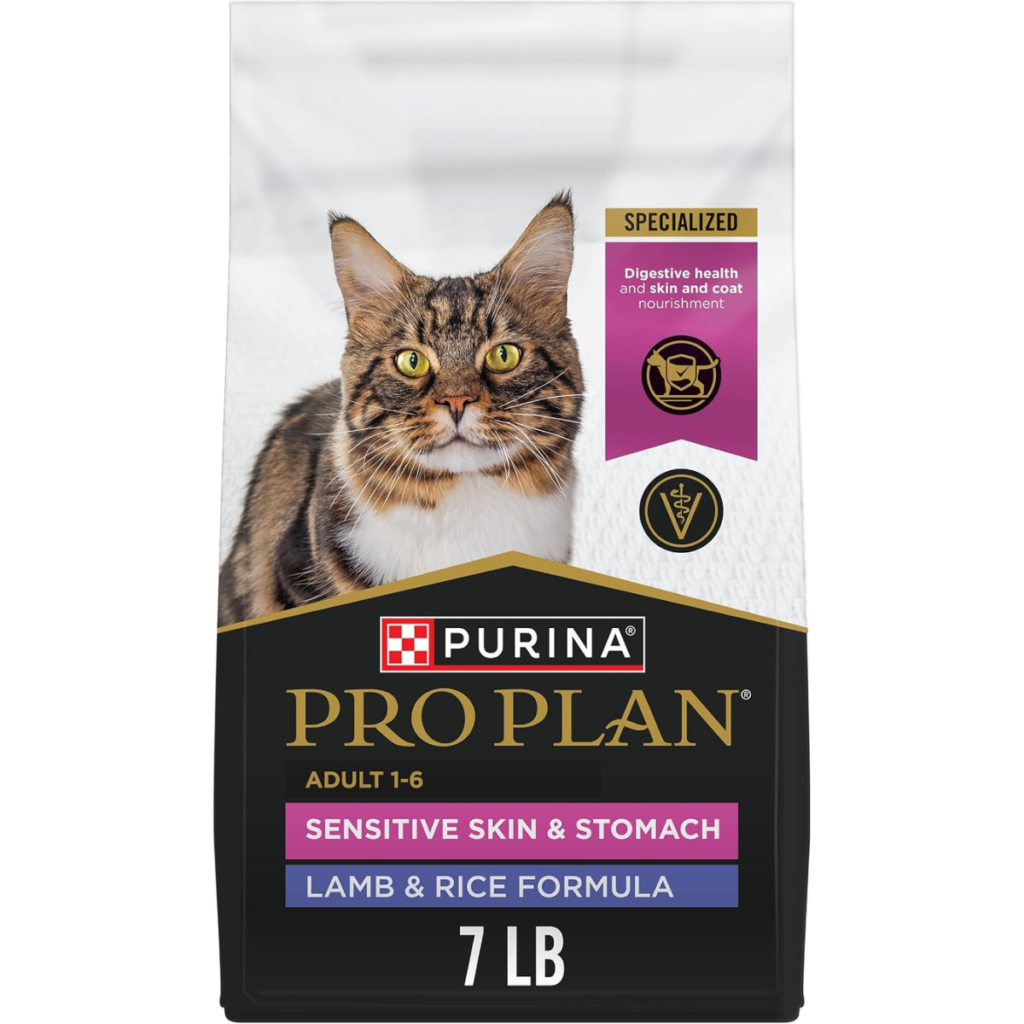
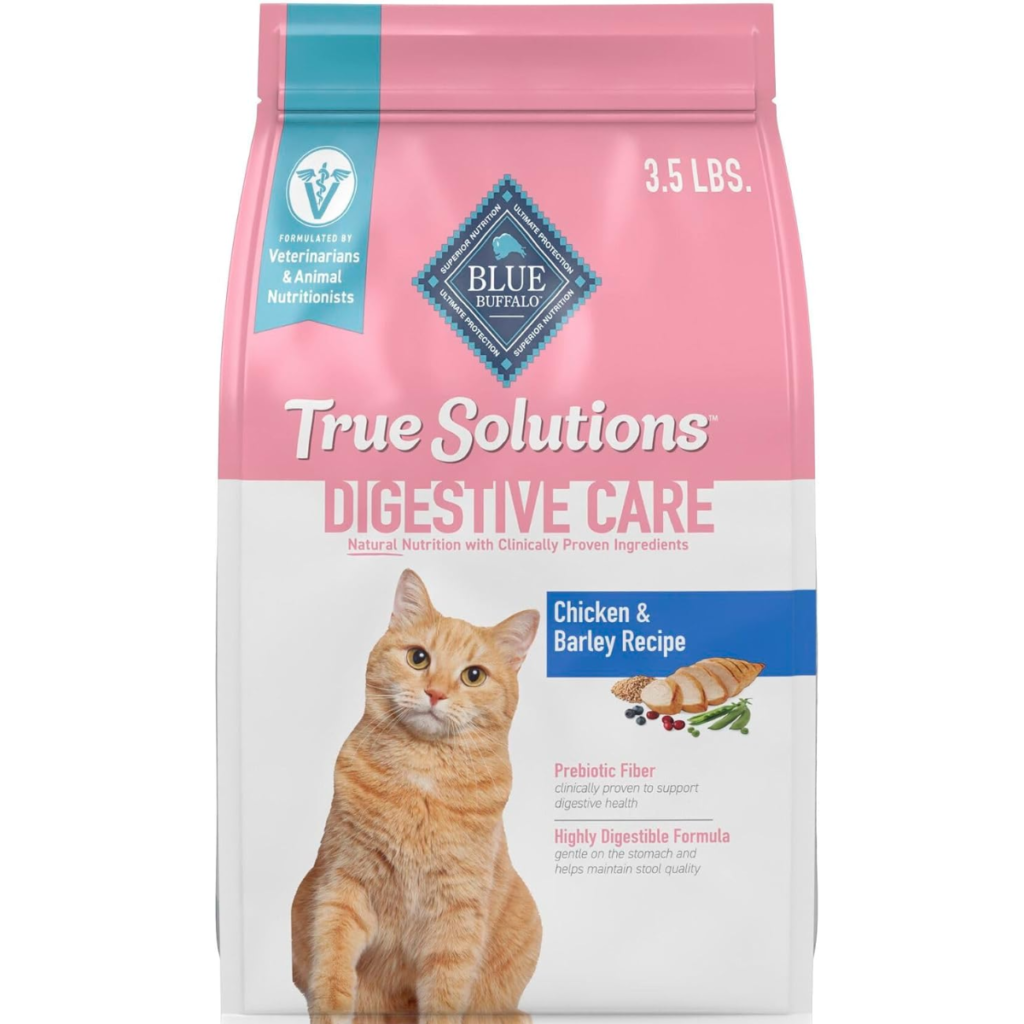
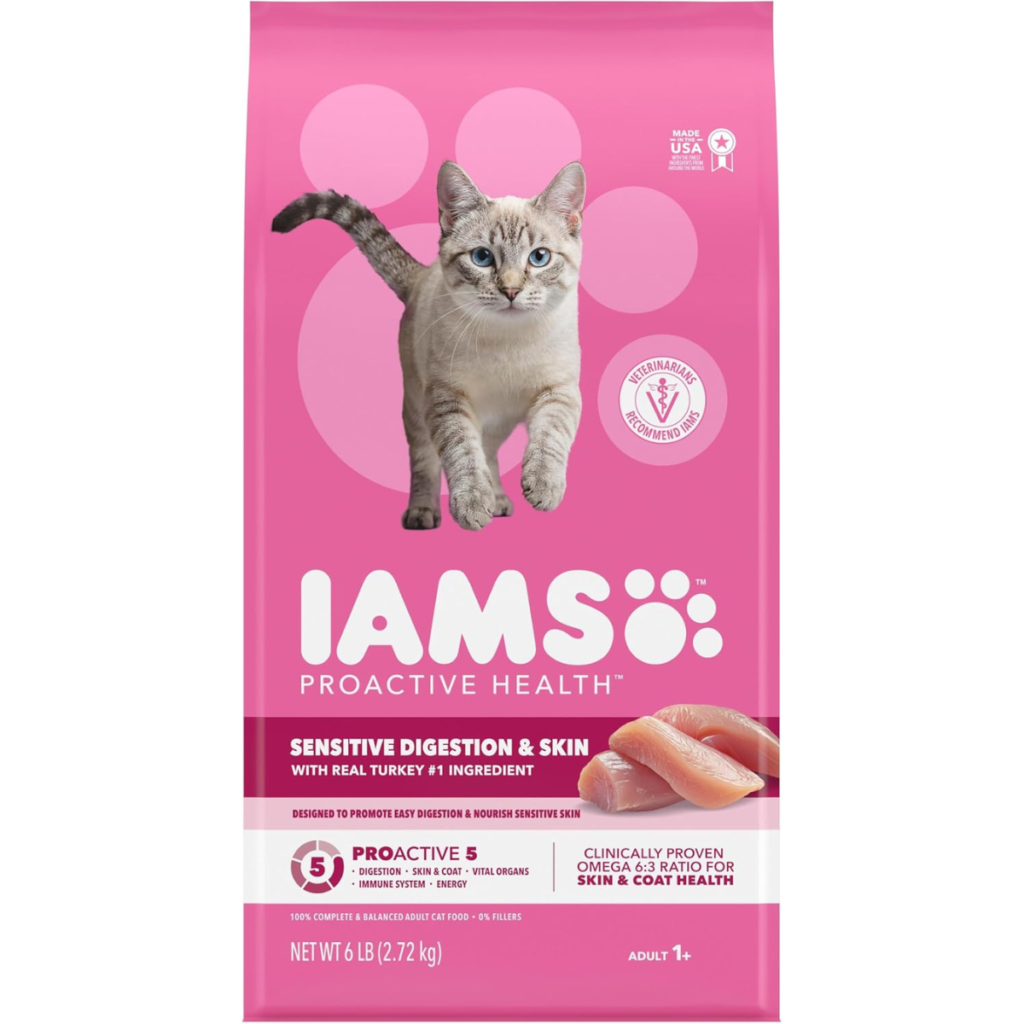
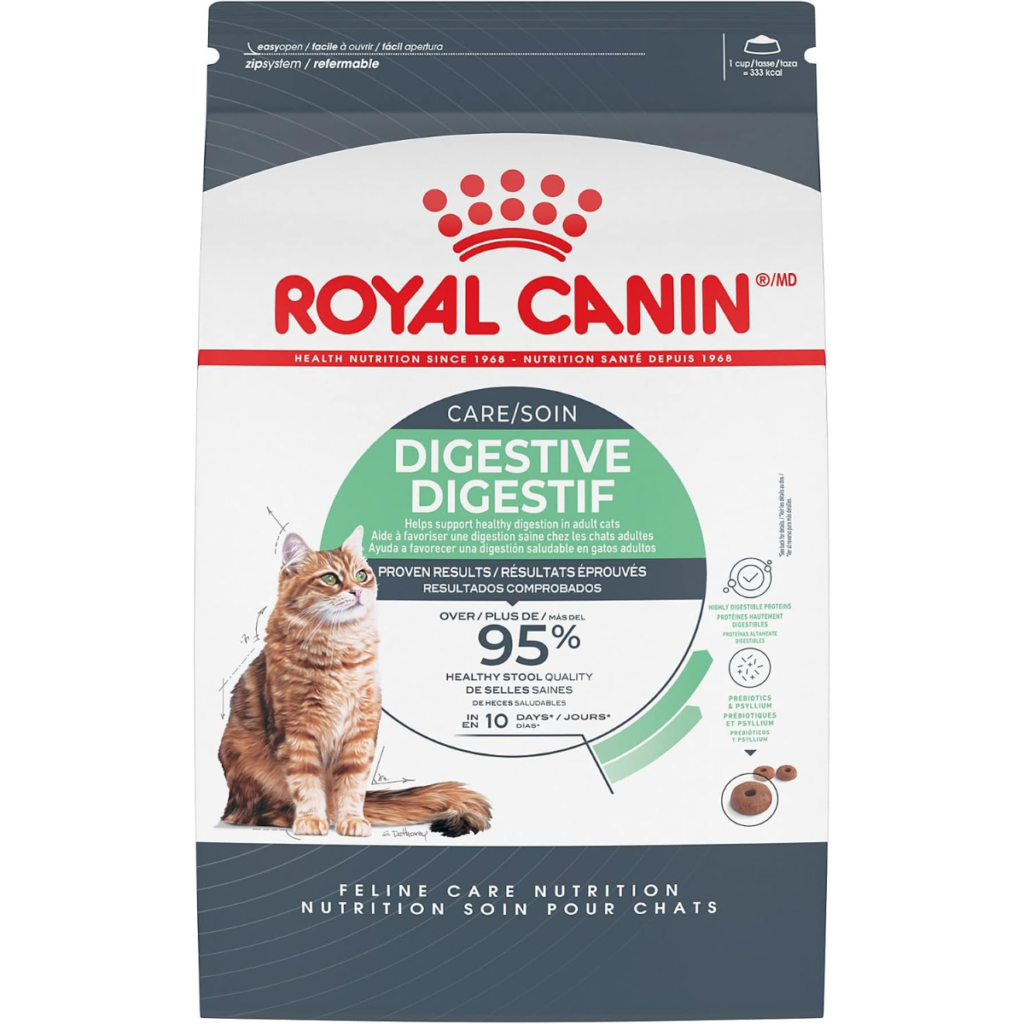
Best Hypoallergenic Cat Food for Sensitive Stomachs


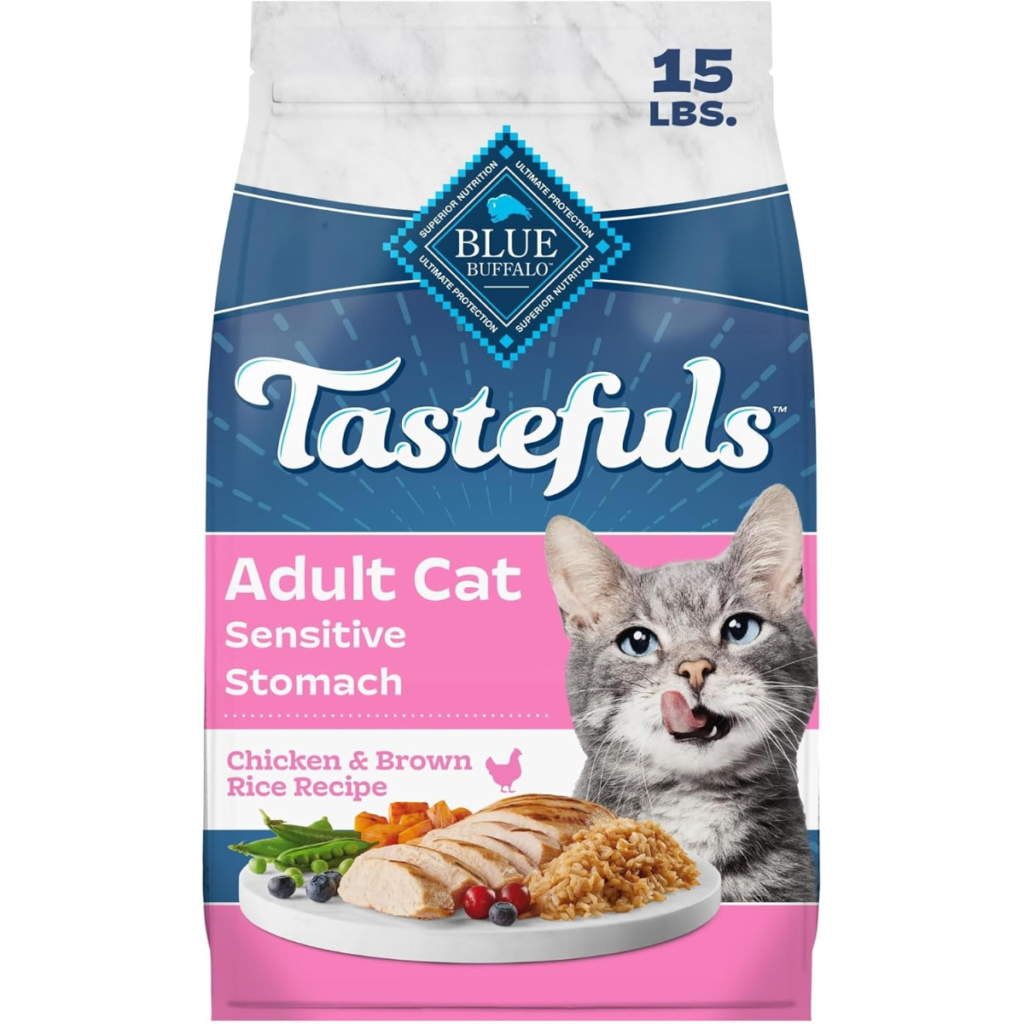
Hypoallergenic Wet Cat Food vs. Dry Cat Food
Both wet and dry formats can be used for allergy-conscious feeding.
Hypoallergenic Wet Cat Food
Potential advantages include:
- High moisture content
- Strong aroma
- Different textures
- Useful for cats that prefer wet food
- Convenient portioning
Hypoallergenic Dry Cat Food
Potential advantages include:
- Easy storage
- Convenient measuring
- Longer shelf life after opening
- Easy use with automatic feeders
- Often lower cost per serving
What Should You Avoid During a Food Allergy Trial?
Unless your veterinarian specifically approves them, avoid introducing:
- New treats
- Table food
- Meat scraps
- Flavored supplements
- Flavored medications
- Dental treats
- Other cat foods
- Food toppers
- Broths containing animal proteins
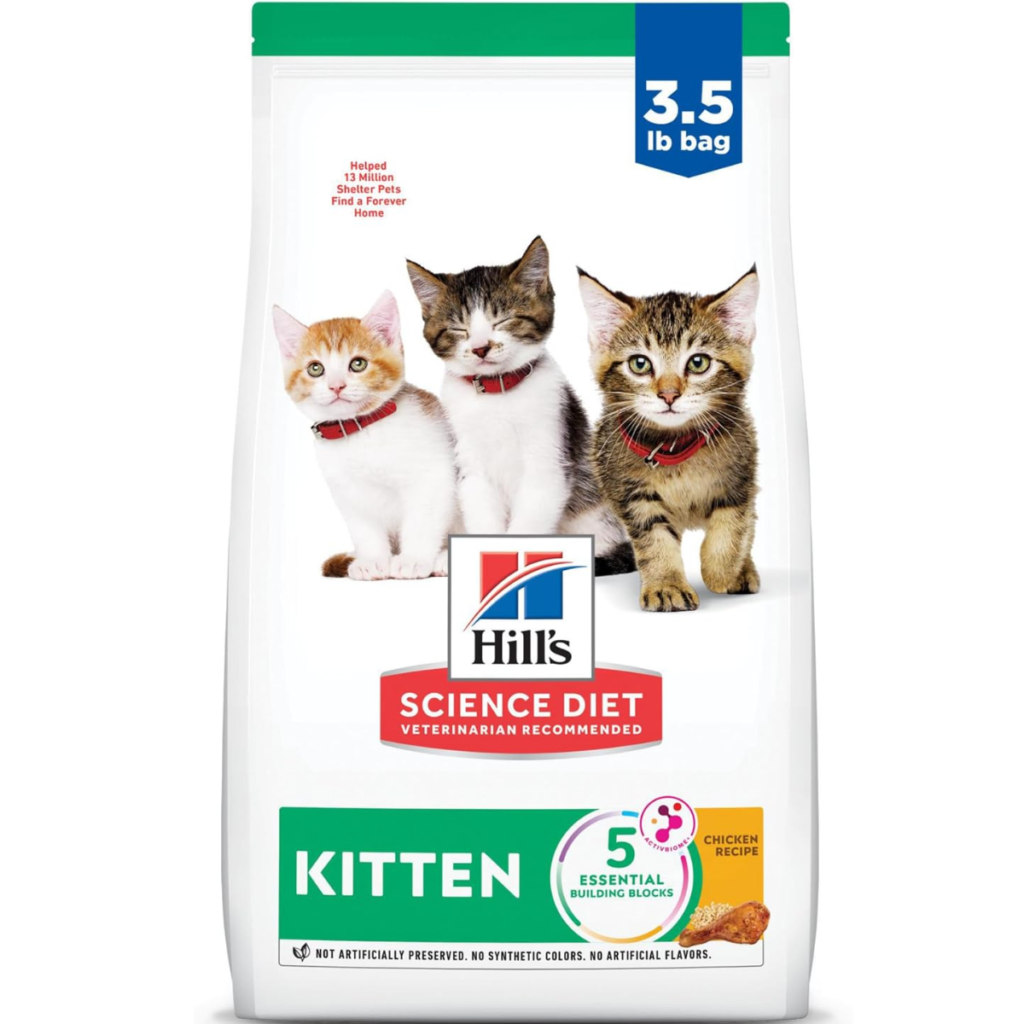
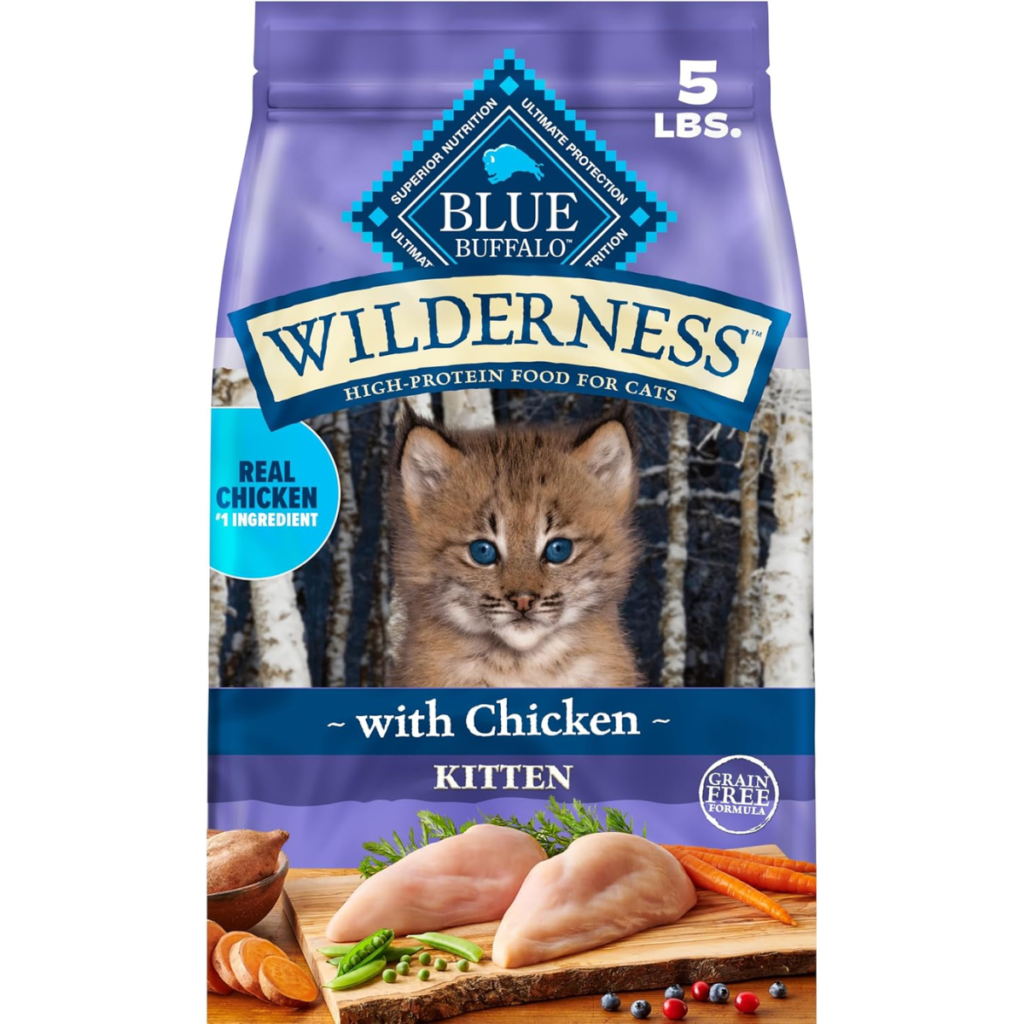
Hypoallergenic Cat Food for Kittens


Hypoallergenic Cat Food for Senior Cats


Hypoallergenic Cat Food for Itchy Ears and Skin
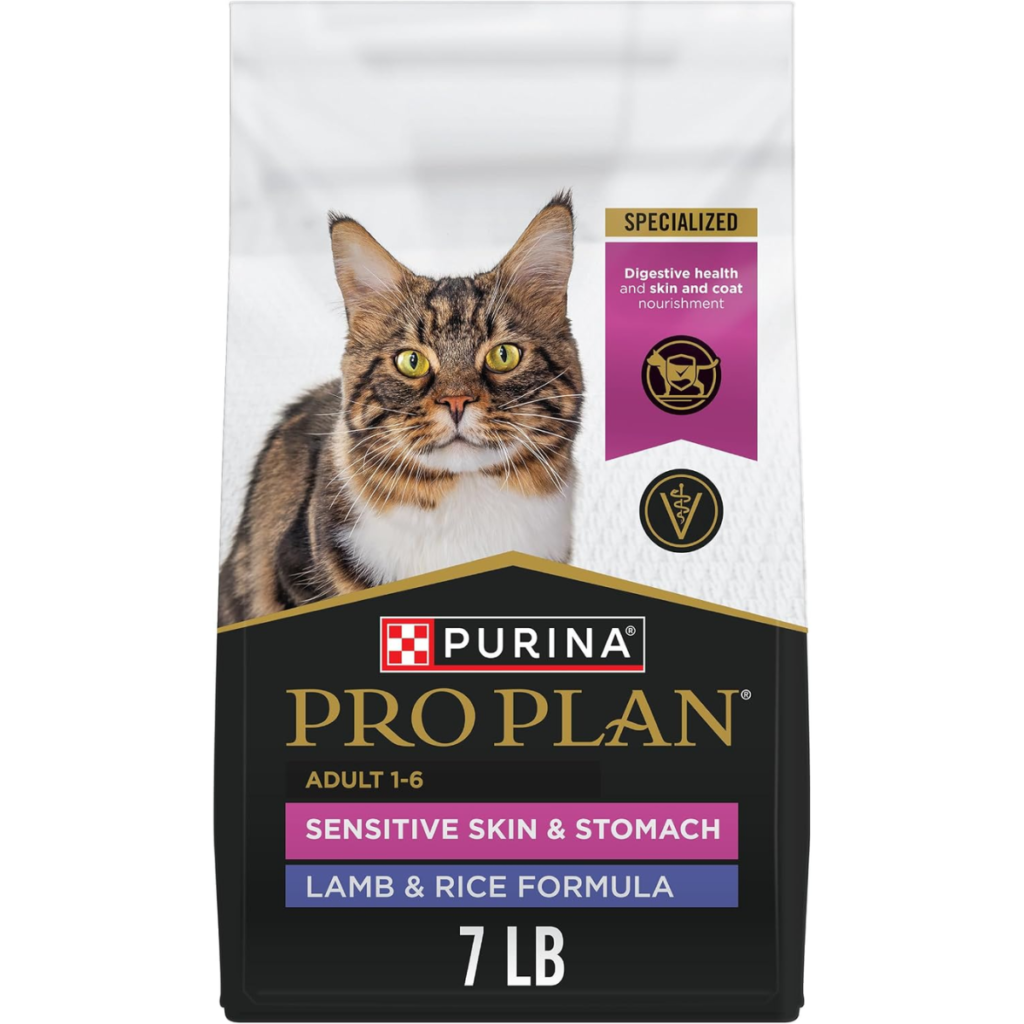

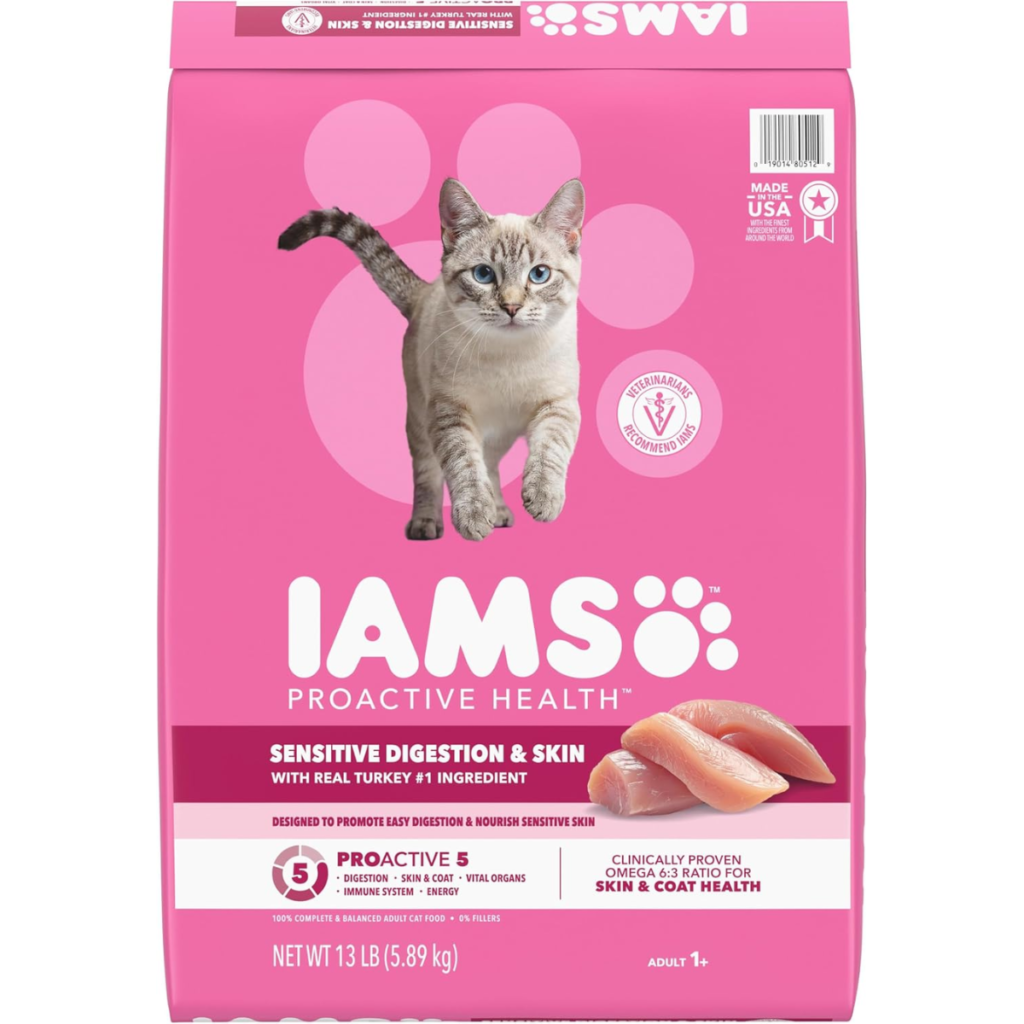
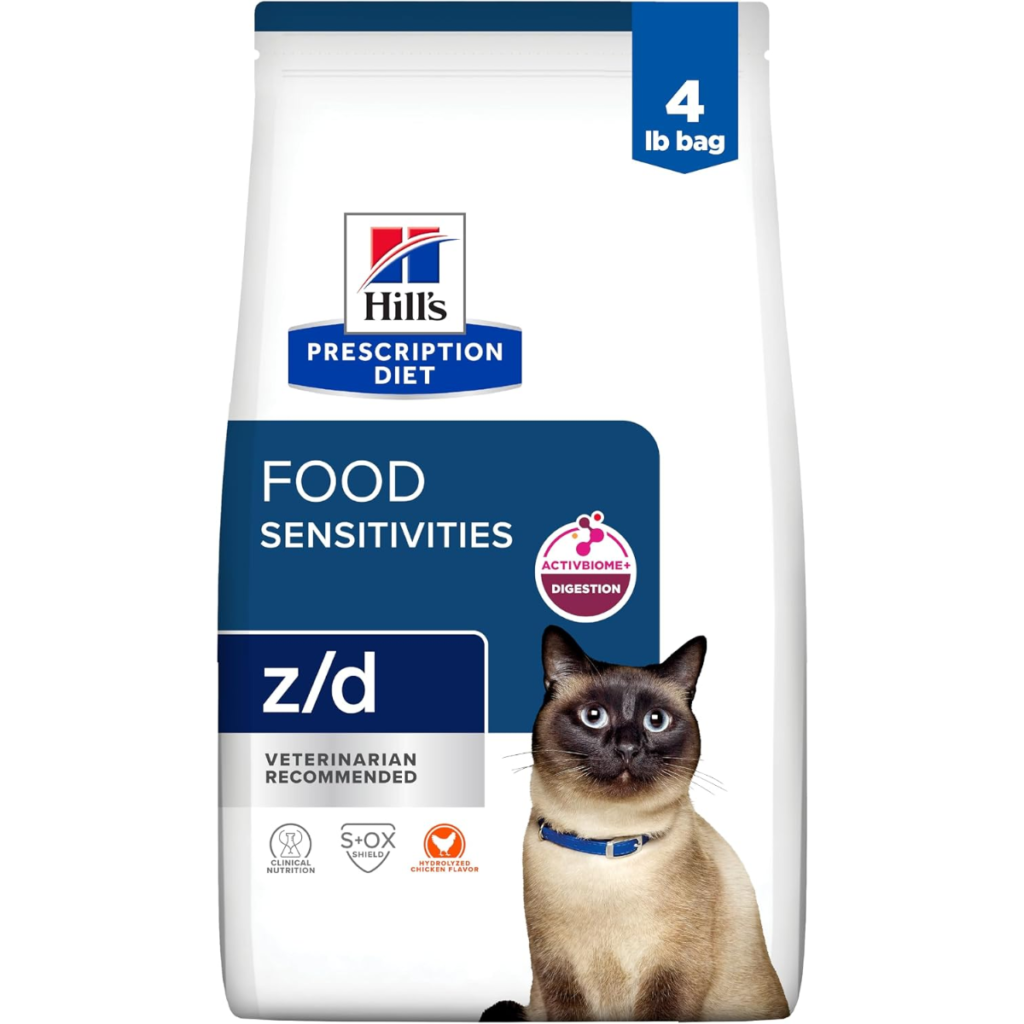
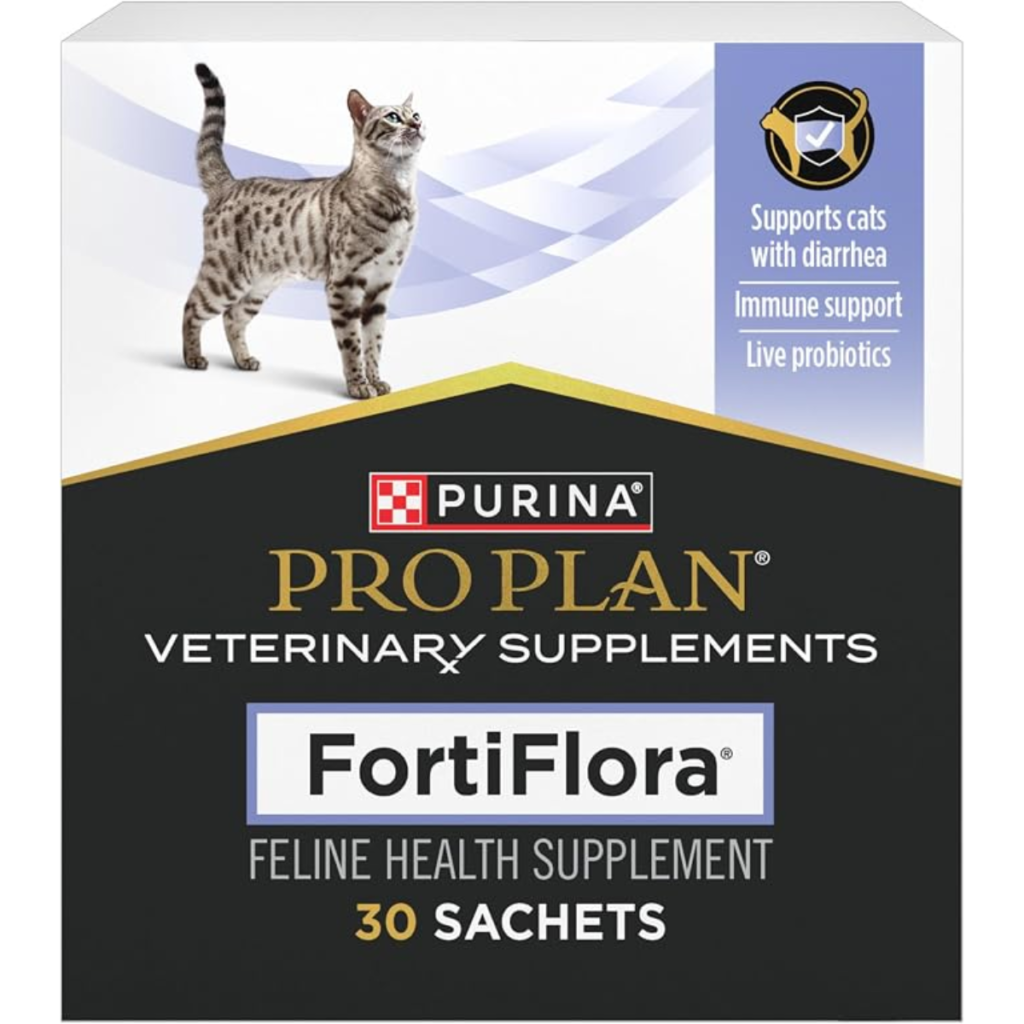
Hypoallergenic Cat Food for Vomiting and Diarrhea
12 Hypoallergenic Cat Breeds for People With Allergies
1. Siberian Cat

The Siberian is one of the most frequently mentioned breeds for people looking for a potentially allergy-friendly cat.
Despite its thick, fluffy coat, some Siberians are reported to produce lower levels of the major cat allergen than many other cats. Their long fur does mean regular grooming is important.
Siberians are generally social, affectionate, intelligent, and adaptable. They can make excellent family companions but benefit from regular brushing and plenty of interaction.
2. Siamese Cat
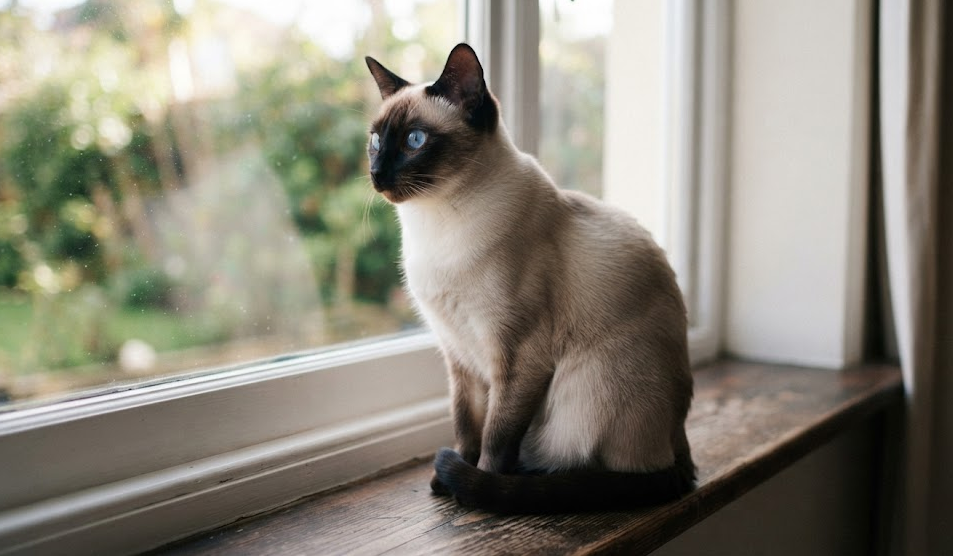
The Siamese has a short, sleek coat that typically requires little grooming. Its relatively low-shedding coat can make household hair management easier.
These cats are known for being highly social and vocal. They often form strong relationships with their people and may become unhappy if left alone for long periods.
3. Bengal Cat
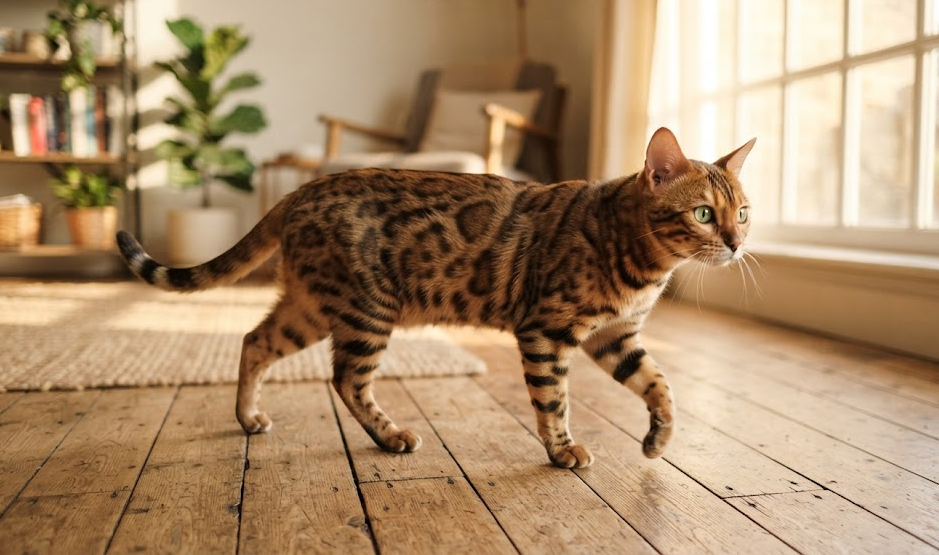
Bengal cats are recognized for their distinctive spotted or marbled coats and athletic appearance.
Their short coat generally does not require extensive grooming, and they tend to shed less noticeably than many long-haired breeds.
Bengals are energetic and intelligent, however. They need regular play, exercise, and mental stimulation. Before choosing one, also check local regulations because ownership rules can vary by location.
4. Russian Blue Cat
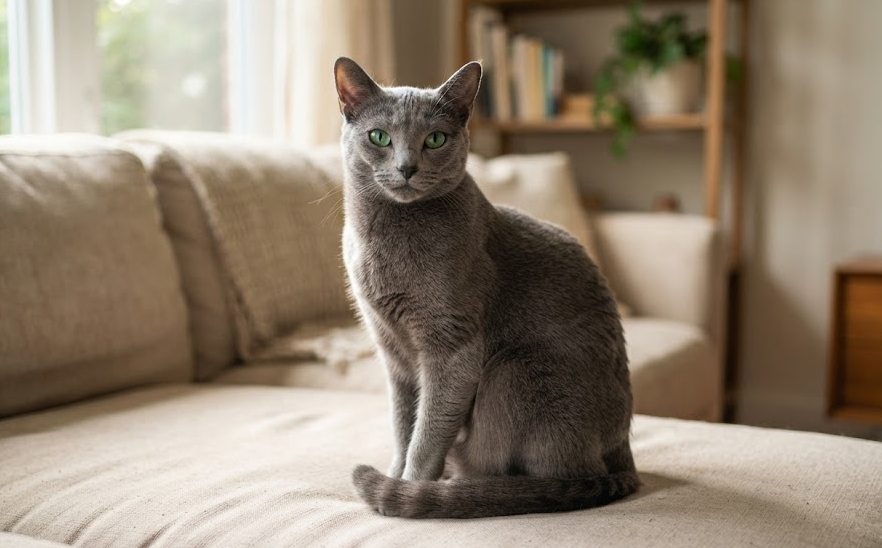
The Russian Blue has a short, dense coat and is often considered a potentially allergy-friendly breed.
These cats are typically calm, intelligent, and affectionate with people they trust. They may be reserved around strangers and sometimes need time to become comfortable in a new environment.
Regular but relatively simple grooming can help keep their coat in good condition.
5. Sphynx Cat
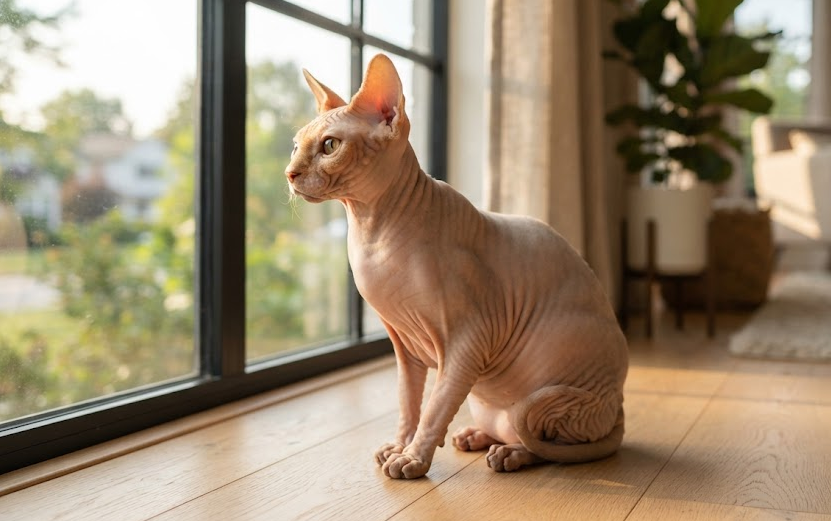
The Sphynx is famous for its nearly hairless appearance, although some individuals have a fine layer of fuzz.
Because there is little fur to shed, Sphynx cats may leave less hair around the home. However, they are not allergen-free. Allergens can still be present in their saliva and on their skin.
Their skin also needs special care. Regular bathing may be necessary to remove accumulated oils, and owners should protect them from excessive sun exposure and cold temperatures.
6. Devon Rex Cat
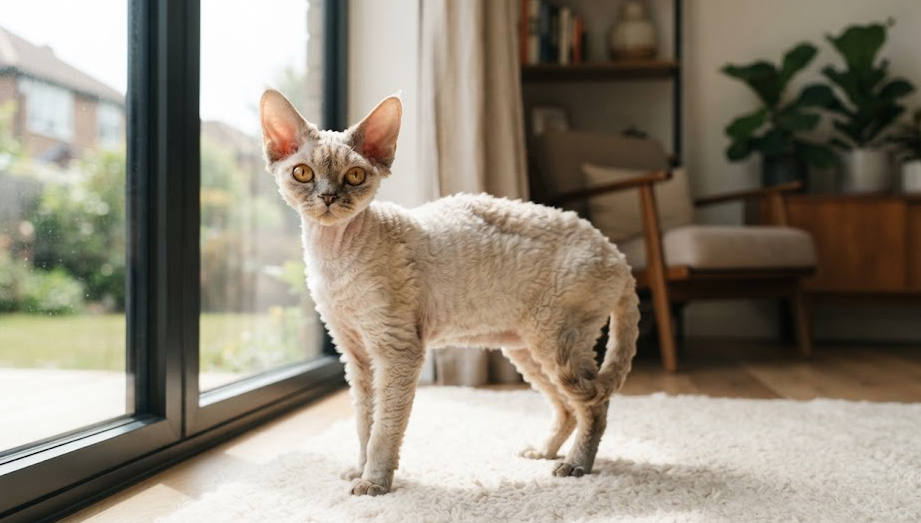
The Devon Rex has a distinctive short, curly coat and a playful personality.
Because its coat is different from that of many traditional cats, it may shed less visibly. Devon Rex cats are also known for being affectionate, curious, and highly people-oriented.
They often enjoy being involved in family activities and may not be ideal for homes where everyone is away for most of the day.
7. Cornish Rex Cat
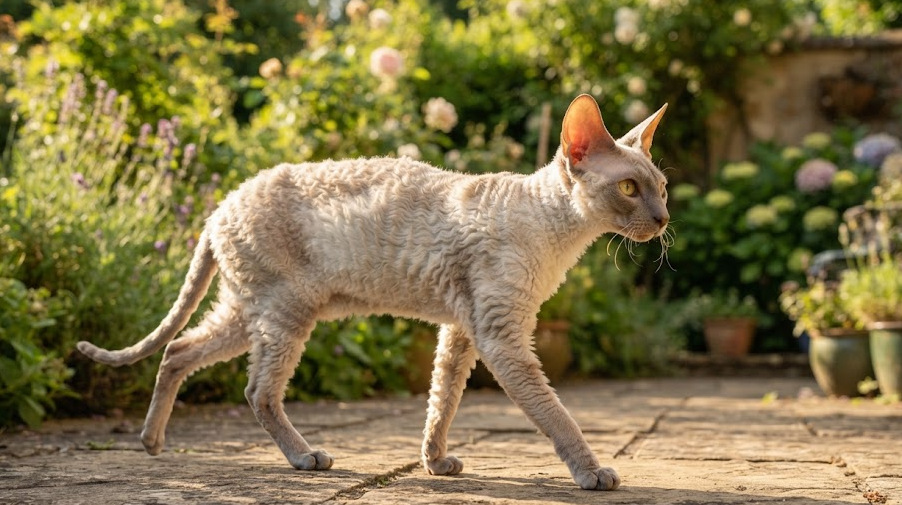
The Cornish Rex has a very short, wavy coat that gives the breed its distinctive appearance.
Its unusual coat can mean less visible shedding, but it does not eliminate cat allergens.
Cornish Rex cats are typically active, playful, and social. They need daily interaction and opportunities to exercise and explore.
8. Javanese Cat
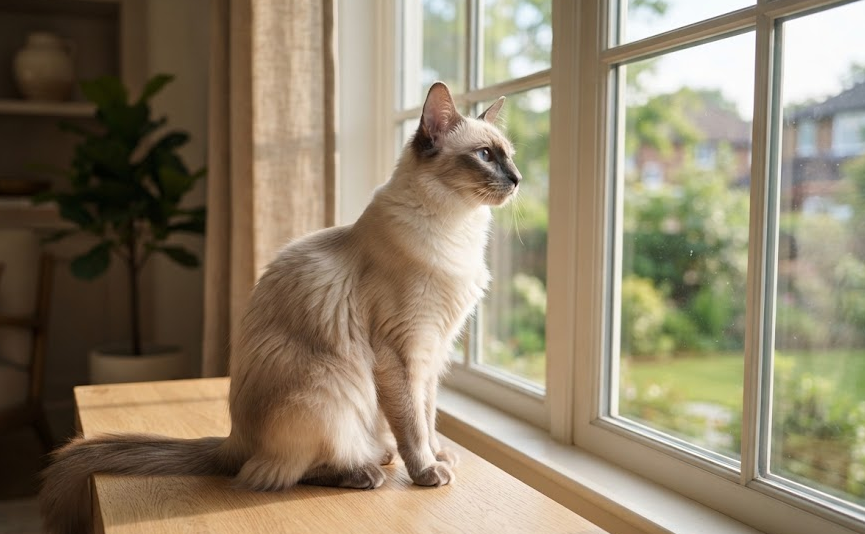
The Javanese is a long-haired breed with a fine, relatively low-shedding coat.
Although their fur may require regular attention to prevent tangles, these cats can be a consideration for people searching for a potentially allergy-friendly breed.
Javanese cats are generally intelligent, active, affectionate, and strongly attached to their families. They often enjoy interactive games and human companionship.
9. Balinese Cat
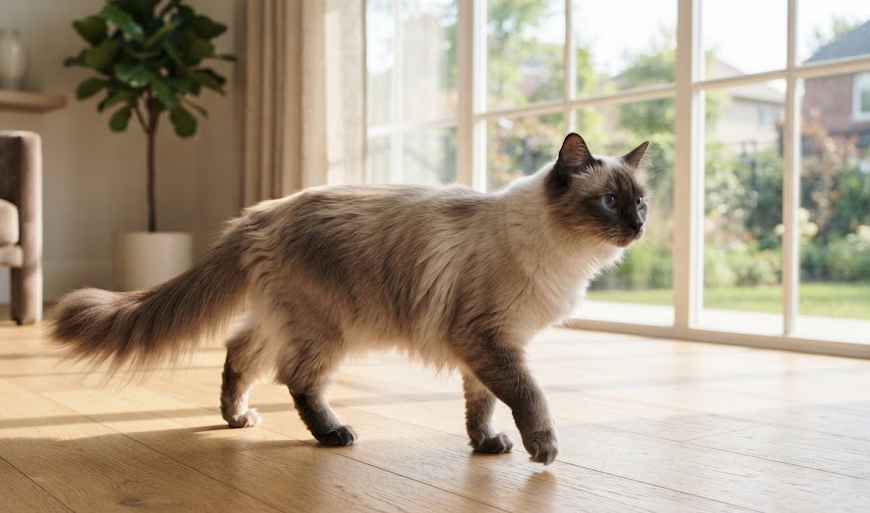
The Balinese has a long, silky coat and is closely related to the Siamese.
Although its coat is longer, Balinese cats are often included among breeds that may be easier for some allergy sufferers to tolerate. They are also intelligent, affectionate, and highly social.
They enjoy interactive play and can learn behaviors through positive training.
10. Oriental Shorthair Cat
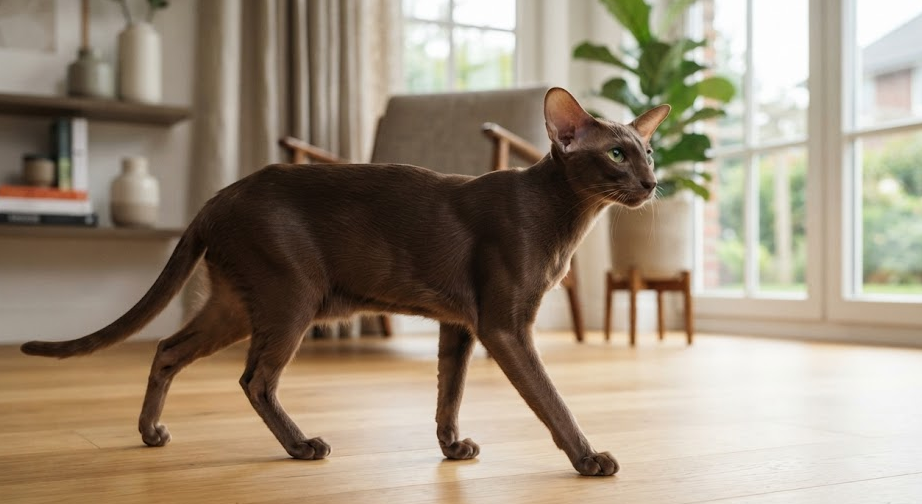
The Oriental Shorthair has a sleek body, short coat, and distinctive facial features.
Its short coat is relatively easy to maintain and typically requires minimal grooming. These cats are active, curious, intelligent, and strongly people-oriented.
They often enjoy interactive toys and activities that keep their minds and bodies busy.
11. Burmese Cat

Burmese cats have short, smooth coats that are easy to care for.
They are typically affectionate, energetic, and social. Their short coat may also mean less loose fur around the home compared with some long-haired breeds.
Because Burmese cats enjoy activity and companionship, daily play and interaction are important.
12. Tonkinese Cat

The Tonkinese combines characteristics of the Siamese and Burmese breeds.
Its short coat generally requires little grooming, while its personality tends to be active, social, and affectionate.
Tonkinese cats often enjoy spending time with their families and participating in interactive activities.
Frequently Asked Questions
There is no single best product for every cat. Veterinary hydrolyzed diets and carefully selected novel-protein diets are the main options used when food allergy is suspected. Your veterinarian should help select the appropriate diet.
The best food depends on the suspected allergen and your cat's previous diet. A veterinarian may recommend a hydrolyzed protein diet or a genuinely novel protein diet.
There is no universally best protein. The appropriate novel protein depends on what your cat has eaten previously. Rabbit, duck, and venison are examples that may be used when they are genuinely novel for that cat.
A diagnostic elimination trial commonly lasts around eight weeks or longer, depending on the symptoms and veterinary plan. Do not change the diet or end the trial early without discussing it with your veterinarian.
No, grain-free cat foods aren’t automatically hypoallergenic because most food allergies are triggered by animal proteins. “A grain-free diet can still contain beef, fish or chicken, so ‘grain-free’ does not make a food appropriate for an elimination trial,” says Deer. It’s also worth noting that grain-free recipes tend to substitute with alternative carbs like potatoes, peas or lentils—which not all pets’ digestive systems agree with.
The best food for a cat with allergies is one that doesn’t contain the ingredient (or ingredients) your cat is allergic to. If you’re not sure what that is, you’ll need to use an elimination diet to find out. Once you’ve identified the allergen, stick with a limited ingredient diet that meets your cat’s nutritional needs and doesn’t include the offending allergen.
No, there is no such thing as a 100% hypoallergenic cat. Even cats that don’t shed produce allergens.
There is no universally hypoallergenic cat. Some breeds, including Siberians, Sphynx, Russian Blues, Siamese, and Rex breeds, are commonly considered more suitable for some allergy sufferers.
The best choice depends on the individual. A Siberian, Russian Blue, Siamese, Sphynx, or another lower-shedding breed may work for some people, but you should spend time with the actual cat before adoption.
Hypoallergenic Cat Food is not about finding the food with the shortest ingredient list or the most attractive “sensitive” label.
The most useful approach is to first determine whether your cat actually has a food allergy.
If your veterinarian suspects one, a carefully controlled elimination diet can help identify whether food is contributing to the problem. The two major approaches are novel-protein diets and hydrolyzed-protein diets.