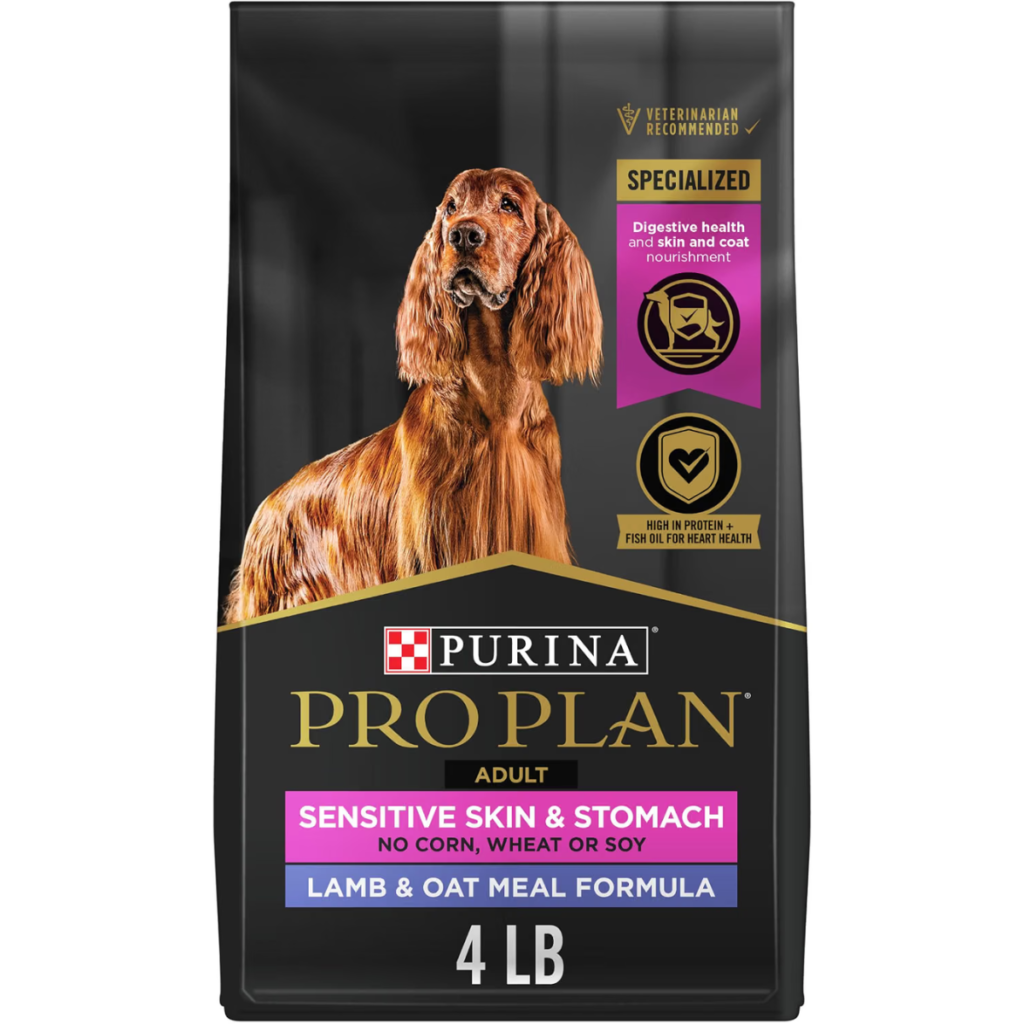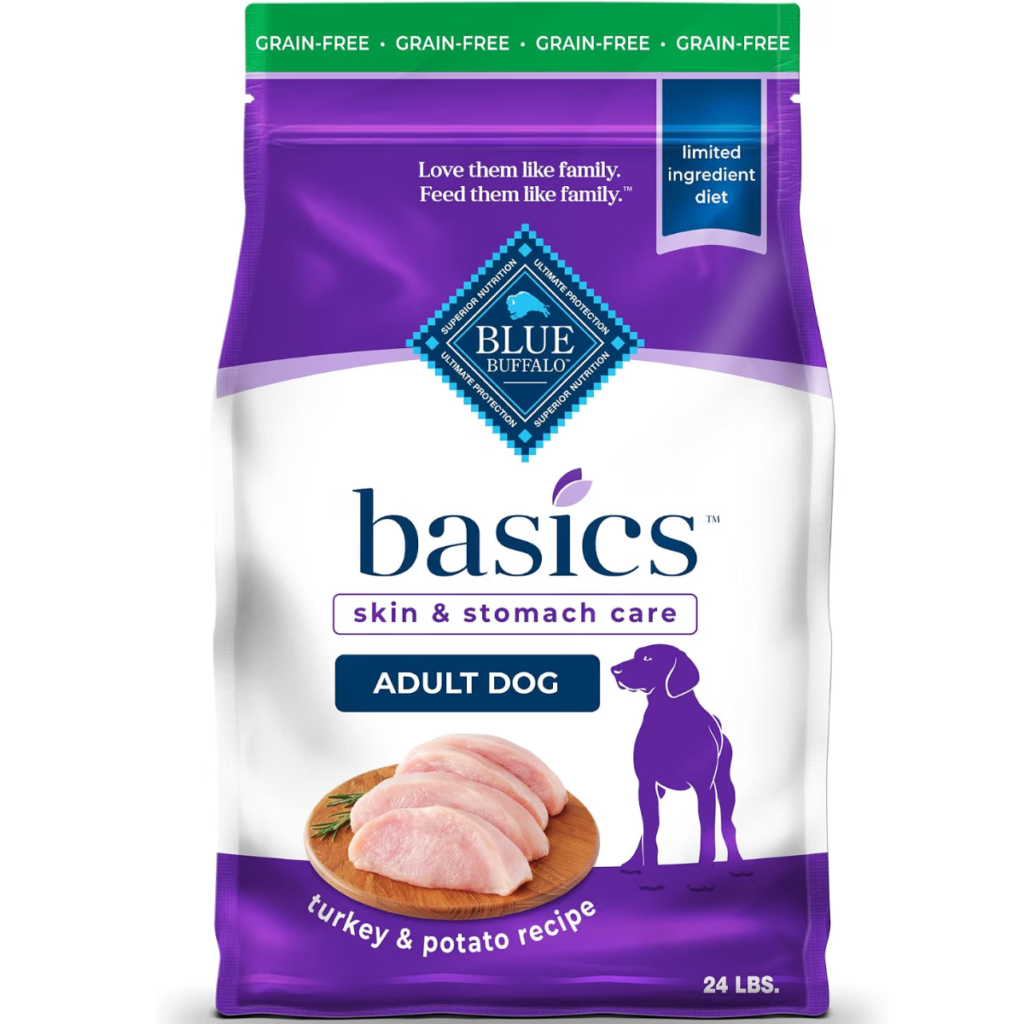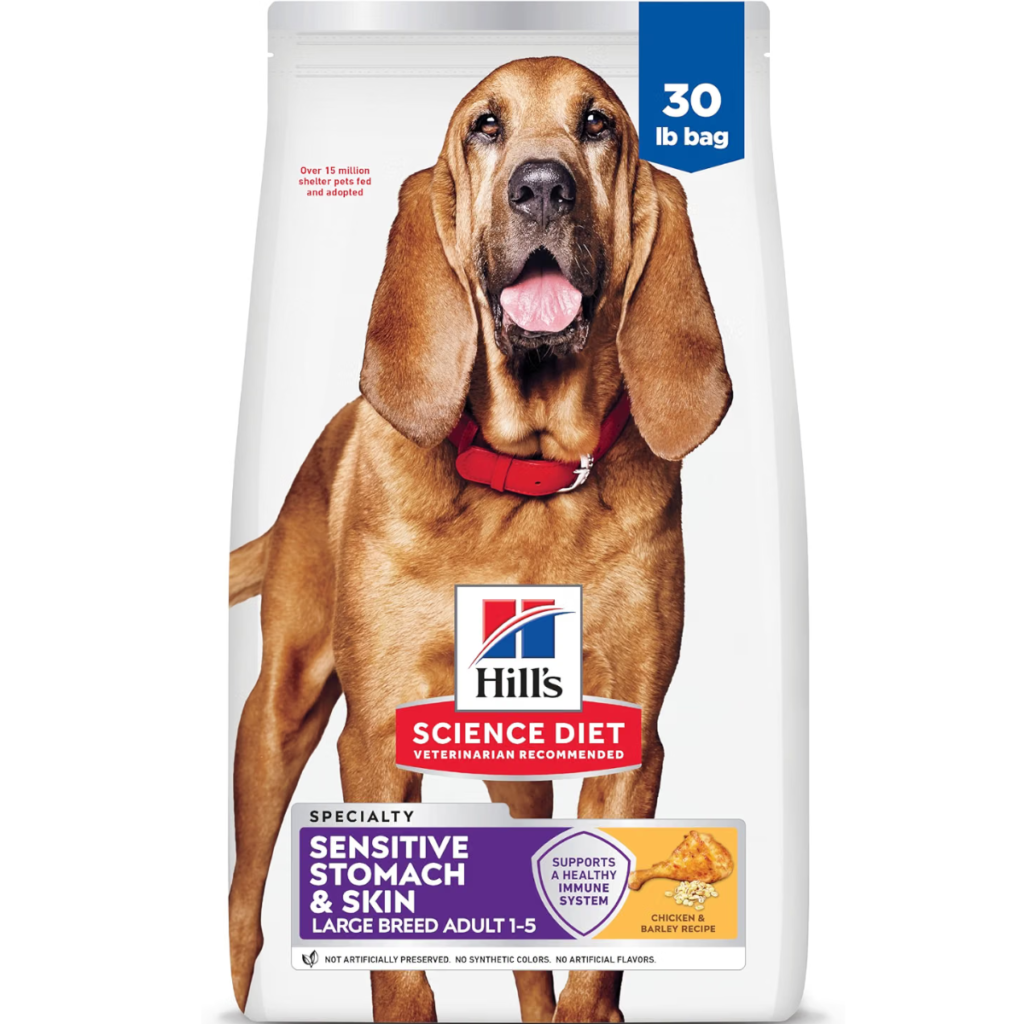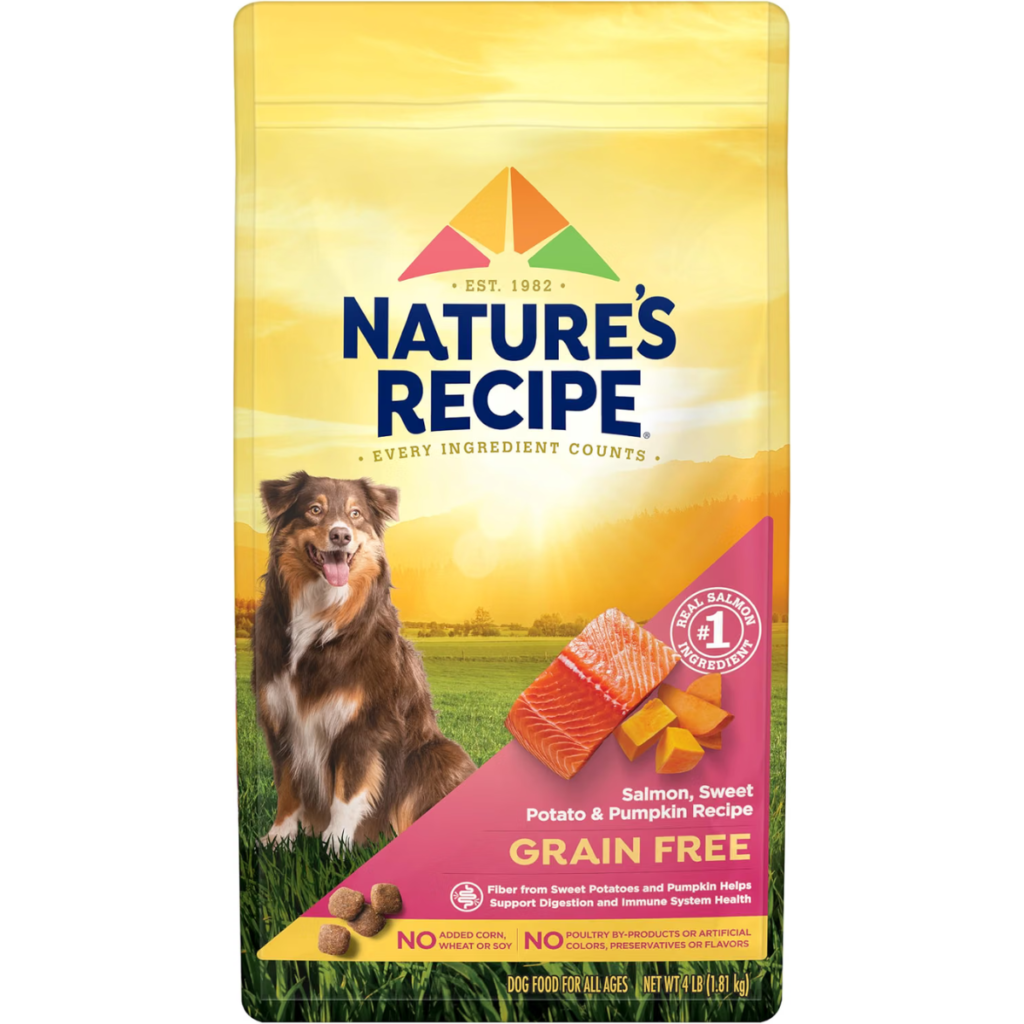

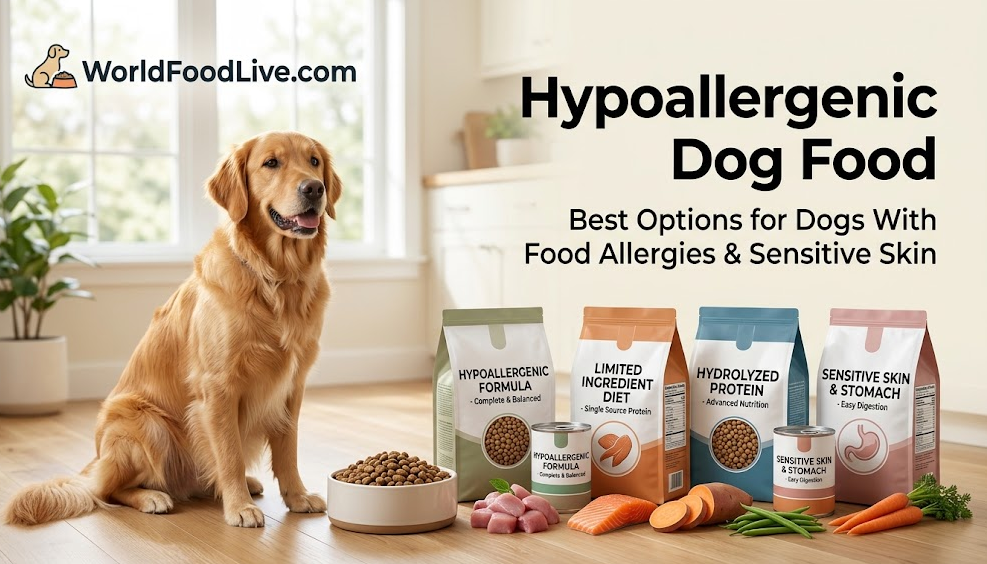
Hypoallergenic Dog Food: Best Options for Dogs With Food Allergies & Sensitive Skin
Does your dog constantly scratch, lick their paws, develop recurring ear problems, or struggle with an upset stomach? Food may be one possible reason—but it is not always the cause.
Hypoallergenic dog food is designed to reduce exposure to ingredients that may trigger adverse food reactions. These diets commonly use novel proteins, hydrolyzed proteins, or limited ingredient formulations to make it easier to identify and avoid a food trigger.
However, choosing the right food is about more than finding a bag labeled “hypoallergenic.” Dogs can react to different ingredients, and environmental allergies, fleas, infections, and other conditions can cause similar symptoms.
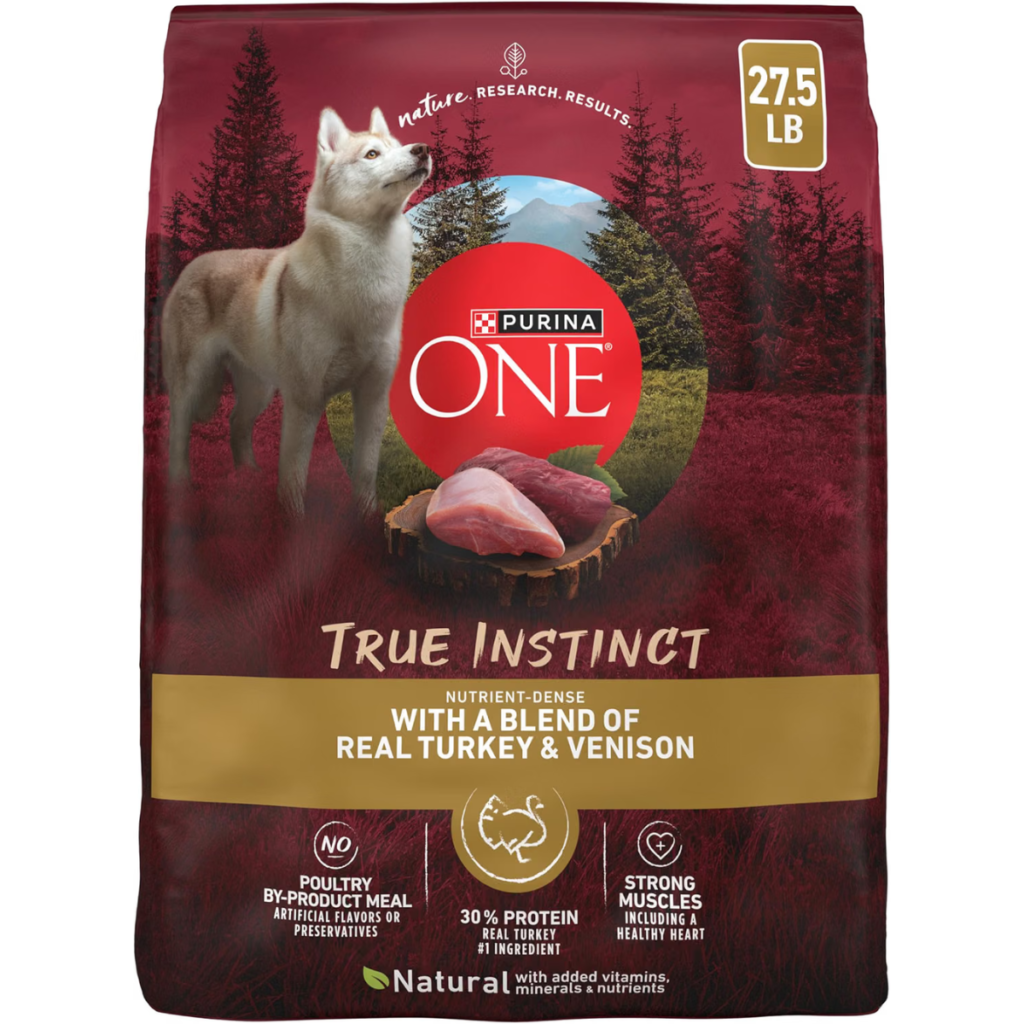
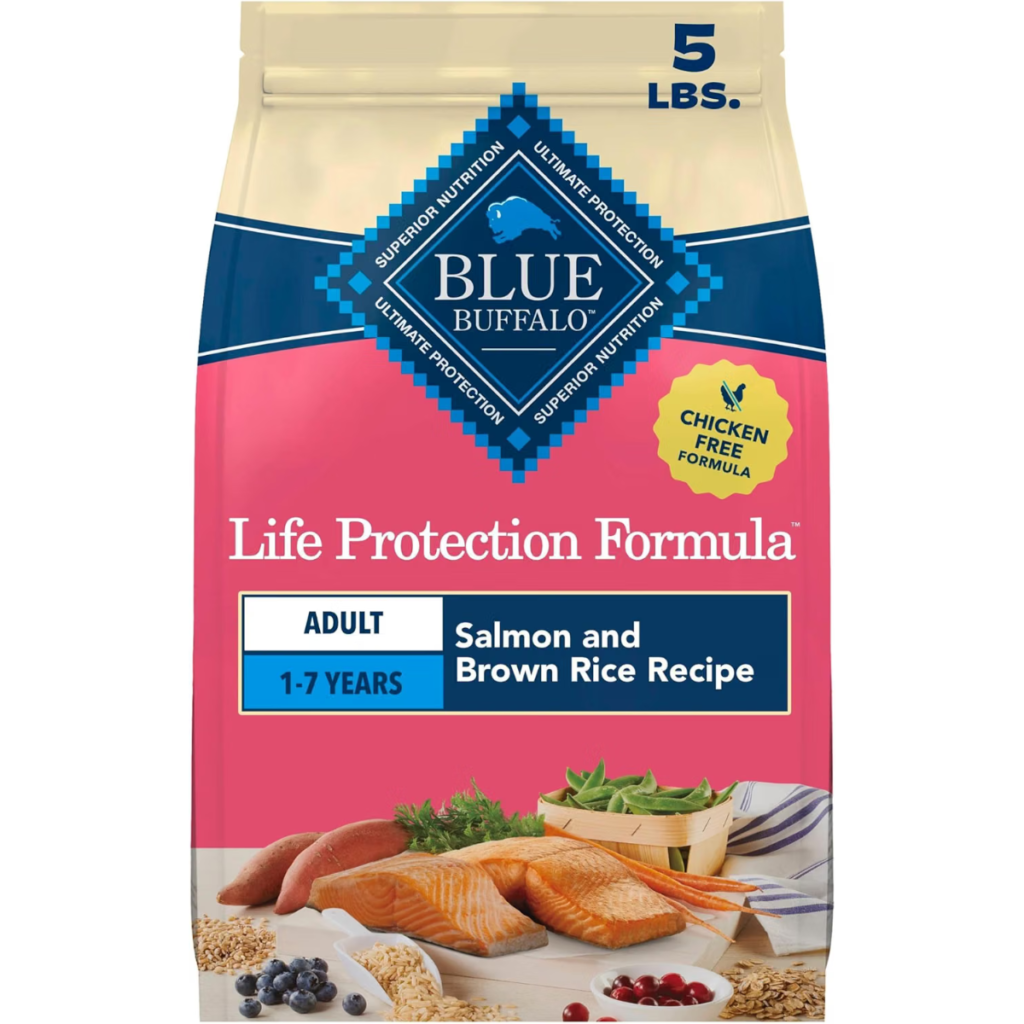
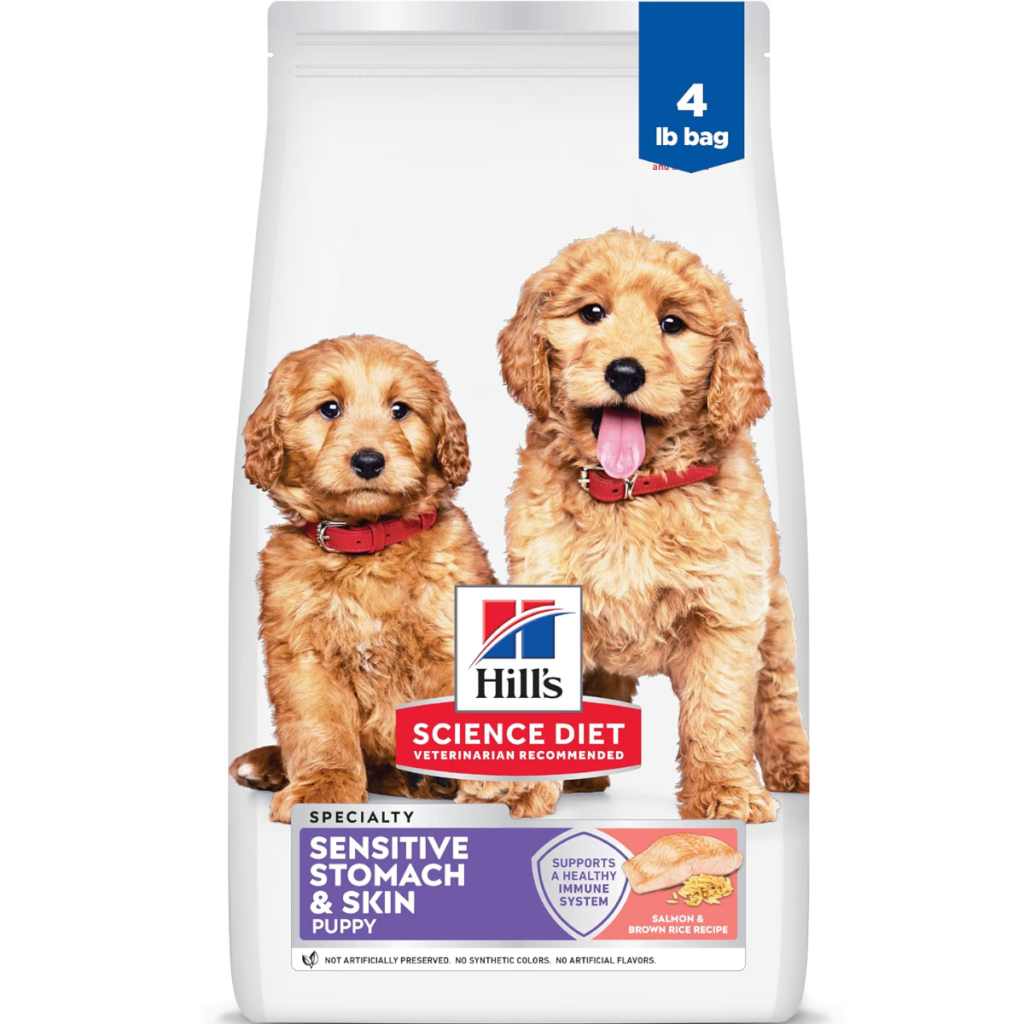
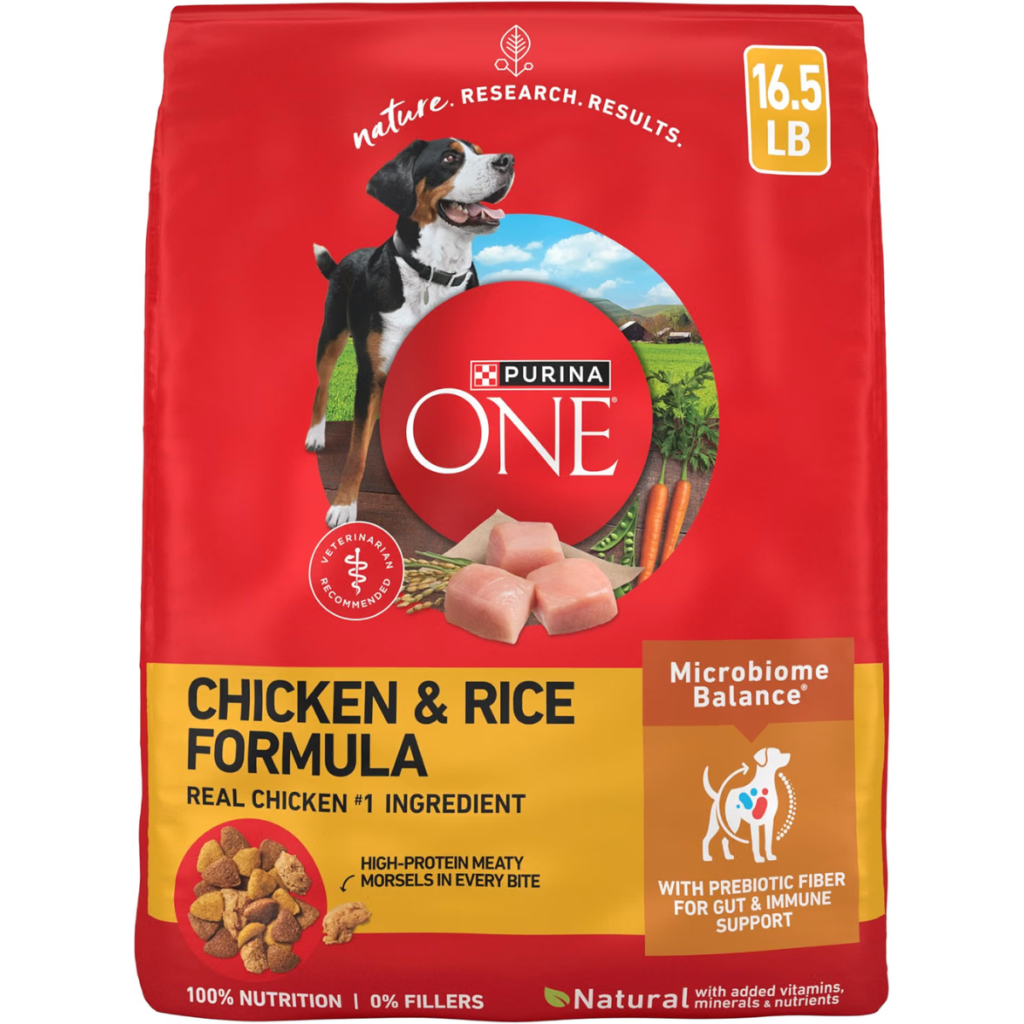
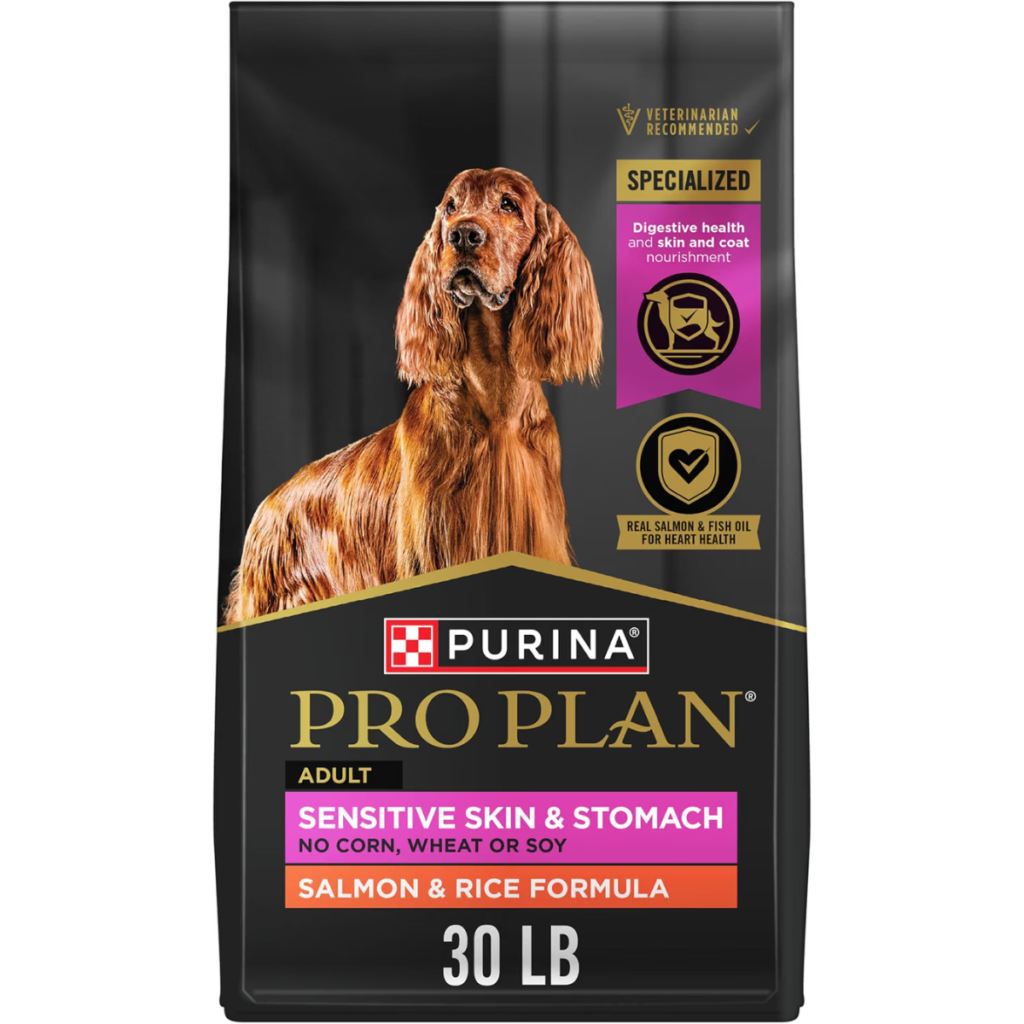
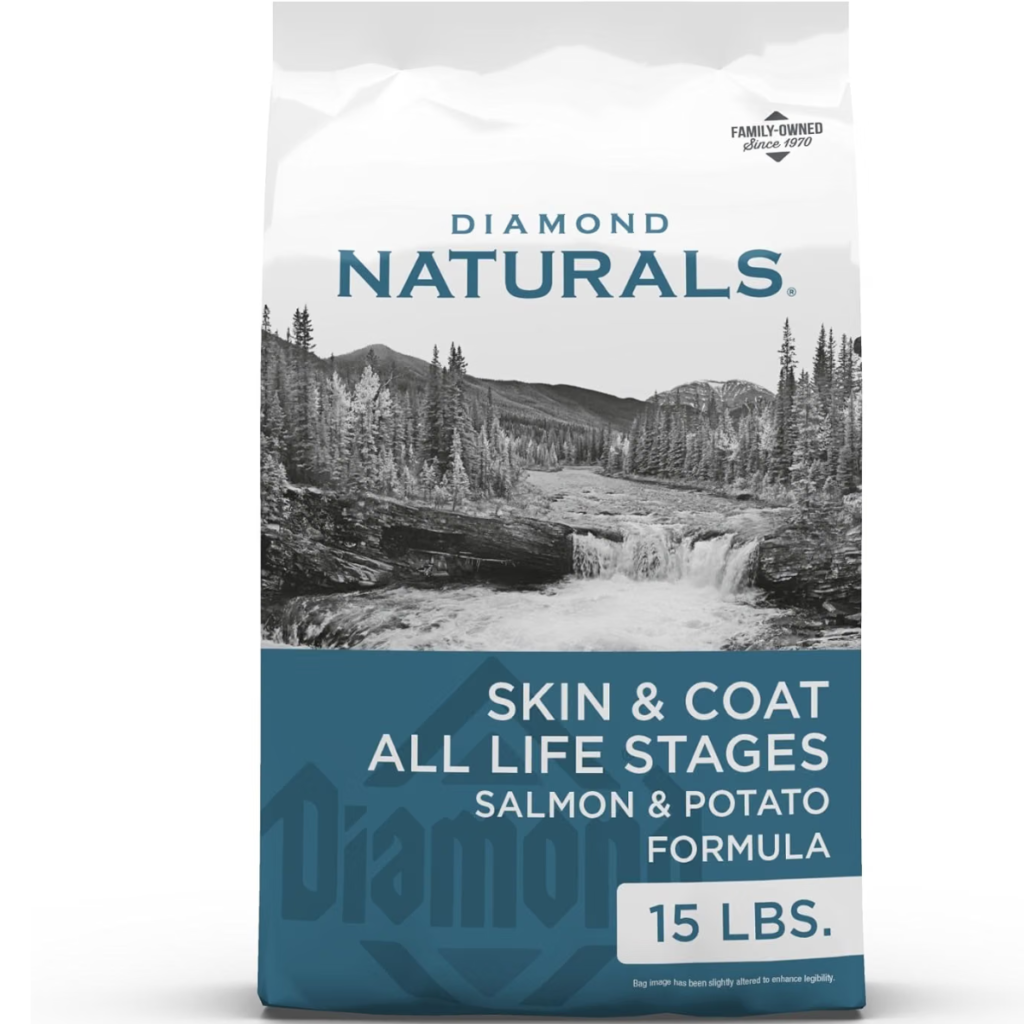
Best Hypoallergenic Dog Food Brands Picks
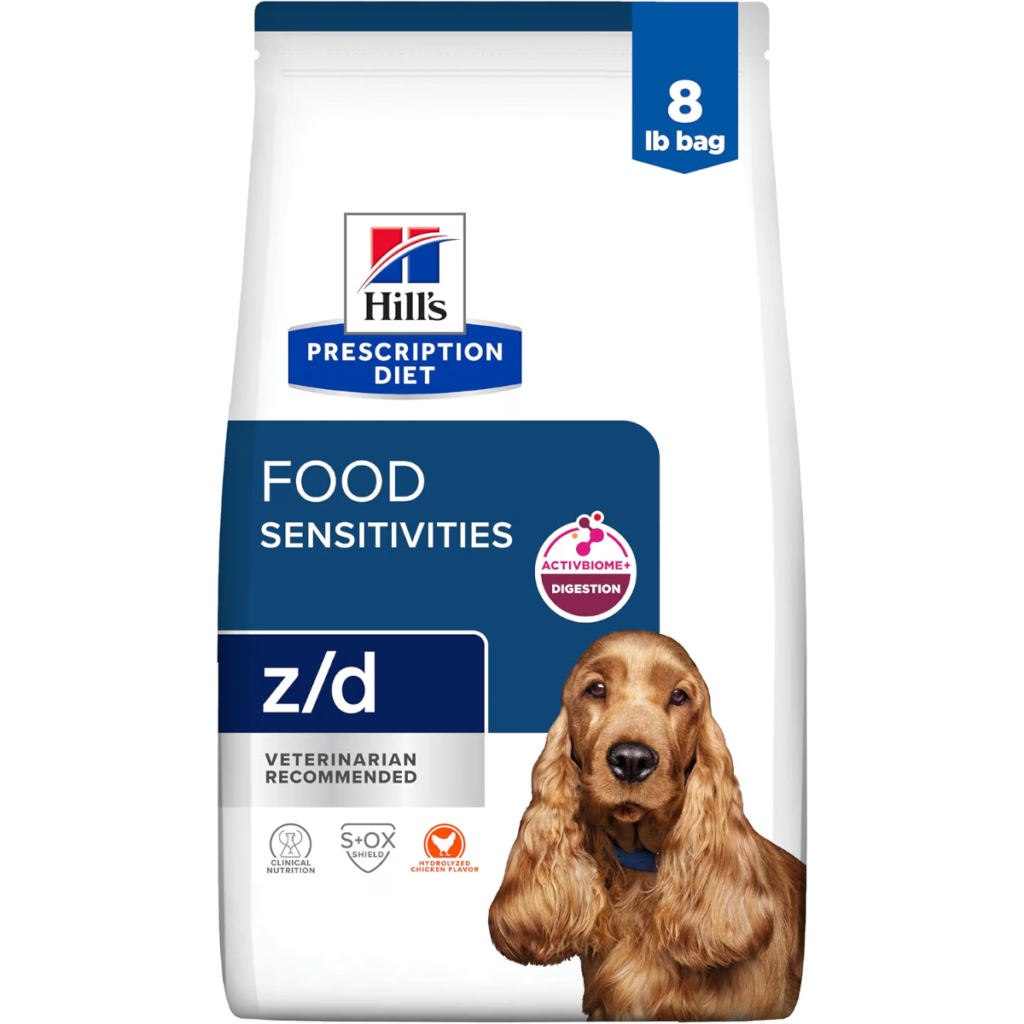
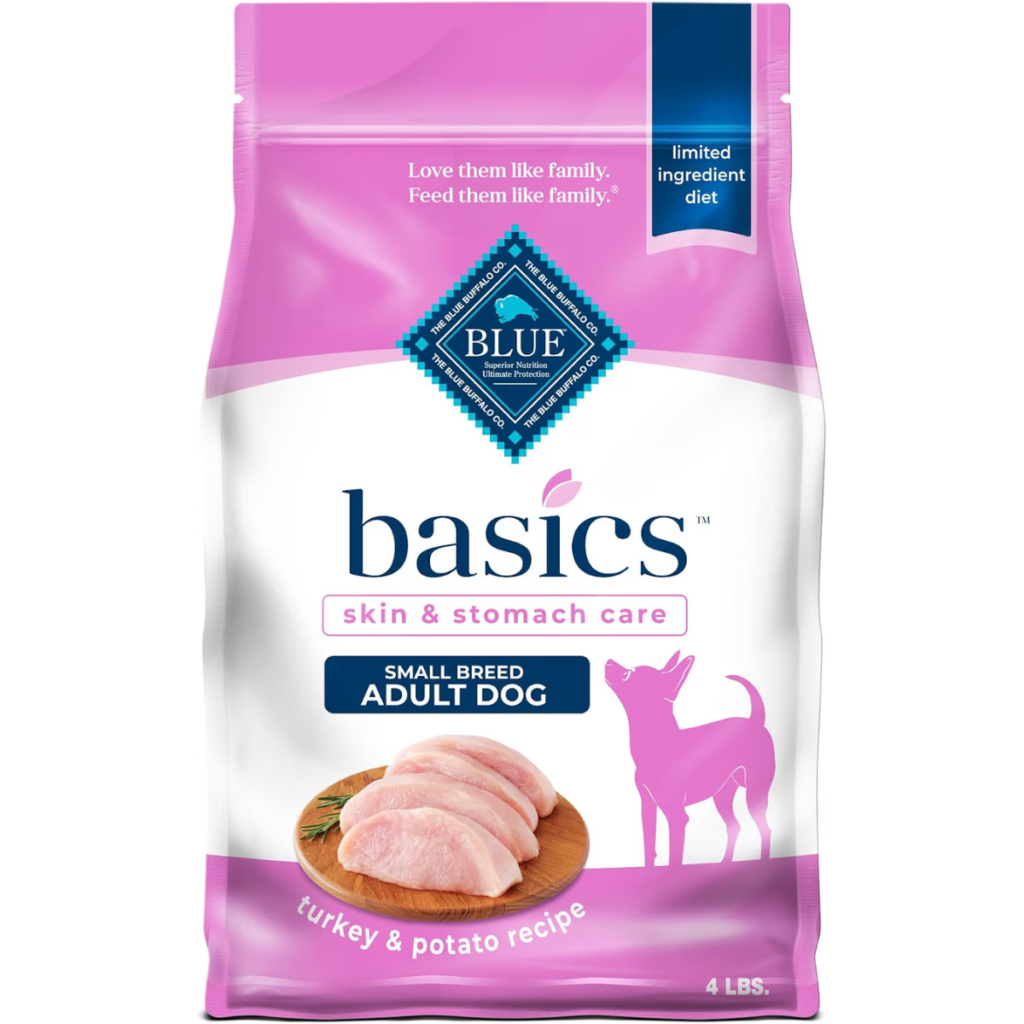
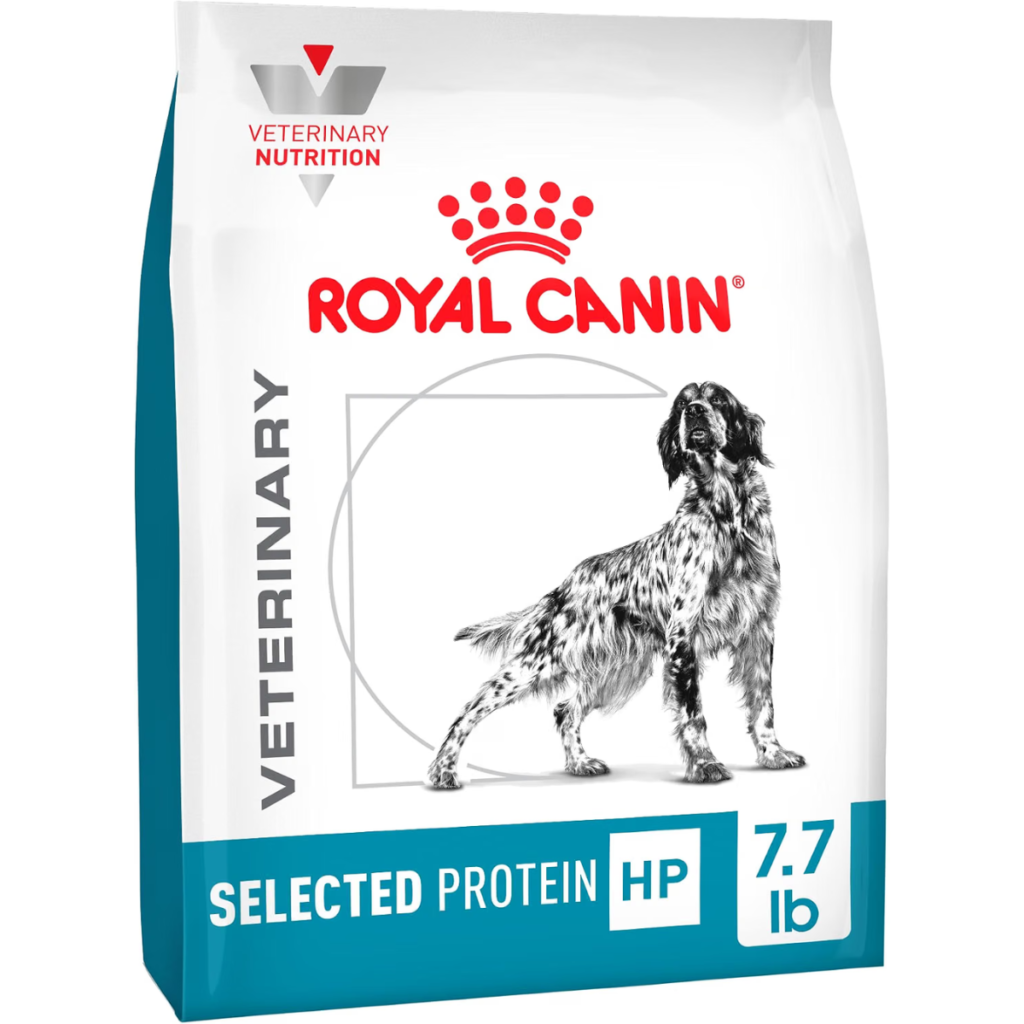
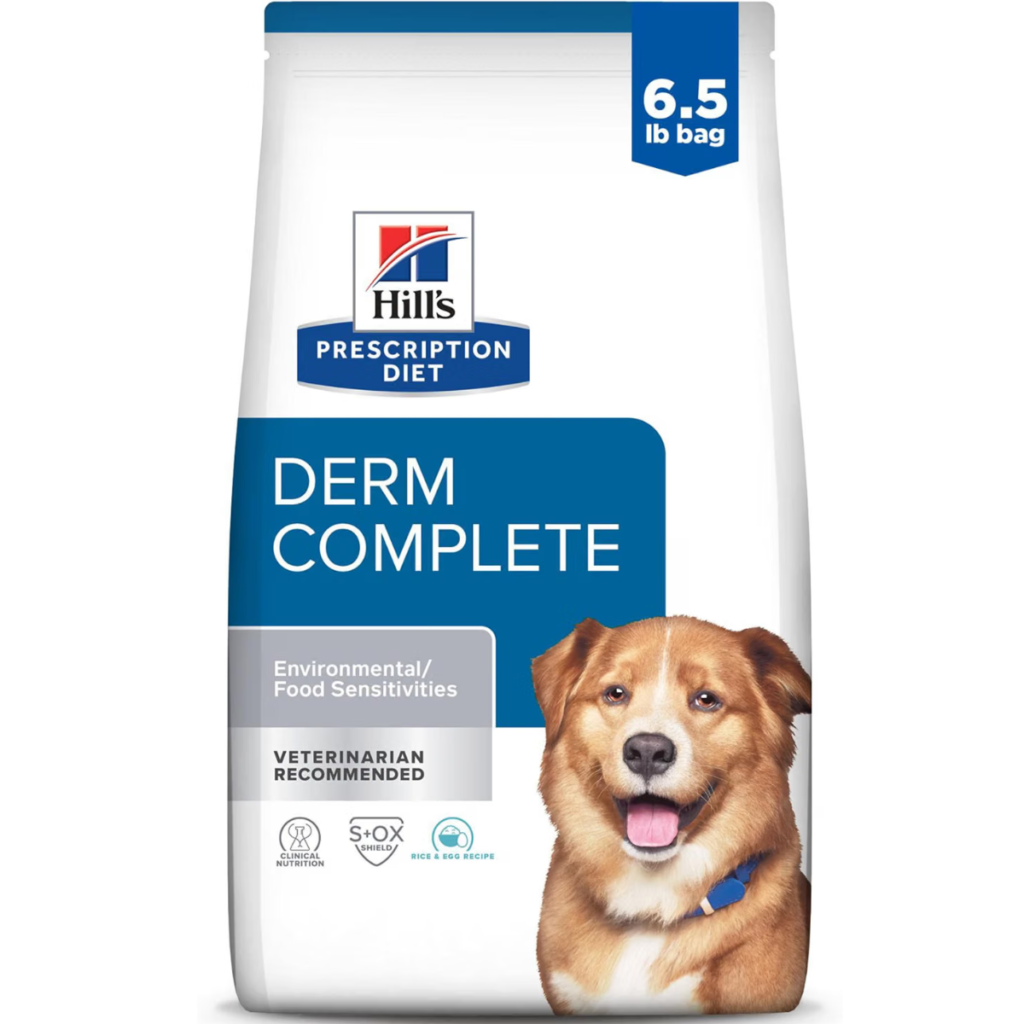
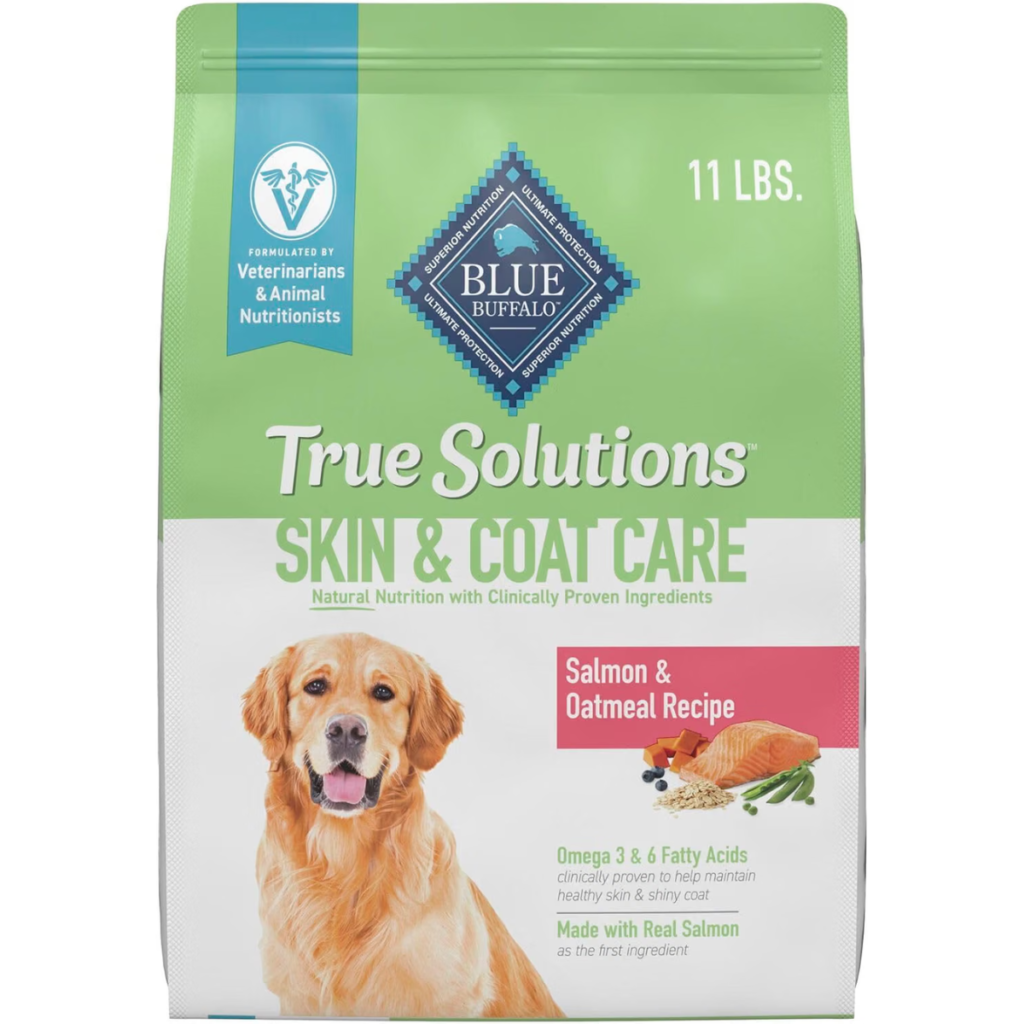
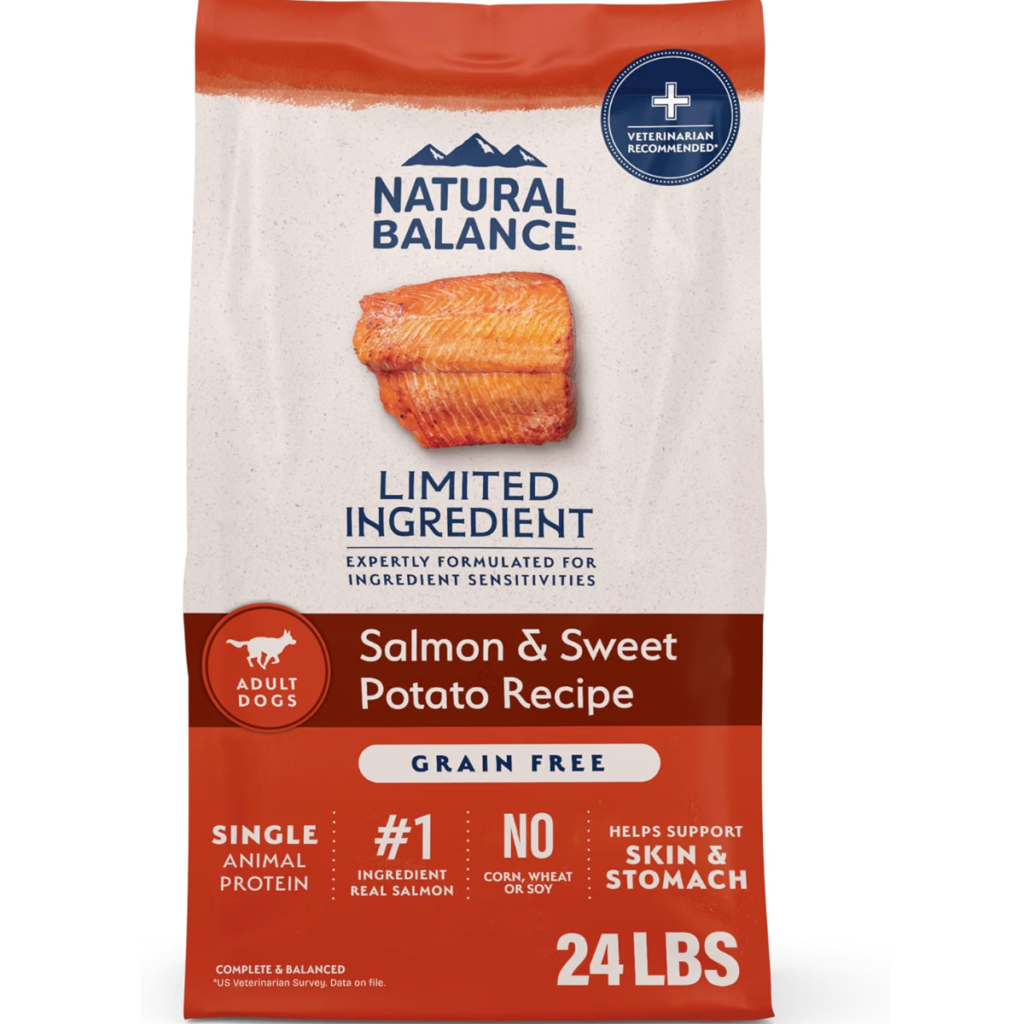
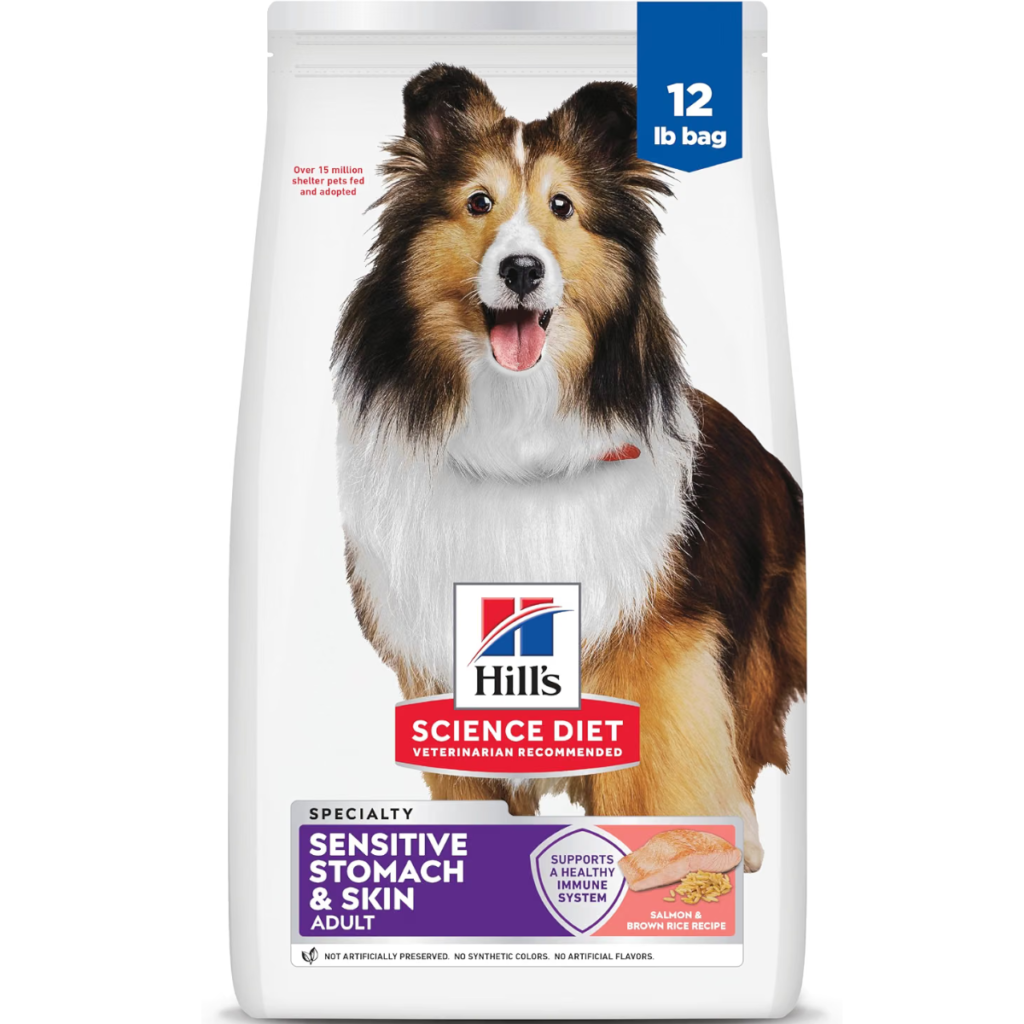
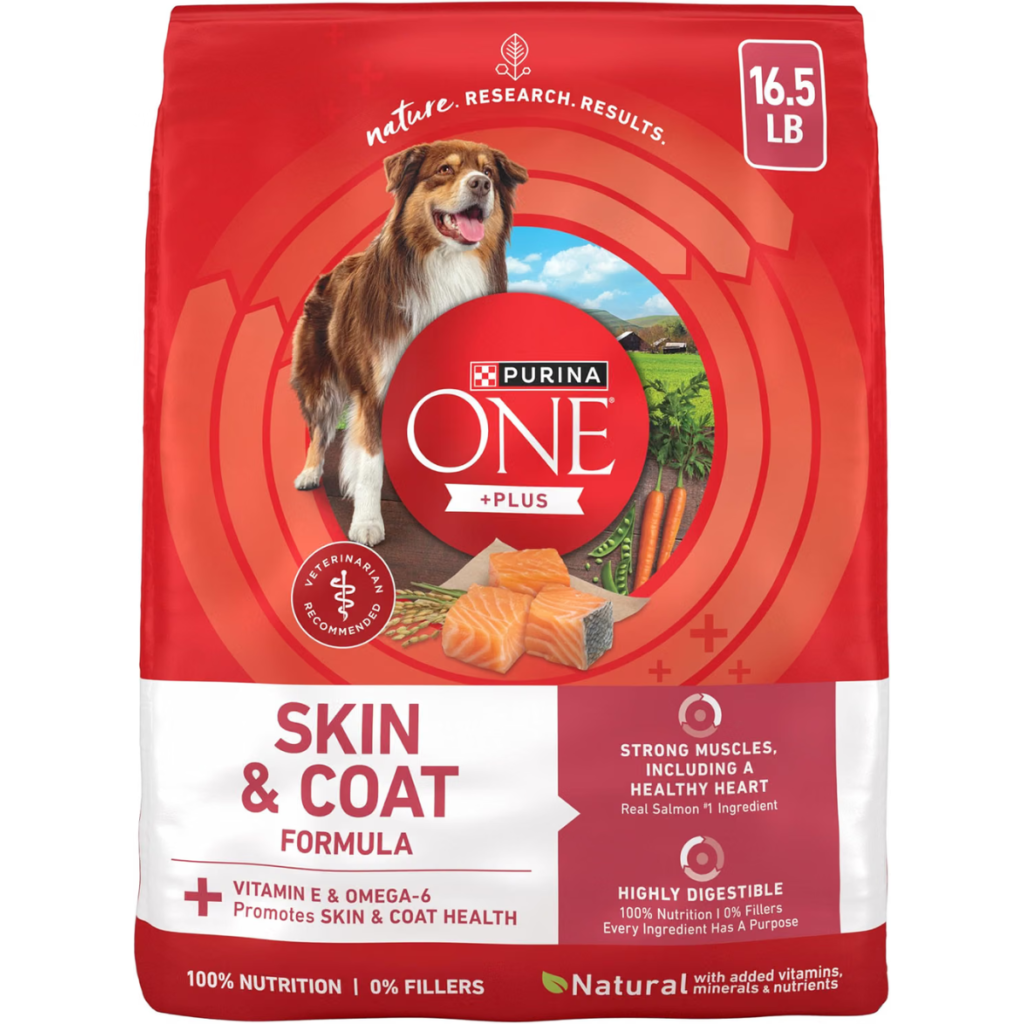
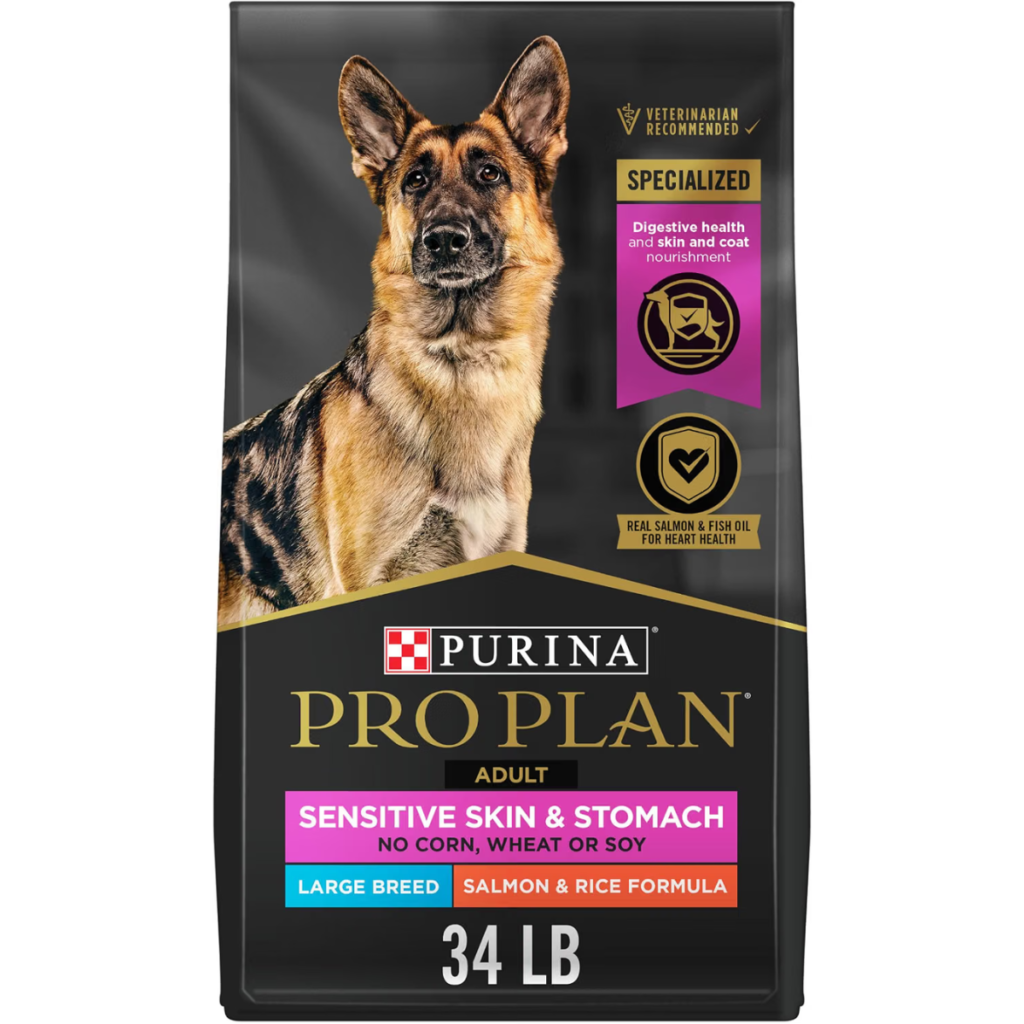
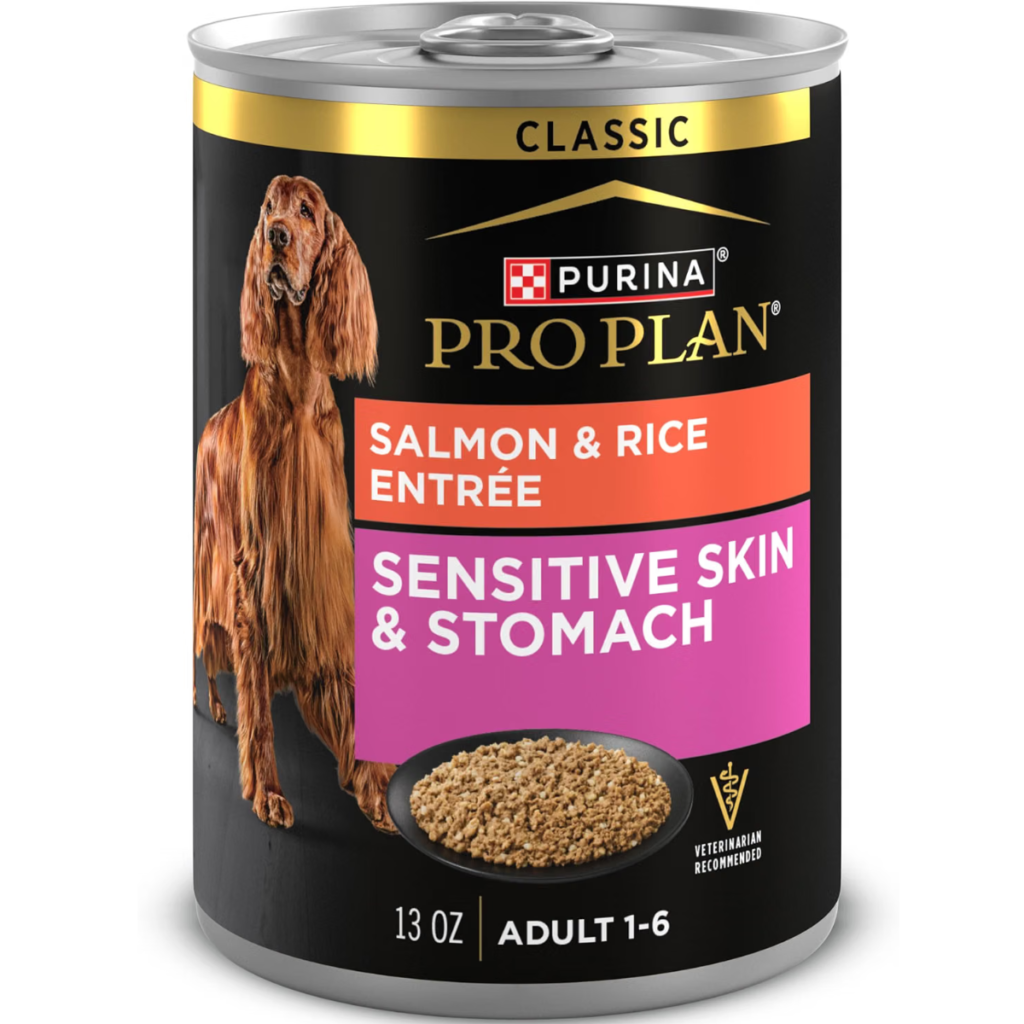
What Is Hypoallergenic Dog Food?
Hypoallergenic dog food is formulated to be less likely to trigger an adverse food reaction. It may contain a protein your dog has not eaten before, a hydrolyzed protein that has been broken into smaller components, or a limited number of carefully selected ingredients.
The term “hypoallergenic” does not mean completely allergy-proof. A dog can still react to an ingredient in a food marketed as hypoallergenic.
For dogs with suspected food allergies, veterinarians commonly use novel-protein or hydrolyzed diets as part of an elimination diet trial. The correct choice depends partly on your dog’s previous diet and medical history.
Why Do Dogs Need Hypoallergenic Dog Food?
Food allergies are less common than environmental allergies in dogs, but they can cause persistent skin or digestive problems.
Possible signs include:
- Persistent itching
- Red or irritated skin
- Paw licking or chewing
- Recurrent ear problems
- Hair loss or hot spots
- Vomiting
- Diarrhea
- Gas or digestive discomfort
These symptoms do not automatically mean your dog has a food allergy. Environmental allergies, fleas, infections, and other conditions can produce similar signs. A veterinarian can help determine the likely cause.
Does Hypoallergenic Mean Allergy-Proof?
No.
Hypoallergenic means less likely to cause an allergic reaction—not impossible to react to.
Every dog is different. A protein that works well for one sensitive dog may be a problem for another.
This is especially important when selecting a novel-protein food. A protein is only truly “novel” if your dog has not previously been exposed to it. Your dog’s food history should include regular food, treats, table scraps, flavored medications, supplements, and other edible products.
Common Types of Hypoallergenic Dog Food
There are several approaches used for dogs with suspected adverse food reactions.
1. Novel Protein Dog Food
Novel-protein diets use a protein source your dog has not previously eaten.
Examples can include:
- Venison
- Rabbit
- Duck
- Fish
- Certain less-common meat proteins
But “novel” depends on the individual dog. If your dog has already eaten duck regularly, duck is not novel for that dog.
A veterinarian may recommend a novel-protein diet based on your dog’s previous food history.
2. Hydrolyzed Protein Dog Food
Hydrolyzed diets break proteins into smaller peptide fragments.
The goal is to reduce the likelihood that the immune system will recognize the protein as an allergen. Hydrolyzed diets are commonly used by veterinarians when food allergy is suspected, although the degree of hydrolysis varies between products and some dogs can still react.
These diets are particularly useful when a dog’s previous diet makes selecting a genuinely novel protein difficult.
3. Limited Ingredient Dog Food
Limited ingredient diets contain a more restricted selection of ingredients than many conventional formulas.
The idea is straightforward: fewer ingredients can make it easier to identify potential dietary triggers.
However, limited ingredient does not automatically mean hypoallergenic. Always read the complete ingredient list and consider possible cross-contact or undeclared exposure when conducting a strict elimination trial.
Common Ingredients in Hypoallergenic Dog Food
The right ingredients depend on your dog’s specific needs, but hypoallergenic formulas may contain:
Novel Animal Proteins
Examples include:
- Rabbit
- Venison
- Duck
- Certain fish
- Other proteins your dog has not previously consumed
Hydrolyzed Protein
Hydrolyzed animal proteins are used in many therapeutic veterinary diets because the protein has been broken into smaller components.
Digestible Carbohydrates
Depending on the formula, carbohydrate sources may include:
- Rice
- Potato
- Tapioca
- Other carefully selected carbohydrate sources
There is no universal requirement that a hypoallergenic diet must be grain-free.
Omega-3 Fatty Acids
Ingredients such as fish oil can provide omega-3 fatty acids. These nutrients are important components of a balanced canine diet and may be useful as part of nutritional support for skin health.
Fiber and Prebiotics
Some formulas include fiber or prebiotic ingredients to support normal digestive function.
The important point is that these ingredients should be part of a complete and balanced diet appropriate for your dog’s life stage, rather than selected simply because they sound “healthy.” AAFCO recommends checking the nutritional adequacy statement on the label when selecting pet food.
Signs Your Dog May Have a Food Allergy
Food allergies can appear in several ways.
Persistent Itching
A dog with a food allergy may develop ongoing itching that affects areas such as the paws, ears, face, or body.
Paw Licking or Chewing
Repeated licking or chewing of the paws can occur with allergic skin disease, although it is not specific to food allergies.
Recurring Ear Problems
Dogs with allergic skin disease may experience recurring ear inflammation or infections.
Digestive Problems
Some dogs with adverse food reactions may experience:
- Vomiting
- Diarrhea
- Loose stools
- Excessive gas
- Other digestive changes
Skin Changes
Redness, recurrent hot spots, hair loss, or other skin problems may accompany allergic disease.
Food Allergy vs. Food Intolerance vs. Environmental Allergy
These terms are often confused.
Food allergy: An immune-mediated reaction to a food component.
Food intolerance: A non-immune adverse reaction to food.
Environmental allergy: A reaction to environmental triggers such as pollen, dust mites, or other allergens.
The symptoms can overlap, particularly itching and skin inflammation. That’s why changing food repeatedly without investigating the underlying cause may not solve the problem.
What Foods Are Dogs Most Often Allergic To?
Veterinary references commonly identify ingredients such as:
- Beef
- Chicken
- Eggs
- Milk
- Wheat
- Soy
- Corn
But this does not mean every dog should avoid these ingredients.
A dog can develop an adverse reaction to an ingredient that is perfectly safe for another dog. The best diet therefore depends on the individual dog’s dietary history rather than a universal “allergen-free” ingredient list.
Is Grain-Free Dog Food the Same as Hypoallergenic Dog Food?
No.
This is one of the biggest misconceptions about allergy-friendly dog food.
A grain-free food simply does not contain certain grains. It can still contain proteins such as chicken, beef, eggs, or other ingredients that an individual dog may react to.
Likewise, a food containing grains is not automatically unsuitable for a dog with allergies.
For suspected food allergy, the focus should be on identifying and avoiding the specific trigger—not simply removing grains.
Hypoallergenic Dry Dog Food vs. Wet Dog Food
Both dry and wet diets can be appropriate depending on the formula and your dog’s needs.
Hypoallergenic Dry Dog Food
Benefits may include:
- Easy storage
- Convenient portioning
- Longer shelf stability after opening
- Wide selection of specialized formulas
- Easy feeding for many households
Dry food is often practical for everyday feeding, but always check that the formula is nutritionally complete and appropriate for your dog’s life stage.
Hypoallergenic Wet Dog Food
Wet food can offer:
- Higher moisture content
- Soft texture
- Stronger aroma and palatability for some dogs
- An option for dogs that struggle with dry food
Wet food is not automatically more hypoallergenic than dry food. The ingredient profile and nutritional formulation matter more than the physical format.
How to Choose the Best Hypoallergenic Dog Food
Choosing the right food starts with your dog’s individual situation.
1. Consider Your Dog’s Food History
Write down the proteins, grains, treats, chews, supplements, and flavored medications your dog has eaten.
2. Check the Protein Source
Look for a protein strategy appropriate to your dog’s history.
3. Read the Complete Ingredient List
Don’t rely only on the words “hypoallergenic,” “natural,” “sensitive,” or “limited ingredient” on the front of the package.
AAFCO explains that ingredients are listed by weight, and the nutritional adequacy statement is an important part of evaluating whether a food is complete and balanced for a particular life stage.
4. Check the Life Stage
Puppies have different nutritional requirements from adult dogs.
Choose food labeled appropriately for your dog’s life stage, especially if you’re feeding a puppy, pregnant or nursing dog, or senior with specific nutritional needs.
5. Consider Veterinary Diets When Appropriate
If your dog has persistent allergy symptoms or a suspected food allergy, your veterinarian may recommend a therapeutic hydrolyzed or novel-protein diet.
6. Look for Complete and Balanced Nutrition
An allergy-friendly food still needs to provide appropriate nutrition.
How Long Does a Hypoallergenic Food Trial Take?
Don’t expect an allergy-related diet change to produce a reliable answer after just a few meals.
A veterinary elimination trial may last several weeks or longer. Merck Veterinary Manual notes that dietary elimination trials may need to continue for up to about 10 weeks to identify most food-allergic patients, while other veterinary guidance uses different timelines depending on the condition and symptoms.
During a proper elimination trial, consistency is extremely important.
That means avoiding:
- Regular treats
- Table scraps
- Other pet food
- Chews containing food ingredients
- Flavored medications unless approved by your veterinarian
- Unapproved supplements
Even a small dietary exposure can make the results harder to interpret.
How Is a Food Allergy Confirmed?
A food allergy is not reliably diagnosed simply by seeing that a dog improved after changing food.
A typical veterinary process involves:
- Feeding an appropriate elimination diet.
- Monitoring the dog’s symptoms.
- Looking for meaningful improvement.
- Reintroducing the previous food or suspected ingredient under veterinary guidance.
- Watching for the return of symptoms.
If symptoms return after the suspected ingredient is reintroduced, that provides stronger evidence that the ingredient was responsible.
Can Puppies Eat Hypoallergenic Dog Food?
Yes, but the food must be appropriate for growth.
Puppies have different nutrient requirements from adult dogs, so don’t assume an adult hypoallergenic formula is suitable for a growing puppy.
If a puppy has persistent itching, diarrhea, vomiting, poor growth, or other concerning symptoms, veterinary evaluation is especially important.
Check the nutritional adequacy statement to make sure the food is intended for the appropriate life stage.
Can Senior Dogs Eat Hypoallergenic Dog Food?
Senior dogs can eat an allergy-friendly diet when it meets their nutritional needs.
However, older dogs may have additional considerations such as kidney disease, weight management, dental problems, or other medical conditions.
If your senior dog needs a therapeutic diet, the choice should be based on both the suspected food reaction and the dog’s overall health.
Frequently Asked Questions
There is no single hypoallergenic food that is best for every dog. The right choice depends on your dog's symptoms, previous diet, age, nutritional requirements, and whether a veterinarian is conducting an elimination trial.
There is no universal “least allergenic” protein. A protein is considered novel mainly because the individual dog has not previously eaten it.
Chicken is not inherently hypoallergenic. Some dogs tolerate it without problems, while others may have an adverse reaction.
If your dog has already eaten chicken and a food allergy is suspected, your veterinarian may recommend another protein or a hydrolyzed diet.
Not necessarily.
Grain-free and hypoallergenic are different concepts. Removing grains does not remove every possible food allergen, and dogs can react to animal proteins or other ingredients.
Not automatically.
Both wet and dry diets can work. The most important factors are the ingredients, nutritional adequacy, your dog's individual needs, and whether the food fits the dietary plan recommended by your veterinarian.
Yes. Dogs can develop adverse food reactions even after eating the same type of food for a long time.
If new symptoms appear, don't assume the food is responsible without considering other possible causes.
Hypoallergenic dog food can be an important tool for dogs with suspected food allergies or dietary sensitivities, but choosing one should involve more than looking for the word “hypoallergenic” on a package.
Start by understanding your dog’s symptoms and food history. Look for a nutritionally complete diet appropriate for their life stage, and consider whether a novel-protein, limited-ingredient, or hydrolyzed-protein formula makes sense.