Welcome To World Food Live – Best Dog Food in 2026
Finding the best dog food in 2026 is more important than ever because your dog’s nutrition directly affects its overall health, energy level, immune system, digestion, skin condition, and lifespan. With hundreds of dog food brands available, choosing the right formula can feel overwhelming. The best dog food isn’t simply the most expensive product—it is the one that provides complete and balanced nutrition based on your dog’s age, breed, activity level, size, and individual health needs.
Veterinarians and canine nutrition experts generally recommend selecting dog foods that provide high-quality animal protein as the primary ingredient, balanced healthy fats, digestible carbohydrates, essential vitamins, minerals, antioxidants, probiotics, and omega-3 and omega-6 fatty acids. These nutrients help support healthy muscles, strong bones, improved digestion, shiny coats, healthy skin, cognitive function, and a strong immune system throughout every stage of your dog’s life.
Whether you’re searching for the best dry dog food, fresh dog food, natural dog food, grain-inclusive formulas, limited ingredient recipes, or premium dog food brands, it’s essential to compare ingredient quality, manufacturing standards, nutritional value, customer reviews, and veterinary recommendations before making your decision. Every dog has unique nutritional requirements, so the ideal formula for one breed may not be the best choice for another.
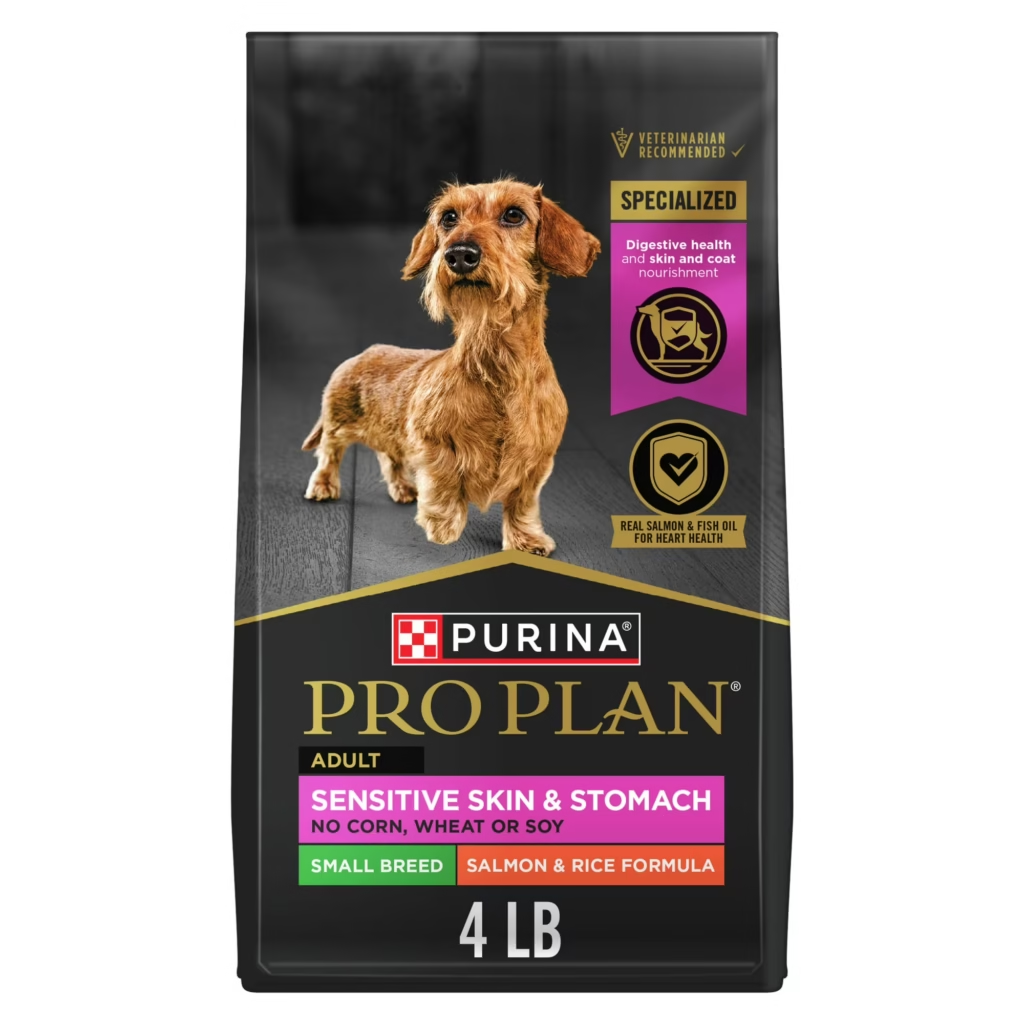
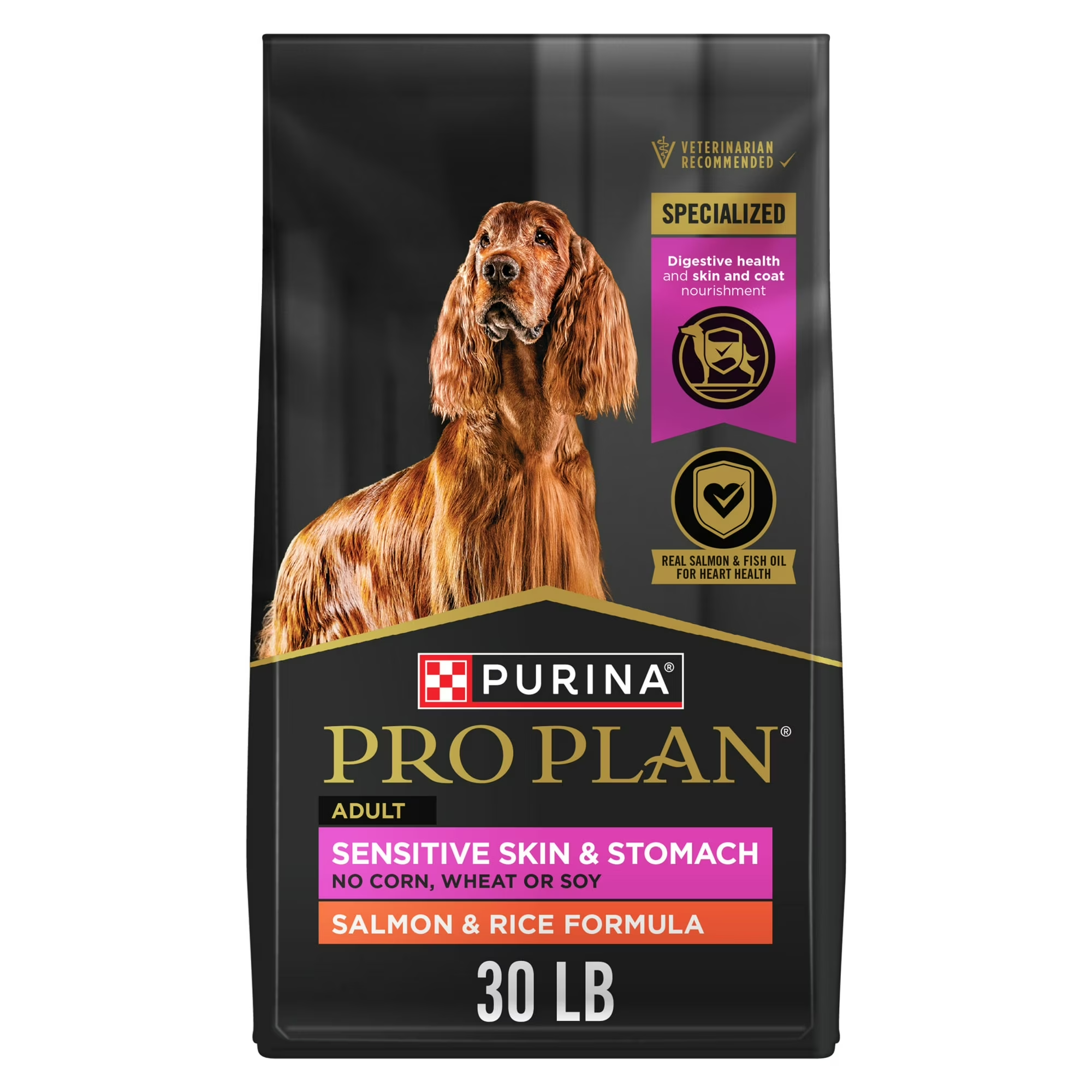
Purina Pro Plan Sensitive Skin and Stomach Dog Food Dry, Adult Salmon & Rice Formula, Digestive Health - 30 lb. Bag
Best Dry Dog Food for Everyday Nutrition
Dry dog food, commonly known as kibble, remains one of the most popular choices among pet owners because it combines convenience, balanced nutrition, affordability, and a long shelf life. The best dry dog food is carefully formulated to provide complete daily nutrition while supporting healthy digestion, lean muscle development, strong bones, dental health, and consistent energy levels. High-quality kibble contains real meat or fish as the primary ingredient, healthy fats, whole grains or other digestible carbohydrate sources, fiber, vitamins, minerals, antioxidants, and beneficial nutrients that help dogs thrive throughout every stage of life.
When comparing the best dry dog food brands, look beyond marketing claims and focus on ingredient quality. Premium formulas often include chicken, turkey, salmon, lamb, or beef as the first ingredient, while avoiding excessive fillers, artificial colors, artificial preservatives, and unnecessary by-products. Many leading recipes also contain probiotics for digestive support, glucosamine and chondroitin for joint health, omega fatty acids for healthy skin and a shiny coat, and antioxidants that help strengthen the immune system.
Dry dog food is suitable for most healthy adult dogs and is available in specialized recipes for puppies, senior dogs, small breeds, large breeds, sensitive stomachs, weight management, and high-energy working dogs. Choosing a nutritionally complete, life-stage-appropriate kibble and transitioning gradually between foods can help maintain digestive comfort while providing long-term health benefits.
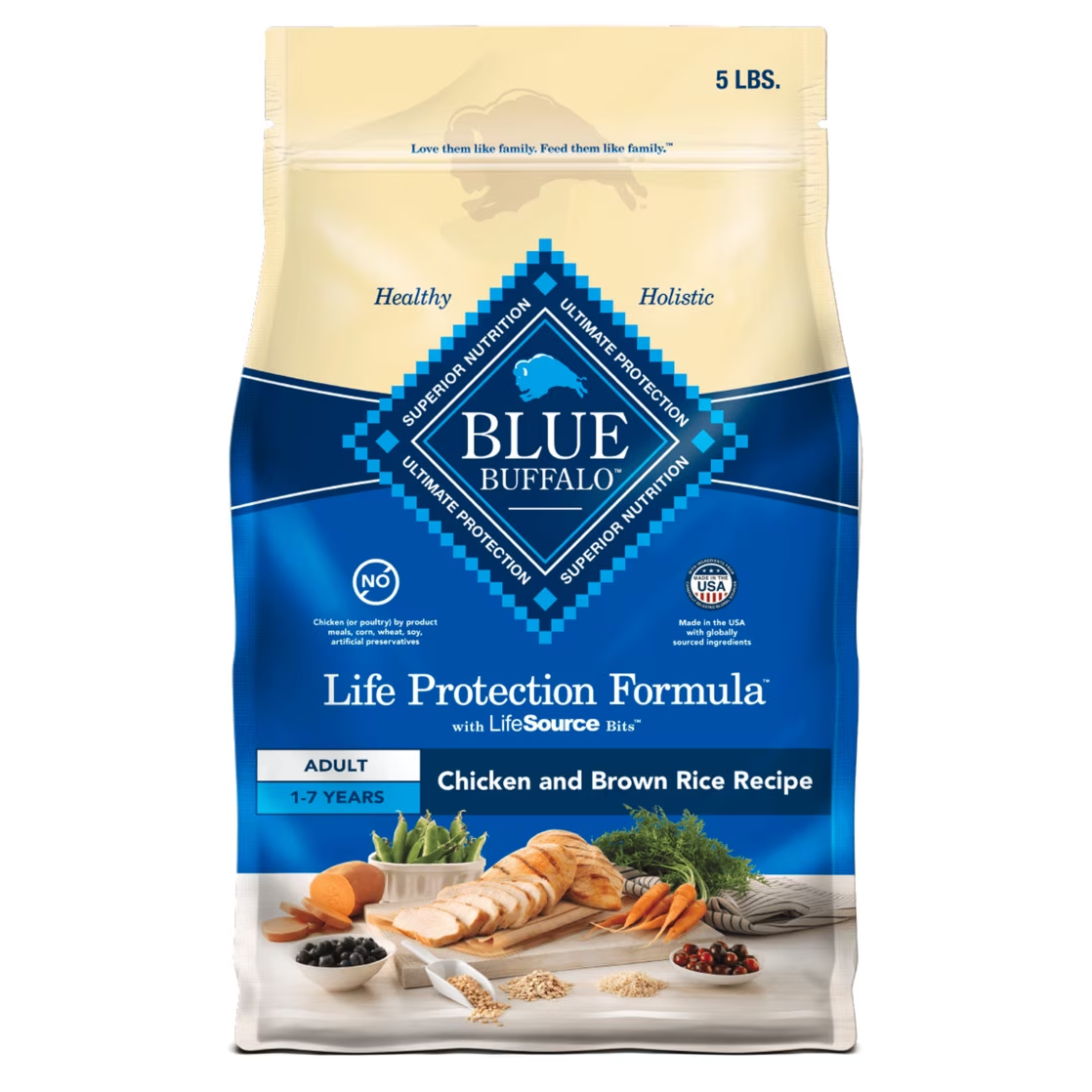
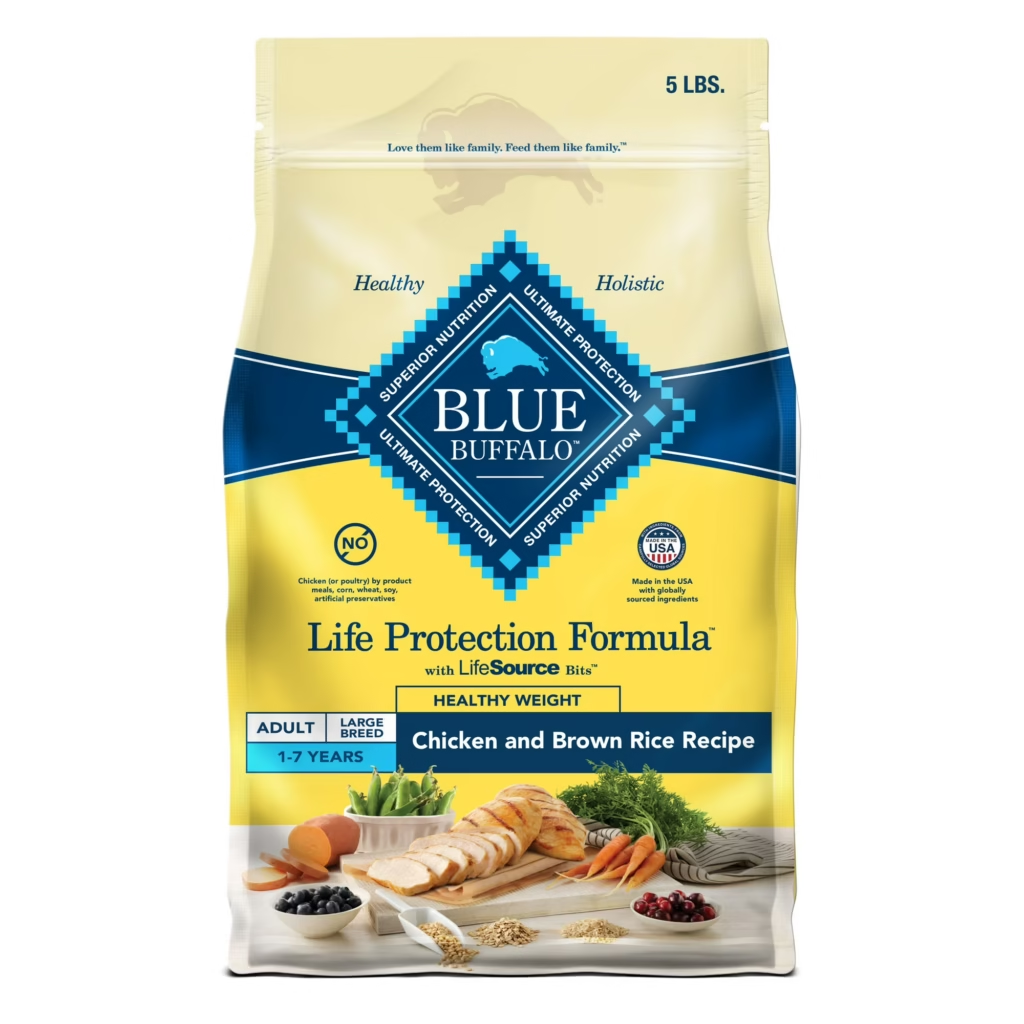
Blue Buffalo Life Protection Formula Chicken & Brown Rice Adult Dry Dog Food
Best Fresh Dog Food Made with Real Ingredients
Fresh dog food has become one of the fastest-growing categories in pet nutrition because many pet owners want meals made with recognizable, minimally processed ingredients. Unlike traditional kibble, fresh dog food recipes are typically prepared using real meat, fresh vegetables, fruits, and carefully balanced nutrients to provide complete daily nutrition while maintaining excellent taste and digestibility. Many fresh food companies also create customized meal plans based on your dog’s breed, age, weight, activity level, and health goals.
One of the biggest advantages of fresh dog food is its focus on ingredient quality. Premium recipes commonly feature real chicken, turkey, beef, pork, or fish combined with vegetables such as carrots, spinach, peas, pumpkin, and sweet potatoes. These ingredients naturally provide protein, fiber, vitamins, minerals, and antioxidants that support healthy digestion, immune function, muscle maintenance, skin health, and overall wellness. Because fresh recipes often contain higher moisture levels than dry kibble, they may also help improve hydration and increase meal enjoyment for many dogs.
Although fresh dog food can be more expensive than traditional dry food, many owners choose it because of its ingredient transparency, customized nutrition, and excellent palatability. Before switching your dog’s diet, consult your veterinarian and transition gradually to help your dog’s digestive system adapt comfortably. Selecting a fresh food that provides complete and balanced nutrition is the best way to support your dog’s long-term health and wellbeing.
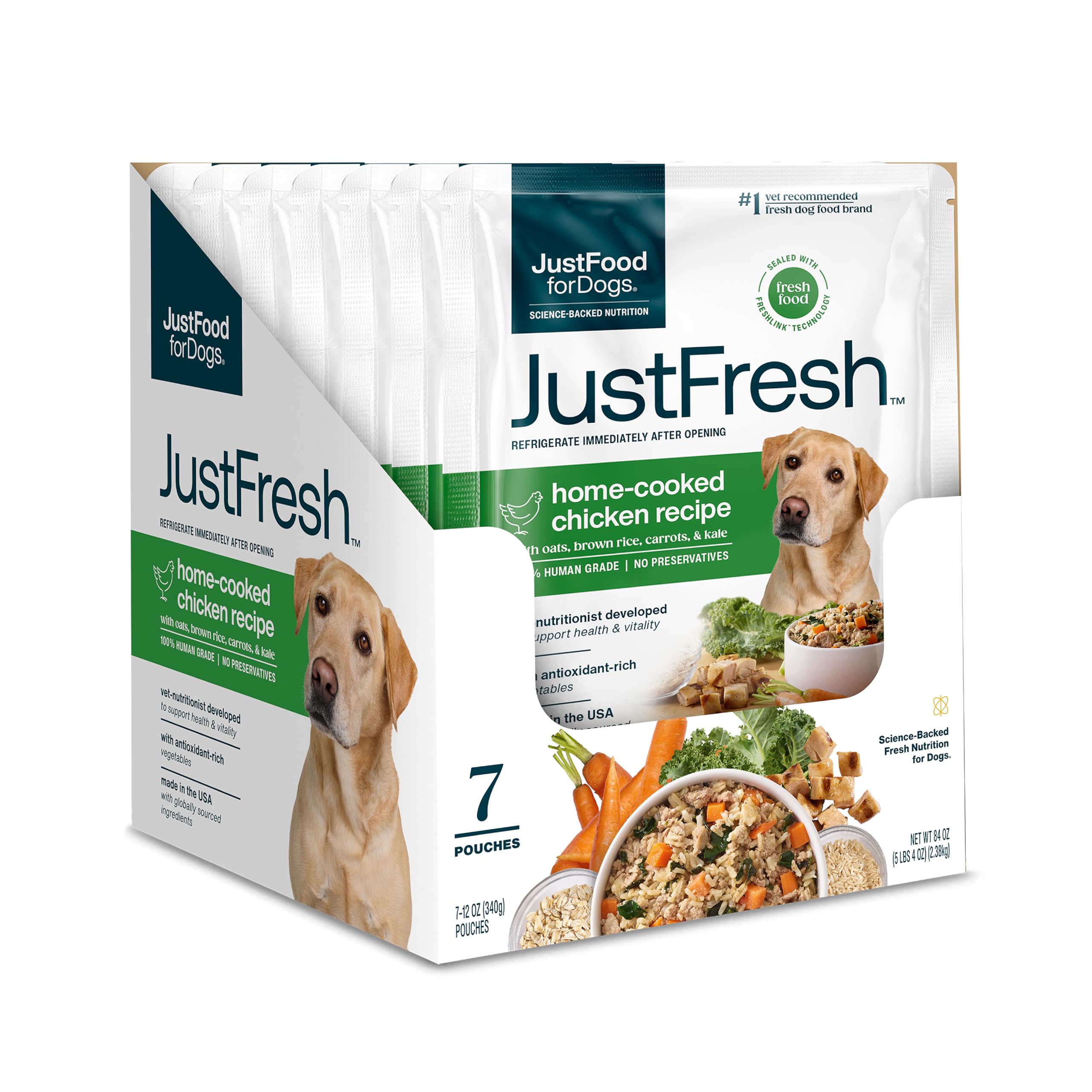
JustFoodForDogs JustFresh Wet Dog Food, Fresh Pet Meals and Toppers with No Preservatives
Best Natural Dog Food for Healthy Digestion and Overall Wellness
Natural dog food has become one of the most popular choices among pet owners who want to provide wholesome, nutrient-rich meals made with high-quality ingredients. The best natural dog food is formulated with real animal protein, healthy fats, natural fiber, fruits, vegetables, vitamins, and minerals while avoiding unnecessary artificial colors, artificial flavors, and synthetic preservatives. Although the term “natural” can vary by manufacturer, choosing a product that meets nutritional standards and provides complete and balanced nutrition is far more important than relying on marketing claims alone.
A healthy digestive system plays a critical role in your dog’s overall wellness. Dogs with good digestive health are more likely to absorb nutrients efficiently, maintain healthy body weight, develop stronger immune systems, and enjoy better skin and coat condition. Premium natural dog foods often include easily digestible protein sources such as chicken, turkey, salmon, lamb, or beef, along with ingredients like pumpkin, brown rice, oats, sweet potatoes, peas, and natural fibers that help support regular digestion. Many recipes also include prebiotics and probiotics that promote a balanced gut microbiome, which may help improve stool quality and digestive comfort in many dogs.
Natural dog food can also benefit dogs with food sensitivities when carefully selected with guidance from a veterinarian. Limited-ingredient recipes may reduce exposure to unnecessary ingredients while still providing complete nutrition. When switching to a new food, introduce it gradually over 7–10 days to minimize digestive upset. By selecting a nutritionally complete natural dog food that matches your dog’s age, breed, activity level, and health needs, you can help support long-term digestive health, energy, immune function, and overall well-being.
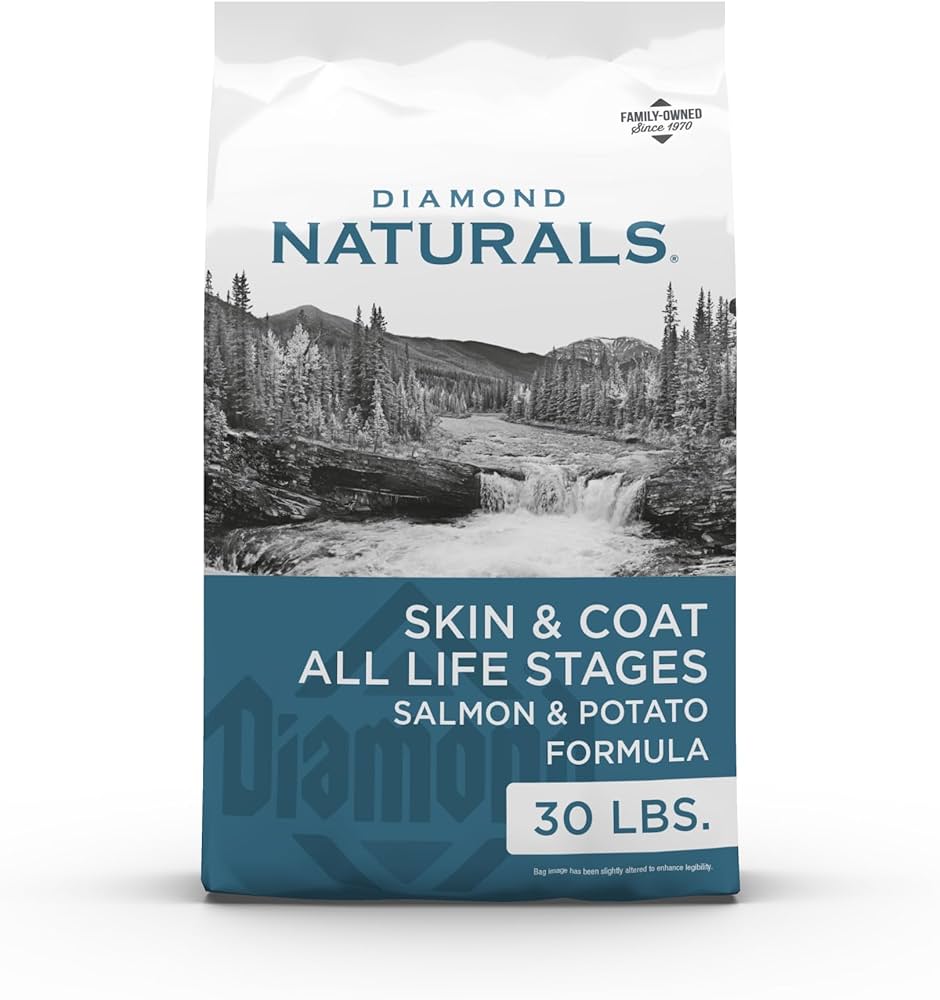
Diamond Naturals Skin & Coat Real Salmon and Potato Recipe Dry Dog Food with Quality Protein
Best High-Protein Dog Food for Active and Working Dogs
Active, athletic, and working dogs require more energy and muscle support than less active pets, making protein one of the most important nutrients in their daily diet. High-quality protein provides essential amino acids that help build and maintain lean muscle, support tissue repair, strengthen the immune system, and contribute to healthy skin and coat condition. Dogs involved in hunting, agility, herding, search and rescue, sporting events, or other physically demanding activities often benefit from diets specifically formulated to meet their increased nutritional requirements.
The best high-protein dog food typically lists real animal protein—such as chicken, turkey, beef, lamb, salmon, or other fish—as the first ingredient. Balanced formulas also include healthy fats to provide concentrated energy, digestible carbohydrates for sustained activity, omega-3 and omega-6 fatty acids for joint and skin health, antioxidants for immune support, and vitamins and minerals that contribute to overall wellness. Rather than focusing only on the protein percentage, pet owners should evaluate the complete nutritional profile, ingredient quality, calorie density, and whether the food is appropriate for their dog’s life stage and activity level.
Not every dog needs a high-protein diet. Senior dogs, overweight dogs, or pets with certain medical conditions may have different nutritional requirements. Before changing your dog’s diet, consult your veterinarian to determine whether a higher-protein formula is appropriate. Choosing a complete and balanced food tailored to your dog’s lifestyle helps maintain healthy body condition, endurance, recovery, and long-term health.
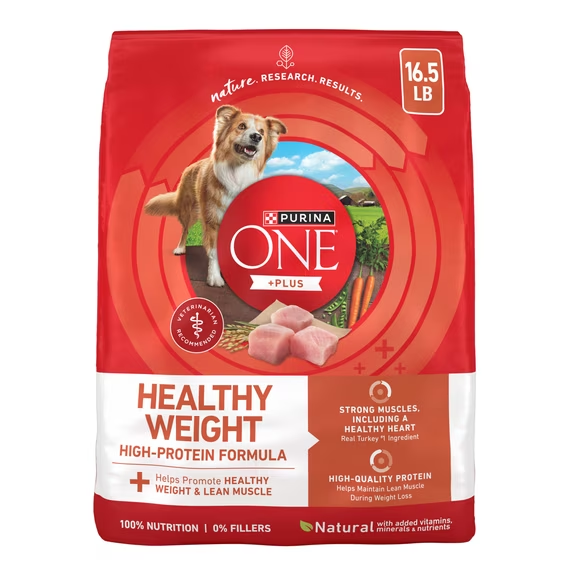
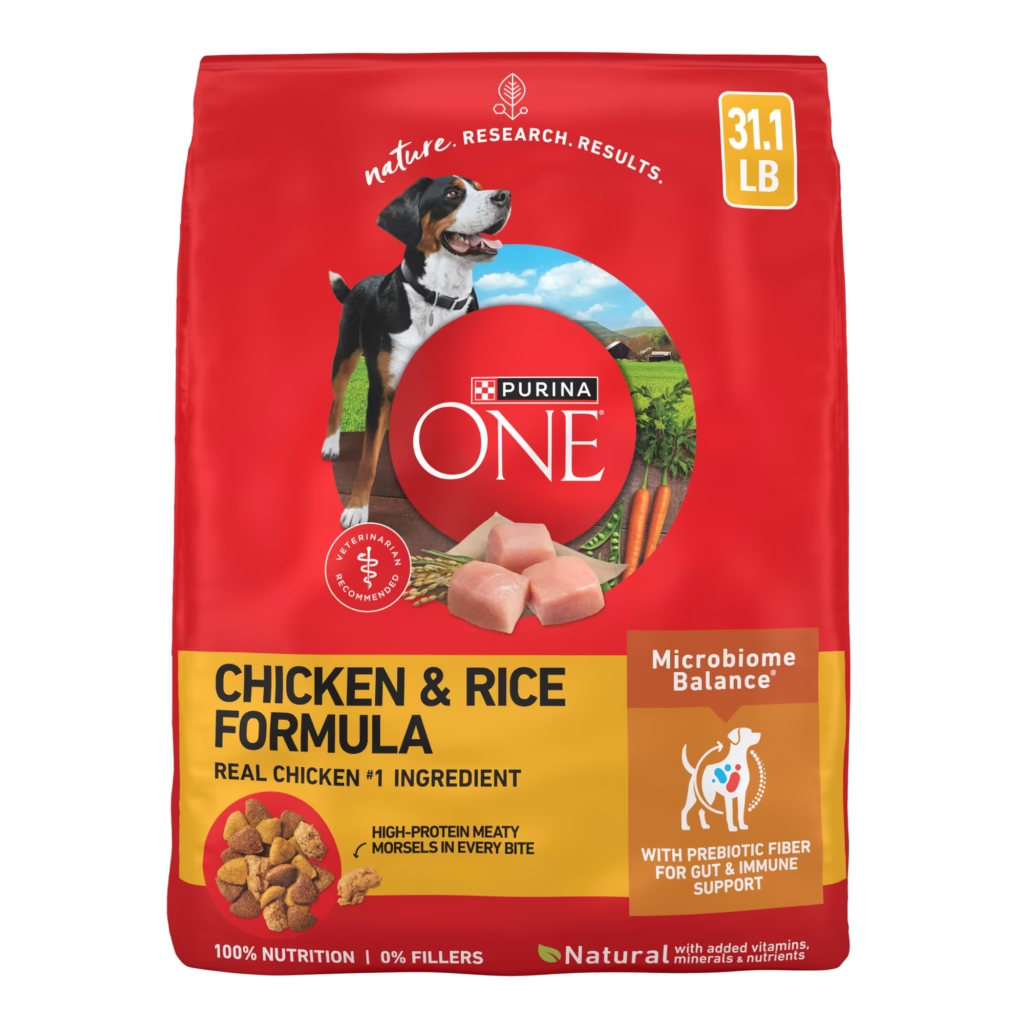
Purina ONE Plus Healthy Weight High-Protein Dog Food Dry Formula - 16.5 lb. Bag
Best Senior Dog Food Recommended for Aging Dogs
As dogs grow older, their nutritional needs change significantly. Senior dogs may experience reduced activity levels, slower metabolism, changes in body composition, dental concerns, joint stiffness, and age-related health conditions. Feeding a high-quality senior dog food formulated specifically for older dogs can help support healthy aging while maintaining muscle mass, mobility, digestive health, and overall quality of life.
The best senior dog food generally contains high-quality, highly digestible protein to help preserve lean muscle, moderate calorie levels to support healthy weight management, and appropriate amounts of vitamins and minerals for long-term wellness. Many senior formulas also include glucosamine and chondroitin to help maintain joint health, omega-3 fatty acids to support cognitive function and reduce inflammation, antioxidants that contribute to immune health, and added fiber to promote healthy digestion. Some recipes are designed with smaller kibble sizes or softer textures, making them easier for older dogs with dental issues to chew comfortably.
Because every senior dog ages differently, selecting the right food depends on factors such as breed, size, activity level, body condition, and any existing medical conditions. Regular veterinary checkups are essential for monitoring your dog’s nutritional needs as they change over time. Combined with routine exercise, weight management, fresh water, and preventive healthcare, a complete and balanced senior dog food can help your aging companion remain active, comfortable, and healthy throughout their later years.
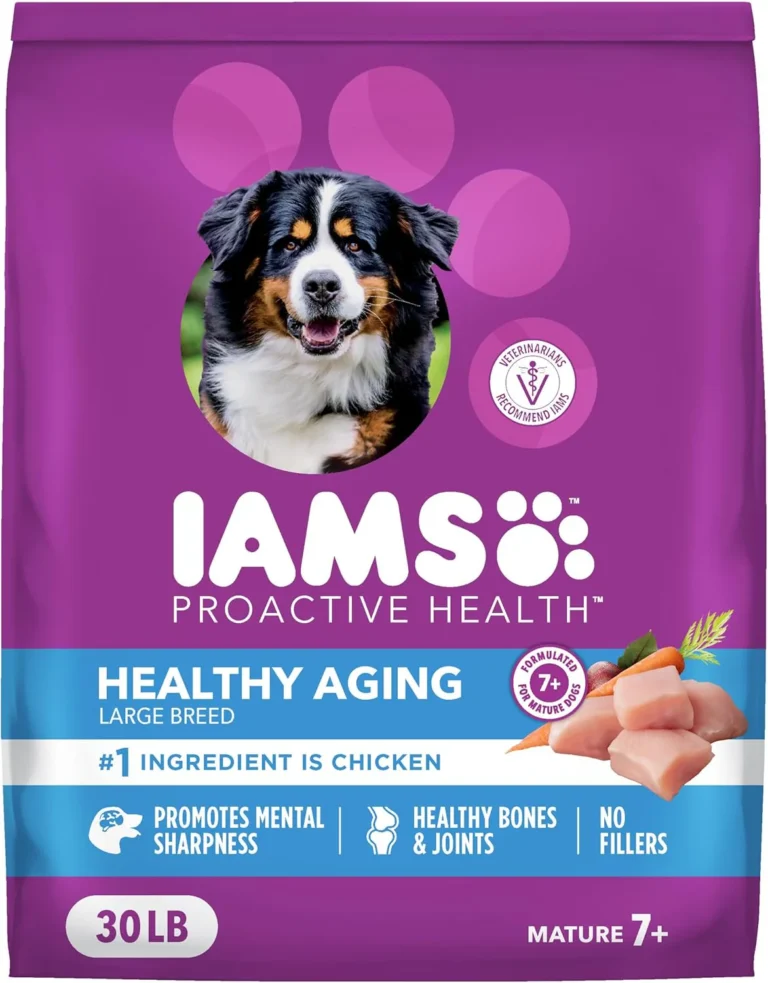
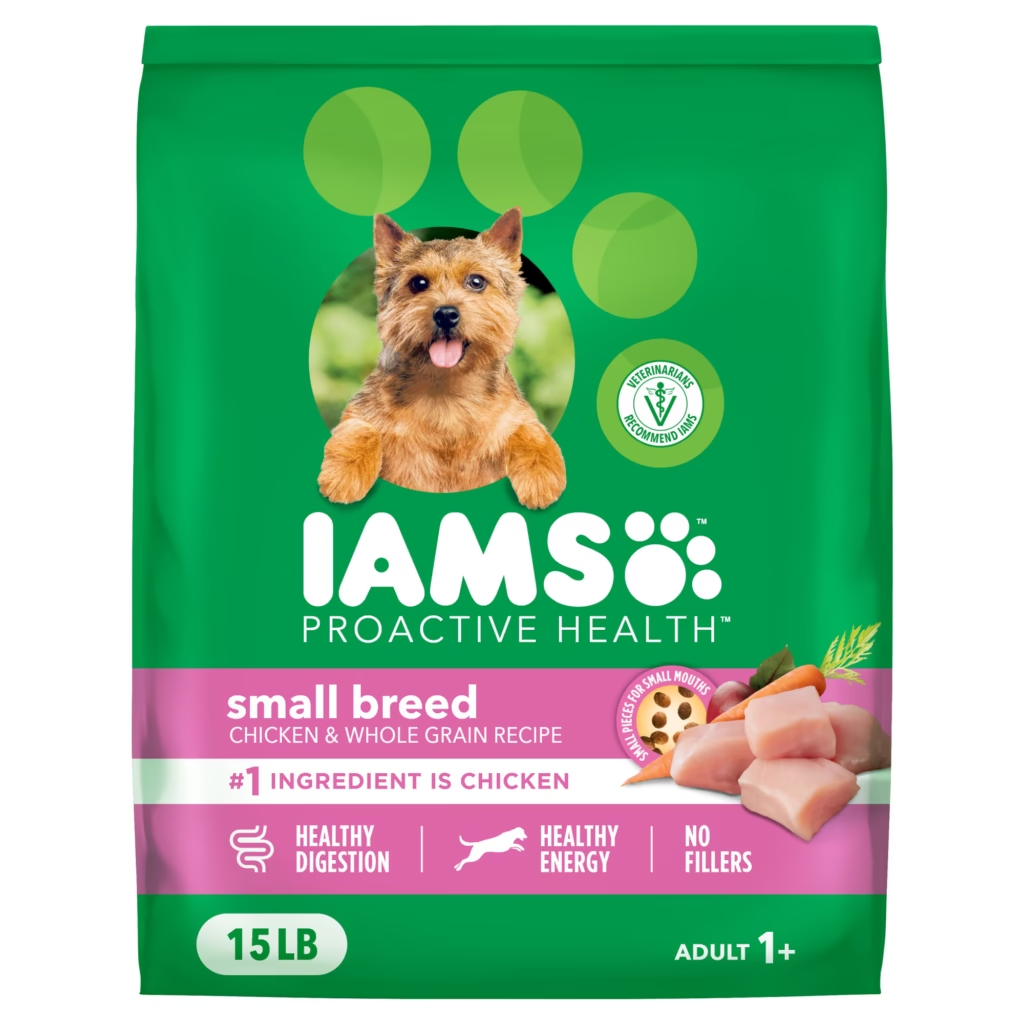
IAMS Proactive Health Dry Dog Food, Large Breed Mature Premium Adult Dog Food for Large Breeds, with Chicken
Best Dry Food for Senior Dogs with Joint and Weight Support
As dogs enter their senior years, maintaining a healthy weight and supporting joint mobility become two of the most important aspects of their overall health. Older dogs are generally less active than they were during adulthood, which means they burn fewer calories and are more likely to gain excess weight if their diet is not adjusted accordingly. At the same time, many senior dogs experience age-related joint stiffness, arthritis, reduced muscle mass, and decreased mobility. Choosing the best dry food for senior dogs can help address these concerns by providing balanced nutrition specifically formulated for aging pets.
Premium senior dry dog foods typically contain high-quality animal protein to help preserve lean muscle while providing moderate calorie levels to reduce the risk of obesity. Many formulas also include glucosamine and chondroitin to support cartilage health, along with omega-3 fatty acids from fish oil that help maintain joint comfort and overall mobility. Digestible carbohydrates, natural fiber, probiotics, vitamins, antioxidants, and carefully balanced minerals work together to promote digestive health, immune function, and healthy aging.
When comparing senior dog food brands, look for products that meet complete and balanced nutritional standards and are appropriate for your dog’s size, breed, activity level, and any existing medical conditions. Regular exercise, portion control, routine veterinary care, and a nutritionally balanced senior diet work together to help older dogs maintain a healthy body condition, stronger joints, and a better quality of life.
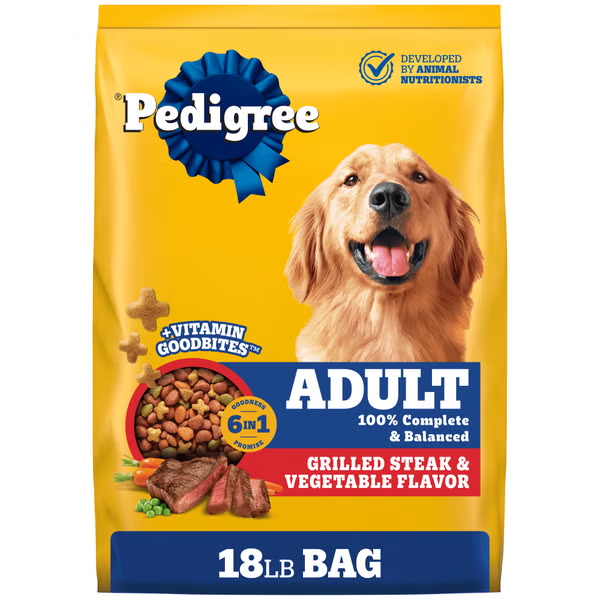
Pedigree High Protein Adult Dry Dog Food Grilled Steak & Vegetable Flavor, 18 lb. Bag
Best Senior Dog Food for Small Breeds
Small-breed dogs often enjoy longer lifespans than larger breeds, but they also have unique nutritional needs as they age. Because of their faster metabolism, smaller mouths, and different body composition, senior small-breed dogs benefit from diets specifically designed to provide balanced nutrition while supporting healthy aging. The best senior dog food for small breeds should deliver highly digestible protein, appropriate calorie levels, healthy fats, essential vitamins, minerals, and antioxidants in bite-sized kibble that is easier to chew.
Many premium formulas include glucosamine, chondroitin, omega-3 fatty acids, and antioxidants to support healthy joints, cognitive function, immune health, and mobility. Smaller kibble sizes also help improve chewing comfort for dogs experiencing dental changes that commonly occur with age. Easily digestible ingredients such as chicken, turkey, salmon, brown rice, oats, pumpkin, and sweet potatoes provide valuable nutrients while helping maintain digestive health.
When selecting food for a senior small-breed dog, consider factors such as body weight, activity level, dental health, food sensitivities, and any veterinarian-diagnosed medical conditions. Feeding measured portions and scheduling regular veterinary wellness examinations can help ensure your senior companion receives the appropriate nutrition needed to remain active, healthy, and comfortable throughout their later years.
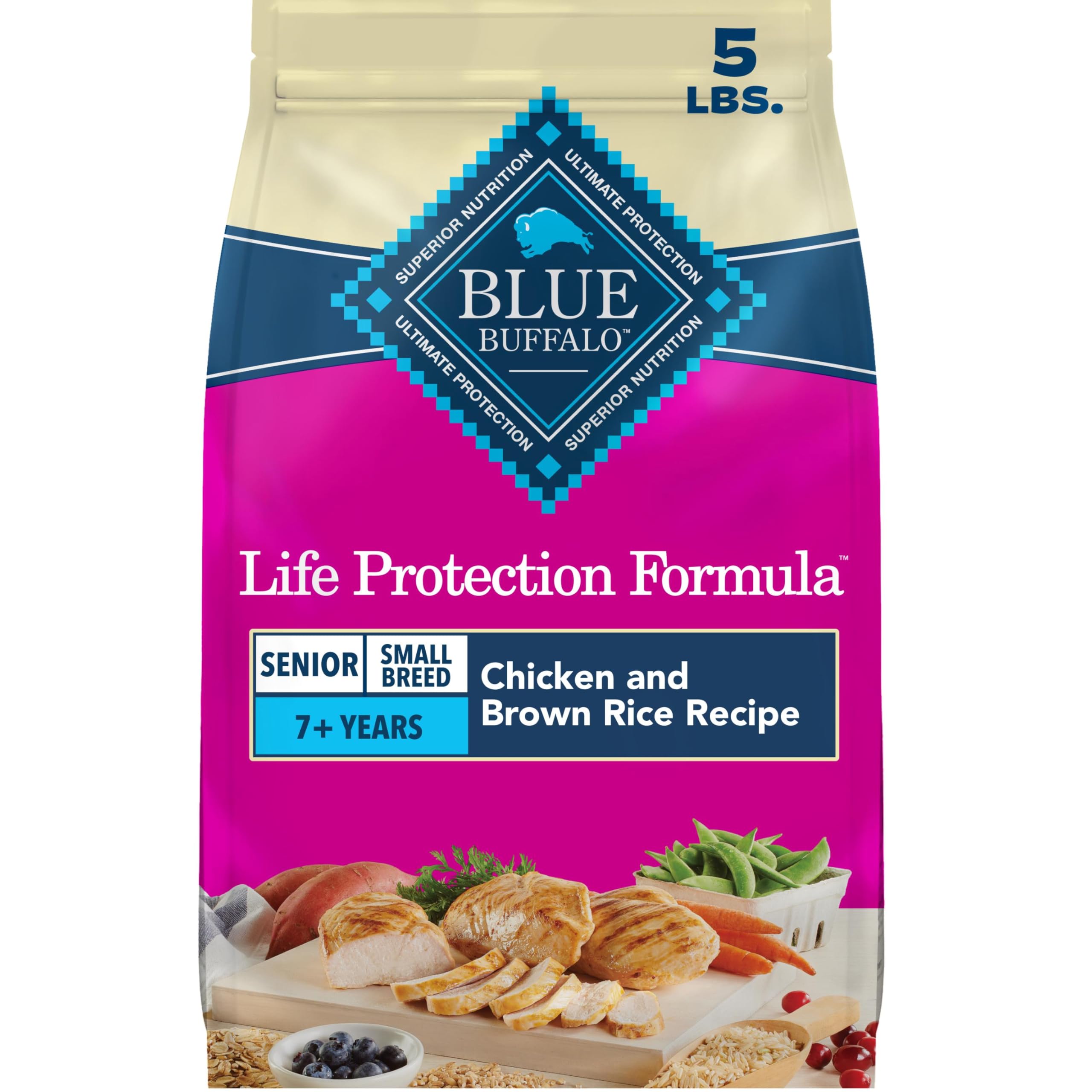
Blue Buffalo Life Protection Formula Chicken & Brown Rice Small Breed Senior Dry Dog Food, Promotes Healthy Muscles, Skin & Coat Health
Best Senior Dog Food for Sensitive Stomachs
Digestive sensitivity becomes increasingly common as dogs grow older. Some senior dogs may experience occasional digestive upset, changes in appetite, food intolerances, or difficulty digesting certain ingredients. Choosing a dog food formulated for sensitive stomachs can help support digestive comfort while still providing complete and balanced nutrition tailored to older pets.
The best senior dog food for sensitive stomachs generally features highly digestible protein sources such as chicken, turkey, lamb, or salmon combined with gentle carbohydrate sources like rice, oats, or sweet potatoes. Many recipes also include prebiotics and probiotics that help maintain a balanced gut microbiome, along with natural fiber to support healthy digestion and consistent stool quality. Omega-3 fatty acids, antioxidants, vitamins, and minerals contribute to immune function, skin health, and overall wellness while helping senior dogs maintain good nutritional status.
If your senior dog experiences persistent vomiting, diarrhea, weight loss, or other ongoing digestive problems, consult your veterinarian before changing diets. Introducing a new food gradually over several days allows the digestive system to adjust more comfortably. Selecting a complete, balanced formula designed for senior dogs with digestive sensitivities can help improve daily comfort while supporting long-term health and quality of life.
Purina Pro Plan Sensitive Skin and Stomach Dog Food Dry, Adult Salmon & Rice Formula, Digestive Health - 30 lb. Bag
How to Choose the Best Dog Food for Your Dog's Age and Breed
Choosing the best dog food starts with understanding that no single formula is ideal for every dog. Nutritional needs vary based on age, breed, body size, activity level, reproductive status, and individual health conditions. Puppies require nutrient-dense diets that support rapid growth and development, while healthy adult dogs benefit from complete and balanced maintenance formulas that provide consistent energy and muscle support. Senior dogs often need diets with appropriate calorie levels, highly digestible protein, joint-supporting nutrients, and ingredients that promote healthy aging.
Breed size is another important factor. Small-breed dogs generally have faster metabolisms and may benefit from smaller kibble sizes and calorie-dense formulas. Large- and giant-breed dogs have different growth patterns and may require carefully balanced calcium and phosphorus levels, along with nutrients that support healthy joints. Highly active or working dogs often need greater energy density than less active companion dogs.
When evaluating a dog food, review the ingredient list, guaranteed analysis, feeding guidelines, and life-stage suitability. Look for high-quality animal protein, appropriate fat levels, essential vitamins and minerals, and ingredients that support digestive health. If your dog has food allergies, chronic medical conditions, or special dietary needs, work with your veterinarian to choose an appropriate formula. Regularly monitoring body weight, body condition score, coat quality, stool consistency, and energy level can help determine whether your dog’s current diet continues to meet its nutritional needs.
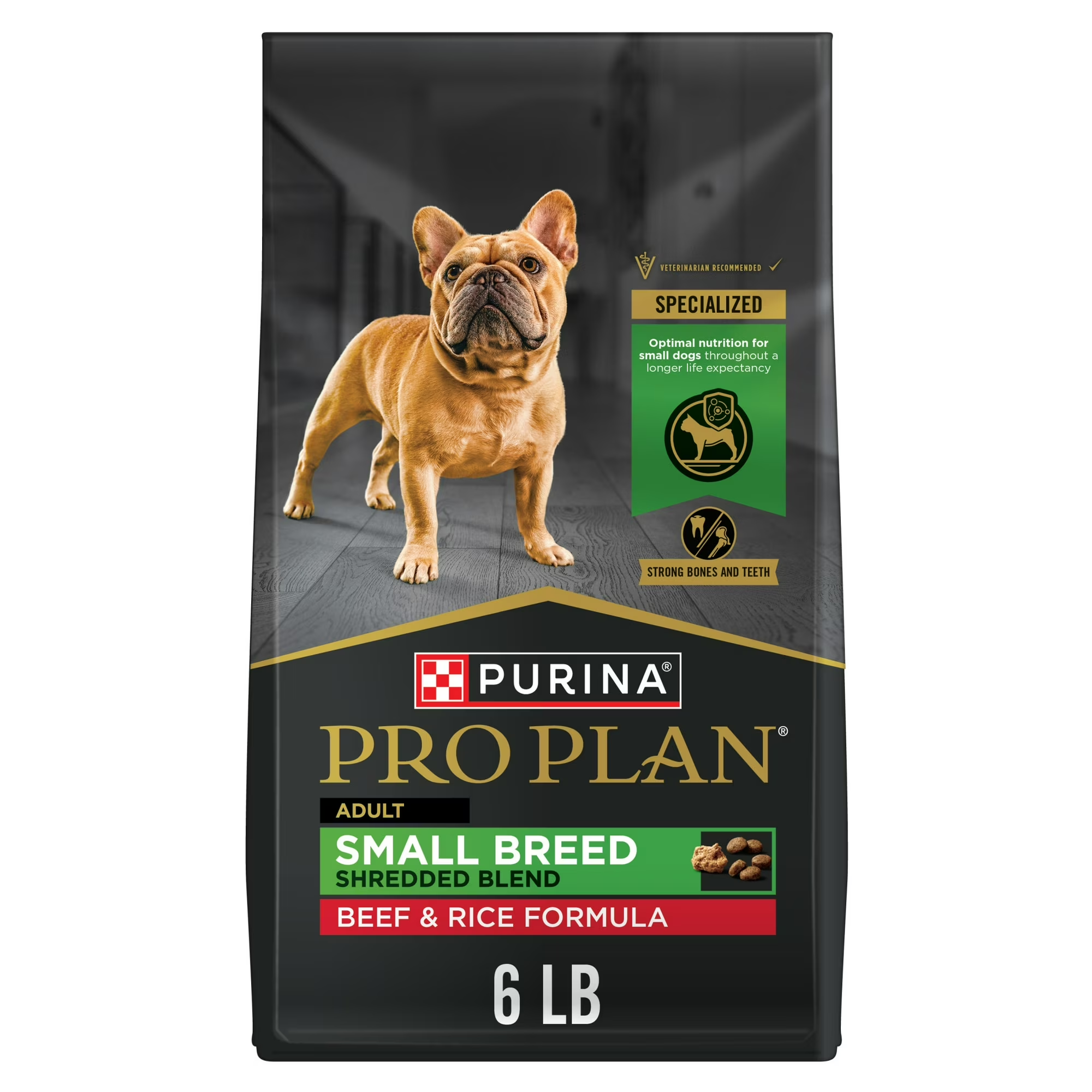
Purina Pro Plan Small Breed Dry Dog Food, Shredded Blend Beef and Rice Formula With Guaranteed Live Probiotics
What Ingredients Should You Look for in Premium Dog Food?
The quality of a dog food depends not only on its brand but also on the nutritional value of its ingredients. Premium dog food is designed to provide complete and balanced nutrition using carefully selected ingredients that support long-term health. One of the first things to evaluate is the primary protein source. High-quality animal proteins such as chicken, turkey, salmon, beef, lamb, or other fish provide essential amino acids that help maintain lean muscle, support immune function, and promote healthy skin and coat.
Healthy fats are equally important because they provide concentrated energy and essential fatty acids, including omega-3 and omega-6, which contribute to skin health, cognitive function, and normal inflammatory responses. Digestible carbohydrate sources such as brown rice, oats, barley, or sweet potatoes can provide energy and dietary fiber, while fruits and vegetables contribute antioxidants, vitamins, and minerals that support overall wellness.
Many premium formulas also include probiotics, prebiotics, glucosamine, chondroitin, taurine (where appropriate), and other functional ingredients to support digestive health, joint mobility, heart health, and healthy aging. Rather than focusing on individual “superfoods,” evaluate the complete nutritional profile and whether the food is formulated to meet recognized nutritional standards for your dog’s life stage.
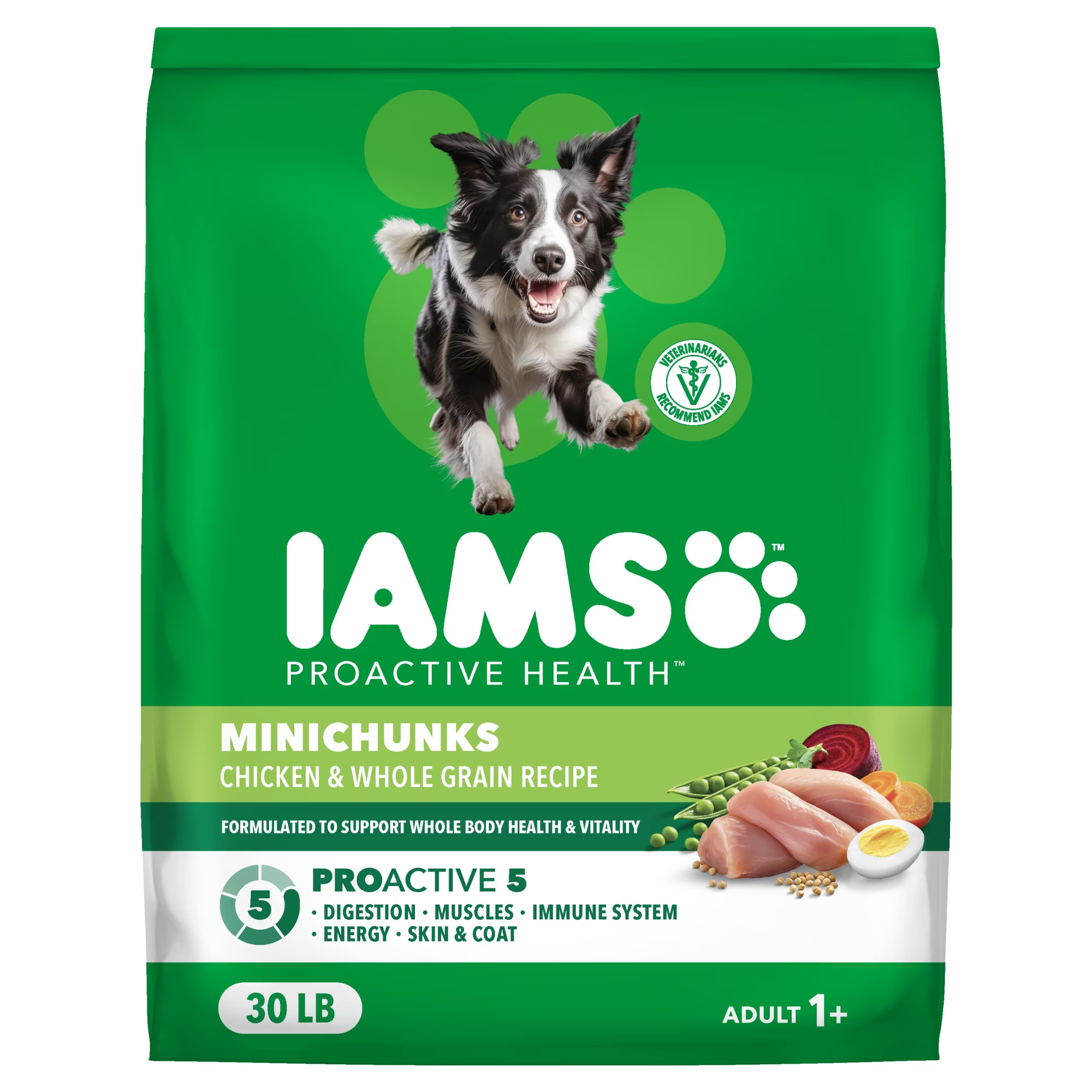
IAMS Proactive Health Adult Minichunks Premium Dry Dog Food, Adult Dog Food Dry Recipe, 30 lb. Bag
Dry Dog Food vs. Fresh Dog Food – Which Is Better?
Dry dog food and fresh dog food each offer advantages, and the best choice depends on your dog’s nutritional needs, your lifestyle, budget, and your veterinarian’s recommendations. Dry dog food remains one of the most practical options because it is convenient to store, easy to measure, generally more affordable, and available in formulas for nearly every life stage, breed size, and health condition. Many high-quality dry foods also include ingredients that support dental health, digestion, immune function, and overall wellness.
Fresh dog food, on the other hand, is typically prepared with minimally processed ingredients such as real meat, vegetables, and balanced nutrient blends. Many owners appreciate the ingredient transparency and customized meal plans offered by fresh food companies. Some dogs also find fresh food more palatable due to its texture and moisture content. However, fresh diets often require refrigeration or freezing, have shorter shelf lives, and usually cost more than traditional kibble.
Purina Pro Plan Sensitive Skin and Stomach Dog Food Dry, Adult Salmon & Rice Formula, Digestive Health
Blue Buffalo Life Protection Formula Chicken & Brown Rice Adult Dry Dog Food, Healthy Muscle Development, Skin & Coat Health
IAMS Proactive Health Dry Dog Food, Large Breed Mature Premium Adult Dog Food for Large Breeds, with Chicken
Common Dog Food Ingredients to Avoid
Reading a dog food label is one of the most important steps in choosing a healthy diet for your pet. While many commercial dog foods provide complete and balanced nutrition, ingredient quality can vary significantly between products. Rather than relying solely on marketing claims such as “premium,” “natural,” or “holistic,” pet owners should evaluate the overall nutritional profile, ingredient quality, manufacturing standards, and whether the food is appropriate for their dog’s life stage and health needs.
Some dogs may have sensitivities or allergies to specific ingredients, but there is no universal list of ingredients that every dog should avoid. If your dog has been diagnosed with a food allergy or intolerance, your veterinarian may recommend avoiding the specific ingredient responsible for those symptoms. Artificial colors and flavors generally do not provide nutritional value, so many owners choose foods that omit them. Similarly, selecting products from manufacturers with strong quality-control practices and transparent ingredient sourcing can help build confidence in the food you choose.
Instead of focusing only on ingredients to avoid, prioritize formulas that provide high-quality animal protein, appropriate healthy fats, digestible carbohydrate sources, vitamins, minerals, and nutrients that support your dog’s overall health. Regular veterinary checkups, monitoring your dog’s body condition, and evaluating changes in energy, coat quality, and digestion can help determine whether a particular food is a good fit over time.
Final Recommendations for the Best Dog Food Brands in 2026
Choosing the best dog food in 2026 ultimately comes down to selecting a nutritionally complete diet that matches your dog’s unique needs rather than searching for a single product that is perfect for every pet. Age, breed, body size, activity level, medical history, and individual preferences all influence which food is most appropriate. Puppies, active adult dogs, senior companions, small breeds, large breeds, and dogs with sensitive stomachs may all benefit from different nutritional approaches.
The most effective approach is to compare several reputable brands, read product labels carefully, monitor how your dog responds to the diet, and schedule regular veterinary wellness visits. By combining informed research with professional veterinary advice, you can make confident decisions that support your dog’s long-term health, energy, and quality of life.
Frequently Asked Questions
The best dog food in 2026 depends on your dog's age, breed, activity level, health condition, and individual nutritional needs. A high-quality dog food should provide complete and balanced nutrition with real animal protein, healthy fats, essential vitamins, minerals, and ingredients that support digestion, skin health, and overall wellness. Consult your veterinarian if your dog has specific medical or dietary requirements.
Start by considering your dog's life stage (puppy, adult, or senior), breed size, activity level, body condition, and any health concerns. Read the ingredient list, ensure the food is complete and balanced for your dog's life stage, and monitor how your dog responds after transitioning to a new diet.
Neither option is automatically better. Dry dog food is convenient, cost-effective, and available in many specialized formulas. Fresh dog food may appeal to owners looking for minimally processed ingredients and higher moisture content. The best choice is the one that provides complete and balanced nutrition and fits your dog's individual needs.
Look for high-quality animal protein as a primary ingredient, healthy fats, digestible carbohydrate sources, fiber, vitamins, minerals, and nutrients such as omega-3 fatty acids. Many premium foods also include probiotics or prebiotics to support digestive health.
Not necessarily. Grain-free diets are appropriate for some dogs but are not required for most healthy pets. Unless your veterinarian recommends a grain-free diet for a specific medical reason, many dogs do well on balanced diets that include grains.
Feeding frequency depends on your dog's age, health, and lifestyle. Puppies generally need more frequent meals than adult dogs. Many healthy adult dogs do well with two meals per day, while feeding schedules for senior dogs may vary based on veterinary advice.
Signs that a diet is a good fit include healthy body condition, consistent energy levels, normal digestion, a shiny coat, healthy skin, and good stool quality. If you notice ongoing digestive issues, unexplained weight changes, or other concerns, consult your veterinarian.
Introduce the new food gradually over about 7–10 days by slowly increasing the proportion of the new food while decreasing the old food. A gradual transition can help reduce the risk of digestive upset.
Puppies need food formulated specifically for growth and development. Puppy diets should provide complete and balanced nutrition with appropriate protein, fat, vitamins, and minerals to support healthy bones, muscles, and brain development.
Senior dogs often benefit from foods formulated to support healthy aging, including highly digestible protein, appropriate calorie levels, and nutrients that support joint health and mobility. The right choice depends on your dog's overall health, activity level, and veterinary recommendations.
Many healthy dogs can transition to a new complete and balanced food gradually. However, if your dog has a chronic medical condition, food allergies, digestive disease, or other health concerns, it's best to seek veterinary advice before making dietary changes.
Store dry dog food in a cool, dry place and keep the bag sealed or placed in an airtight container. Follow the manufacturer's storage instructions and check expiration dates. Fresh or refrigerated foods should be stored according to the package directions.
Price alone does not determine quality. A more expensive food is not automatically the best choice for every dog. Focus on complete and balanced nutrition, ingredient quality, appropriate life-stage formulation, and how well the food meets your dog's individual needs.
Possible signs include persistent itching, recurring ear problems, digestive upset, vomiting, diarrhea, or chronic skin issues. Because these symptoms can have many causes, consult your veterinarian for an accurate diagnosis and dietary recommendations.
Dogs' nutritional needs change as they grow from puppies to adults and then into their senior years. Reviewing your dog's diet regularly with your veterinarian helps ensure they continue receiving nutrition that matches their current stage of life and health status.