
Best Fresh Dog Food in 2026: Top 10 Fresh Dog Food Brands
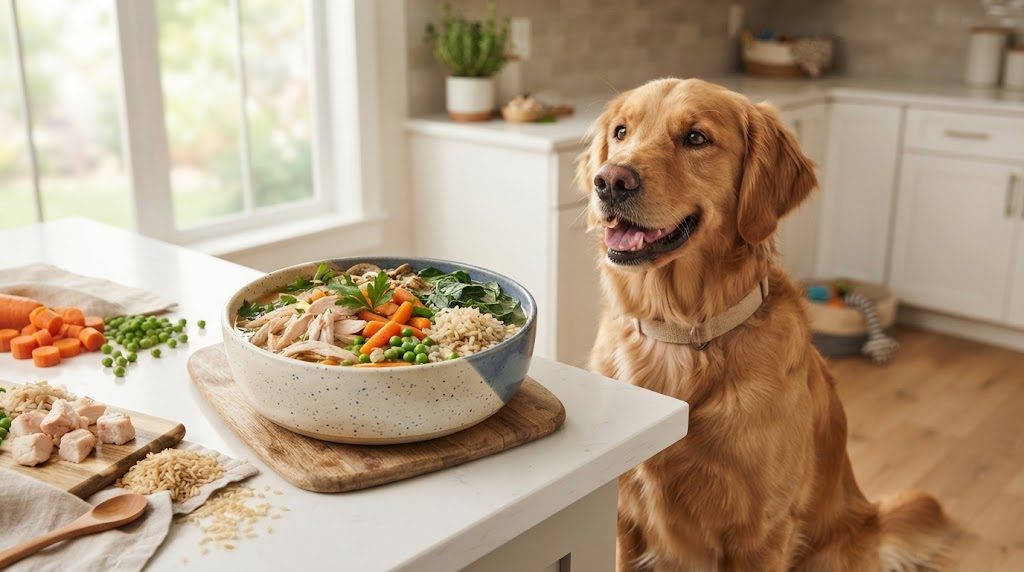
Choosing the best fresh dog food can feel overwhelming. There are more fresh, refrigerated, frozen, gently cooked, and human-grade dog food options available than ever before. Many brands now offer personalized meals based on your dog’s age, weight, breed size, activity level, and dietary preferences.
But does fresh dog food automatically mean better nutrition?
Not necessarily.
The best fresh dog food is the one that provides complete and balanced nutrition, fits your dog’s life stage and individual needs, uses appropriate ingredients, and is practical for your budget and feeding routine.
In this guide, we researched popular fresh dog food brands and compared them based on nutritional adequacy, recipe choices, convenience, ingredient quality, availability, storage requirements, and value. We’ve also included options for puppies, senior dogs, picky eaters, sensitive stomachs, small breeds, large breeds, and budget-conscious pet parents.
Our Top Fresh Dog Food Brands
Here are some of the fresh dog food brands worth considering in 2026:
| Category | Our Pick |
|---|---|
| Best Fresh Dog Food Overall | The Farmer’s Dog |
| Best Veterinary-Focused Option | JustFoodForDogs |
| Best for Picky Eaters | Ollie |
| Best Affordable Fresh Dog Food | Freshpet |
| Best for Recipe Variety | PetPlate |
| Best for Convenient Fresh Meals | Nom Nom |
| Best for Puppies | JustFoodForDogs / The Farmer’s Dog |
| Best for Senior Dogs | JustFoodForDogs |
| Best for Personalized Feeding | The Farmer’s Dog |
| Best Fresh Food Alternative | Open Farm |
1. The Farmer's Dog — Best Fresh Dog Food Overall
- Clean Label Project Certified – Tested for 100+ contaminants for added quality assurance.
- Healthy, Natural Nutrition – Made with U.S. farm-raised chicken and visible vegetables.
- Gently Steam Cooked – Helps preserve essential nutrients and natural flavor.
- Easy to Digest – Made with high-quality, easily digestible ingredients.
- Rich in Vitamins & Antioxidants – Packed with nutrients from fresh vegetables.
- No Unwanted Additives – No meat meals, byproducts, artificial preservatives, or fillers.
The Farmer’s Dog is one of the best-known fresh dog food delivery services in the United States. Its approach focuses on delivering portioned meals designed around individual dogs rather than offering one generic formula for every pet.
The personalization can make fresh feeding easier for owners who don’t want to calculate how much food their dog needs every day. You typically provide information such as your dog’s age, weight, breed, activity level, and other details during the ordering process.
However, personalized fresh food can be considerably more expensive than traditional dry dog food. It also requires refrigerator or freezer space and planning because fresh meals have a shorter storage life than kibble.
Best for:
- Dogs whose owners want delivered fresh meals
- Personalized feeding plans
- Pet parents who prioritize convenience
- Dogs that enjoy moist food textures
- Owners willing to spend more on fresh food
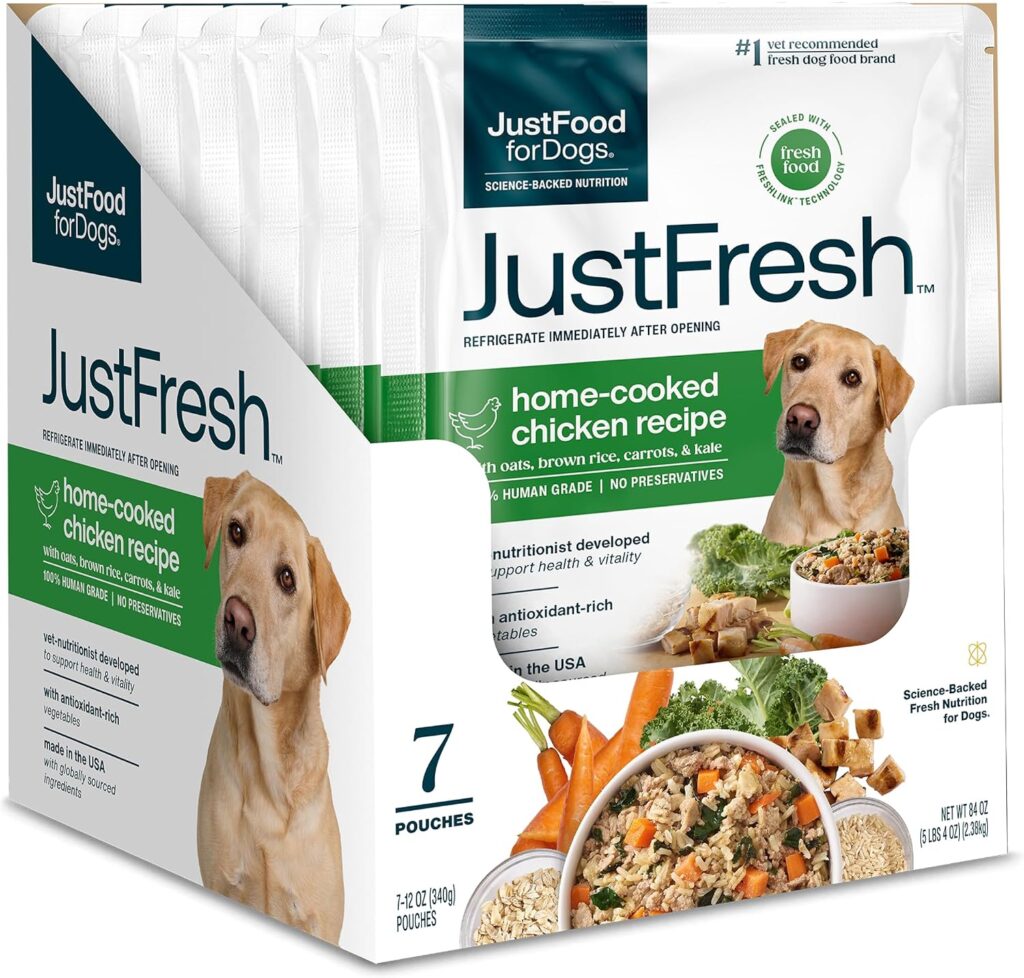
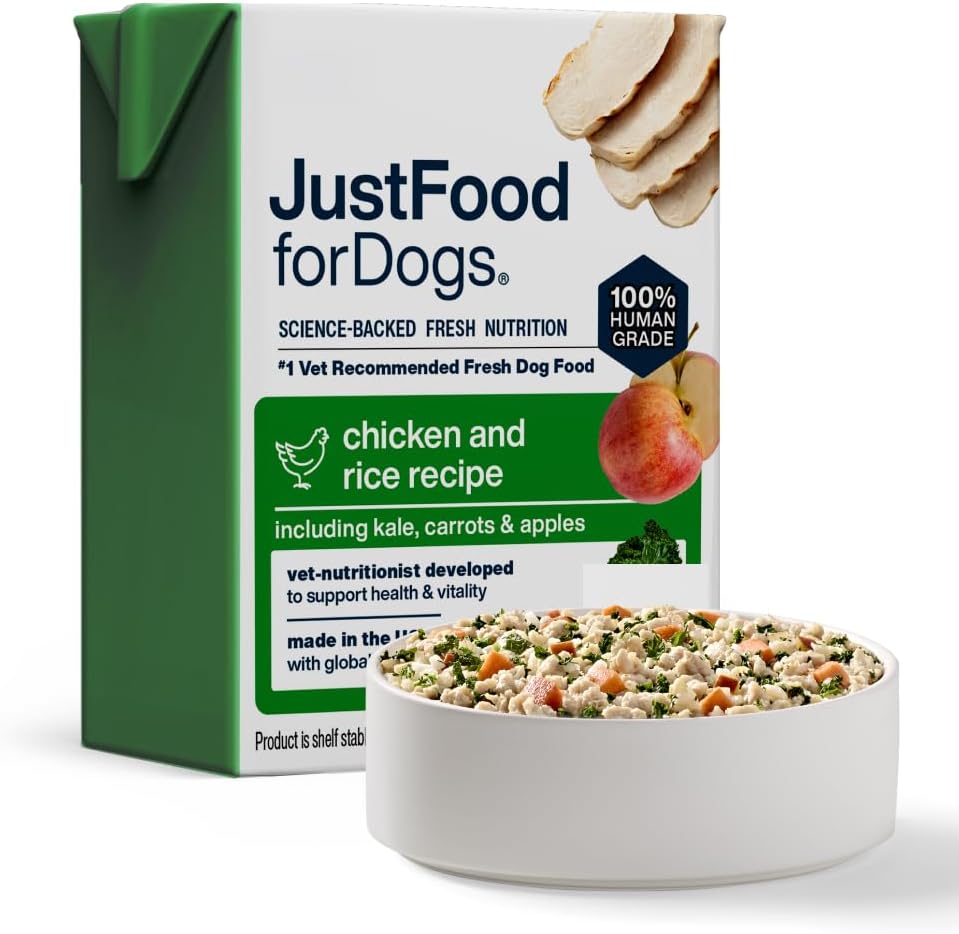
2. JustFoodForDogs — Best Veterinary-Focused Fresh Dog Food
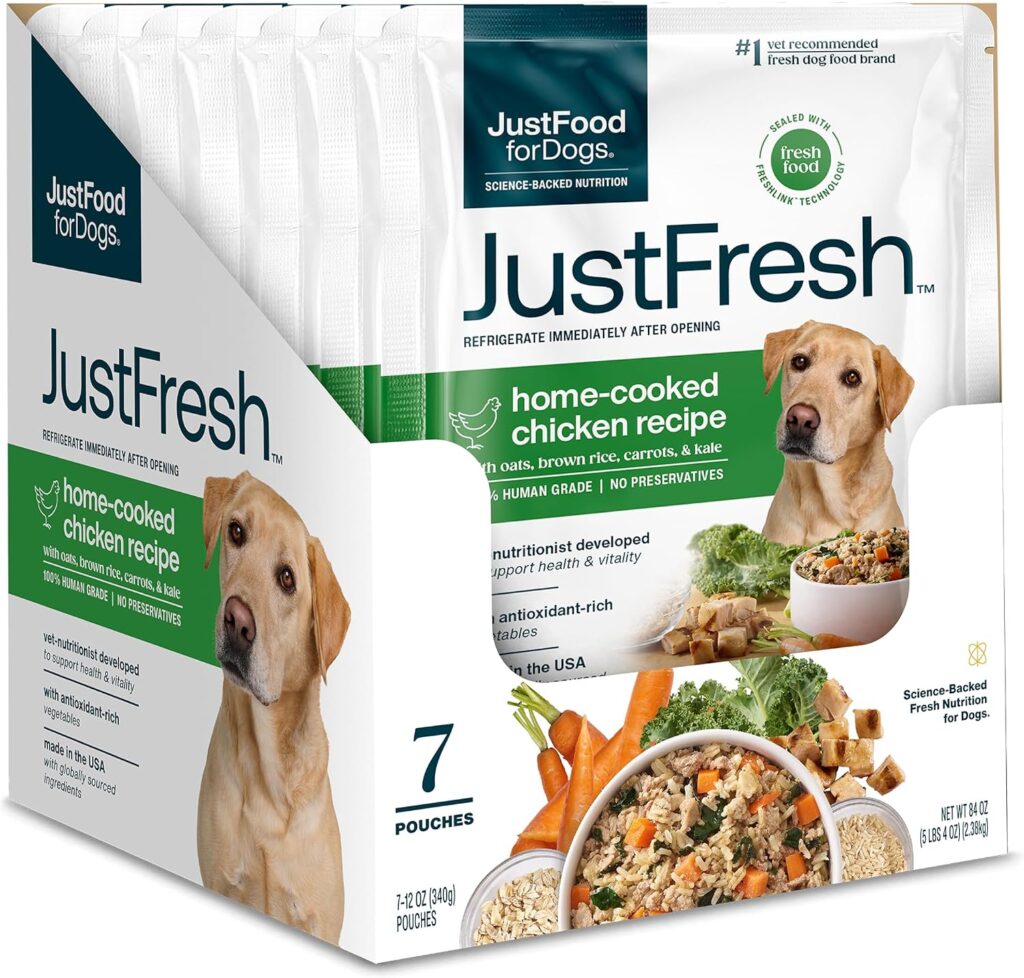
- Science-Backed Nutrition – Developed with veterinary nutritionists using over a decade of research.
- 100% Human-Grade – Made with fresh whole foods and gently cooked for nutrient-rich nutrition.
- Preservative-Free – Shelf-stable unopened for up to 2 years with convenient resealable pouches.
- Meal or Topper – Serve as a complete meal or topper for picky eaters.
- Vet-Recommended – A pioneering fresh dog food brand backed by peer-reviewed feeding trials.
JustFoodForDogs is another major name in fresh dog food and stands out for its emphasis on formulation and veterinary nutrition.
The company offers a variety of fresh and shelf-stable foods, including recipes designed for different nutritional goals. Its product range can be especially interesting to owners who want more than a single subscription-style meal option.
Some specialized diets are intended for specific health needs. However, pet owners should not assume that a therapeutic or specialized formula is appropriate simply because a dog has a particular symptom or condition.
Best for:
- Owners who value veterinary involvement
- Dogs needing specialized nutritional options
- Recipe variety
- Pet parents who want both fresh and pantry-friendly choices
3. Ollie — Best Fresh Dog Food for Picky Eaters
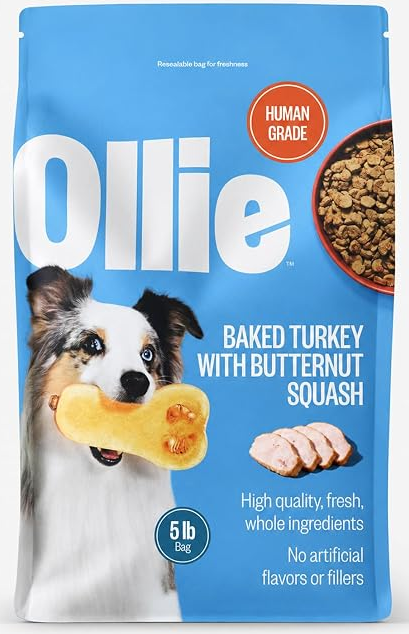
- Real Turkey First – Made with high-quality turkey as the first ingredient for protein-rich nutrition.
- Gently Baked – Helps preserve nutrients and natural flavor while supporting easy digestion.
- Wholesome Ingredients – Made with chickpeas, sweet potatoes, carrots, and oats.
- Meal or Topper – Serve as a complete meal or add to kibble for extra flavor and moisture.
- No Fillers or Artificial Additives – Free from corn, wheat, soy, artificial colors, flavors, and preservatives.
Ollie is a popular fresh dog food option for pet parents looking for flavorful recipes and variety. Its fresh meals are designed around individual feeding needs, and the brand has built its reputation around customized feeding plans.
For picky eaters, texture and flavor can matter just as much as nutritional composition. Fresh food often has a different smell and texture from traditional dry kibble, which may make it appealing to dogs that frequently turn their noses up at dry food.
Best for:
- Picky eaters
- Dogs that prefer soft food
- Owners who want delivered meals
- Pet parents interested in personalized feeding
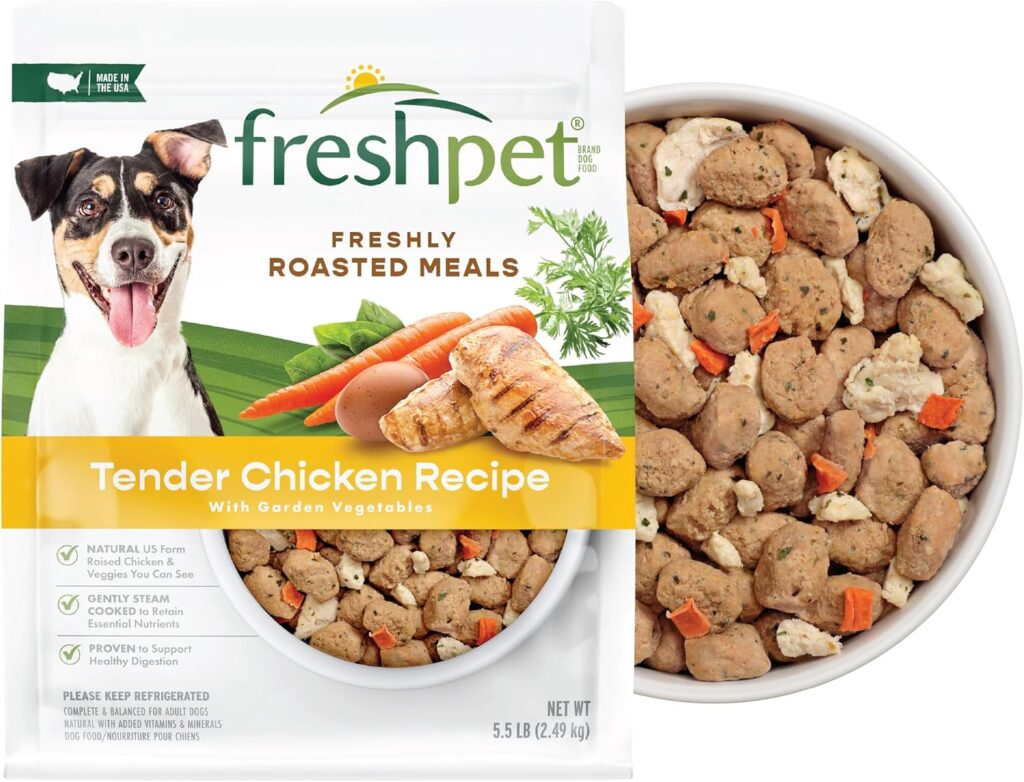
4. Freshpet — Best Affordable Fresh Dog Food
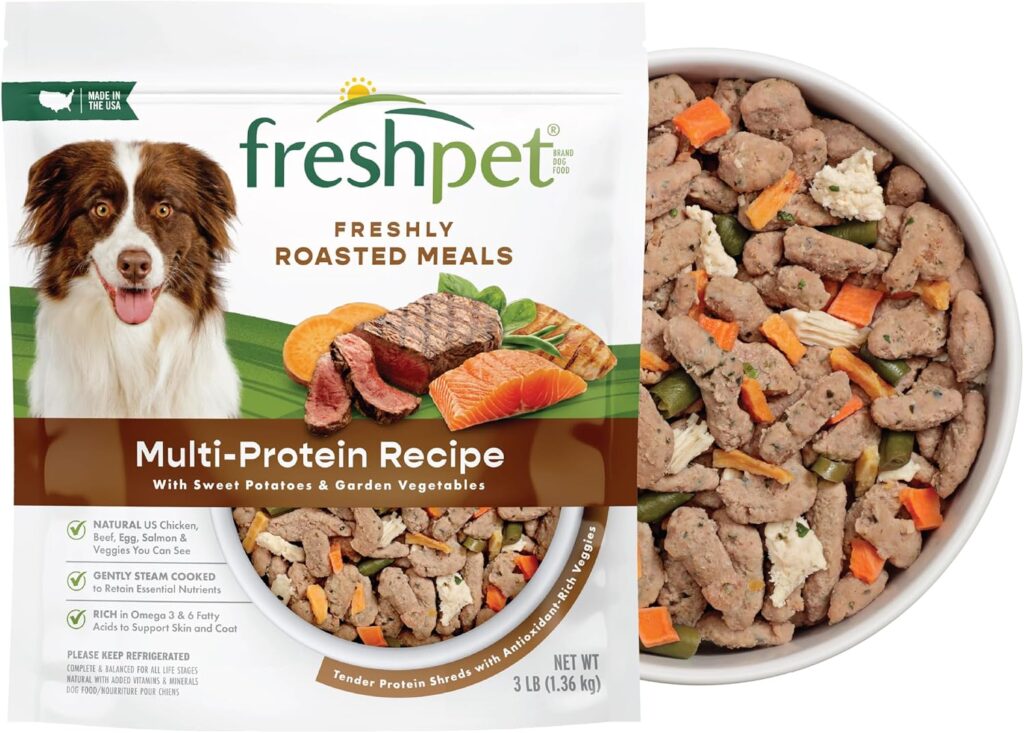
- Clean Label Project Certified – Tested for 100+ contaminants for added quality assurance.
- Healthy, Natural Nutrition – Made with U.S. farm-raised chicken, beef, egg, salmon, and visible vegetables.
- Gently Steam Cooked – Helps preserve essential nutrients and natural flavor.
- Rich in Omega-3 & Omega-6 – Supports healthy skin and a shiny coat.
- Vitamins & Antioxidants – Packed with nutrients from fresh vegetables.
- No Unwanted Additives – Free from meat meals, byproducts, artificial preservatives, and fillers.
Freshpet is one of the most recognizable refrigerated dog food brands in the United States and is particularly convenient because its products can be found through many retail channels.
Unlike subscription-only services, Freshpet can be easier for owners who want to purchase fresh dog food during a normal shopping trip.
Freshpet offers multiple recipes and product formats, so owners can compare ingredients, calories, life-stage suitability, and feeding instructions.
Best for:
- Budget-conscious pet parents
- Owners who want fresh food without a subscription
- Dogs that prefer refrigerated food
- Convenient store-based purchasing
5. PetPlate — Best Fresh Dog Food for Recipe Variety
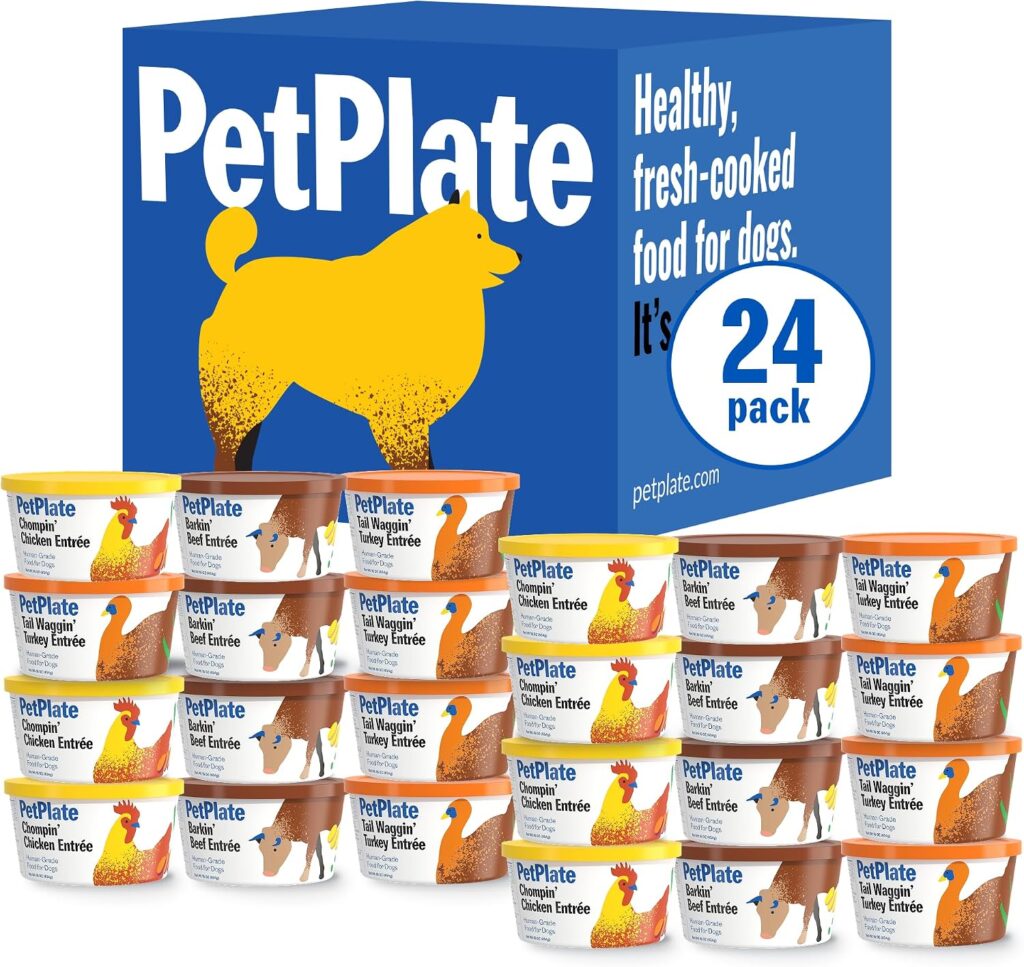
- Fresh Cooked & Shipped Frozen – Frozen to help preserve freshness, nutrients, and flavor.
- Variety of Recipes – Beef, turkey, and chicken recipes for more mealtime variety.
- Convenient Resealable Tubs – Easy to serve, portion, refrigerate, and store.
- Made in the USA – Small-batch meals made with real meat, fruits, and vegetables, without fillers or preservatives.
- Vet Formulated – Developed with veterinary nutritionists to support healthy digestion, skin, coat, and overall wellness.
PetPlate focuses on fresh, prepared dog meals delivered directly to pet owners.
Recipe variety can be useful when your dog has preferences regarding proteins or simply enjoys having different meals.
Another benefit of fresh meal delivery is portion convenience. Instead of measuring ingredients and preparing homemade meals yourself, the food arrives prepared according to the feeding plan.
Best for:
- Recipe variety
- Personalized feeding
- Dogs that enjoy different protein options
- Owners who prefer meal delivery
6. Nom Nom — Best Fresh Dog Food for Convenient Feeding
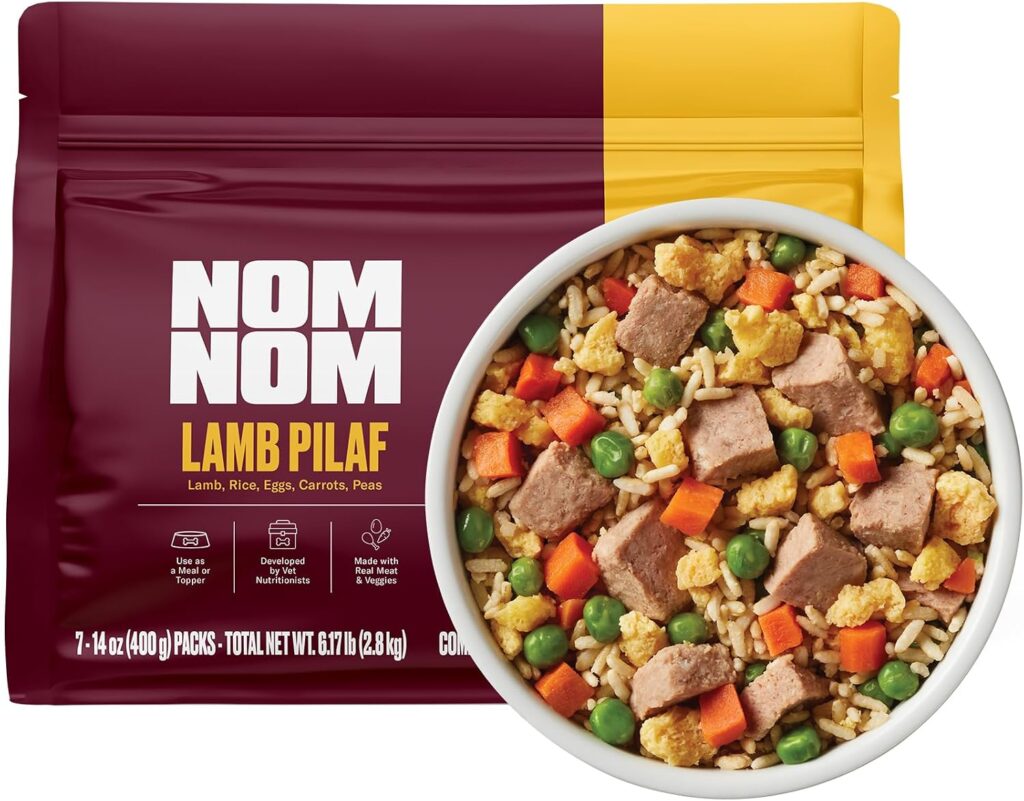
- Delivered Frozen – Thaw individual packs and serve as a complete meal or tasty topper; refrigerate for up to 5 days.
- Real, Wholesome Ingredients – Made with lamb, brown rice, peas, and carrots, gently cooked in small batches.
- No Fillers – Grain-inclusive recipe made with simple, wholesome ingredients.
- Vet-Formulated Nutrition – Developed by a veterinary nutritionist to support digestion, skin, coat, and sustained energy.
- Delicious & Appealing – Real meat and vegetables create a flavorful meal dogs love.
Nom Nom has become known for its fresh dog food and personalized feeding approach.
One of the biggest advantages of fresh meal delivery services is convenience. Instead of purchasing large bags of kibble or preparing homemade meals, owners receive pre-portioned meals that can be stored and served according to instructions.
Fresh food can also be useful for dogs that dislike the texture of dry food.
But convenience should never replace nutritional evaluation. Before choosing a recipe, check its nutritional adequacy statement and make sure it is intended for your dog’s life stage.
Best for:
- Fresh meal delivery
- Convenient portioning
- Dogs that prefer moist food
- Owners who want a subscription service
7. Open Farm — Best Fresh Food Alternative
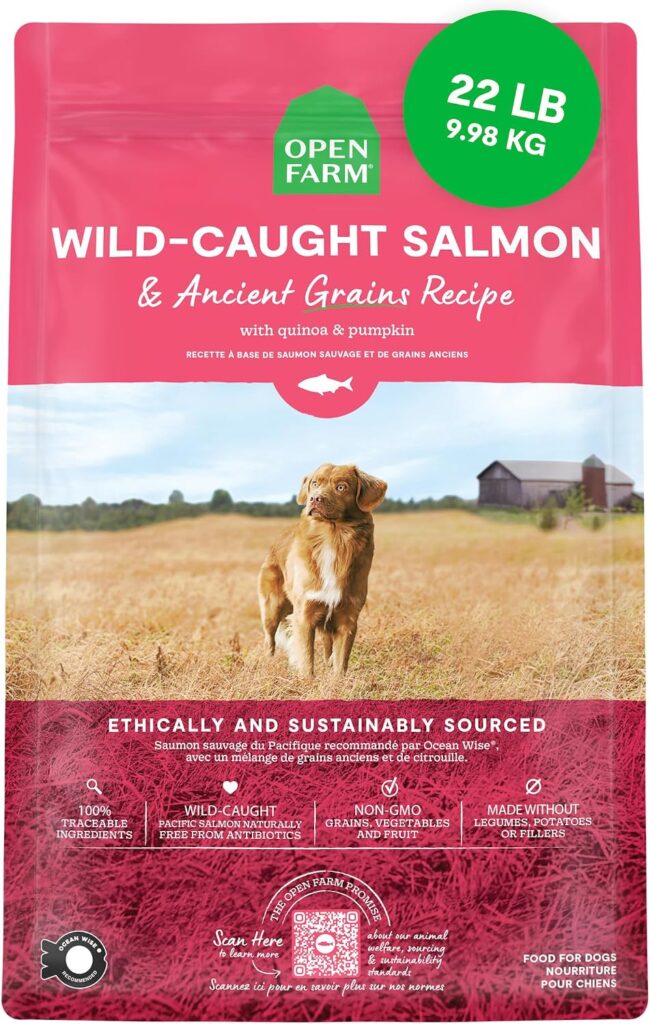
- Wild-Caught Salmon First – High-protein nutrition with wholesome oats and quinoa.
- Complete & Balanced – Grain-inclusive nutrition formulated for dogs of all life stages.
- Gentle on Sensitive Stomachs – Made without peas, potatoes, or legumes.
- Nutrient-Rich Superfoods – Includes pumpkin, quinoa, and coconut oil with no artificial flavors or preservatives.
- Traceable Ingredients – Third-party certified ingredients sourced for quality and transparency.
Open Farm offers several dog food formats, including fresh options, making it an interesting choice for owners who want to compare fresh feeding with other food types from the same brand.
The company emphasizes ingredient sourcing and transparency, but pet owners should still evaluate each individual recipe rather than choosing food based solely on marketing terms.
Best for:
- Ingredient-conscious owners
- Owners comparing different food formats
- Dogs with specific protein preferences
- Pet parents who value sourcing information
8. Fresh Dog Food for Puppies
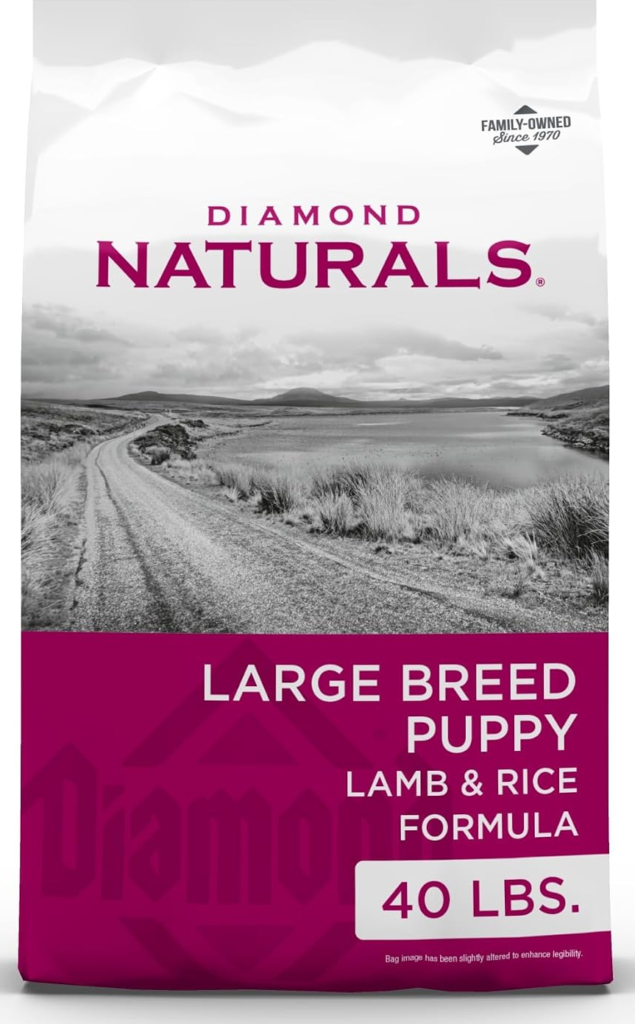
- Real Pasture-Raised Lamb #1 – High-quality protein to support healthy growth.
- Large Breed Puppy Formula – Balanced protein and minerals for growing puppies.
- DHA for Brain & Vision – Supports healthy brain and eye development.
- Omega Fatty Acids & Antioxidants – Helps support overall growth and development.
- L-Carnitine – Helps convert protein and fat into energy for healthy body condition.
Puppies have different nutritional requirements from adult dogs because they are growing rapidly.
This makes choosing a puppy food more complicated than simply buying a product marketed as “healthy” or “fresh.”
When selecting fresh food for a puppy, look for a nutritional adequacy statement appropriate for growth. Large-breed puppies can have additional nutritional considerations, so their food should be suitable for the growth requirements of large-size dogs when applicable.
What to look for:
- Complete and balanced nutrition
- Appropriate puppy life-stage formulation
- Appropriate calories for growth
- Clear feeding instructions
- Suitable protein and fat levels
- Professional formulation
- Appropriate large-breed growth designation when needed
9. Best Fresh Dog Food for Senior Dogs
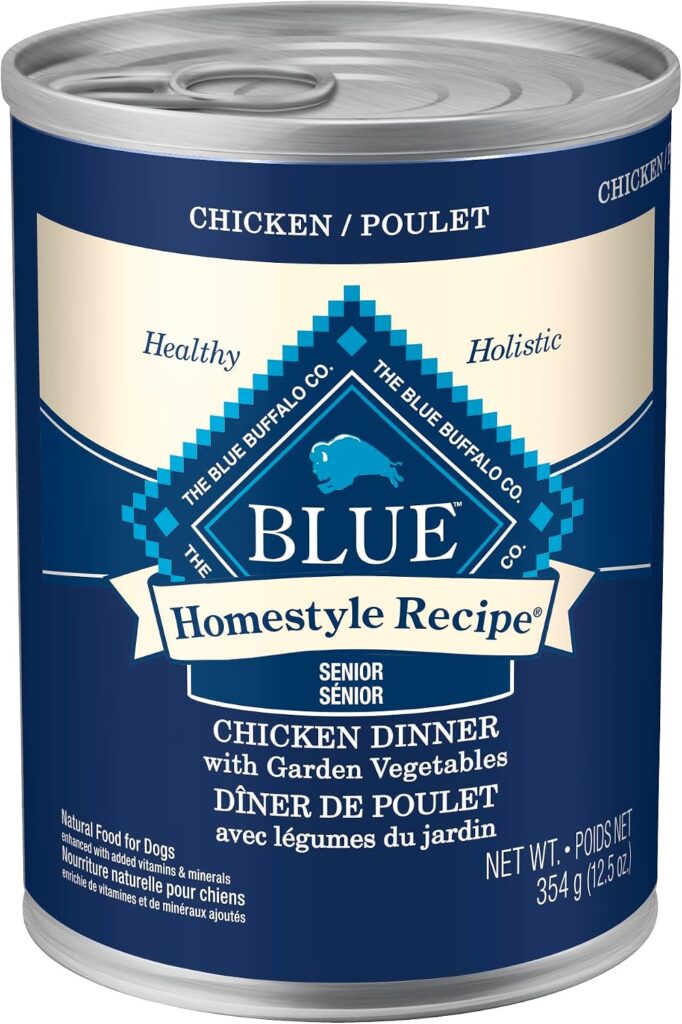
- Real Chicken #1 – High-quality protein to help maintain strong muscles.
- Senior 7+ Formula – Complete, balanced nutrition designed for aging dogs.
- Joint & Mobility Support – Glucosamine and chondroitin help support healthy joints.
- Fruits & Vegetables – Includes antioxidant-rich produce and fiber for overall wellness.
- Omega 3 & 6 Fatty Acids – Supports healthy skin, coat, and steady energy.
- Comforting Paté Texture – Smooth, savory texture ideal for picky senior dogs.
- No Unwanted Additives – Free from poultry by-product meals, corn, wheat, soy, artificial flavors, and preservatives.
Senior dogs can have very different nutritional needs depending on age, size, activity level, body condition, and health status.
Some older dogs appreciate softer food because it can be easier to chew. Fresh food also contains considerable moisture, which can contribute to overall dietary water intake.
Older dogs with kidney disease, diabetes, pancreatitis, heart disease, or other medical conditions may require carefully selected diets.
When choosing food for a senior dog:
- Consider calorie density
- Monitor body weight
- Look at protein and fat levels
- Consider the dog’s activity level
- Choose an appropriate life-stage formula
- Discuss medical diets with your veterinarian
10. Best Fresh Dog Food for Picky Eaters
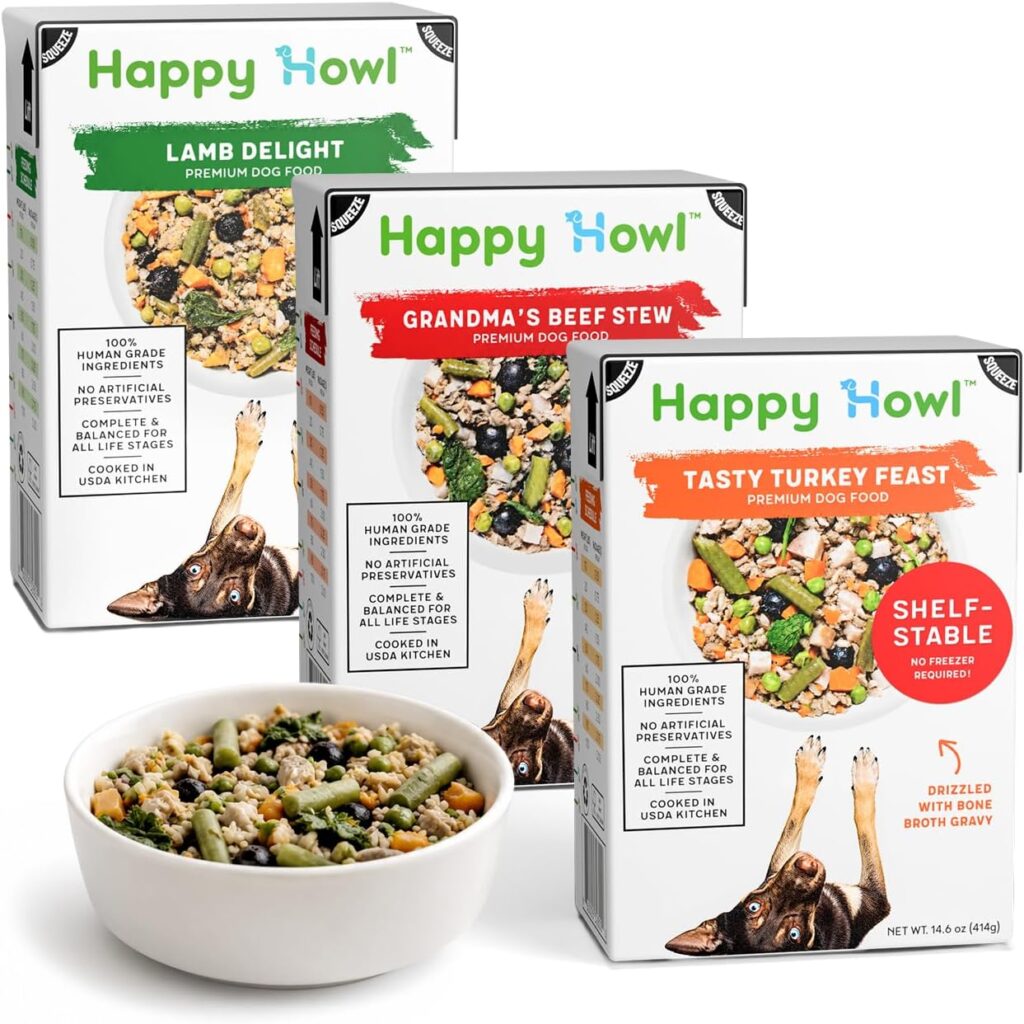
- 100% Human-Grade – Made with fresh, single-source proteins and quality ingredients from U.S. farms.
- Pantry-Ready – Shelf-stable Tetra Paks stay fresh for up to 2 years without refrigeration before opening.
- Gentle on Digestion – Slow-cooked with easy-to-digest ingredients and no fillers, by-products, or artificial preservatives.
- Meal or Topper – Serve as a complete meal or mix with kibble for extra moisture and protein.
- All Life Stages – Suitable for puppies, adults, and senior dogs of various breeds and sizes.
Fresh food can be appealing to picky dogs because it generally has a softer texture and stronger food aroma than dry kibble.
A dog may dislike the flavor, become bored with a food, have dental discomfort, experience gastrointestinal problems, or develop another medical issue.
If your dog suddenly stops eating or shows other symptoms such as vomiting, diarrhea, lethargy, weight loss, or pain, consult a veterinarian rather than simply switching foods.
Helpful tips:
- Start with small amounts
- Avoid constantly changing foods
- Establish regular meal times
- Store food correctly
- Monitor body weight
- Introduce new recipes gradually
What Is Fresh Dog Food?
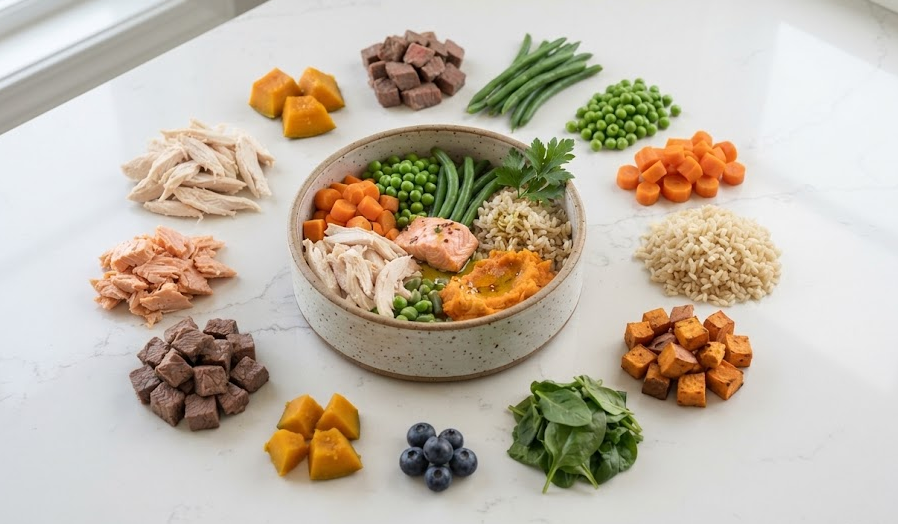
Fresh dog food generally refers to prepared dog food made with ingredients that are cooked or otherwise processed and then refrigerated or frozen rather than heavily dried into raditional kibble.
Fresh diets may include ingredients such as:
- Meat
- Poultry
- Fish
- Vegetables
- Grains
- Eggs
- Fruits
- Added vitamins and minerals
The exact formulation varies considerably between brands.
Fresh dog food should not be confused with raw dog food.
Is Fresh Dog Food Better Than Kibble?
This is one of the biggest questions dog owners ask.
The honest answer is: not necessarily.
Fresh dog food and kibble are different food formats. Either can be appropriate when properly formulated and fed according to the dog’s needs.
A well-formulated kibble can provide complete and balanced nutrition. Likewise, a properly formulated fresh diet can provide complete and balanced nutrition.
The important question is not simply:
“Is it fresh?”
Instead ask:
“Is this specific food nutritionally appropriate for my dog?”
Look for a nutritional adequacy statement indicating that the food is complete and balanced for the appropriate life stage. FDA explains that a product carrying such a statement should be intended to provide a nutritionally balanced sole diet when fed as directed.
Benefits of Fresh Dog Food
Fresh dog food can offer several practical advantages.
1. High Moisture Content
Fresh and refrigerated foods generally contain substantially more moisture than dry kibble.
This can make them appealing to dogs that prefer moist textures.
2. Appealing Texture
Many dogs prefer soft food over crunchy kibble.
3. Ingredient Visibility
Fresh-food brands often emphasize recognizable food ingredients, which can make ingredient lists easier for owners to understand.
4. Convenient Portioning
Many subscription services calculate portions based on the dog’s profile.
5. Recipe Variety
Fresh-food companies often provide several protein and recipe choices.
6. Useful for Dogs That Dislike Dry Food
Some dogs simply prefer fresh or moist food textures.
Potential Disadvantages of Fresh Dog Food
Fresh dog food isn’t perfect for every household.
Higher Cost
Fresh meals can cost considerably more than dry food.
Refrigeration
Many products require refrigerator or freezer space.
Shorter Shelf Life
Once opened, fresh food generally doesn’t last as long as dry kibble.
Portion Management
Owners still need to follow feeding instructions and monitor body condition.
Delivery Requirements
Subscription services depend on reliable delivery and cold-chain handling.
Food Safety
Fresh food must be handled and stored properly.
How to Choose the Best Fresh Dog Food
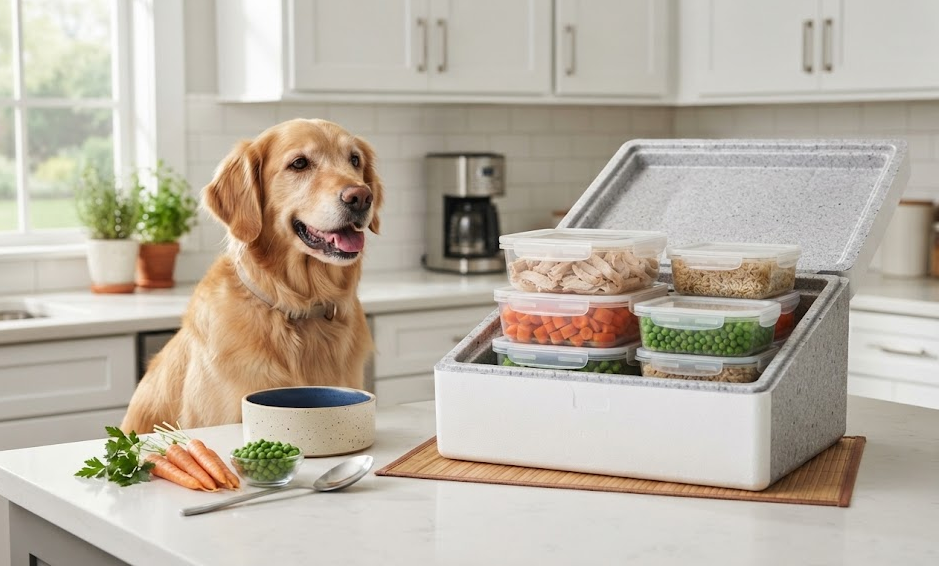
Choosing a fresh dog food should involve more than looking at the ingredient list.
1. Check the Nutritional Adequacy Statement
This should be one of the first things you look for.
2. Consider Your Dog’s Life Stage
A puppy, adult dog, pregnant dog, and senior dog can have different nutritional requirements.
3. Look at Calories
Two foods can have very different calorie densities even when the serving sizes appear similar.
4. Consider Your Dog’s Size
Large dogs can require substantially more food than small dogs, making price per day an important factor.
5. Evaluate Protein Sources
If your dog has a known food allergy or intolerance, discuss appropriate protein choices with your veterinarian.
6. Look Beyond Marketing Terms
Words such as “natural,” “premium,” and “human-grade” can provide useful information, but they should not replace nutritional evaluation.
7. Consider Storage
Before ordering fresh food, make sure you have enough refrigerator or freezer space.
8. Compare Cost Per Day
Don’t compare only the price of the package.
How to Compare Fresh Dog Food Nutrition
Fresh dog food contains more water than kibble, so comparing protein percentages directly from the guaranteed analysis can be misleading.
For example, a fresh food may appear to have a lower protein percentage than kibble simply because the fresh food contains more moisture.
This is particularly useful when comparing:
- Fresh dog food
- Canned dog food
- Refrigerated dog food
- Dry kibble
Fresh vs Refrigerated vs Frozen Dog Food
These terms are sometimes used interchangeably, but they’re not exactly the same.
Fresh Dog Food
Usually refers to minimally processed or gently cooked food that is refrigerated or frozen.
Refrigerated Dog Food
Food that must remain chilled to maintain quality and safety.
Frozen Dog Food
Food kept frozen until needed and thawed according to the manufacturer’s instructions.
Dry Dog Food
Food with much lower moisture content that can generally be stored at room temperature.
Fresh Dog Food for Sensitive Stomachs
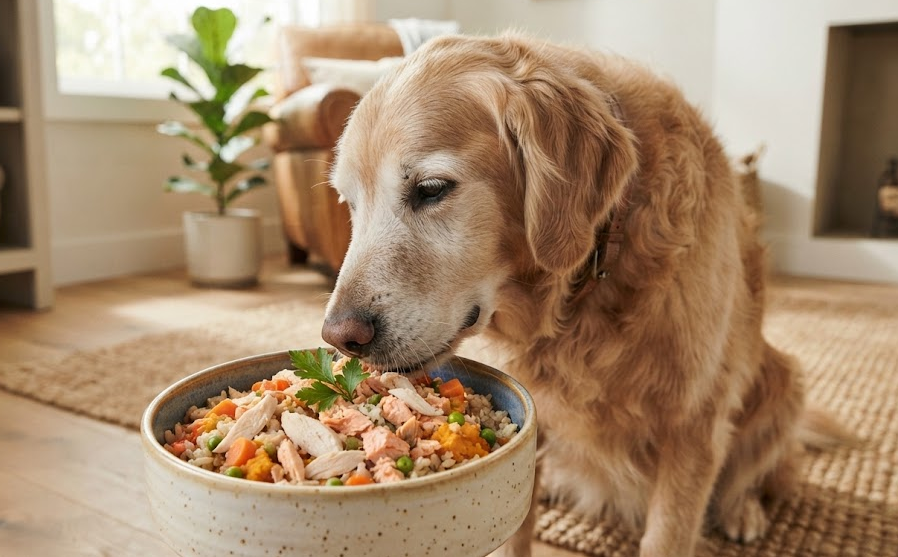
Some owners look for fresh dog food when their dog has digestive problems.
Fresh food may be easier for some dogs to accept, but it isn’t automatically a treatment for gastrointestinal disease.
If your dog regularly experiences:
- Vomiting
- Chronic diarrhea
- Weight loss
- Excessive gas
- Appetite changes
- Abdominal discomfort
- Blood in stool
How to Switch Your Dog to Fresh Food
Don’t normally replace your dog’s existing diet with a completely different food overnight.
A gradual transition can help reduce digestive upset.
A simple transition may look like this:
| Days | Old Food | New Food |
|---|---|---|
| 1–2 | 75% | 25% |
| 3–4 | 50% | 50% |
| 5–6 | 25% | 75% |
| 7+ | 0% | 100% |
Some dogs need a slower transition.
If your dog develops significant vomiting, diarrhea, refuses food, or becomes unwell, stop and contact your veterinarian.
How to Store Fresh Dog Food Safely
Storage is one of the biggest differences between fresh food and kibble.
Always follow the manufacturer’s storage instructions.
General good practices include:
- Keep refrigerated food properly chilled
- Freeze meals when instructed
- Use clean feeding bowls
- Wash bowls regularly
- Don’t leave perishable food sitting out for extended periods
- Seal opened packages properly
- Follow the manufacturer’s use-by guidance
- Keep track of expiration dates
FDA provides pet-food safety resources covering proper storage and handling.
How Much Does Fresh Dog Food Cost?
The cost depends heavily on your dog’s: https://www.worldfoodlive.com
- Weight
- Age
- Activity level
- Calorie requirements
- Recipe
- Brand
- Feeding schedule
A small dog may cost considerably less to feed than a large active dog.
Subscription services can also differ significantly in price.
Instead of comparing package prices, calculate:
Daily feeding cost × 30 days = approximate monthly food cost
Is Human-Grade Dog Food Better?
“Human-grade” is an important marketing and labeling term, but it should not be interpreted as a guarantee that a food is nutritionally superior.
AAFCO recognizes specific guidelines surrounding human-grade claims.
The more important question remains whether the finished dog food is complete and balanced for your dog’s needs.
A dog doesn’t need food to look like a human meal in order to receive good nutrition.
Is Grain-Free Fresh Dog Food Better?
Not automatically.
Some dogs may require a specific diet because of an individual dietary issue, but there is no reason to assume that grain-free food is inherently healthier for every dog.
If your dog does not have a specific reason to avoid grains, discuss major diet changes with your veterinarian.
When comparing fresh dog food, focus on the overall nutritional formulation rather than choosing a product simply because it says “grain-free.”
Fresh Dog Food vs Homemade Dog Food
Fresh commercial dog food and homemade dog food are not the same thing.
Commercial fresh food is formulated to meet nutritional requirements when properly labeled as complete and balanced.
Homemade meals can contain healthy ingredients but still lack important vitamins, minerals, amino acids, or other nutrients.
FAQ About Fresh Dog Food
Not automatically. Both fresh food and kibble can provide complete and balanced nutrition when properly formulated. Choose based on nutritional adequacy, your dog's needs, cost, convenience, and feeding preferences.
There isn't one perfect food for every dog. The Farmer's Dog, JustFoodForDogs, Ollie, Freshpet, PetPlate, and Nom Nom are among the brands worth researching, but the best choice depends on your individual dog.
It can be appropriate when the specific recipe is complete and balanced for growth and is suitable for the puppy's size and nutritional requirements.
Yes, many senior dogs can eat properly formulated fresh food. However, dogs with medical conditions may need specialized nutritional management.
Fresh food may be appealing to some picky dogs because of its aroma and texture. However, sudden appetite loss should be discussed with a veterinarian.
Storage life depends on the brand and whether the product is refrigerated, frozen, or shelf-stable. Always follow the manufacturer's instructions.
Any sudden diet change can cause digestive upset. Transition gradually and monitor your dog. Persistent or severe diarrhea requires veterinary attention.
Yes, many owners combine different food formats. However, account for the calories from both foods so you don't unintentionally overfeed your dog.
It can be more expensive than traditional kibble, particularly for medium and large dogs. Calculate the cost per day or month before subscribing.
Many fresh foods do. Always follow the storage instructions printed on the package.
Some products can be frozen, while others have specific storage requirements. Follow the manufacturer's instructions rather than assuming every fresh food can be frozen.
It can be safe when properly formulated and handled, but creating a nutritionally complete homemade diet is difficult. Professional nutritional guidance is recommended.
No. Grain-free does not automatically mean healthier. Choose a diet based on your dog's nutritional needs rather than marketing claims.