

Best Puppy Food for Sensitive Stomach: Top Picks & Buying Guide

Best Puppy Food for a Sensitive Stomach can be challenging when your puppy experiences loose stools, gas, occasional digestive discomfort, or changes in appetite. You want to choose a food that provides the nutrients your growing puppy needs without making mealtimes more difficult.
Puppies have developing digestive systems, and an upset stomach can sometimes follow a sudden food change, too many treats, or eating something they should not. However, recurring digestive problems may also indicate parasites, infections, food intolerance, or another health condition.
The right puppy food depends on your dog’s age, symptoms, nutritional needs, and veterinary advice. In this guide, we’ll compare popular sensitive-stomach puppy food options, explain what to look for on the label, and share practical feeding tips to help you make an informed decision.
What Is Puppy Food for a Sensitive Stomach?
Puppy food for a sensitive stomach is designed to support healthy growth while being easier for some puppies to digest. These formulas may contain highly digestible ingredients, selected protein sources, or balanced fiber to support digestive health. https://www.worldfoodlive.com
A sensitive stomach is not a specific medical diagnosis. Digestive problems can have different causes, including sudden food changes, too many treats, parasites, infections, or food allergies.
The best food depends on your puppy’s age, nutritional needs, and symptoms. Choose a complete and balanced puppy formula, change foods gradually, and ask your veterinarian for advice if symptoms continue. Persistent vomiting, diarrhea, or loss of appetite needs prompt veterinary attention.
Signs Your Puppy May Have a Sensitive Stomach
Digestive symptoms can have several causes, so avoid assuming every problem is food-related.
Common signs include:
Soft stools or diarrhea.
Excessive gas.
Changes in stool frequency.
Mild discomfort after meals.
Reduced appetite.
Occasional vomiting.
Digestive changes after switching foods.
These signs do not always mean your puppy needs sensitive-stomach food. Parasites, infections, sudden diet changes, and other health issues can cause similar symptoms.
Tip: Consult a veterinarian if symptoms persist. Seek prompt veterinary care for repeated vomiting, severe diarrhea, blood in the stool, weakness, or loss of appetite.
5 Puppy Foods for Sensitive Stomachs
1. Purina Pro Plan Sensitive Skin & Stomach Puppy Dog Food
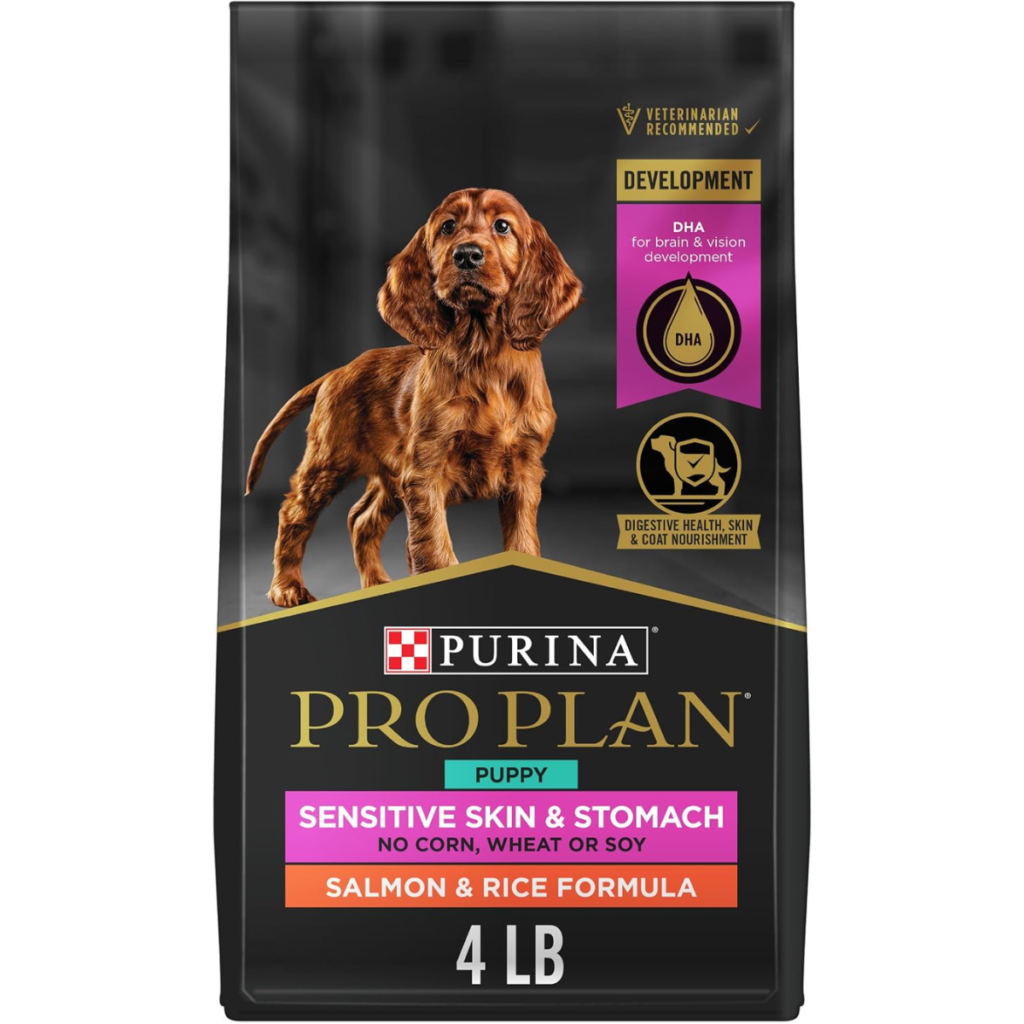
Purina Pro Plan Sensitive Skin & Stomach Puppy Food features real salmon as its first ingredient to provide protein for growing puppies. Easily digestible rice helps support sensitive stomachs, while natural prebiotic fiber and live probiotics promote digestive health. Fish oil provides DHA for brain and vision development, along with EPA to support overall health. Omega-6 fatty acids and vitamin A nourish the skin and coat, while antioxidants support developing immunity. This salmon and rice formula provides specialized nutrition for puppies with sensitive digestion.
Benefits & Key Points
Real Salmon: Provides protein for growth.
Gentle Digestion: Easily digestible rice supports sensitive stomachs.
Gut Health: Prebiotics and probiotics support digestion.
Brain & Vision: DHA supports healthy development.
Skin & Coat: Omega-6 and vitamin A nourish skin and coat.
Immune Support: Antioxidants help support developing immunity.
2. Hill’s Science Diet Puppy Sensitive Stomach & Skin
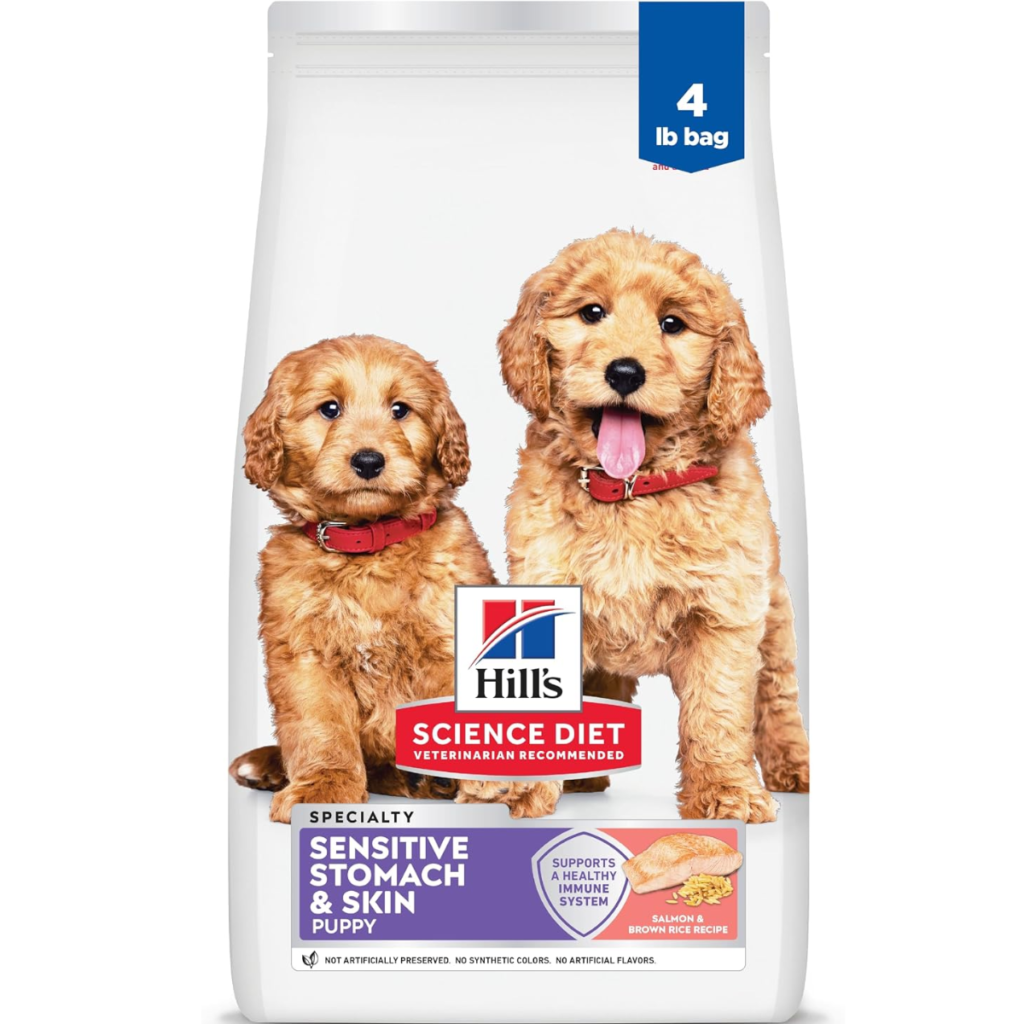
Hill’s Science Diet Puppy Sensitive Stomach & Skin Salmon & Brown Rice Recipe is designed for puppies needing gentle digestive and skin support. Salmon is the first ingredient, providing protein for growing muscles. Highly digestible ingredients and prebiotic fiber support nutrient absorption and a balanced gut microbiome. DHA from fish oil promotes healthy brain and eye development, while omega-3 and omega-6 fatty acids and vitamin E help maintain healthy skin and a shiny coat. Vitamins C and E provide antioxidant support for a developing immune system.
Benefits & Key PointsSalmon First: Provides protein for growth.
Gentle Digestion: Prebiotic fiber supports gut health.
Brain Development: DHA supports brain and eye health.
Skin & Coat: Omega fatty acids and vitamin E nourish skin.
Immune Support: Vitamins C and E provide antioxidants.
Muscle Growth: High-quality protein supports lean muscles.
3. Royal Canin Veterinary Diet Gastrointestinal Puppy Food
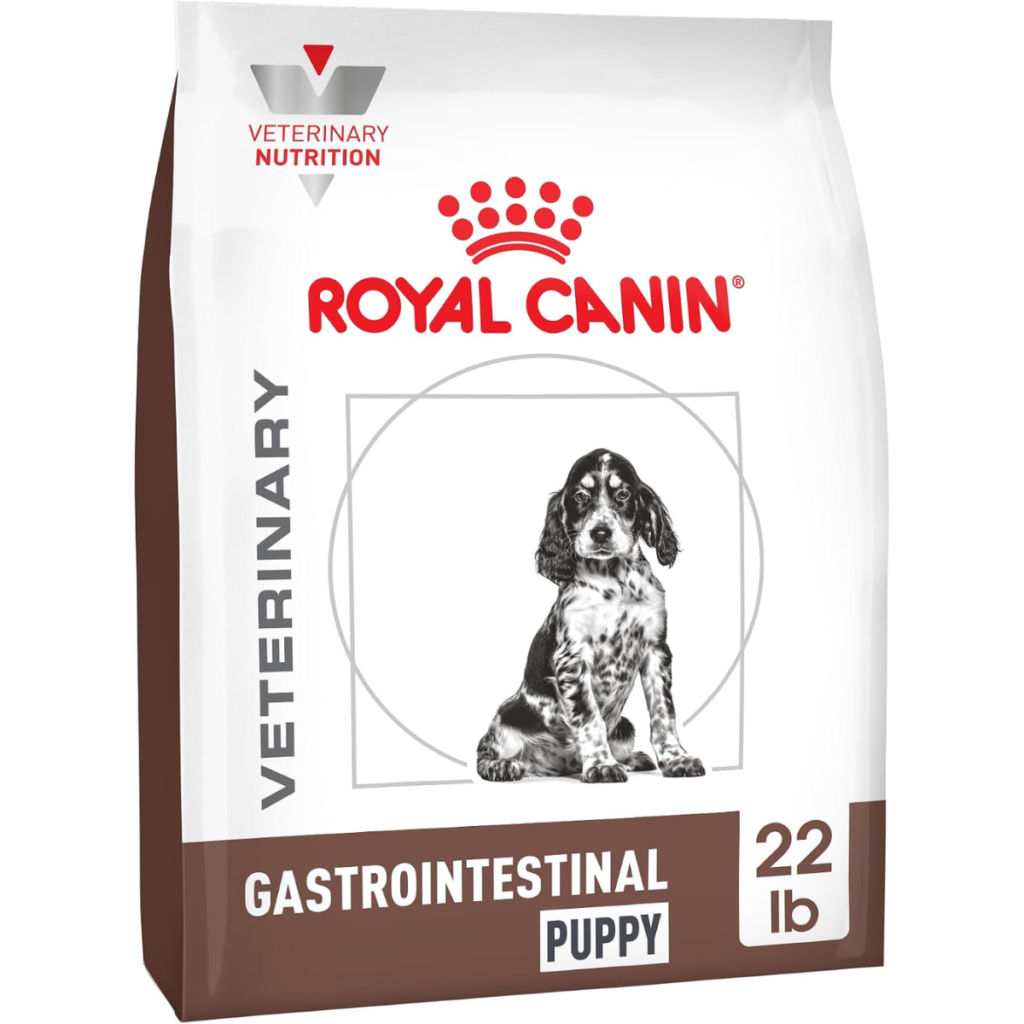
Royal Canin Gastrointestinal Puppy Dry Dog Food is a veterinary-exclusive formula designed for puppies with digestive sensitivities. Its highly digestible proteins and balanced fiber blend help support digestion and healthy stool quality. Selected prebiotics promote a balanced gut microbiome, while EPA and DHA omega-3 fatty acids support digestive health. The energy-dense recipe provides nutrients for growing puppies, and its rehydratable kibble can be softened to encourage food intake and ease the transition from milk to solid food. Use under veterinary guidance.
Benefits & Key Points
Sensitive Digestion: Designed for puppies with digestive issues.
Growth Support: Energy-dense nutrition for growing puppies.
Digestive Health: Highly digestible proteins aid digestion.
Stool Quality: Fiber blend supports regularity.
Gut Microbiome: Prebiotics help support beneficial gut bacteria.
Easy Rehydration: Kibble can be softened for easier feeding.
4. Hill's Science Diet Sensitive Stomach Small & Mini Dry Dog Food
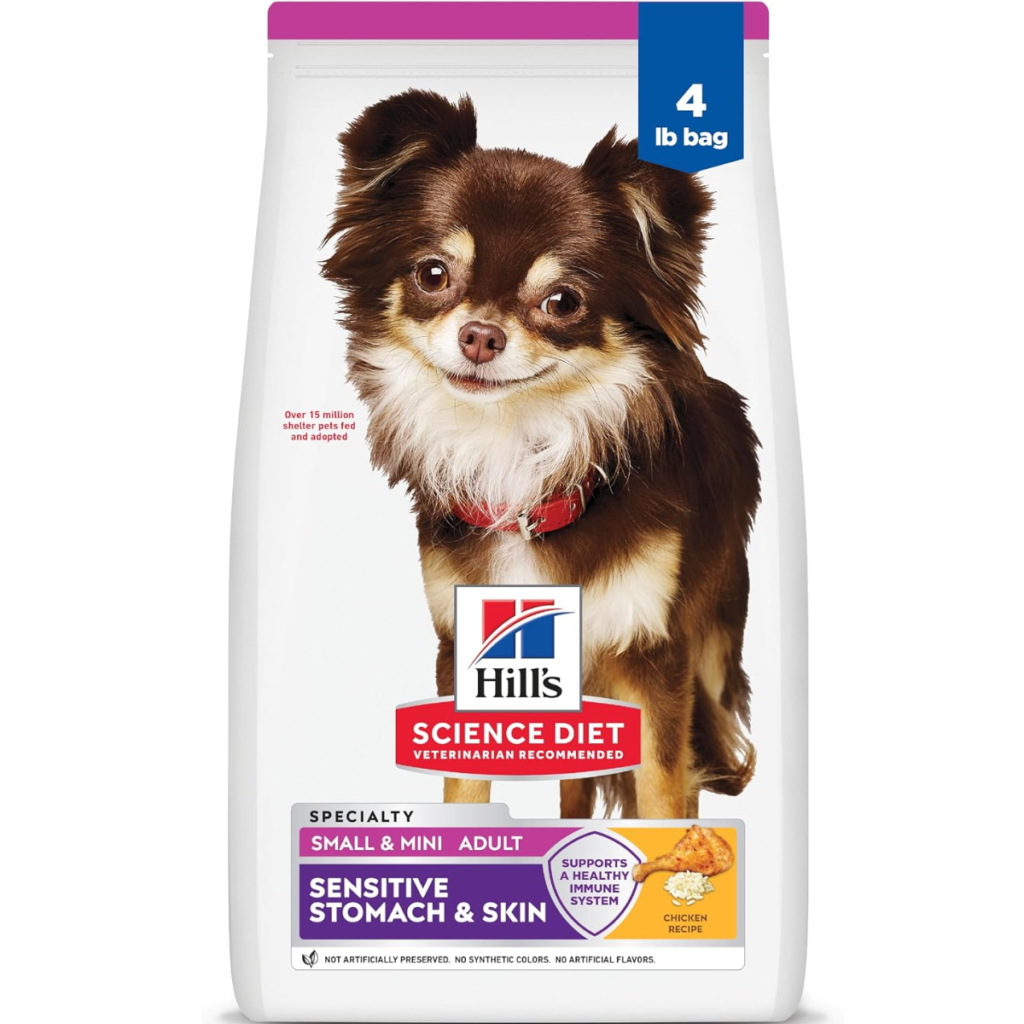
Hill’s Science Diet Adult Sensitive Stomach & Skin Small & Mini Chicken Recipe is specially formulated for adult small and mini breed dogs with sensitive digestion and skin. Its highly digestible ingredients and prebiotic fiber support nutrient absorption and a balanced gut microbiome. Chicken provides protein, while vitamin E and omega-3 and omega-6 fatty acids help maintain healthy skin and a shiny coat. Clinically proven antioxidant vitamins C and E support immune health. This complete and balanced recipe provides essential vitamins, minerals, and nutrients for everyday adult maintenance.
Benefits & Key Points
Sensitive Digestion: Highly digestible nutrition is gentle on the stomach.
Prebiotic Fiber: Helps support a balanced gut microbiome.
Healthy Skin: Vitamin E helps nourish the skin.
Shiny Coat: Omega-3 and omega-6 fatty acids support coat health.
Immune Support: Vitamins C and E provide antioxidant support.
Adult Nutrition: Essential nutrients support daily health for small and mini breeds.
5. Purina Pro Plan Sensitive Skin & Stomach Dry Dog Food, Small
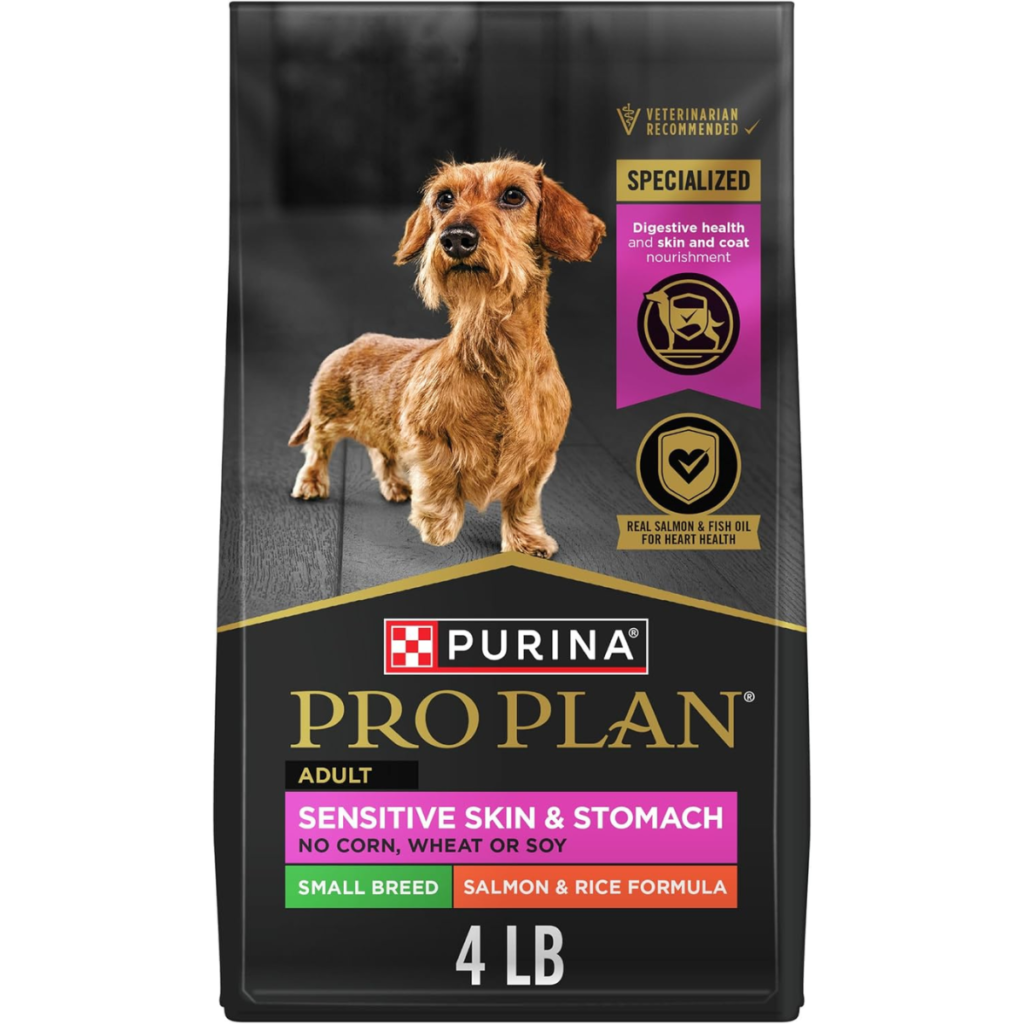
Purina Pro Plan Sensitive Skin & Stomach Small Breed Formula is a high-protein dry dog food designed for active adult small dogs, especially those with sensitive digestion and skin. Real salmon is the first ingredient, providing quality protein, while easily digestible oatmeal and natural prebiotic fiber help support digestive health. Guaranteed live probiotics support digestive and immune health. Sunflower oil supplies omega-6 fatty acids to help maintain healthy skin and a shiny coat. With 23 essential vitamins and minerals, this formula provides balanced everyday nutrition for small dogs weighing under 20 pounds.
Benefits & Key Points
Real Salmon: Provides quality protein as the first ingredient.
Digestive Support: Oatmeal is gentle on sensitive stomachs.
Prebiotic Fiber: Nourishes beneficial intestinal bacteria.
Live Probiotics: Support digestive and immune health.
Healthy Skin & Coat: Omega-6 fatty acids help maintain coat condition.
Small Breed Nutrition: High-protein formula for active small adult dogs.
How to Choose the Best Puppy Food for a Sensitive Stomach
Choosing the right puppy food involves checking nutritional quality, digestibility, and your puppy’s individual needs. Use these key factors to compare options.
1. Choose Complete and Balanced Puppy Food
Puppies need balanced nutrition for healthy growth. In the United States, look for an AAFCO nutritional adequacy statement confirming the food supports growth or an appropriate all-life-stages diet.
2. Look for Digestible Ingredients
Highly digestible ingredients may help some puppies with digestive problems. However, no single ingredient guarantees good results for every puppy.
3. Consider the Protein Source
Some puppies may tolerate certain protein sources better than others. Chicken, turkey, and salmon are common options, but no protein is automatically best for every puppy.
4. Check Fiber and Prebiotics
Fiber can help support healthy stool consistency, while some formulas include prebiotics to support beneficial gut bacteria. The right balance depends on your puppy’s needs.
5. Follow Feeding Guidelines
Overfeeding may contribute to digestive upset, while too little food can affect growth. Follow the feeding guide as a starting point and adjust portions based on your puppy’s needs.
6. Check the Manufacturer’s Quality Standards
Choose a manufacturer that provides clear nutritional information and explains its formulation, testing, and quality-control practices.
Common Ingredients in Puppy Food for Sensitive Stomachs
Puppy food for sensitive stomachs may contain selected ingredients to support digestion, stool quality, and healthy growth. The right combination depends on your puppy’s individual needs.
Hydrolyzed Protein – This protein is broken into smaller components and may be recommended by veterinarians for puppies with suspected food allergies. These diets are often veterinary therapeutic products.
Highly Digestible Protein – Chicken and fish provide protein for growth and may be suitable for some puppies. However, tolerance varies, especially when a food allergy is present.
Prebiotics and Probiotics – Prebiotics help nourish beneficial gut bacteria, while probiotics provide live microorganisms that may support digestive health.
Rice – Rice provides carbohydrates and energy. It is included in some easily digestible puppy food formulas.
Dietary Fiber – Selected fiber sources can help regulate stool consistency and support normal digestion. The appropriate type and amount depend on the puppy’s needs.
Omega-3 and Omega-6 Fatty Acids – These essential fats support healthy skin, coat, and overall development. Some sources of omega-3s may also support a healthy inflammatory response.
Puppy Food for Sensitive Stomach
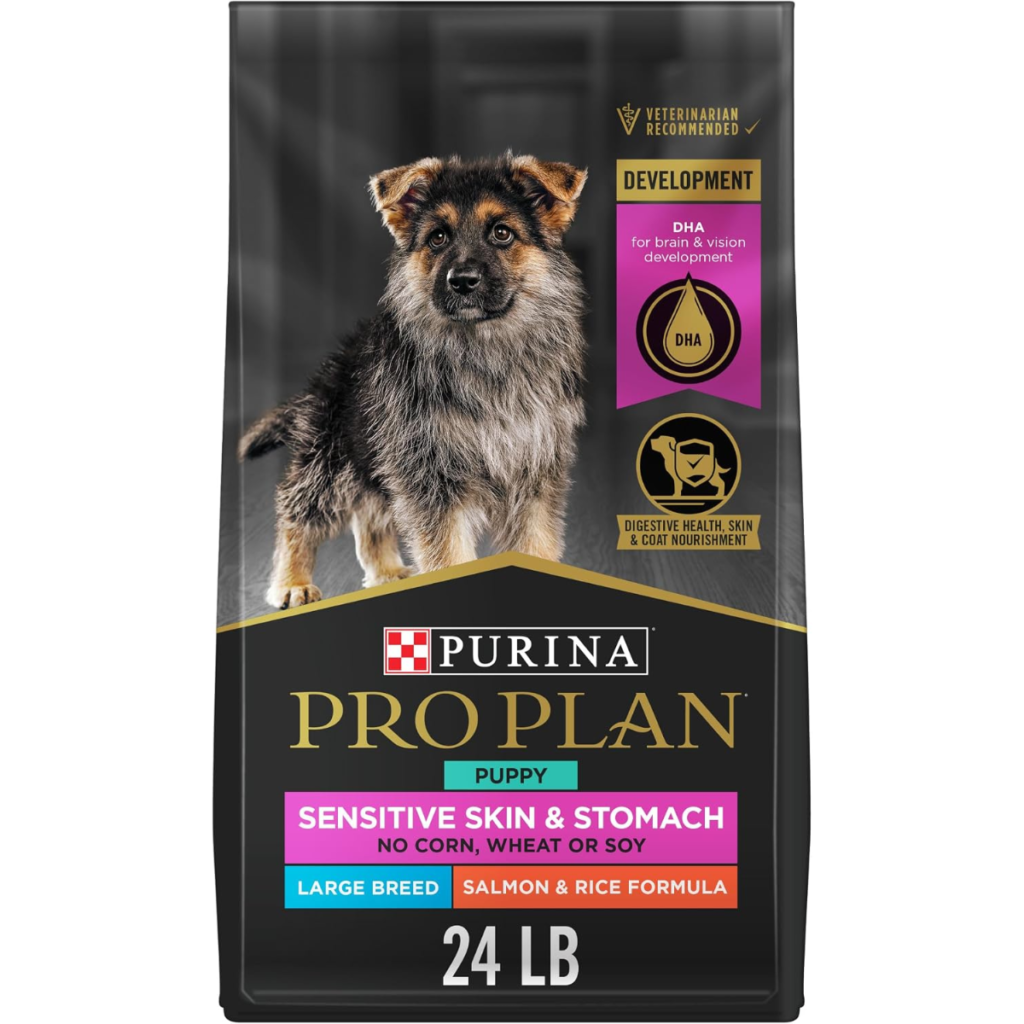
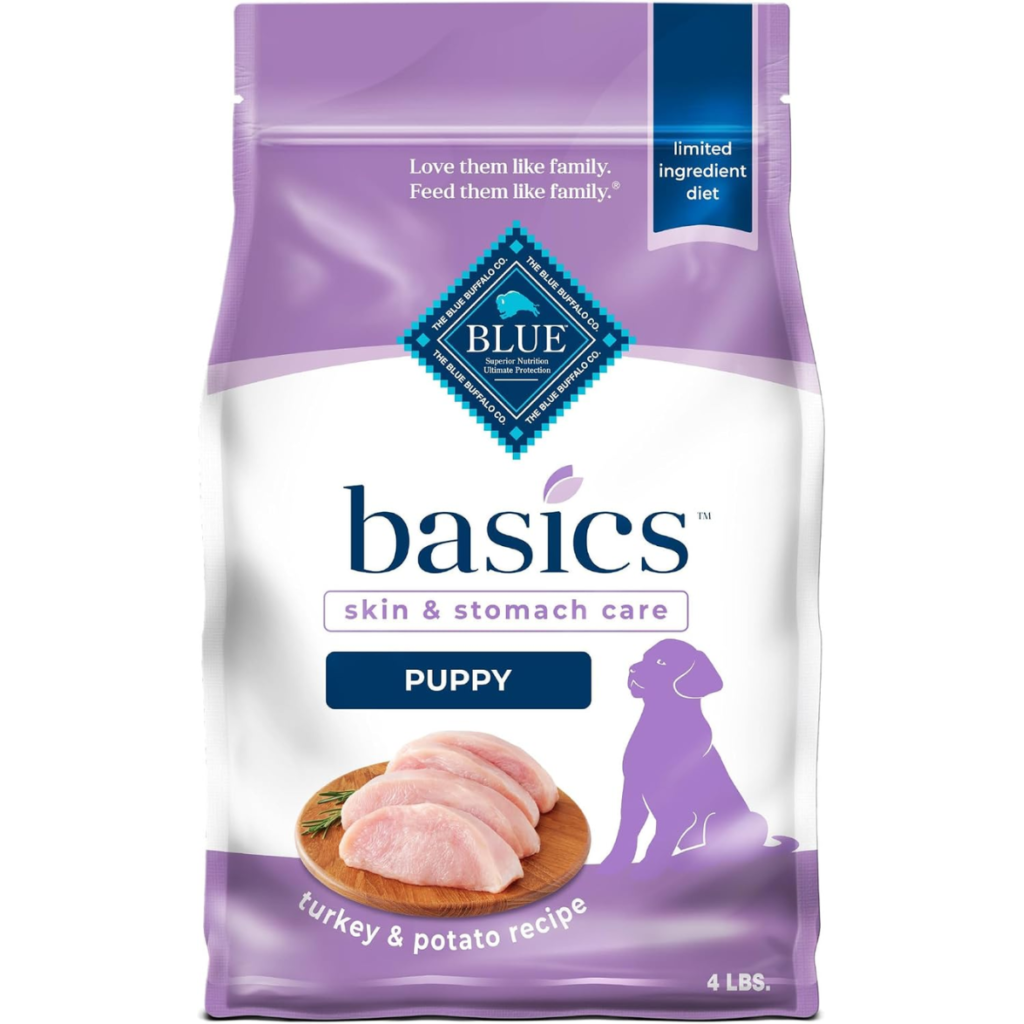
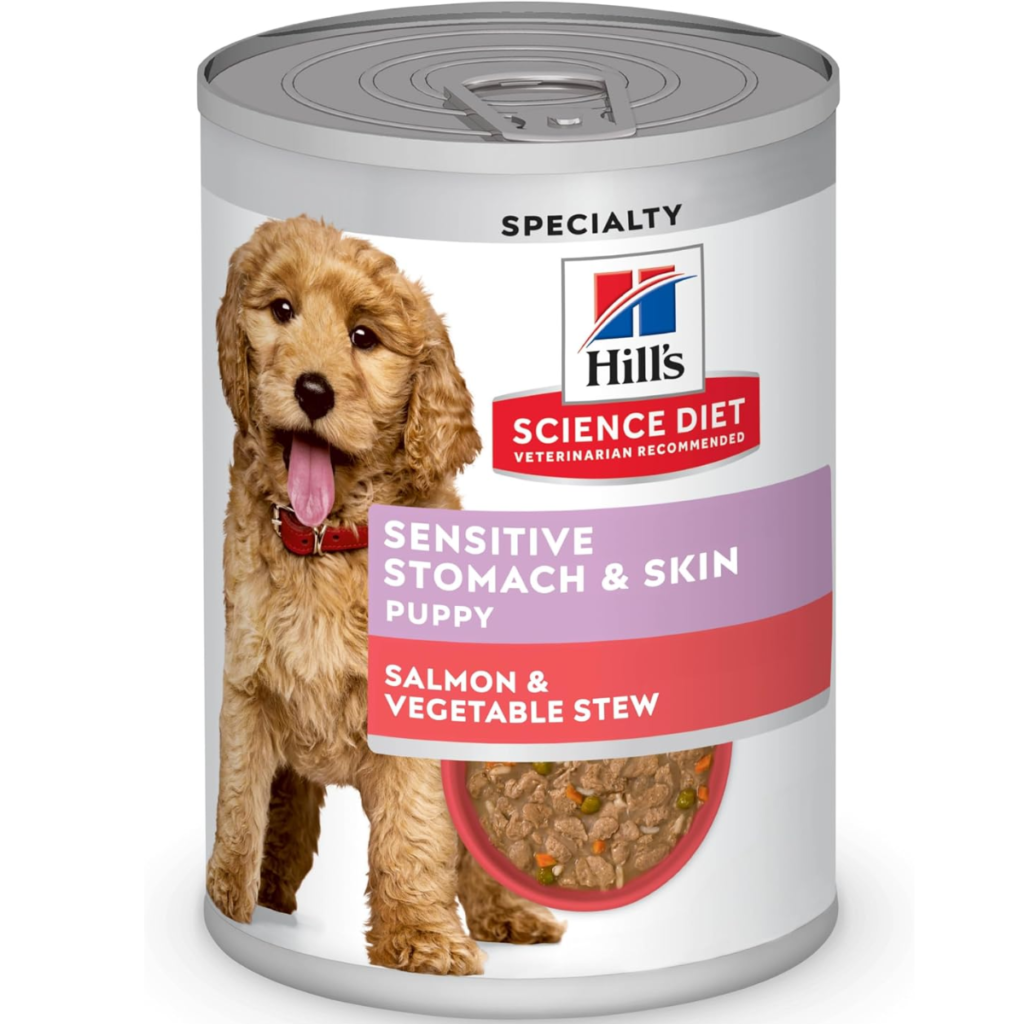
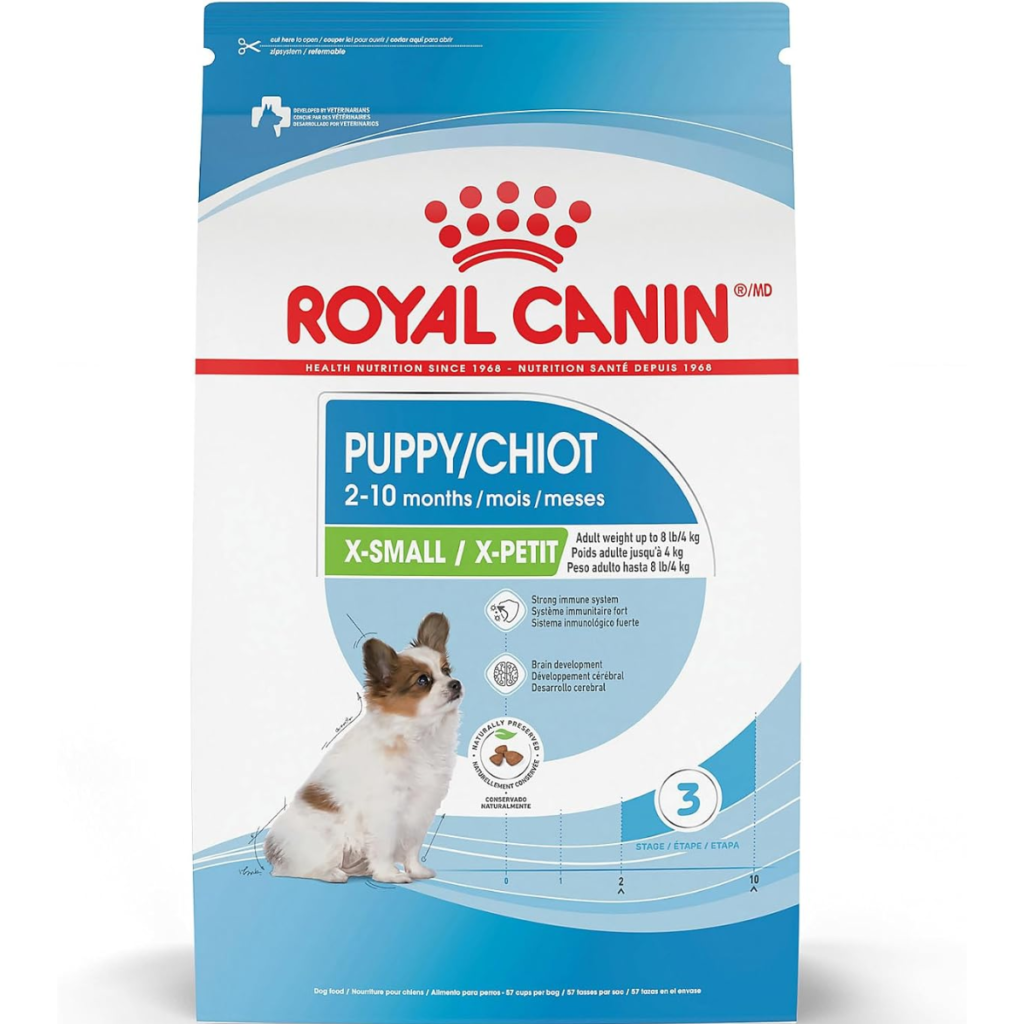
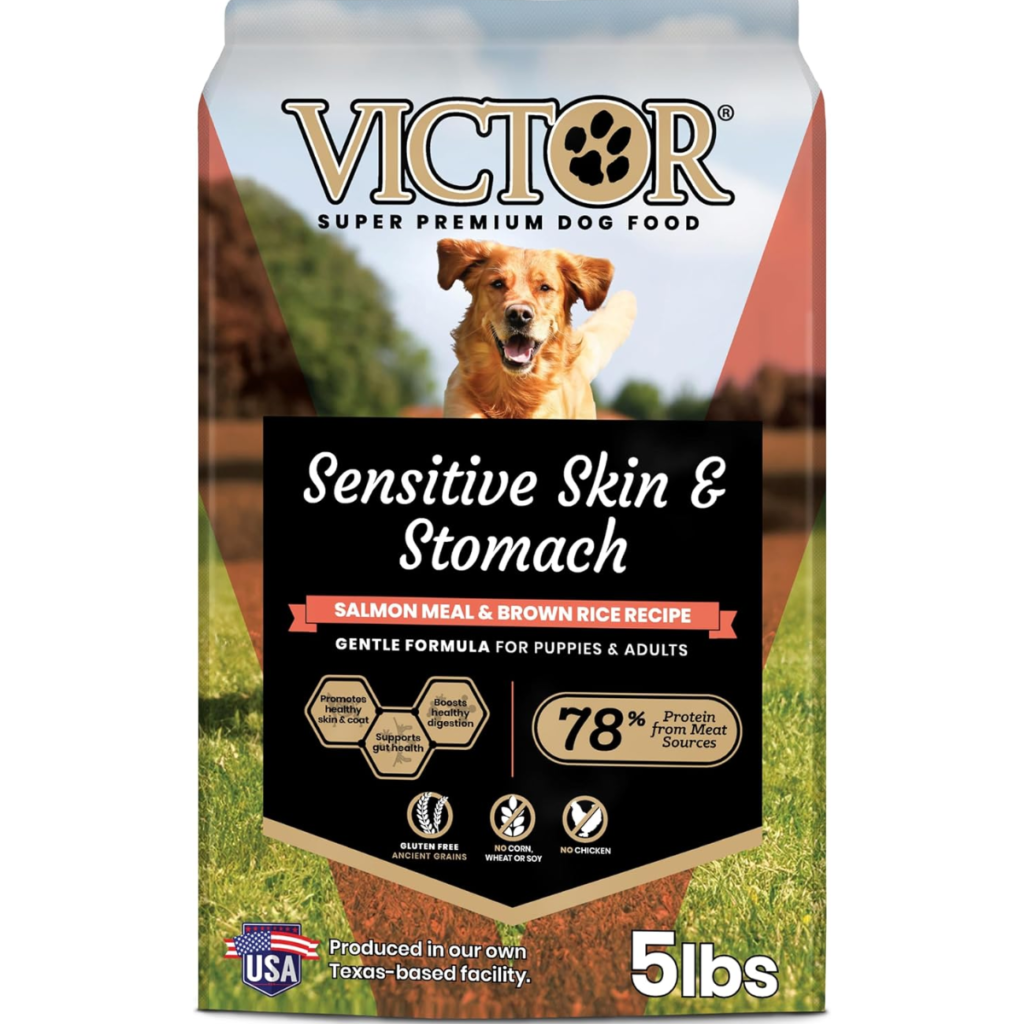
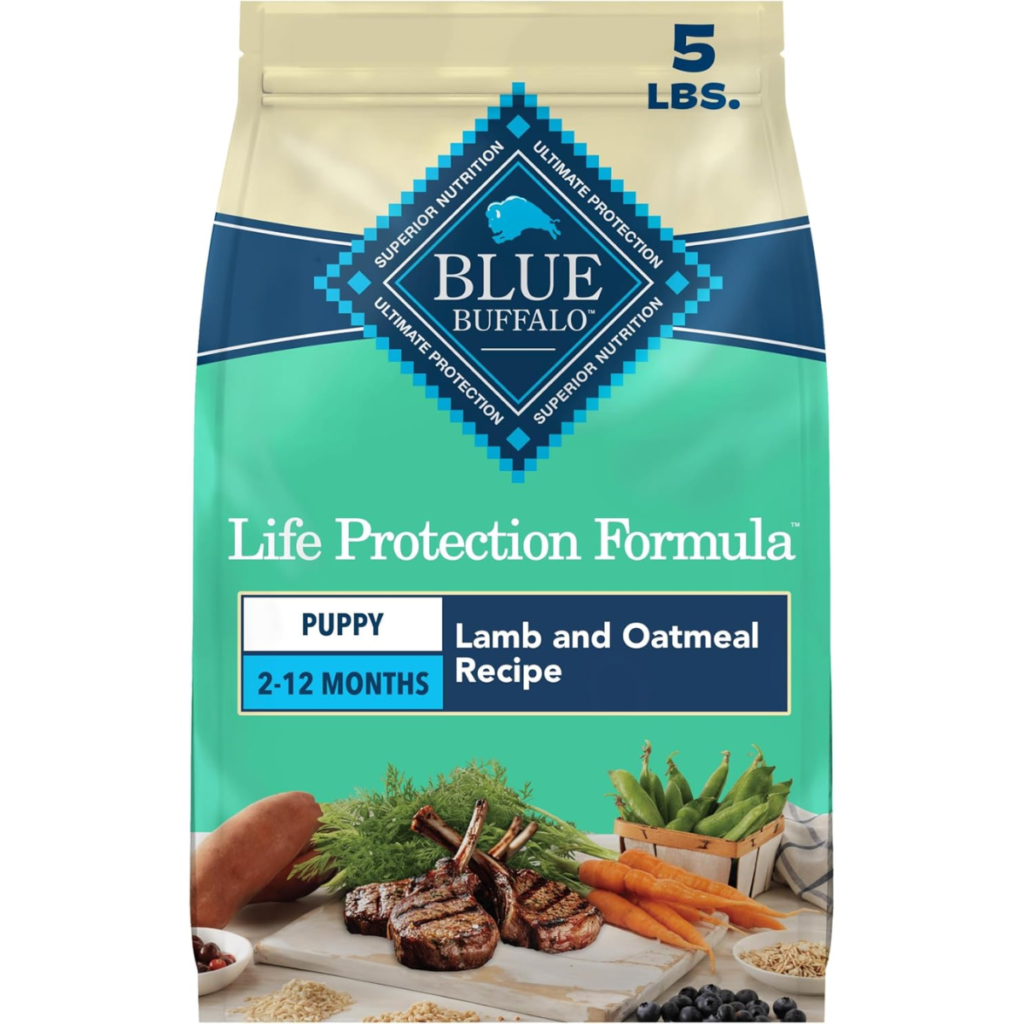
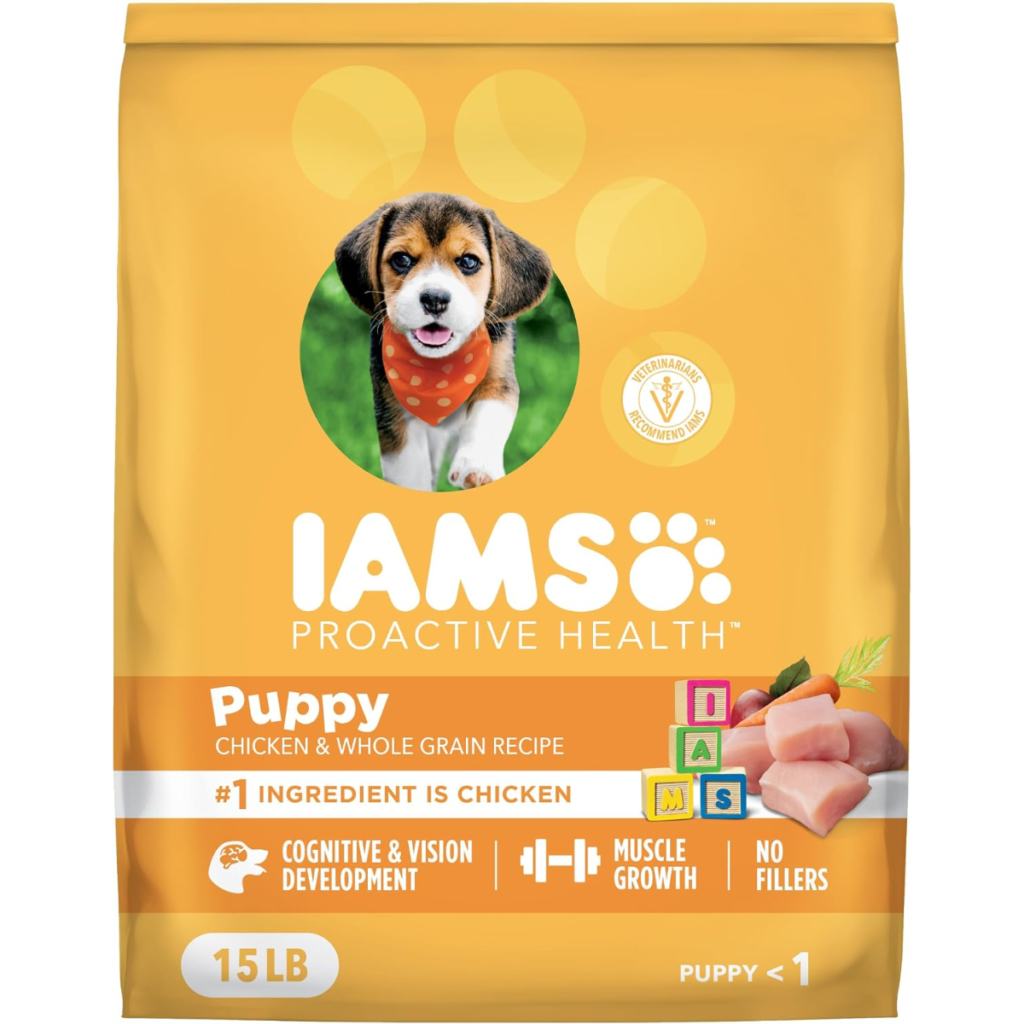
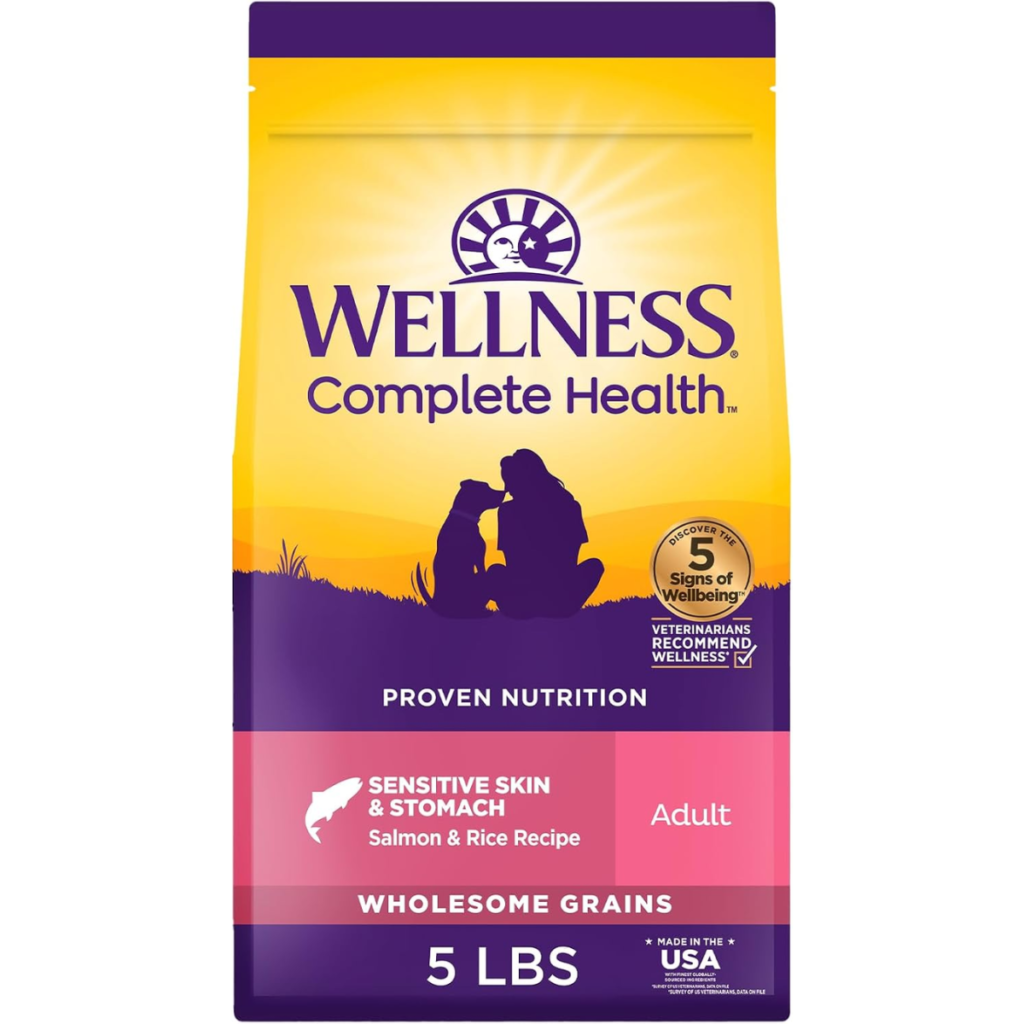
Puppy food for sensitive stomachs is formulated to support healthy growth while helping some puppies manage digestive discomfort. Depending on the recipe, these foods may include highly digestible ingredients, selected protein sources, or added fiber to support stool quality.
Digestible ingredients: Some formulas use ingredients designed to be easier to digest.
Recipe options: Choose from different textures, flavors, and food types to suit your puppy.
Puppy-specific nutrition: Look for complete and balanced food formulated for healthy growth.
Digestive support: Some recipes include prebiotics, probiotics, or fiber.
Protein choices: Different formulas offer various protein sources to suit individual dietary needs.
Every puppy is different, and sensitive-stomach food may not resolve symptoms caused by an underlying health problem. Consult your veterinarian if digestive issues persist or worsen. Once you find a suitable food, maintain a consistent feeding routine and consider a scheduled delivery option to avoid running out.
Common Mistakes Choosing Puppy Food for a Sensitive Stomach
Choosing Adult Food for Puppies
Adult dog food may not provide the nutrients needed for healthy puppy growth. Always check the life-stage statement before buying.
Changing Food Too Often
Frequent food changes can worsen digestive upset and make it harder to identify the cause. Keep feeding consistent and consult your veterinarian if symptoms continue.
Assuming Grain-Free Food Is Better
Grain-free food is not automatically easier to digest or better for allergies. Choose a suitable formula based on your puppy’s needs and veterinary advice.
Adding Supplements Without Guidance
Probiotics, fiber supplements, and digestive enzymes are not necessary for every puppy. Ask your veterinarian before adding supplements to a growing puppy’s diet.
Ignoring Recurring Symptoms
Repeated diarrhea or vomiting may indicate parasites, infection, or another health problem. Consult a veterinarian instead of assuming food sensitivity is the cause.
Feeding Too Many Treats
Excessive treats and table scraps can upset digestion and unbalance your puppy’s diet. Keep treats modest and use a consistent feeding routine.
Frequently Asked Questions
There is no single best food for every puppy. Purina Pro Plan Puppy Sensitive Skin & Stomach Salmon & Rice is one option to compare. Always check the current life-stage label and ask your veterinarian if symptoms persist.
Some puppies benefit from highly digestible ingredients and balanced fiber. The best formula depends on the cause of the digestive problems and your puppy’s individual needs.
Adult-maintenance food may not provide the nutrients puppies need for growth. Choose a complete and balanced puppy formula unless your veterinarian recommends otherwise.
Not always. Some puppies tolerate salmon-based food well, but no protein source works best for every dog. Choose a suitable puppy formula based on your puppy’s needs.
A veterinarian may recommend a short-term bland diet in some cases. However, chicken and rice alone are not nutritionally complete for long-term puppy feeding.
Yes, food allergies can sometimes cause digestive symptoms, itching, or ear problems. Other conditions can cause similar signs, so veterinary guidance is important.
Yes, sensitive-stomach puppy food is generally suitable for any breed experiencing digestive issues. Talk to your vet to determine whether your puppy can benefit from sensitive-stomach food and select a recipe that aligns with your pup'sage and breed size.
- Common signs include loose stools, diarrhea, vomiting, gas, stomach noises, appetite changes, drooling, and repeated lip licking. Persistent symptoms warrant veterinary evaluation.
Choosing the Best Puppy Food for Sensitive Stomach starts with understanding your puppy’s symptoms and nutritional needs. A puppy-specific sensitive-stomach formula may be a reasonable option for some dogs, but recurring digestive problems deserve veterinary attention rather than endless food changes.
Compare complete and balanced growth diets, review the exact label, introduce suitable foods gradually, measure portions, and keep treats consistent. If symptoms continue, your veterinarian can help identify the cause and determine whether a standard puppy formula, a therapeutic diet, or another treatment is appropriate.
At WorldFoodLive.com, our goal is to help pet parents make informed dog food decisions by comparing products and explaining what matters on the label. Use this guide as a starting point, verify product details before purchasing, and consult your veterinarian for advice tailored to your puppy.